REVIEW · KYOTO
Kyoto: Kendo Samurai Experience Tour
Book on GetYourGuide →Operated by Park for us Co.,Ltd · Bookable on GetYourGuide
Suit up and swing bamboo blades in Kyoto. This Kyoto Kendo Samurai Experience turns sword basics into real training, guided by a professional instructor in a calm dojo setting. You get the gear, the rules, and the feel of kendo as more than a costume performance.
What I like most is that you practice with proper kendo equipment instead of watching from the sidelines, so beginners still get hands-on progress. I also like how the instruction is step-by-step with clear demonstrations, and then you test it in a controlled match.
One thing to consider: there’s no hotel pickup, and you’ll need to be ready for a physical session in full gear. Also, you must share your gender and height so the staff can provide the right equipment size.
In This Review
- Key highlights and what makes them matter
- Why kendo in Kyoto feels more practical than a show
- Getting fitted: armor, etiquette, and the first safety lesson
- Your 2-hour flow: from basic movement to a controlled match
- Instructor coaching style: Hayashi-sensei and clear step-by-step guidance
- Price and value: what $116 buys you in real training time
- Location and getting there: JR Hanazono Station to the dojo
- Who this is for: beginners, families, and people who want structure
- What to do before you go (so the class feels smooth)
- The best parts to aim for during your session
- Should you book Kyoto Kendo Samurai Experience?
- FAQ
- Where is the meeting point for the Kyoto Kendo Samurai Experience?
- How far is the meeting point from Kyoto Station?
- How long is the experience?
- What is the price per person?
- What’s included in the tour price?
- What is not included?
- Does the instructor speak English?
- Do I need to provide my measurements before the class?
- Is the experience suitable for pregnant women or people with medical conditions?
- What is the cancellation policy?
Key highlights and what makes them matter
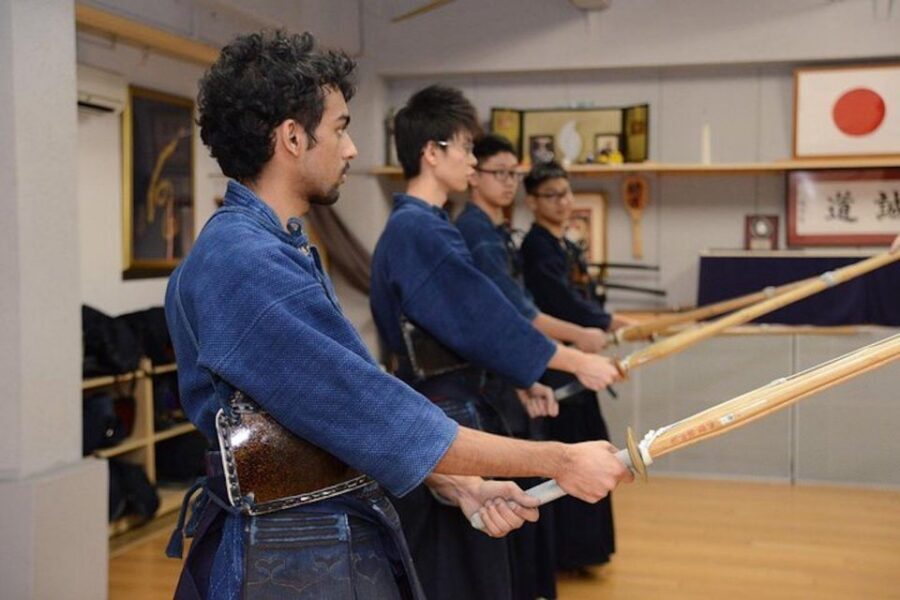
- Full kendo armor and protective gear so you train as safely as possible for an intro class
- Professional instruction from Hayashi-sensei, with clear coaching for both Japanese and English speakers
- Etiquette + rules first, not just swinging a bamboo stick
- A safe, controlled match at the end to show what you learned
- A class flow that works for beginners, including people with limited Japanese
- $116 for 2 hours including equipment rental, water, and a free kendo towel
Why kendo in Kyoto feels more practical than a show
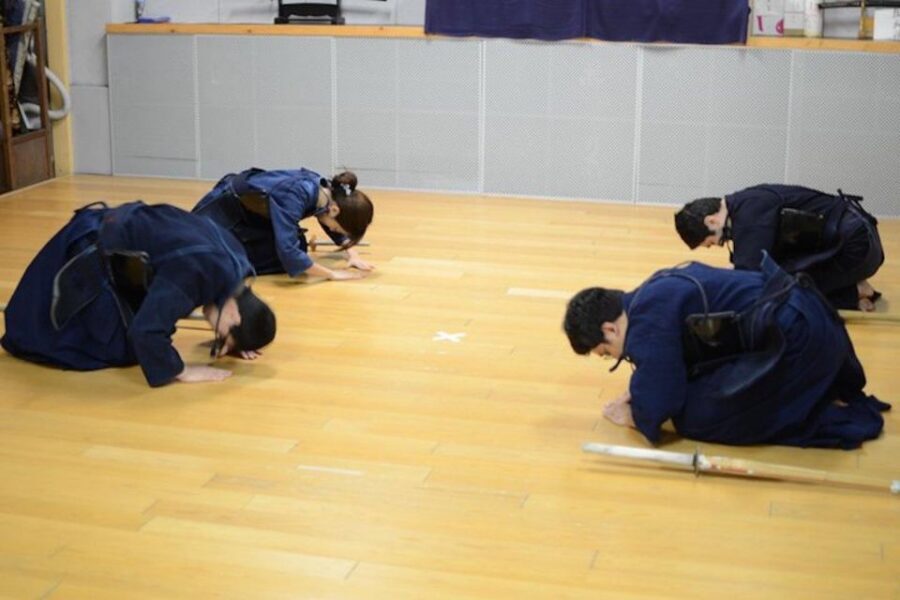
Kyoto has plenty of performances, but kendo training is different. It’s not built around impressive poses; it’s built around repeatable body mechanics, focus, and discipline. That’s why even a first-timer can come away feeling like they learned something real.
In this 2-hour experience, you’re guided toward the core ideas of kendo: posture, footwork, timing, and respect between partners. That matters because the training isn’t just about hitting hard. It’s about learning how to move correctly so your swings land with control.
The dojo setting also helps. The atmosphere is described as tranquil and etiquette-focused, which fits how kendo is meant to be taught. You’re less likely to feel like you’re doing a random activity and more likely to feel like you’re stepping into a structured practice.
You can also read our reviews of more tours and experiences in Kyoto.



Getting fitted: armor, etiquette, and the first safety lesson
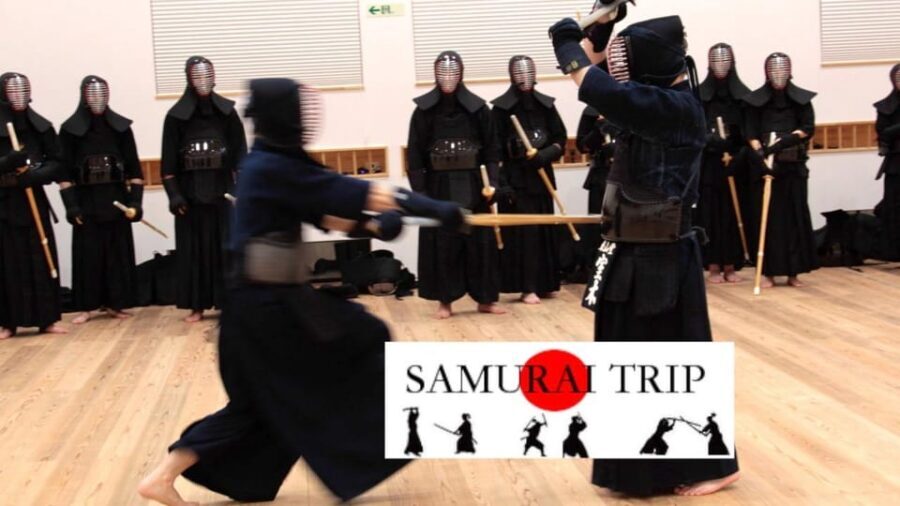
One of the biggest “oh, I get it” moments in kendo comes fast: wearing the gear changes everything. Here, you rent the full kendo armor and equipment, and you use it during the session. That’s a big deal for value because the class price includes the rental, not just the instruction.
Before you start training, you’ll be taught the basic etiquette and how the dojo expects you to behave. Expect learning moments around how you address instructors, how you handle the bamboo sword (shinai), and how you move with care. Even if you don’t know the language well, the instructors’ demos help you follow along.
Important practical note: you need to tell the provider your gender and height. The staff can then provide the right size of equipment. That’s not optional busywork; it directly affects comfort and safety. If you skip it, the armor fitting can be wrong, and that can ruin the experience.
Safety is emphasized in how the training is conducted. The instructor is described as an experienced 7th Dan master with a long background in kendo instruction, and the guidance is positioned as safe and suitable even for beginners.
Your 2-hour flow: from basic movement to a controlled match
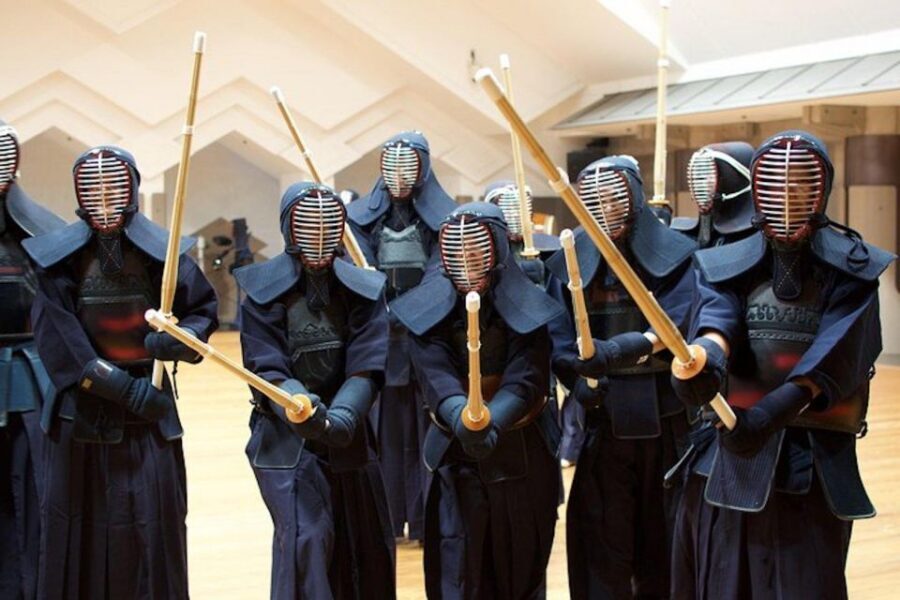
There isn’t a long multi-stop itinerary here. The point is concentration: you show up, you gear up, and you train through a full introduction arc.
Here’s what the session is set up to do:
First, you learn the fundamentals of movement and form. In kendo, good footwork comes before big swings. So you’ll likely spend the early part of the class working on how to stand, how to step, and how to coordinate your body with the strikes.
Next, you learn basic kendo rules and etiquette. That’s a hidden superpower for beginners. Knowing the rules doesn’t just help you score points in a match; it helps you understand what you’re doing and why. It also keeps the whole class running smoothly.
Then you practice bamboo sword strikes—again, in a controlled way. Think of this as learning how to strike with intention while staying safe with your partner and the instructor.
Finally, the experience ends with a safe, controlled kendo match. The match element is one of the top reasons people book this kind of intro. You get to feel the rhythm of sparring without turning the session into chaos. In past sessions, the match has been set up in friendly formats like father versus son, brother versus brother, or similar pairings depending on who’s there.
One small detail that can matter: the class may be small. When only a few people attend, you can get more attention and faster correction, almost like mini-private coaching. That’s a real plus for beginners who want feedback.
Instructor coaching style: Hayashi-sensei and clear step-by-step guidance
The instructor you’ll meet is Hayashi-sensei. Across the experience, the coaching style is repeatedly described as clear, patient, and structured. That combination is what makes this work for non-Japanese speakers.
Even when Japanese isn’t your strength, the instruction is supported by demonstrations. The instructor breaks down steps in a logical order, which helps you build correct movement patterns instead of copying random motions. One of the strongest signals from the experience is that the teaching aims to make training understandable, not just possible.
There’s also mention of humor and patience, which sounds small but can make a big difference when you’re learning something physical and new. You’re more likely to relax, ask questions, and keep trying even when your timing isn’t perfect yet.
Language support is listed as English and Japanese. In at least some cases, a translator/guide has been referenced (Miho-san) to help communication. Don’t assume that every day will run the same, but the overall setup is clearly designed to support English speakers.
Price and value: what $116 buys you in real training time
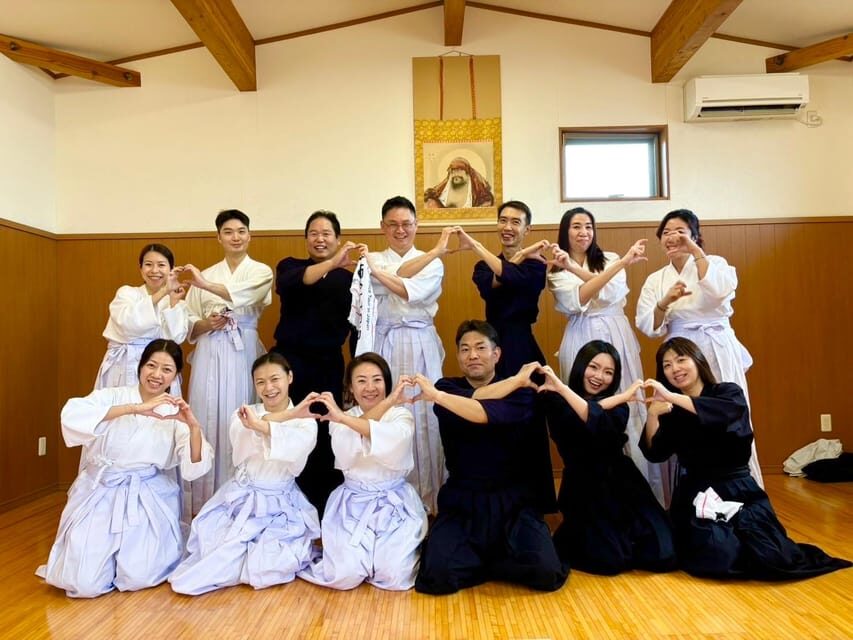
At $116 per person for 2 hours, the price isn’t low, but it’s also not inflated by hidden extras. What you get is:
- A professional instructor/guide
- Rental of kendo armor and equipment
- Mineral water
- A free kendo towel
That equipment rental is the part most people underestimate. Kendo gear isn’t cheap, and renting it changes this activity from a “try it once” event into a true training experience. You’re also not paying extra for basic hydration, and you get a useful souvenir that fits the activity (the kendo towel).
The value only works if you show up ready to participate. This is a workout, even for beginners, because you’re in armor and using proper stance and movement. If you want passive sightseeing, this won’t match that vibe. If you want hands-on skill and real etiquette lessons, it’s priced like a serious activity.




Location and getting there: JR Hanazono Station to the dojo
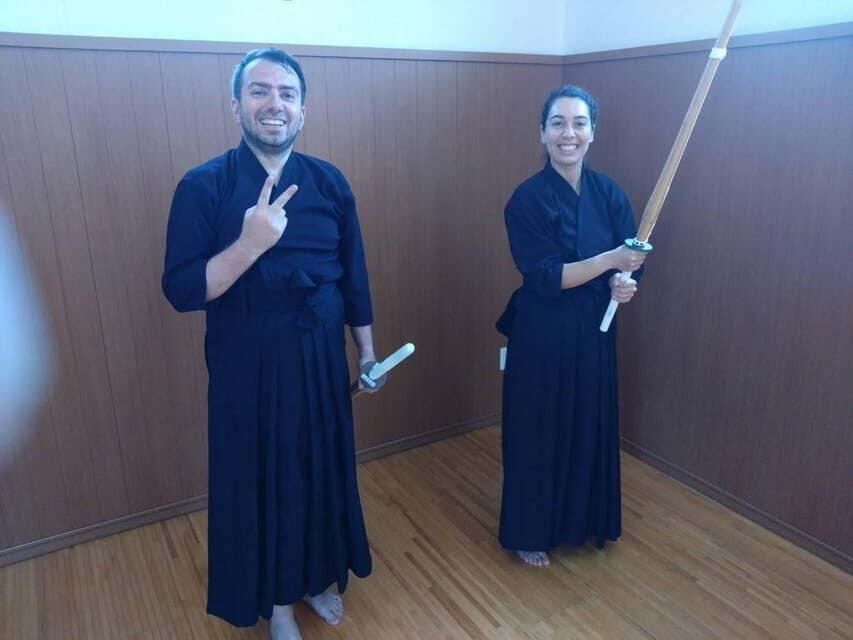
Logistics matter for classes like this, because you can’t be late once you’re gearing up.
The meeting point is JR Hanazono Station, North Exit (JR 花園駅北口). It’s about 15 minutes from Kyoto Station by JR Sagano Line (JR 嵯峨野線). That’s an easy rail hop, but you still need to plan to arrive with time to check in.
Two practical realities from the setup:
- There’s no hotel pickup and drop-off, so you’re responsible for getting yourself to the meeting point.
- Because it’s a dojo-based class, late arrivals can disrupt fitting and the lesson flow.
If you’re staying near central Kyoto Station, the commute is straightforward. If you’re staying in a farther neighborhood, you may want to route your trip earlier than you think, just to protect your timing.
Who this is for: beginners, families, and people who want structure
This is one of those activities that’s unusually welcoming for beginners. Kendo is a martial art that uses actual practice and a realistic training format, but this intro class is taught as safe and guided.
It can work well for:
- Beginners who want a real introduction instead of a photo-only experience
- People who like clear rules and step-by-step coaching
- Families where everyone can participate in controlled practice (you’ll likely see matches and pair practice at the end)
- Visitors who want Japanese culture through etiquette, not just historic sites
It’s not a fit for:
- Pregnant women
- People with pre-existing medical conditions
That’s important. Even in a safe format, kendo training in full gear is physical. If you have any concerns, you should treat the “not suitable” note seriously and pick a different activity.
What to do before you go (so the class feels smooth)
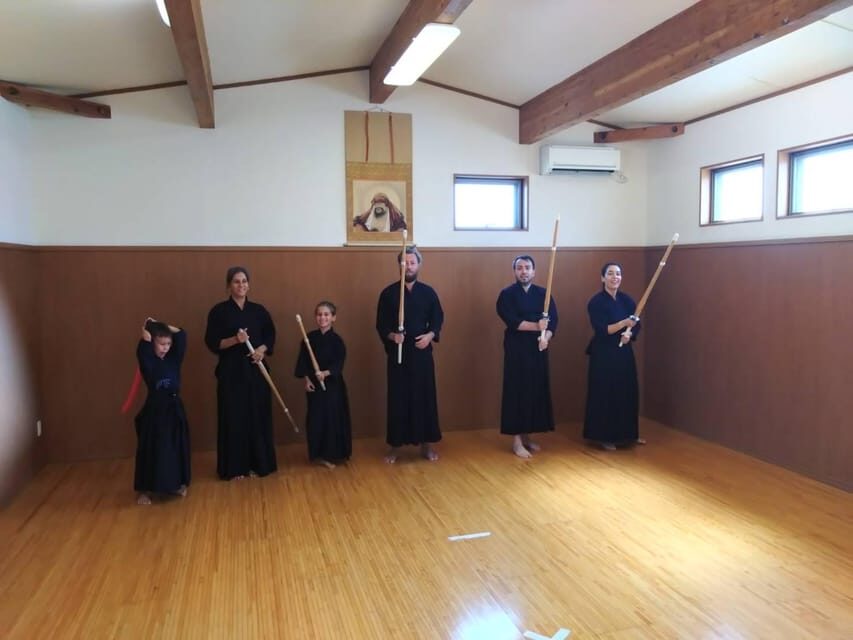
You can’t control everything, but you can control the basics that make the session easier.
Here’s what I’d do based on the info you’re given:
- Share your gender and height ahead of time so the equipment size works
- Plan your arrival at JR Hanazono Station North Exit with extra buffer
- Wear comfortable clothes for getting to the meeting point and changing into the training gear (the armor is provided, but you’ll still be in transit before and after)
Also, expect the tone to be respectful and structured. Kendo etiquette is part of the training here, so you’ll do better if you enter with a calm attitude and willingness to follow instructions.
Finally, bring your curiosity. A big part of the experience is learning why kendo training looks the way it does: the movement patterns, the rules, and the focus.
The best parts to aim for during your session
If you want this class to feel worth your time, aim for the skill components that the instructors clearly emphasize.
From the way the training is described and the outcomes people report, these are the moments that matter most:
- Watching the early demonstrations closely, then practicing what you saw right away
- Focusing on footwork and stance instead of chasing speed
- Treating etiquette as part of the technique, not an interruption
- Taking part in the end match even if you feel awkward at first
- Letting the instructor correct you early, so you don’t build bad habits
This is also where clear English/Japanese support helps. If you’re unsure of a step, ask. The teaching approach is described as patient, and beginners benefit most when they’re not afraid to get clarification.
Should you book Kyoto Kendo Samurai Experience?
Book it if you want a hands-on intro to Japanese martial arts in Kyoto, with full armor training, etiquette lessons, and a controlled match at the end. The included gear rental makes it feel like a real activity rather than a short demo.
Skip it (or choose another option) if you’re not comfortable with physical exertion in protective equipment, if you fall into the not-suitable categories, or if you strongly prefer guided transportation from your hotel. This is a do-it-yourself meeting point class.
If you can handle one rail ride from Kyoto Station and you’re excited to learn how kendo works from a trained instructor like Hayashi-sensei, it’s a strong value for the training time you get. And the free kendo towel is a nice reminder that you didn’t just watch—you practiced.
FAQ
Where is the meeting point for the Kyoto Kendo Samurai Experience?
You’ll meet at JR Hanazono station, North exit (JR 花園駅北口).
How far is the meeting point from Kyoto Station?
It’s about 15 minutes from Kyoto Station by JR Sagano Line (JR 嵯峨野線).
How long is the experience?
The experience lasts 2 hours.
What is the price per person?
The price is $116 per person.
What’s included in the tour price?
It includes a professional guide/instructor, rental of kendo armor and equipment, free mineral water, and a free kendo towel.
What is not included?
Food is not included, and there is no hotel pickup or drop-off.
Does the instructor speak English?
The instructor support is listed as English and Japanese.
Do I need to provide my measurements before the class?
Yes. You should let the provider know your gender and height so they can provide the right equipment size.
Is the experience suitable for pregnant women or people with medical conditions?
No. It’s not suitable for pregnant women or people with pre-existing medical conditions.
What is the cancellation policy?
Free cancellation is available up to 24 hours in advance for a full refund.