REVIEW · TOKYO
Tokyo: Matcha Tea Ceremony Experience in Shibuya
Book on GetYourGuide →Operated by Trip Port · Bookable on GetYourGuide
If you think tea is just a drink, this changes that. In Shibuya, you get hands-on matcha making and a calm, welcoming tea room vibe that slows everything down fast. I also like the step-by-step guidance from an English-speaking teacher who explains what you’re doing and why.
Here’s the main reason this works: you don’t only watch. You make matcha, taste and compare several Japanese teas with a small sweet pairing, and learn serving manners in a way that feels friendly, not formal.
One thing to keep in mind: it’s a 1-hour experience. That’s great for a first taste and solid basics, but it won’t turn you into a tea master.
In This Review
- Key things I’d notice right away
- Finding The Okazaki Building Meeting Point In Shibuya
- A Calm Room, Small Group, And An English-Speaking Teacher
- Making Matcha With Step-By-Step Guidance
- Taste Several Japanese Teas And Compare What Changes
- Serving Manners You’ll Actually Use Again
- The History Part: Tradition Explained Clearly
- Photos During The Session (So You Remember the Small Stuff)
- Price and Value: Is $30 for One Hour Fair?
- Who This Matcha Ceremony Fits Best
- Should You Book This Tokyo Matcha Tea Ceremony?
- FAQ
- Where is the meeting point?
- How long does the matcha tea ceremony last?
- How much does it cost?
- Is the instructor able to teach in English?
- What group size is this experience?
- Is the experience wheelchair accessible?
- Do I make my own matcha?
- What is included with the experience?
- Are photos included?
- Is there free cancellation and a pay-later option?
Key things I’d notice right away
- You make your own matcha with guidance, not just a demo
- Taste and compare multiple Japanese teas alongside traditional sweets
- Learn serving manners through practice, not lectures
- Small group size (limited to 10) keeps it personal
- English instruction makes etiquette and history easier to follow
- Photos during the experience help you remember the details
Finding The Okazaki Building Meeting Point In Shibuya
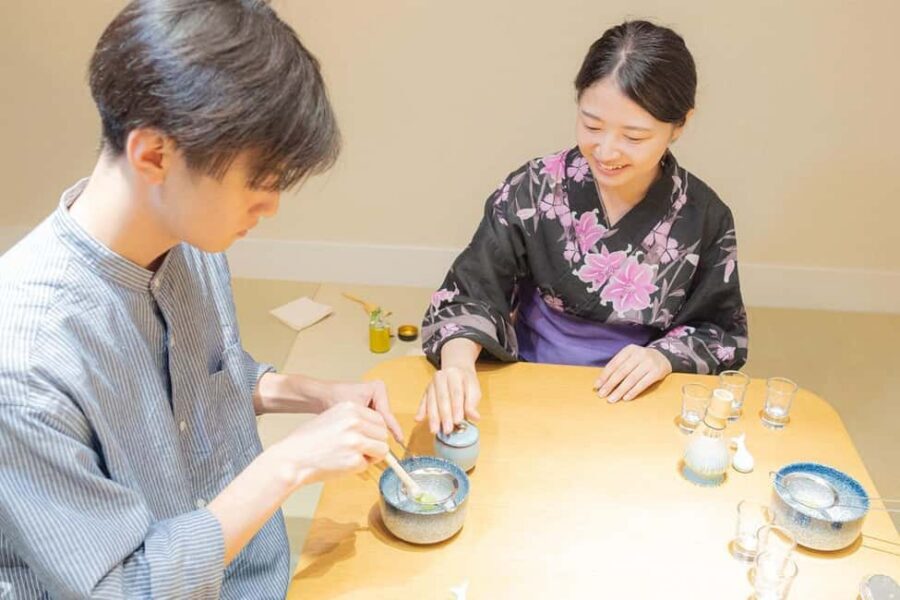
Shibuya can feel like a lot before you even start, so I appreciate that this ceremony gives you a clear meeting spot. You meet the instructor in front of the Okazaki Building entrance, with a vending machine right next to it.
Aim to arrive a bit early—tea sessions run on attention and timing. If you’re coming straight from Shibuya Station, give yourself extra walking time so you don’t show up flustered.
You can also read our reviews of more tours and experiences in Tokyo.



A Calm Room, Small Group, And An English-Speaking Teacher
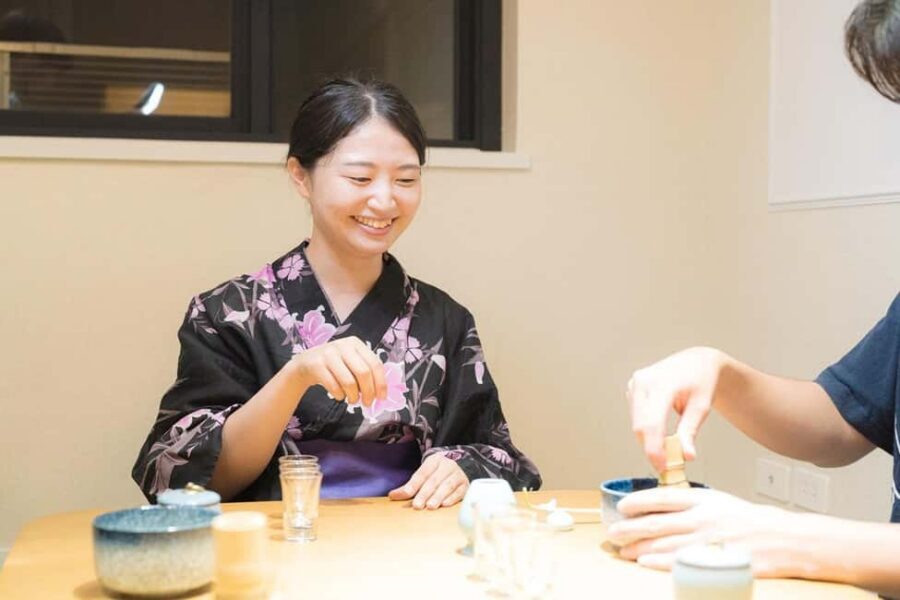
This is designed for a small group, capped at 10 participants. That matters because tea etiquette is the kind of thing where you’ll do better when you can ask questions and get small corrections.
The instructor speaks English. In at least one recent booking, the host was specifically praised for excellent English and solid preparation—so you can expect explanations that actually land, not just a performance with subtitles.
You’ll also feel the tone quickly: a tea ceremony isn’t about speed. It’s about stillness, courtesy, and doing the movements with care.
Making Matcha With Step-By-Step Guidance
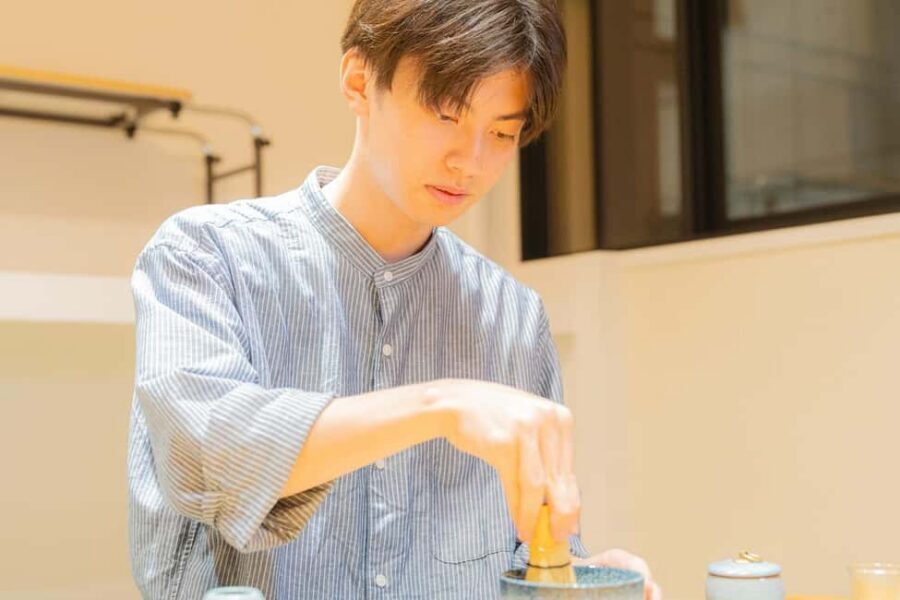
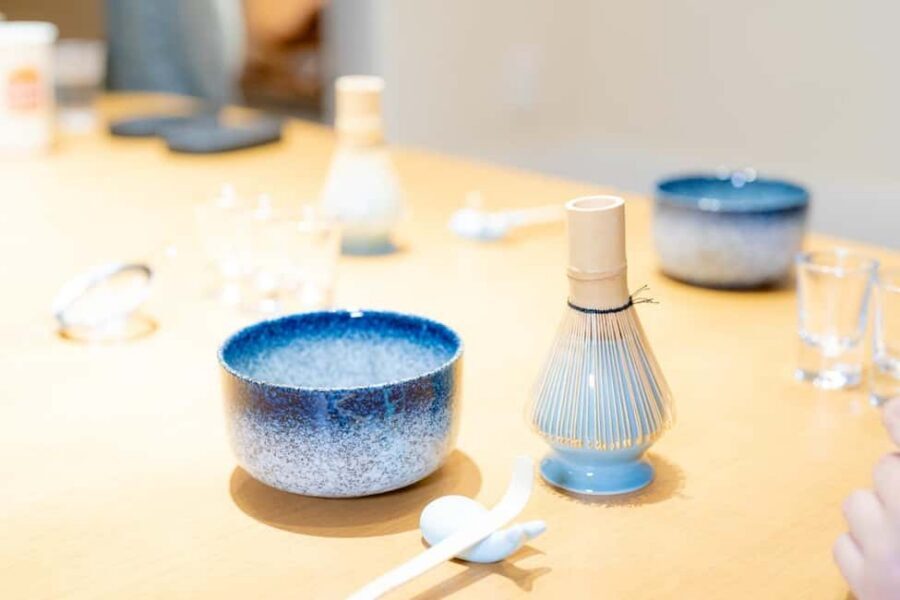
The centerpiece is making your own matcha, guided from start to finish. You’re not stuck guessing how to whisk or what the right look and feel is—you’ll be walked through the process, one step at a time.
As you work, you’ll learn basic steps and serving manners. It’s not just about getting a drink; it’s about understanding what each action communicates: respect, patience, and mindfulness.
If you’ve never handled matcha before, this format is especially useful. You’ll leave knowing the fundamentals in your hands, not only in your head.
Taste Several Japanese Teas And Compare What Changes
This experience also includes tasting and comparing different Japanese teas. The point isn’t to turn it into a quiz; it’s to help your senses notice how small differences show up in aroma, taste, and presentation.
Each tea is paired with a traditional sweet that enhances the flavor. That pairing is a big part of why tea ceremonies work well for beginners. You get to experience balance—how sweetness can soften bitterness or how tea character can tame sweetness.
In practice, this helps you build a real palate. After a few sips and comparisons, you start noticing things like what feels smooth versus what feels sharper, and which aromas stand out first.
Serving Manners You’ll Actually Use Again
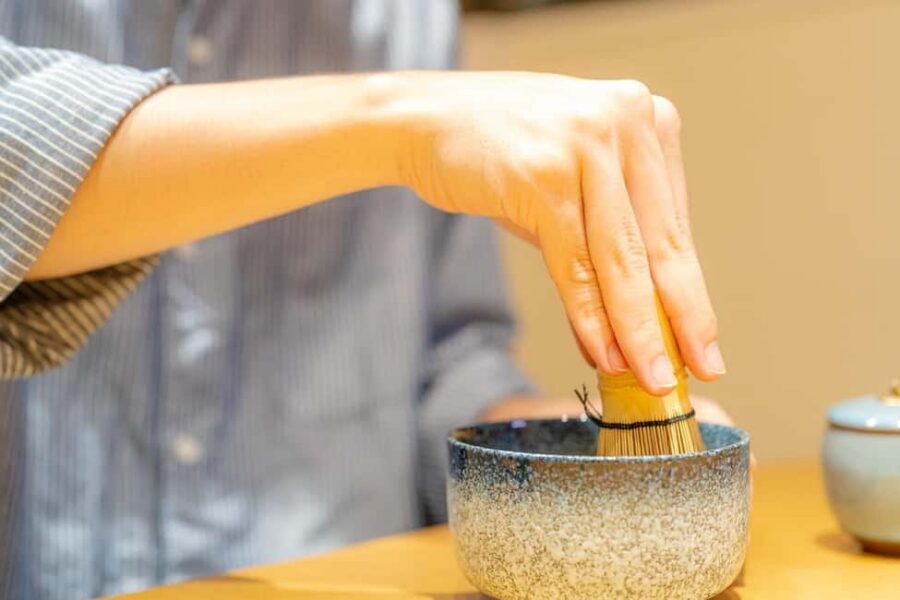
Tea etiquette can sound intimidating if you only hear it in theory. Here, you learn manners by doing them—how to serve, how to handle the moment, and how to act with calm respect.
This matters more than it sounds. In Japanese culture, small gestures often carry big meaning, and tea ceremony manners are a concentrated version of that idea.
You’ll also get a sense of the atmosphere: you’re expected to slow down, pay attention, and treat the tea as something worth receiving properly. That’s useful even outside the ceremony—at minimum, you’ll get better at being present with something you’re usually rushing through.






The History Part: Tradition Explained Clearly
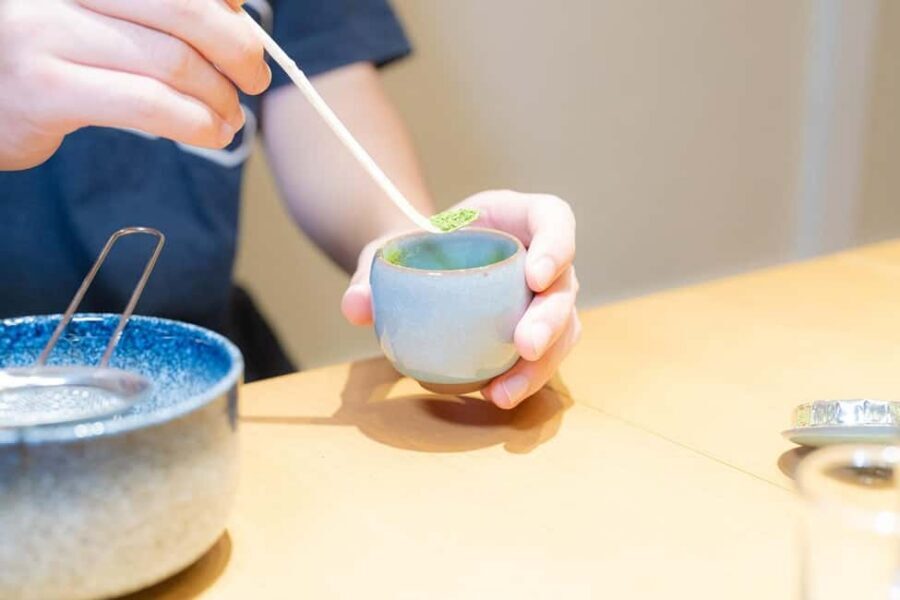
You’ll hear about the history and background of the tea ceremony from a local teacher. The goal isn’t to dump dates on you; it’s to explain what this tradition represents and why the ceremony developed the way it did.
You’ll likely connect the story to what you’re doing right now. When you understand the tradition’s purpose—ritual, respect, and calm—you’ll feel less like you’re performing and more like you’re participating.
This also gives the experience more weight. Tea turns from a drink you order to a practice you understand.
Photos During The Session (So You Remember the Small Stuff)
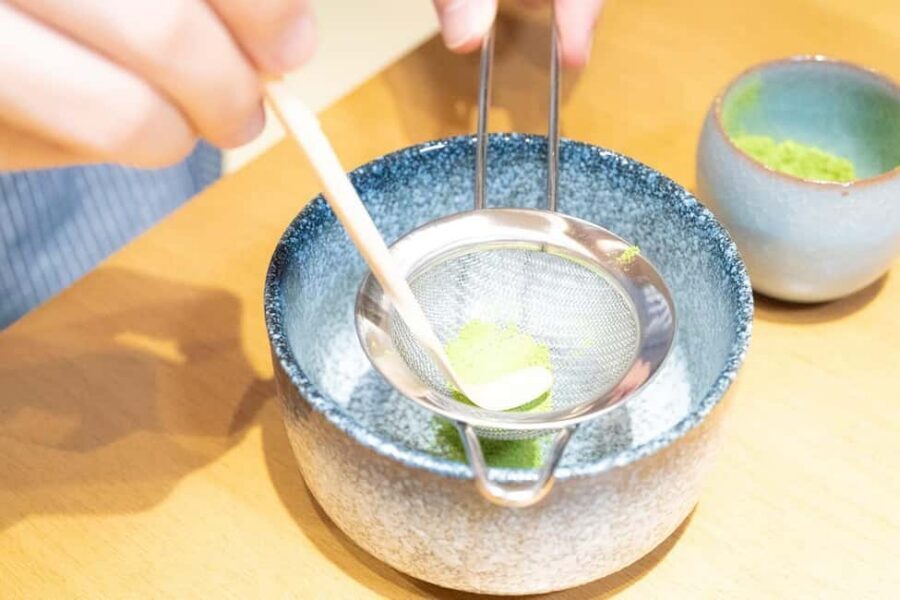
You’ll get photos during the experience. That’s handy because tea ceremony details are easy to forget after you leave—especially the hands-on parts and the presentation.
I like this because it reduces the pressure to document every second while you’re supposed to be mindful. You can focus on learning and tasting, and still have something to look back on.
Price and Value: Is $30 for One Hour Fair?
At $30 per person for a 1-hour experience, you’re paying for three things: guided instruction, hands-on making, and structured tasting. If you tried to do matcha lessons on your own, you’d likely spend time figuring out tools, ingredients, and what to pay attention to.
For many people, the best value is the combination. You get matcha making, tasting comparisons of multiple teas, and cultural context in the same session. It’s not a long workshop, but it’s also not a quick drop-in where you only watch.
So is it worth it? If you want a first real look at Japanese tea culture—without weeks of practice—yes. You’re paying to walk away with practical knowledge you can use immediately.
Who This Matcha Ceremony Fits Best
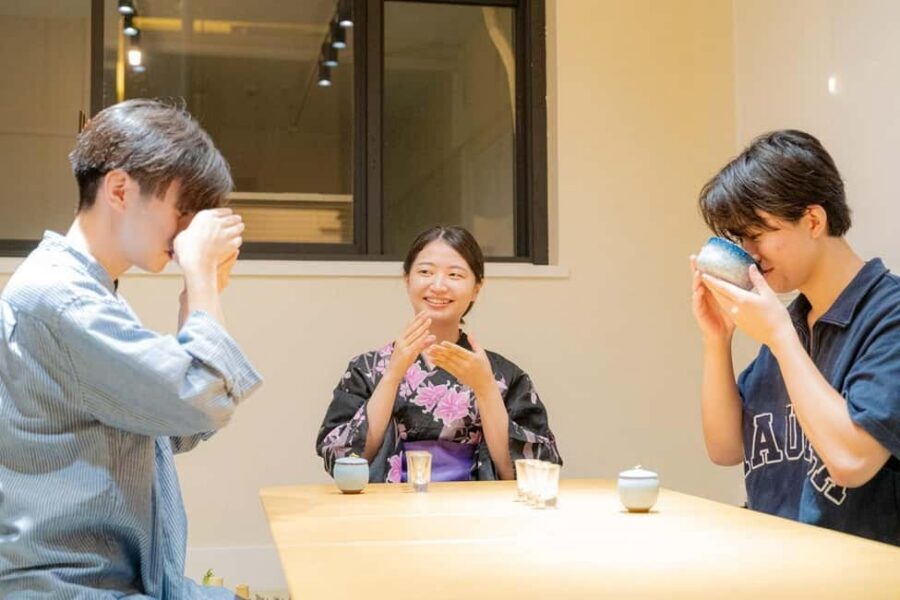
This is a strong fit if you want something that’s:
- Hands-on and not purely observational
- Clear for first-timers, with English guidance
- Calm and culturally focused, not just another “see Tokyo” activity
It’s also a good match if you’re in Shibuya and want a break from the noise. A tea ceremony gives you a reset—quiet attention, polite movements, and a chance to slow your day down.
If you’re looking for a full-day, highly technical training program, this one-hour format might feel short. But for most visitors, it lands in the sweet spot.
Should You Book This Tokyo Matcha Tea Ceremony?
I’d book it if you want your Tokyo trip to include a practice, not just a photo. You’ll leave knowing how to make matcha, how to serve with basic manners, and what to notice when comparing Japanese teas.
Do it especially if you value structure and guidance. With a small group limit and English instruction, you’re set up to learn instead of guessing, and the teacher support (like the praised host’s preparation and English) is a major part of the appeal.
If you’re curious about Japanese culture and you like experiences that feel calm and intentional, this one is a solid choice.
FAQ
Where is the meeting point?
You’ll meet the instructor standing in front of the Okazaki Building’s entrance. There is a vending machine next to it.
How long does the matcha tea ceremony last?
The experience lasts 1 hour.
How much does it cost?
The price is $30 per person.
Is the instructor able to teach in English?
Yes. The instructor is listed as English-speaking.
What group size is this experience?
It’s a small group limited to 10 participants.
Is the experience wheelchair accessible?
Yes, it is wheelchair accessible.
Do I make my own matcha?
Yes. You’ll be guided step-by-step to make your own matcha.
What is included with the experience?
It includes 1-hour expert guidance, tea ceremony tools, best selections of tea leaves, and a little sweet snack.
Are photos included?
Yes. Photos are taken during the experience and shared at the end.
Is there free cancellation and a pay-later option?
You can cancel up to 24 hours in advance for a full refund. You can also reserve now and pay later, meaning you pay nothing today.