REVIEW · TOKYO
Tokyo Asakusa: Food Sample Making Workshop
Book on GetYourGuide →Operated by Food Sample Making Cafe Inc. · Bookable on GetYourGuide
Food samples, but you make them.
In Asakusa, this hands-on workshop turns everyday Japanese comfort food into a realistic replica you’ll take home. You pick the dish first, then craft it yourself with guidance, and the experience is built around that fun contrast: your creation next to the real thing.
I especially like the choice of dishes (omelette rice, spaghetti with meat sauce, crepe, or jelly parfait) and the chance to personalize details like shapes or little touches with food-safe materials. If you opt for the meal, you also get a built-in payoff: you eat a real dish that’s meant to look identical to what you made, so it’s naturally photo-friendly.
One consideration: it’s not a kid activity for the very young. The workshop is not suitable for children under 5, and the steps require focus, steady hands, and patience.
In This Review
- Key things that make this workshop fun
- Finding the Food Sample Making Cafe in Asakusa
- Pick Your Dish: Omelette Rice, Spaghetti, Crepe, or Jelly Parfait
- How the workshop works: making your realistic food sample replica
- Optional meal: eating the matching dish and making side-by-side photos
- Duration and pace: what 1 hour vs 1.5 hours feels like
- Price and value: is $39 worth it?
- Tips to get a great souvenir (and avoid common letdowns)
- Who should book this workshop in Asakusa
- Should you book this Tokyo Asakusa Food Sample Making Workshop?
- FAQ
- How long is the workshop?
- What food samples can I make?
- Do I get to eat the real food after making the sample?
- Who can guide me during the workshop?
- Can I take my creation home?
- Is this suitable for young children?
Key things that make this workshop fun
- You choose your dish first, then build the replica from there
- Personal touches are encouraged, like writing a name in ketchup on an omelet
- Materials and staff guidance are included, so you’re not figuring it out alone
- Optional matching meal means you can compare replica vs real dish
- Omelette vs spaghetti have different difficulty levels, with spaghetti described as more involved
- You take home a realistic souvenir, not just a photo
Finding the Food Sample Making Cafe in Asakusa
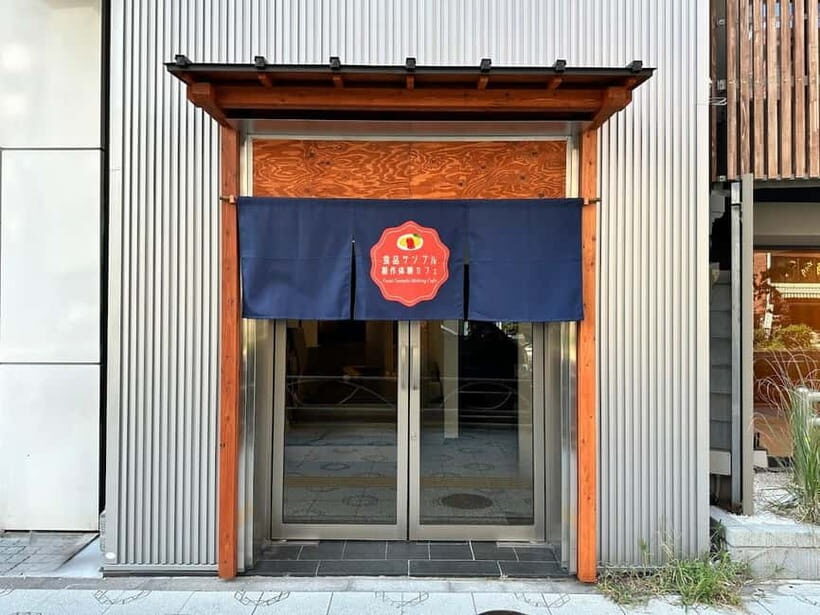
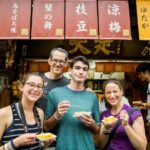
Your main job is to find the right storefront on the street. Look for the noren curtain (the storefront fabric) that says Food Sample Making Cafe, then step inside. The entrance faces the main street, so you don’t have to hunt around side alleys.
Once you’re inside, the workshop part feels focused and simple: you’re there for one goal—make your own food sample. That makes it a good stop even if you’re juggling a day of sightseeing, because you know exactly what you’ll be doing once you arrive.
You can also read our reviews of more food & drink experiences in Tokyo
Pick Your Dish: Omelette Rice, Spaghetti, Crepe, or Jelly Parfait
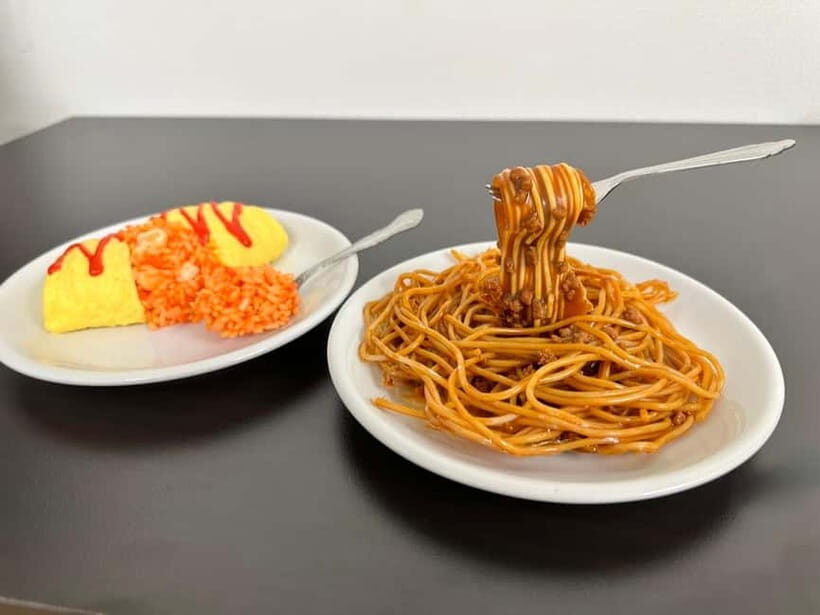
Choosing your dish is part of the fun, because these aren’t just “themes.” Each option has a different texture and look, which affects how your replica turns out and how satisfying it is to personalize.
Here’s what you can make:
- Omelette rice
- Spaghetti with meat sauce
- Crepe
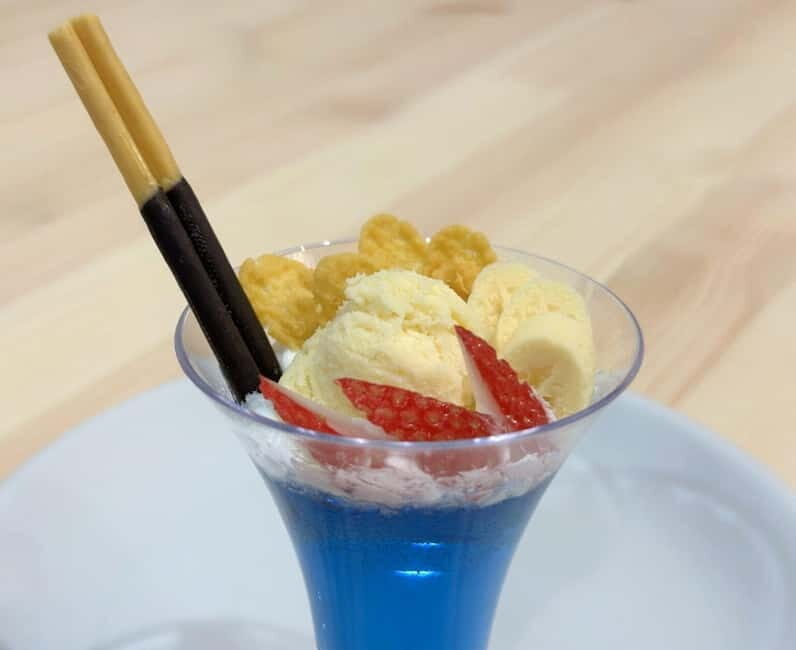
- Jelly parfait
The omelette rice route tends to be the easiest entry point. One helpful detail: the omelette part is described as already made, and you focus on the filling.
Spaghetti with meat sauce is more involved. If you like hands-on work and don’t mind a bit more precision, this is the one that rewards you. The workshop also leans into the theme of using chopsticks, so you can make your replica feel playful rather than only technical.
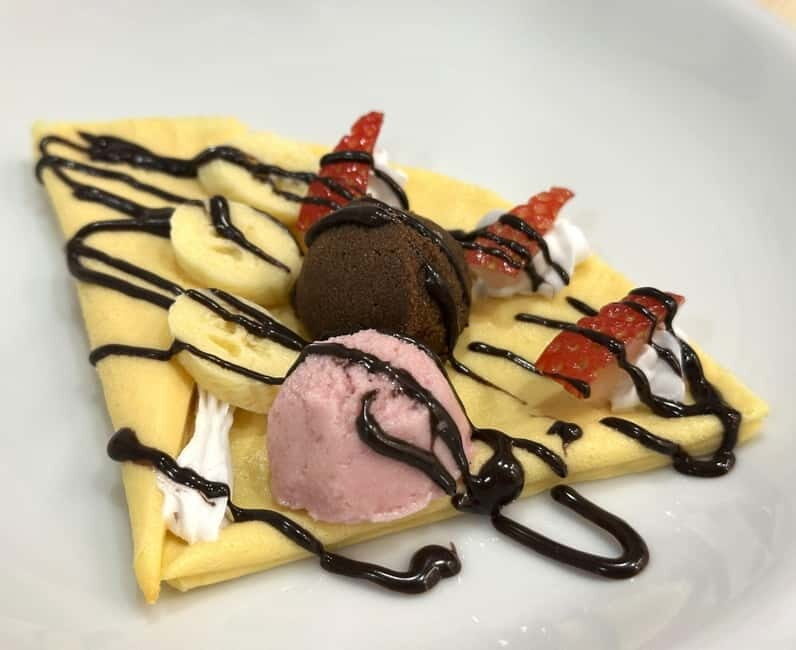
For crepe and jelly parfait, the appeal is mostly visual. You can treat it like a mini design project—shapes, presentation, and those small details that make the final replica feel like yours.
How the workshop works: making your realistic food sample replica
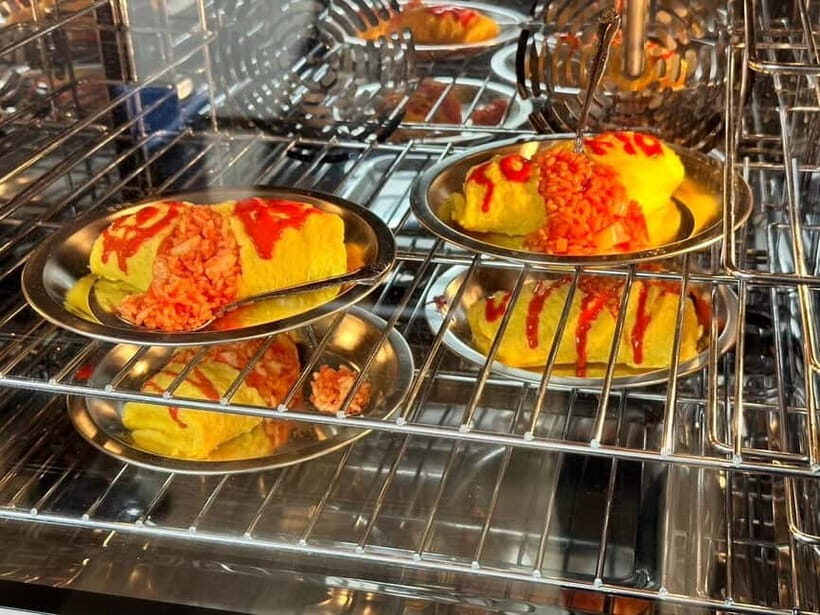
The structure is straightforward. You start by selecting your dish, then the staff provides guidance while you build a realistic food replica using the provided materials. The workshop’s whole point is that you’re creating something that looks like the foods you’d normally see behind Japanese counters.
What you’ll be doing in practice:
- You’ll craft a detailed replica of your chosen dish.
- You’ll add personal touches while you work.
- You’ll get help from staff if you get stuck.
The personalization ideas are not vague. They’re concrete and easy to picture, like:
- writing your name in ketchup on the omelet
- lifting the spaghetti with chopsticks
- creating your own shape or design so it looks like your version, not a generic product
That “mini-artist” side is a big reason this feels better than a basic craft class. You’re not just assembling. You’re staging a food moment in a way that looks convincing.
Also, your instructor can speak English and Japanese, which matters if you want to understand the steps rather than just follow motions. Even when English is limited, the instructions are set up to be understandable, so you’re not left completely guessing.
Optional meal: eating the matching dish and making side-by-side photos
If you want the most memorable version of this workshop, choose the meal option. When you do, the payoff is practical and instant: you’ll eat a real dish that’s designed to look like the food sample you made.
That means you get an experience with two layers:
- You craft a replica with your hands.
- You sit down with the real plate that matches it, so you can compare details.
It’s also naturally fun for photos and video. The experience encourages side-by-side pictures—think you holding the sample while your real meal sits nearby—and even playful pretend-eating shots.
This is one of the highest-value parts of the concept because it turns a souvenir activity into a full food moment. Instead of leaving with something pretty and sealed away, you get to connect it to an actual meal.
If you’re the type who likes food, you’ll appreciate the honesty of this setup: you don’t just make it; you taste the real version too.
Duration and pace: what 1 hour vs 1.5 hours feels like
The workshop timing depends on whether you add the meal.
- About 1 hour without the meal option
- About 1.5 hours with the meal option
So you’re basically choosing between:
- a shorter hands-on souvenir session, or
- a longer experience that combines making plus dining
In real terms, the difference isn’t just extra time. The meal option adds a second activity block, and it also gives you more chances to enjoy the theme and take photos with a real plate in the frame.
Either way, plan to stay present. This isn’t a “walk in and out” task. If you want the replica to look good, you’ll benefit from taking your time and not rushing the details.
A few more Tokyo tours and experiences worth a look

Price and value: is $39 worth it?
At $39 per person, the value depends on which version you choose.
Here’s what the price covers:
- the food sample making experience
- materials for crafting your replica
- guidance from staff
- and, if you select it, a real meal that matches your sample
If you skip the meal option, $39 is still paying for a guided craft activity plus take-home materials and the souvenir itself. That’s often a fair trade when you factor in that you’re not just watching—you’re actively making something detailed and realistic.
If you add the meal option, the value typically looks better. You’re getting the workshop experience plus you’re eating the corresponding real dish. In other words, you’re paying for the privilege of doing the craft and turning it into a full food moment.
One practical way to decide: if your Tokyo day already includes a full meal plan, you might lean toward the shorter option. If you want this to be the highlight tied directly to dinner, pick the meal option and enjoy the compare-and-contrast payoff.
Tips to get a great souvenir (and avoid common letdowns)
You’ll have the best results if you treat it like a design project, not a race. A few smart moves based on how the workshop is described:
- Choose a dish you’ll actually enjoy eating. If you pick omelette rice, spaghetti, crepe, or jelly parfait, you’re leaning into the theme of Japanese snack culture, and the meal option makes it even more satisfying.
- Plan for personalization. The workshop explicitly supports adding touches like ketchup writing or your own shapes, so think before you start how you want it to look.
- If you’re doing spaghetti, be ready for more steps. It’s described as more involved, so don’t expect it to feel as quick as the omelette filling part.
- Go in with your photo plan in mind. The experience is built for side-by-side shots, so make space in your schedule for that moment at the end.
And don’t overthink perfection. The whole point is that it looks like a food sample, but it also reflects your choices.
Who should book this workshop in Asakusa
This is ideal if you like any combination of these:
- food as culture, not just fuel
- hands-on activities that produce a take-home result
- quirky Tokyo souvenirs that feel more special than a generic keychain
- photography moments that don’t require special locations
It’s also a nice fit if you’re already in Asakusa and want something different from temples and streets. This gives you a focused, indoor, practical experience that still feels very Japanese.
The one clear mismatch: it’s not suitable for children under 5. If you’re traveling with very small kids, it’s worth skipping unless you can confirm comfort with the age guideline.
If you want an experience that’s fun, structured, and tied to real food, this checks a lot of boxes without demanding much prior knowledge.
Should you book this Tokyo Asakusa Food Sample Making Workshop?
Yes, if you want a souvenir you’ll actually display and a food-themed activity that feels both creative and grounded in everyday Japanese culture. The option to eat a matching real dish is the big deciding factor for many people, because it turns a craft session into a full experience you can taste.
If your travel style is strictly sightseeing and you hate hands-on activities, you might prefer something more passive. But if you like making things with your hands, this is a rare type of workshop where the finished product isn’t just art—it’s a convincing replica tied to a real meal.
FAQ
How long is the workshop?
It takes about 1 hour without the meal option, and about 1.5 hours with the meal option.
What food samples can I make?
You can choose from omelette rice, spaghetti with meat sauce, crepe, or jelly parfait.
Do I get to eat the real food after making the sample?
If you select the dining option, you’ll enjoy a real meal that looks identical to the food sample you created.
Who can guide me during the workshop?
Staff guidance is included, and the instructor can speak English and Japanese.
Can I take my creation home?
Yes. You’ll take home your handmade realistic food replica as a souvenir.
Is this suitable for young children?
No. The experience is not suitable for children under 5 years old.