REVIEW · KYOTO
Kyoto Early Morning E Biking Tour Fushimi Inari Kiyomizu Temple
Book on Viator →Operated by GuideMe Japan · Bookable on Viator
Morning Kyoto feels like a head start. You get an early e-bike ride that helps you beat the busiest sightseeing hours, then you still hit three top names: Fushimi Inari-taisha, Sanjusangendo, and Kiyomizu-dera. I especially liked the fact that the e-bike is provided and you don’t waste time hunting rental shops, and I also liked that temple admission is part of the package. One thing to consider: the early start means you should plan for a slightly rushed morning, and you may want to verify admission details ahead of time since there’s been at least one mix-up reported.
This tour is built for limited time. You’re moving between hillside sights without turning your whole day into a slow walk-and-wait marathon. It runs about 5 hours, keeps the group small (max 8 people), and uses a mobile ticket, which helps you get going fast once you meet up.
In This Review
- Key highlights I’d plan around
- Early Kyoto: why this route works so well
- Price and what you really get for $67.41
- Meeting point at Kyoto Station: easy to find, easy to start
- Fushimi Inari-taisha at first light: gates, paths, and better photos
- Sanjusangendo Temple: 1,000 Kannon statues and what to look for
- Kiyomizu-dera: hillside views without the full-city scramble
- The e-bike experience: comfortable uphill power, real walking still
- Guide quality: English storytelling and photo help
- What’s included, what’s not, and how to prep
- Best for: who this tour fits best
- Should you book this Kyoto early e-bike tour?
- FAQ
- How long is the Kyoto early morning e-bike tour?
- What does the tour cost?
- What stops are included?
- Are temple admission fees included?
- Is the e-bike provided?
- Is there an English-speaking guide?
- What is the meeting point location?
- How many people are in the group?
- Are food and drinks included?
- What happens if weather is bad?
- What is the cancellation policy?
Key highlights I’d plan around
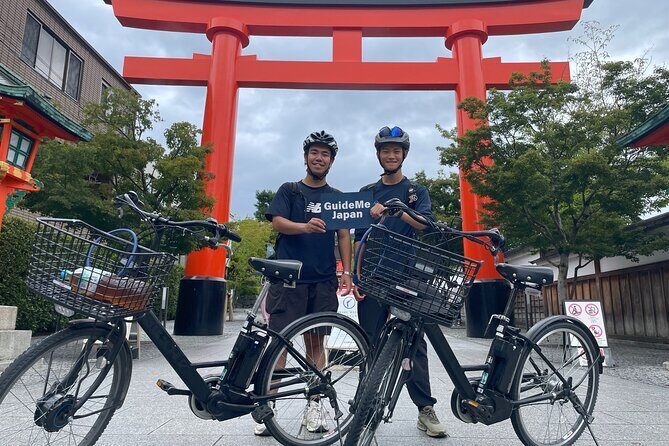
- Early start to avoid crowds: more breathing room at the shrine gates and temple viewpoints
- No e-bike logistics: you show up and ride, with the bike included
- Temple admissions included: saves time and ticket-line headaches
- English-speaking guide: story-driven sightseeing, not just sign-reading
- Hills handled with assist: e-bikes help you keep energy for the walking parts
Early Kyoto: why this route works so well
If you’ve ever done Kyoto mid-day, you know the rhythm: lines, heat, packed sidewalks, and the constant feeling that you’re moving sideways instead of forward. This tour flips that. Going early means the famous spots start the day with fewer people, and the atmosphere feels calmer, especially around the long shrine approaches.
What I like about using an e-bike here is practical. Kyoto’s “must-sees” don’t always cluster neatly in flat neighborhoods. With motor assist, you can cover distance and tackle slopes without arriving wiped out. That matters because the real experience is what you do once you get off the bike: walking the grounds, looking up close at architecture, and taking your time for photos.
Also, the pacing is clear. You’re not asked to sprint. Each stop is given time to actually look, not just pass through.
You can also read our reviews of more cycling tours in Kyoto


Price and what you really get for $67.41
At $67.41 per person for about 5 hours, this doesn’t feel like a bargain in the “cheap seats” way. It’s priced more like a shortcut: you pay for time saved, guide support, and the included bike.
Here’s what you’re getting that can make the price feel fair:
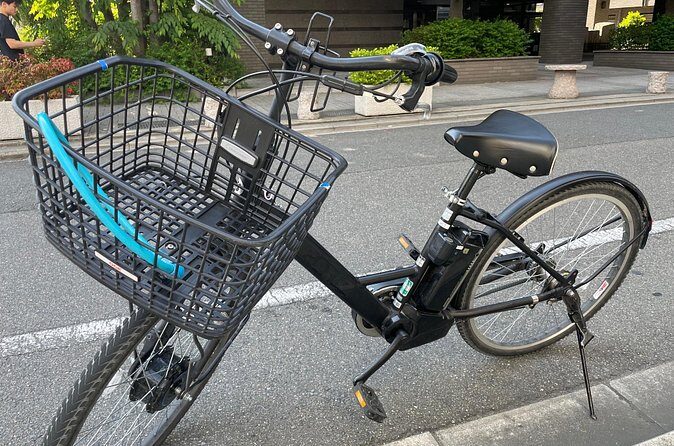
- E-bike included: you don’t pay extra or spend time coordinating rentals
- English-speaking guide: you’re not left to guess what to notice at each site
- Temple admissions included: you’re not juggling separate tickets or lines
- Small group size (max 8 people): less waiting, easier to hear instructions
The main “gotcha” to watch is admissions clarity. One person reported paying at the temples despite the advertised free admission language. That doesn’t mean the tour is wrong every time, but it is a reminder: when it matters, confirm what your ticket covers before you arrive. A quick check with the operator at booking time can save stress.
Meeting point at Kyoto Station: easy to find, easy to start
The meet-up is at JR-Central Ticket Office, Kyoto Station Shinkansen Hachijo Entrance, on the 1st floor. The address listed is in Kyoto Station’s Shimogyo Ward area.
Why this is smart: if you’re already using Kyoto Station for your base, you can start without a half-day detour. And since the tour ends back at the meeting point, you don’t get stuck figuring out how to return to your hotel after a big morning.
Bring what you’d normally bring for early sightseeing: a light layer, water (even though food and drinks aren’t included), and comfortable shoes for the walking segments.
Fushimi Inari-taisha at first light: gates, paths, and better photos
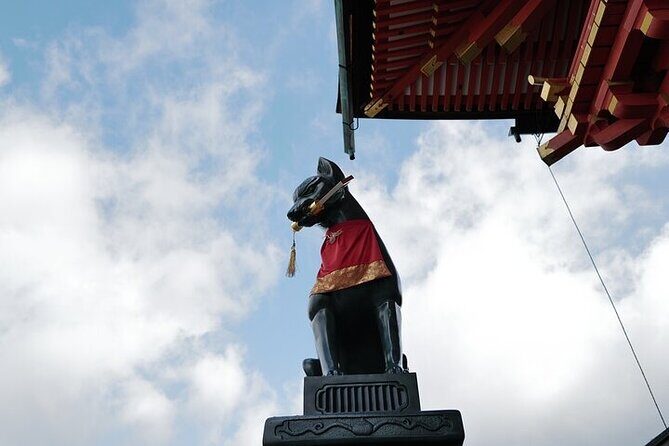
Your morning starts at Fushimi Inari-taisha Shrine, famous for its thousands of red torii gates. Going early changes the feel immediately. The gates can get intensely crowded later in the day, where photos turn into a game of timing and shoulder-to-shoulder negotiating.
Here you get a calmer approach to the shrine paths. It’s still active and visually dramatic, but you’re not stuck behind tour groups doing synchronized stops. I also like that you’re able to look up and take in the rhythm of the gates as you move through the corridor-like atmosphere.
This stop lasts about 1 hour. That’s enough time to see the main gate-lined areas, soak in the atmosphere, and still be ready to continue.
A practical tip: if you care about photos, watch for the moments where the light hits the red gates evenly. Early morning tends to give you more forgiving conditions than harsh midday glare.
Sanjusangendo Temple: 1,000 Kannon statues and what to look for
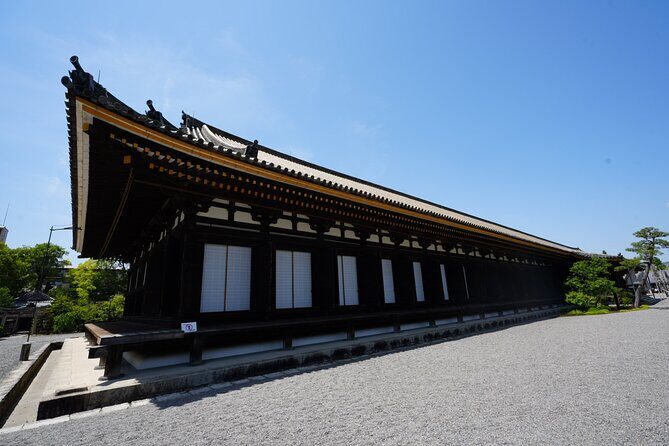
Next you’ll visit Sanjusangendo Temple, known for its hall filled with 1,000 statues of Kannon, the goddess of mercy. This isn’t the kind of sight you fully appreciate if you rush. The value here is in slowing down enough to notice how the figures are arranged and how the space feels inside.
This stop is also about 1 hour. You’ll have time to enter, focus your attention, and let your eyes adjust to the scale. What I like about starting with Fushimi Inari and then moving into a more contained indoor hall is contrast: you shift from open red-gate corridors to a structured, reverent interior.
Even if you’re not a temple “type,” this one lands. The sheer number of statues is the headline, but the real payoff is how the room organizes your attention. If you like art and craftsmanship, you’ll probably want extra minutes here.
A few more Kyoto tours and experiences worth a look

Kiyomizu-dera: hillside views without the full-city scramble
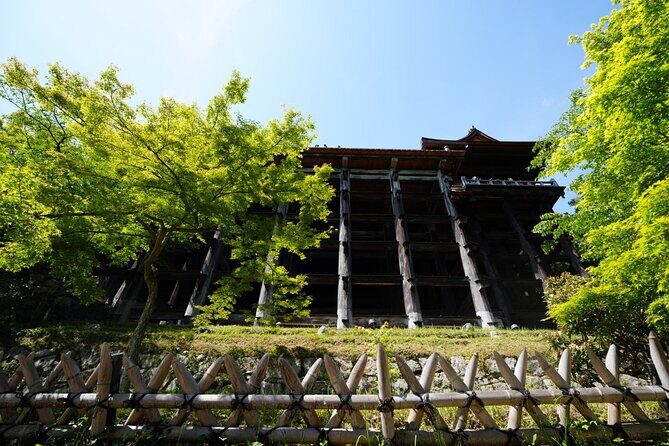
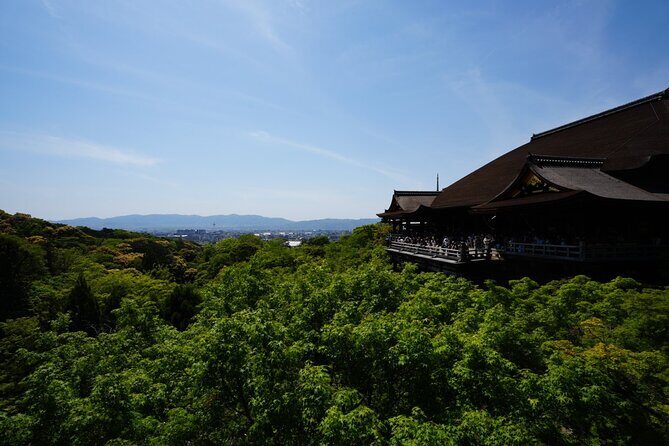
The tour’s third major stop is Kiyomizu-dera Temple, a hillside site in eastern Kyoto with classic views over the city and surrounding areas. This is one of those temples where your perspective matters. From the approaches you get a sense of the complex layout, and once you’re in position you can appreciate why people come for the scenery as much as the architecture.
You’ll have about 1 hour for this stop. That time can feel short if you’re the type who likes to read every sign, but it’s a realistic window when the rest of the tour also needs to happen. The e-bike element helps here: you arrive feeling capable of enjoying the walking and looking, rather than dragging yourself in after a long bus ride.
A detail that’s been highlighted by guides on this route is the photo-friendly experience around the scenery and key sightlines near the well-known areas like Senbon Torii connections in the broader Inari experience. Your guide’s job is to help you not just see the landmark, but understand where to stand, what angle to try, and why the spot is famous.
If you’re hoping for photos with fewer distractions, aiming for Kiyomizu-dera earlier in the day is the right idea. You’re still in Kyoto’s most popular zone, but your timing is smarter.
The e-bike experience: comfortable uphill power, real walking still
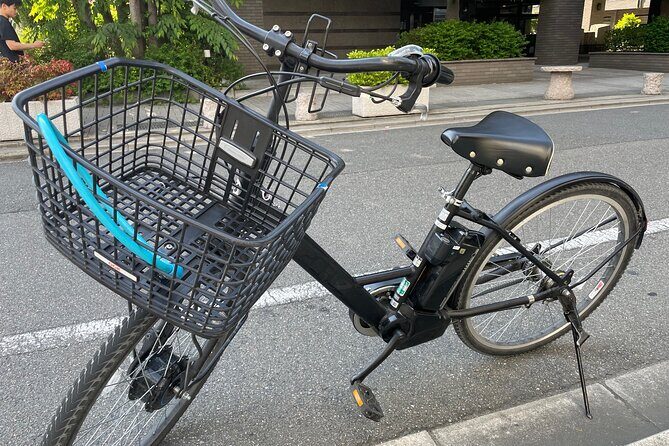
E-bikes change how you experience a city like Kyoto. They don’t eliminate the need to walk, but they prevent the “I’m tired before I even start” problem. You’ll still spend time on foot at each temple and shrine, but between them you can keep momentum.
Here’s what to expect physically:
- You should have moderate physical fitness
- There are hills and uneven terrain around temple areas, even with assist
- You’ll feel more comfortable if you’re used to short to medium walks
Because your group is small (max 8 people), the guide can typically manage the pace without big stop-and-go delays.
Also, remember that e-bikes are not magic carpets. Go at an easy, controlled speed, keep your balance on turns, and follow guide instructions. If you treat it like a regular bike with an assist boost, you’ll enjoy the ride more.
Guide quality: English storytelling and photo help
One of the biggest reasons this tour earns such high praise is the guide experience. Names like Rin and Hiro have been associated with this kind of tour, and the theme is consistent: guides focus on context and practical sight help, not just a list of facts.
Rin has been described as a guide who shares history in a way that helps the sights make sense, and also a good photographer who can help you get better pictures at the major stops. Hiro has been described as personable and informative, which matters because early morning tours can feel mechanical if the guide is dry.
Even if you don’t plan on asking many questions, a strong guide changes how you look at everything—especially at places like Sanjusangendo, where your first instinct might be to stare at statues without understanding what you’re seeing.
What’s included, what’s not, and how to prep
Included
- English-speaking guide
- E-bike
- Admission fees for the temples on the route
Not included
- Food and drinks
That last point matters more than you might think. A 5-hour morning tour can run longer than you expect if you stop for photos. I’d plan to bring water and consider a small breakfast before you go. If you like, you can also bring a snack for later, since you’ll likely finish back at the meeting point ready to eat.
Also, because this uses a mobile ticket, keep your phone charged and ready. Download anything you need before you head out.
Best for: who this tour fits best
This is a good match if you:
- Want to see multiple Kyoto icons in one morning
- Prefer less crowding at the start of the day
- Don’t want to handle e-bike rental logistics yourself
- Are okay with moderate walking at temples and shrine grounds
It’s especially strong for people who want a structured route with a guide—rather than piecing together separate rides and ticket lines.
It may be less satisfying if you:
- Want a slow, unplanned day with lots of extra time at each stop
- Hate early mornings and aren’t willing to start early
- Expect absolutely zero chance of costs beyond the tour price (double-check admissions coverage to be safe)
Should you book this Kyoto early e-bike tour?
If your priority is efficient, high-impact sightseeing, I’d strongly consider booking. The combination of early timing, e-bike convenience, and temple admissions included is exactly the kind of value that turns a short visit into a memorable one. The small group size and guide support also help it feel personal instead of chaotic.
My main caution is not the tour itself—it’s uncertainty around admissions. Because at least one person reported paying at the temples despite the free-admission wording, I’d verify the details at booking so you walk in confident.
If you want a smart Kyoto morning—Fushimi Inari red gates, Sanjusangendo’s 1,000 Kannon statues, and Kiyomizu-dera’s hillside views—this is one of the cleaner ways to do it without spending your day stuck in lines.
FAQ
How long is the Kyoto early morning e-bike tour?
It runs for about 5 hours (approx.).
What does the tour cost?
The price listed is $67.41 per person.
What stops are included?
The tour visits Fushimi Inari-taisha Shrine, Sanjusangendo Temple, and Kiyomizu-dera Temple.
Are temple admission fees included?
Admission fees for the temples on the route are included.
Is the e-bike provided?
Yes. An e-bike is included, so you do not need to arrange a rental.
Is there an English-speaking guide?
Yes. The tour includes an English-speaking guide.
What is the meeting point location?
You meet at JR-Central Ticket Office, Kyoto Station Shinkansen Hachijo Entrance, Japan, 600-8215 Kyoto, Shimogyo Ward (on the 1st floor).
How many people are in the group?
The tour has a maximum group size of 8 people.
Are food and drinks included?
No. Food and drinks are not included.
What happens if weather is bad?
This experience requires good weather. If it’s canceled due to poor weather, you’ll be offered a different date or a full refund.
What is the cancellation policy?
Free cancellation is available up to 24 hours in advance for a full refund.