REVIEW · KYOTO
Authentic Tea Ceremony & Sushi in The Museum of Kyoto
Book on GetYourGuide →Operated by ideal co.,ltd · Bookable on GetYourGuide
Kyoto can be loud. This experience slows everything down. You get master-chef sushi made for you, then chanoyu in near-silent calm, guided step by step. I especially like the way the meal and the tea ceremony are paced as one complete mood. The main thing to consider is dietary: this experience includes sushi, so it’s not suitable for vegans or vegetarians.
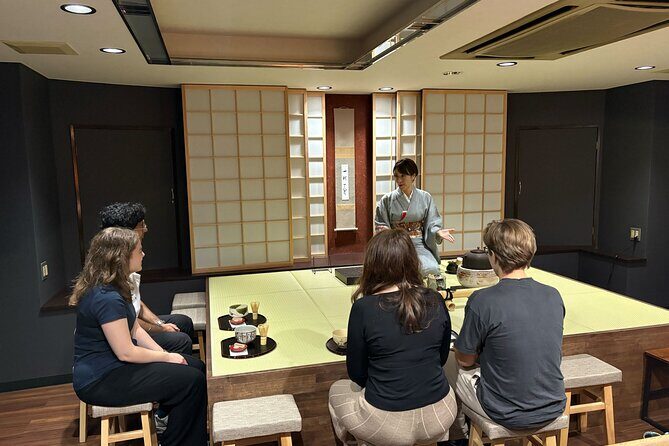
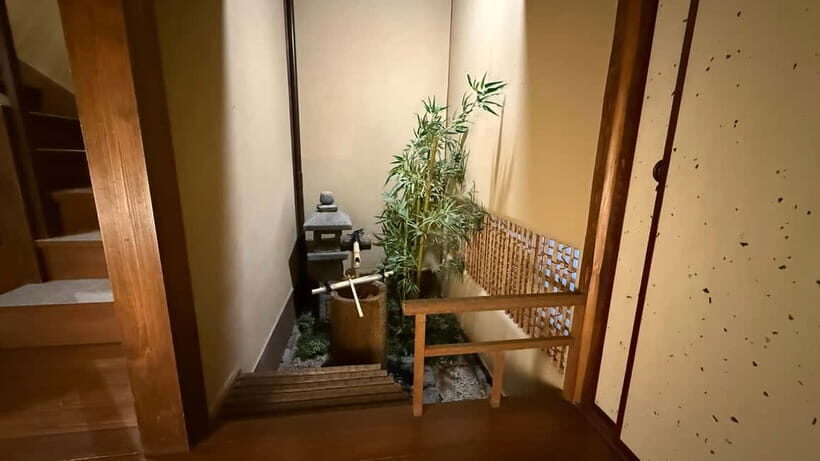
I also like the hands-on part of matcha—after the utensil talk, you whisk your own bowl and taste it with traditional sweets. The setting helps too: you move into a traditional Japanese house on the basement floor with a view of a carefully designed garden. If you’re traveling with allergies, plan ahead because they ask you to inform them in advance.
In This Review
- Key highlights at a glance
- Tea and sushi in the Museum of Kyoto: what makes it work
- Sushi Shin’s master chef: why the prep style matters
- Moving into an Edo-period style house on the basement floor
- Chanoyu explanation + utensil learning that’s actually usable
- The matcha moment: rare tea, kyoto sweets, and you whisking
- Wearing a haori: why the costume is more than a photo prop
- Timing tip: choose 11:00 or 13:30 based on your hunger and your mood
- What’s included: the concrete list you can count on
- Price and value: is $133 per person worth it?
- Who should book this, and who should skip it
- Practical notes before you go (so the day runs smoothly)
- Should you book this Kyoto tea ceremony and sushi?
- FAQ
- Where does the experience start?
- What time does sushi get served in each session?
- What is included in the tea ceremony portion?
- Do I wear traditional clothing?
- What languages is the experience offered in?
- Is this experience suitable for vegans or vegetarians?
- Are there age restrictions?
- What should I do if I have allergies?
- Can I reserve without paying right away?
- Is there a cancellation window?
Key highlights at a glance
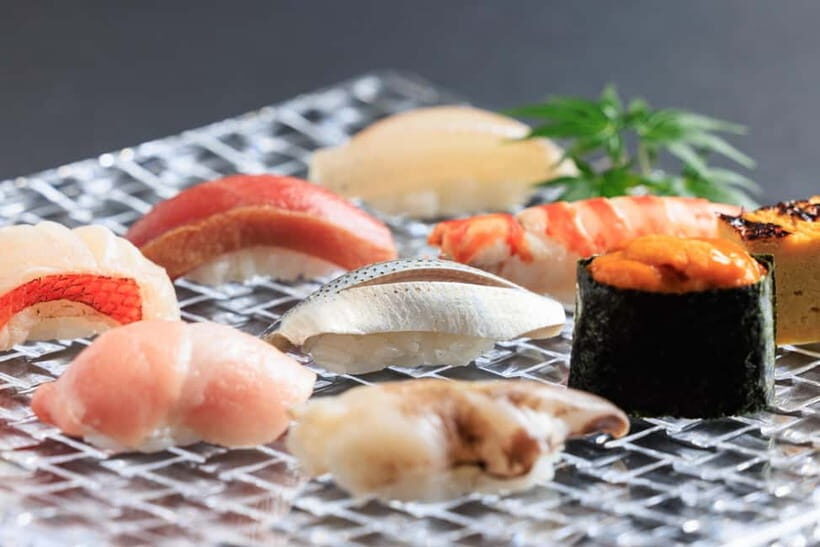
- Sushi prepared by a master chef in a restaurant setting inside The Museum of Kyoto
- Tea ceremony in an Edo-period style house, with a garden view
- You whisk your own matcha and learn what the utensils mean in chanoyu
- Kyoto sweets paired with premium matcha for a proper taste match
- Traditional haori included, so you dress the part during the ceremony
- Two session timings where sushi order changes between 11:00 and 13:30
Tea and sushi in the Museum of Kyoto: what makes it work
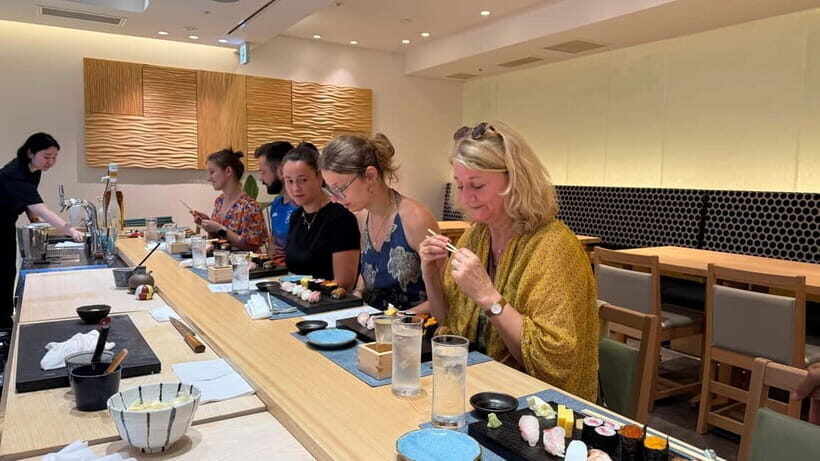
This is a Kyoto “taste + tradition” combo that actually feels like one experience, not two separate activities glued together. The flow matters. You start at a sushi restaurant inside The Museum of Kyoto, then move down into a traditional-style space for tea. That shift—bright, savory sushi energy to quiet, deliberate tea—changes your whole pace.
I love experiences like this because they teach you something useful without turning it into a lecture. You’ll hear the history and culture behind chanoyu, but you’ll also use the tools. You’ll see the garden view while you’re learning, which helps the ideas stick.
The value here is partly practical: you’re fed, guided, and given the exact cultural elements most visitors skim over. If you want Kyoto beyond temples and photos, this is the kind of stop that makes the city feel personal.
You can also read our reviews of more museum experiences in Kyoto

Sushi Shin’s master chef: why the prep style matters
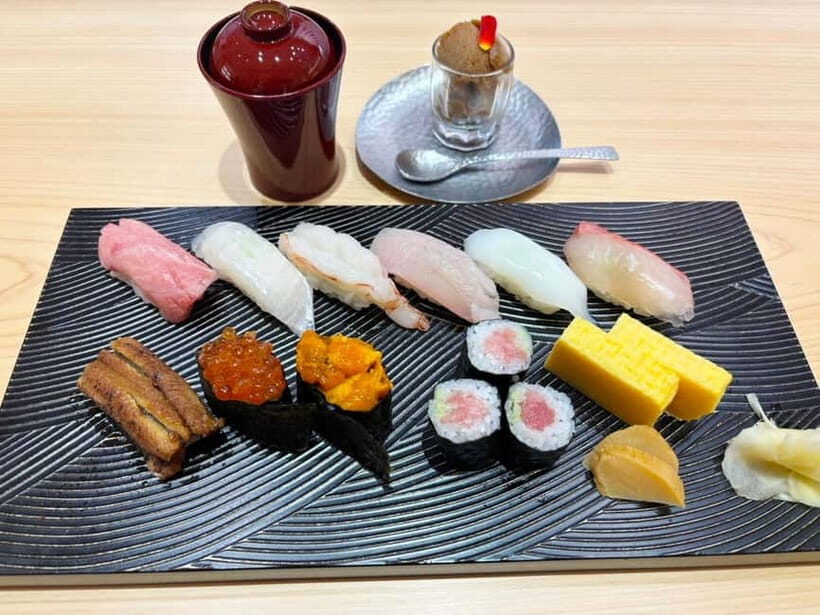
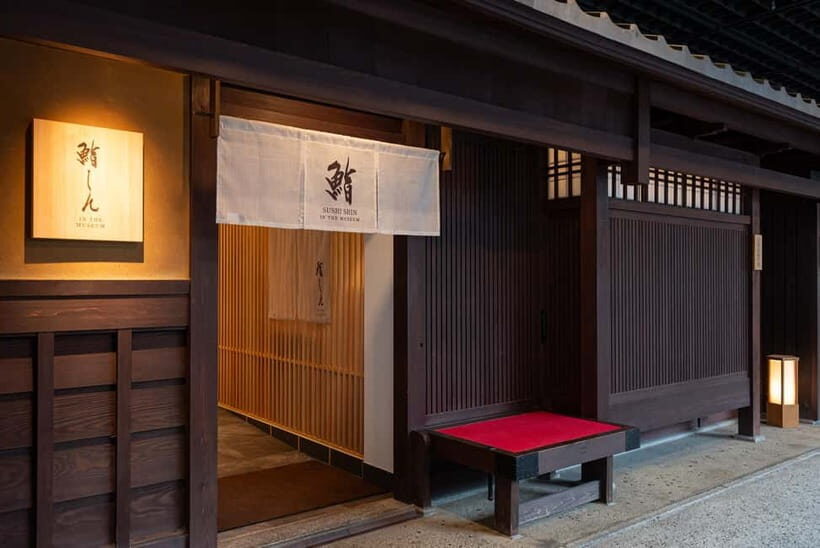
Your experience begins at the sushi restaurant sushi Shin in the Museum inside The Museum of Kyoto. The big deal is that the sushi is crafted by a skilled master chef with years of training, and it’s prepared in a way you can see.
That matters more than people expect. When sushi is made in front of you, you don’t just eat; you understand the sequence—how the chef approaches the ingredients and the final presentation. It’s a small detail, but it changes your attention from taste only to taste plus technique.
Here’s another practical point: the sushi order depends on your session time. For the 11:00 session, the sushi is served at the end. For the 13:30 session, the sushi is served at the beginning. Either way, you’ll still get the same core ingredients and experience structure—you just change which half you feel first.
If you’re the type who gets hungry fast, you’ll probably prefer the 13:30 session because sushi comes first. If you love starting with tea calm and then finishing with food, 11:00 might feel more satisfying.
Moving into an Edo-period style house on the basement floor
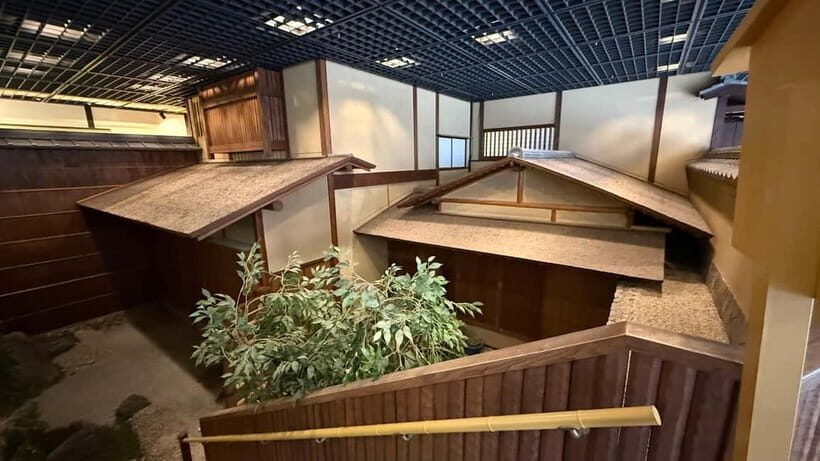
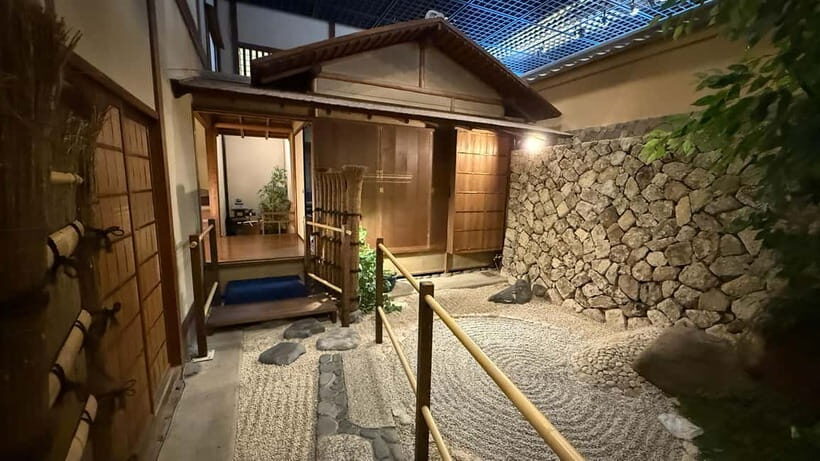
After sushi begins the day (or ends it, depending on your slot), you’re guided to a traditional Japanese house on the basement floor. This isn’t just décor. You’ll be in a space that’s meant to evoke the atmosphere of the Edo period, and there’s a meticulously designed miniature garden you can view from within.
That garden view is more than pretty. It gives your mind a “rest point” while the guide explains the ceremony. In tea culture, what you see matters because it helps you slow down and pay attention. Even if you’re not familiar with Japanese etiquette, the room nudges you toward it.
This is also one of the most praised parts of the experience: the ceremony feels peaceful, and the setting supports that quiet focus. When something is this calm, it can be the difference between rushing and actually noticing.
Chanoyu explanation + utensil learning that’s actually usable
You’ll be introduced to the traditional tea utensils used in the ceremony. They also share a brief history and cultural origins of chanoyu—enough context to help the ritual make sense without drowning you in details.
The practical benefit is that it sets you up for the action part. When you whisk matcha on your own later, you’re not guessing. You understand what the tools are for and why the ceremony is designed the way it is.
I appreciate this approach because it avoids the common problem with cultural experiences: you either get a performance with zero context, or you get a classroom session with no practice. Here, you get both—learning plus doing.
The matcha moment: rare tea, kyoto sweets, and you whisking
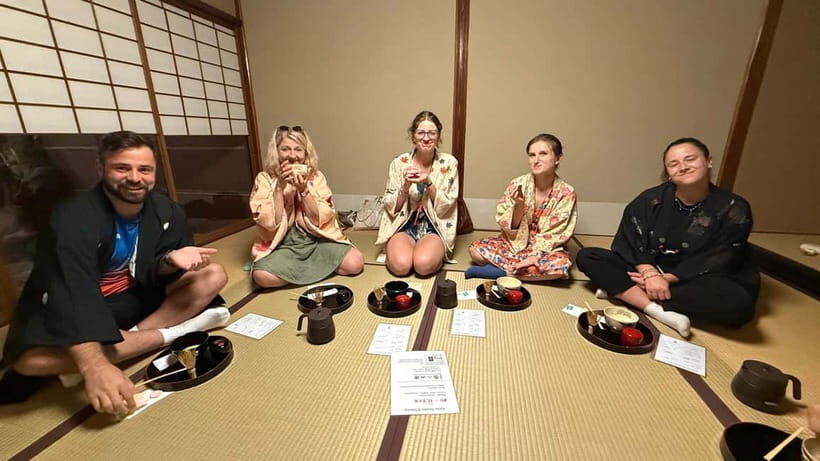
Matcha is the heart of the ceremony, and this one is built around quality. You’ll enjoy kyoto sweets and the finest matcha, including premium rare matcha that’s described as unlike anything you’ve tasted elsewhere.
Even if you usually drink matcha at home, this is the kind of step-up that changes how you taste. Better matcha often means a smoother, deeper flavor rather than the harsh, bitter edge you sometimes get from lower-quality powders. Pair that with traditional sweets, and your palate has something to balance against.
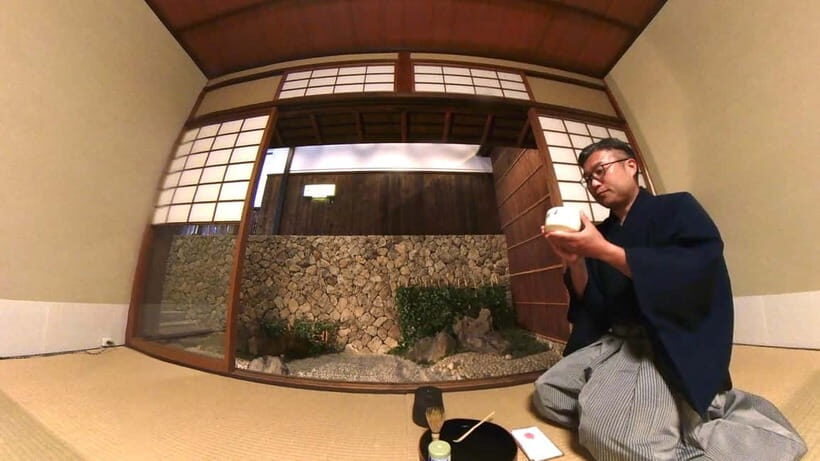
Then comes the best part if you like hands-on experiences: you whisk your own bowl of matcha. You enjoy it together after the guide walks you through what’s happening. This isn’t just dipping a spoon into a cup and moving on. It’s a small skill you can feel in your hands.
One more detail that shows up in the positive feedback: the matcha experience includes a chance to try it yourself after the explanation, and people consistently highlight that it’s high quality.




Wearing a haori: why the costume is more than a photo prop
You’ll wear a traditional haori (a kimono-style jacket). This is included, and it changes the tone of the experience. It signals that you’re stepping into a cultural space with rules and intention.
I like costumes that come with context. In this case, the haori isn’t separate from the ceremony—it’s part of the ceremony environment, so you feel the rhythm instead of treating it like a quick wardrobe swap.
Also, it’s a nice memory-maker. Just remember: the point isn’t a costume session. It’s support for the ritual.
Timing tip: choose 11:00 or 13:30 based on your hunger and your mood
The two session times are a simple but meaningful decision.
- 11:00 session: tea ceremony happens first, then sushi is served at the end.
- 13:30 session: sushi is served at the beginning, then you move into tea afterward.
If you want the quiet experience to set the tone and you don’t mind food later, go 11:00. If you’d rather start satisfied and then settle into matcha, go 13:30.
This choice is also helpful for planning your day. Kyoto can run on tight schedules. Picking the sequence that fits your energy level makes the rest of your trip feel easier.
What’s included: the concrete list you can count on
You’re not left guessing what’s part of the ticket. The experience includes:
- Wearing a traditional haori (kimono-style jacket)
- An introduction to the traditional Japanese tea utensils used in the ceremony
- A brief explanation of the history and cultural origins of chanoyu
- Viewing a meticulously crafted miniature garden
- Kyoto sweets and the finest matcha
And it includes sushi from the master chef at the start or end, depending on session time.
That combination is why the price can make sense for the right traveler. You’re paying for technique, instruction, and ingredients—plus the special setting inside The Museum of Kyoto.
Price and value: is $133 per person worth it?
At $133 per person, you’re paying for more than food. You’re paying for three things that usually cost extra in Japan if you do them separately:
- A chef-led sushi experience (with training behind it)
- A guided tea ceremony with utensil explanations
- Premium matcha and included sweets, plus traditional attire (the haori)
If your travel style is “one ticket, one memorable cultural block,” this is the kind of value that works. If you only care about eating matcha and taking photos, you could spend less elsewhere.
The best buyers are people who want a structured cultural moment in Kyoto, not a casual stop. If that sounds like you, the $133 price is easier to justify.
Who should book this, and who should skip it
This works best for adults and mature teens who enjoy food culture and etiquette-style experiences. The ceremony is quiet and guided, and you’ll be whisking matcha yourself, so you’ll get more out of it if you’re willing to slow down.
It’s not suitable for:
- Children under 10
- Vegans
- Vegetarians
- People over 95
So if your group includes vegan or vegetarian diners, plan something else. Also, if you’re traveling with very young kids, this may not be the right fit.
Practical notes before you go (so the day runs smoothly)
A few things to keep in mind:
- The experience includes allergies support only if you tell them in advance, so share allergy details before you arrive.
- Languages are English and Japanese, so you’ll be guided in one of those depending on availability.
- The experience starts at sushi Shin in the Museum inside The Museum of Kyoto and ends back at the meeting point.
There’s also a pay-later option. You can reserve and pay later, which helps if your Kyoto schedule is still in flux.
Should you book this Kyoto tea ceremony and sushi?
Book it if you want Kyoto culture that’s guided, hands-on, and built around taste. I’d especially recommend it if you care about fresh sushi made in front of you and you want a matcha experience that goes beyond cafeteria-level powder. The tea ceremony is a major part of why this works, and the way it’s explained plus the hands-on whisking is exactly what makes it feel memorable.
Skip it if your diet excludes sushi or you need an experience that works for vegans/vegetarians. Also skip if you’re traveling with someone outside the stated age fit.
If you’re aiming for one standout “Kyoto moment” that feels authentic and calm, this is a strong choice.
FAQ
Where does the experience start?
It starts at the sushi restaurant sushi Shin in the Museum inside The Museum of Kyoto.
What time does sushi get served in each session?
For the 11:00 session, sushi is served at the end. For the 13:30 session, sushi is served at the beginning.
What is included in the tea ceremony portion?
You get an introduction to traditional tea utensils, a brief explanation of the history and cultural origins of chanoyu, and you view a meticulously crafted miniature garden. You’ll also have kyoto sweets and the finest matcha, and you’ll whisk your own bowl of matcha.
Do I wear traditional clothing?
Yes. You’ll wear a traditional haori (kimono-style jacket).
What languages is the experience offered in?
The tour is available in English and Japanese.
Is this experience suitable for vegans or vegetarians?
No. It is not suitable for vegans or vegetarians.
Are there age restrictions?
Yes. It is not suitable for children under 10 years old, and it is not suitable for people over 95 years old.
What should I do if I have allergies?
If you have any allergies, inform the provider in advance.
Can I reserve without paying right away?
Yes. Reserve & Pay Later is available, so you can book your spot and pay nothing today.
Is there a cancellation window?
You can cancel up to 24 hours in advance for a full refund.