REVIEW · TOKYO
Photoshoot with Professional Photographer in Tokyo
Book on Viator →Operated by Japan Awaits · Bookable on Viator
Tokyo looks better in pro photos. This private photoshoot in Shibuya pairs you with an English-speaking professional who picks camera-ready spots around what you want to shoot. I love that it is just you and your partner, so you are not stuck asking strangers to take your picture.
I also love the photo output: you get edited images plus unedited versions, with delivery in a few days. One drawback to plan for: a 1-hour session can feel tight if you want multiple outfit changes, since wardrobe swaps take real time in Tokyo.
In This Review
- Key things to know before you book
- A one-hour Tokyo upgrade: why pro photos feel worth it
- Price and what you’re buying per person
- How your photographer chooses the route in Tokyo
- Your possible photo stops: from Shibuya crossings to shrine steps
- Shibuya: the Tokyo scramble, the quick-walk side streets, and Hachikō
- Anata no Warehouse: cyberpunk arcade energy
- Asakusa: old-town streets, craft shops, and temple atmosphere
- Akihabara: electronics and the tech-scene look
- Ueno Park: calm green breaks from the city pace
- The wholesale fish market scene
- Harajuku and Takeshita Street: fashion and street energy
- Yoyogi Park and Meiji Shrine: soft light and forest mood
- Omotesando Hills, Omotesando Avenue, and Tokyu Plaza: modern Tokyo design
- Hibiya Park and Imperial Palace grounds: a calmer center
- Tokyo Station: classic red brick and nostalgic vibes
- Kitanomaru Park, Kanda Shrine, and Edo-era pond gardens
- Ginza: upscale shopping district feel
- Out-of-the-way results: how to get the best photos (and avoid the common issues)
- Outfit changes, timing, and why your session length matters
- Who this photoshoot suits best
- Should you book this Tokyo pro photoshoot?
- FAQ
- How long is the photoshoot?
- What do I get in terms of photos?
- When will I receive the edited photos?
- Can the photographer choose locations based on what we like?
- Where is the meeting point?
- Is transportation to the locations included?
Key things to know before you book
- Private, couple-only session starting and ending back at Shibuya
- Edited photos fast: 10–12 edited for 1 hour, 20–22 edited for 2 hours (plus unedited versions)
- Locations match your interests with the photographer choosing the stops during your session
- You handle transport to and from the chosen areas (the shoot is not tied to transport)
- Good weather matters since this experience requires it to run
A one-hour Tokyo upgrade: why pro photos feel worth it
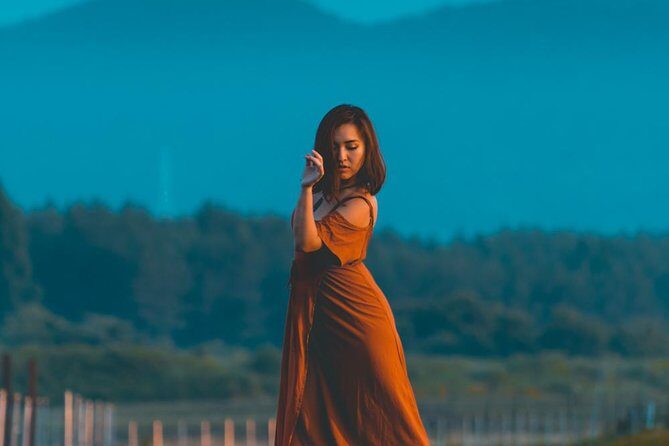
Tokyo is a hard place to photograph well if you are doing everything yourself. You are moving fast, streets are crowded, and your best outfit is only good for so many minutes before you are sweaty and trying to remember where you left your phone. A private pro shoot solves the big problems: composition, timing, and getting you both in frame without awkward takes.
The value here is not just that you get a camera-sharp result. It is that you get direction. You can relax while the photographer handles the heavy lifting: where to stand, how to angle your bodies, and when to shift for better light or cleaner backgrounds. And because it is a private session for you and your partner only, you are not sharing attention or waiting for other people to finish.
Also, the shoot is customizable in a practical way. Instead of being stuck with a fixed checklist, your photographer selects locations that fit your interests and objectives. If you want street style, shrine scenes, neon arcades, or classic Tokyo streets, you can nudge the plan toward your taste.
You can also read our reviews of more photography tours in Tokyo
Price and what you’re buying per person
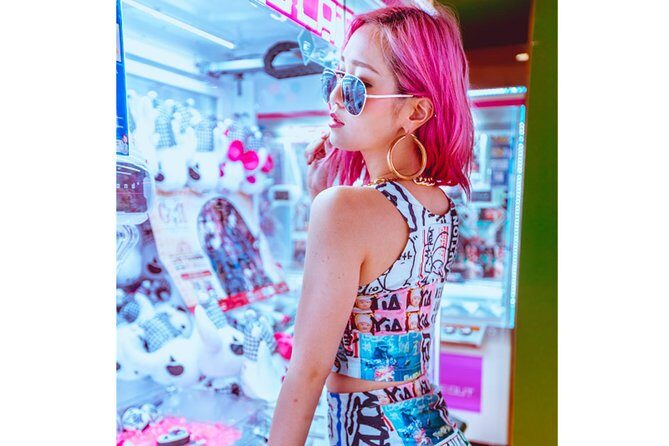
At $209.79 per person, this is positioned as a premium but focused experience: you are paying for a private session with an English-speaking professional and real editing afterward. The main value boost is what comes with the session length:
- 1-hour session: 10–12 edited photos plus unedited versions
- 2-hour session: 20–22 edited photos plus unedited versions
That matters because editing is where a lot of DIY photo frustration happens. It is not just about snapping more pictures—it is about the final set looking intentional. Having both edited and unedited versions also helps you pick favorites later without feeling like you are missing shots.
One more detail: on average, this is booked about 14 days in advance. If you want specific lighting (golden hour vs night) or a preferred date, earlier planning gives you more choice.
How your photographer chooses the route in Tokyo
Your photographer chooses the locations based on your interests and goals. That single decision is what makes this feel different from a generic sightseeing photo walk. Tokyo has endless backdrops, but not every backdrop works for every vibe or every pose.
Here is what you can do to steer the session in the direction that fits you:
- Tell them what you want the photos to feel like: street-style cool, romantic couple shots, traditional/temple atmosphere, sci-fi/cyber look, or a mix.
- Mention any must-haves from the Tokyo areas you like most (Shibuya energy, Asakusa old-town feel, Harajuku fashion, Akihabara tech, and so on).
- If you care about night shots, bring that up early. The route includes areas that are especially nice after dark.
Based on past experiences with this provider, the photographer approach tends to be both creative and practical. In one reviewed session, Yosuke shot street-photo style around Omotesando and Aoyama, focusing on set composition with the model and the ambient environment. Another review highlighted Isreal for knowing the area well and giving solid suggestions. That is exactly what you want: someone who can spot a clean angle fast and still make it look natural.
Your possible photo stops: from Shibuya crossings to shrine steps
You will not hit every single stop in one short session. The plan is meant to be selected for you, so think of these places as your photographer’s toolbox. You pick the vibe; they choose the best mix of locations that fits your time.
Shibuya: the Tokyo scramble, the quick-walk side streets, and Hachikō
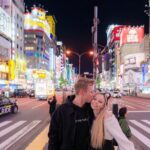
Shibuya is a natural anchor for Tokyo portraits because it is one of the city’s busiest hubs, with major stations nearby. If you want photos that scream modern Tokyo, Shibuya is your starting point.
Potential photo moments here:
- The Shibuya scramble intersection: big movement, big angles, and classic screens-and-crosswalk energy. It is great for dynamic shots, but it can also be crowded—so your photographer will likely work timing and positioning.
- Side street after dark: the plan includes a small lane that is mostly shopping with a few restaurants. It is especially noted as a fun nighttime walk-through, which can give you softer street lighting than a major intersection.
- Hachikō bronze statue: a recognizable meeting spot honoring the loyal Akita dog. For many people, it is the easiest way to get that instantly recognizable Tokyo moment.
If you are photo-obsessed about keeping backgrounds clean, tell your photographer you want angles that minimize clutter. In busy Shibuya areas, that small request can make a big difference.






Anata no Warehouse: cyberpunk arcade energy
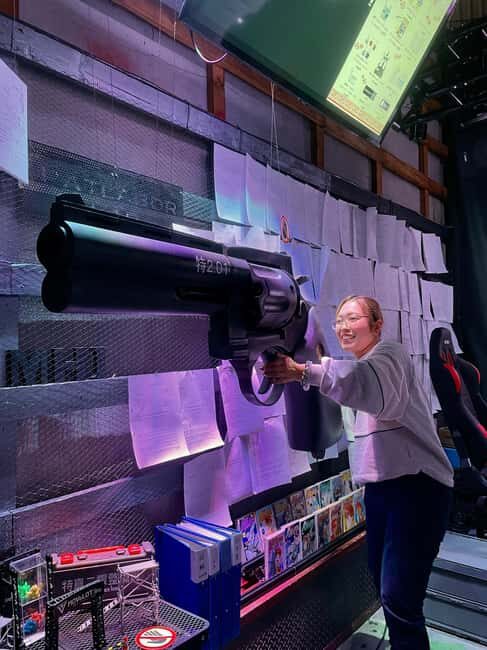
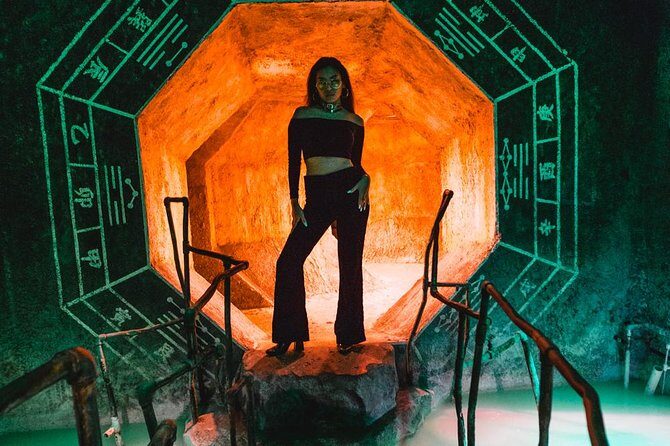
This stop is a five-story arcade facility in Kawasaki designed to look like the former Kowloon Walled City in Hong Kong, with a cyberpunk aesthetic. For photos, that means strong visual texture: signs, lighting, and dense “world-building” details.
This is a great choice if you want something that looks more like a movie set than a typical travel snapshot. Consider it especially if you like dramatic contrast and bold colors. The tradeoff is that indoor arcade spaces can be darker than outside streets, so you will want your photographer to nail exposure quickly so your images do not come out too dim.
Asakusa: old-town streets, craft shops, and temple atmosphere
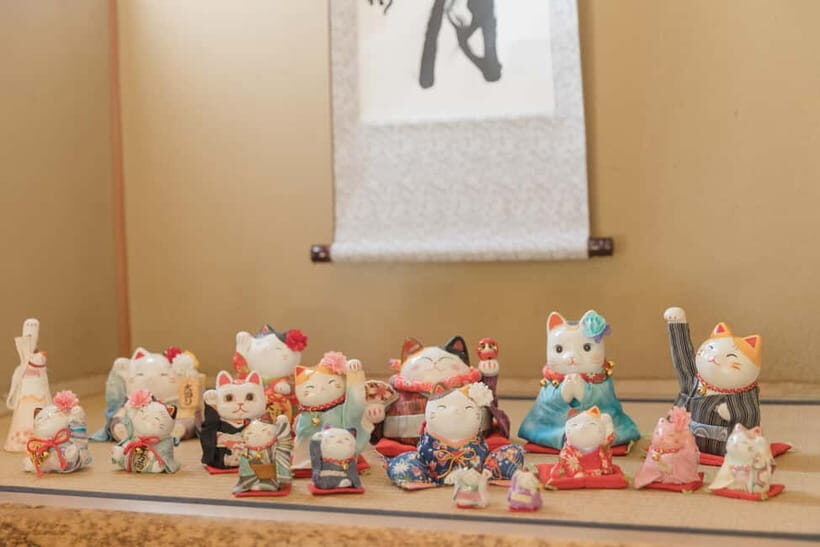
Asakusa keeps an older Tokyo vibe, with traditional craft shops and street-food stalls along Nakamise Street near Sensō-ji. If your dream set of photos includes warm textures, people-watching energy, and a sense of time-worn Tokyo, Asakusa is a strong bet.
Stops in this zone include:
- Sensō-ji: described as Tokyo’s oldest temple and one of its most significant. That alone signals you are aiming at a landmark backdrop with real gravity, not just scenery.
- Asakusa Shrine (Sanja-sama): a Shinto shrine in the Asakusa district. It is one of the most famous in Tokyo, which can translate to strong, recognizable composition.
A practical note: these areas can attract lots of visitors. If you want more “clean couple framing,” aim for specific time windows and let your photographer decide when to shoot so you get less crowd obstruction.
Akihabara: electronics and the tech-scene look
Akihabara is the electronics shopping hub, from tiny stalls to big stores like Yodobashi Multimedia Akiba. This is ideal if you want portraits that look like modern Tokyo tech culture.
Photo-wise, think signage, store displays, and strong urban textures. If you like shots that feel playful and a little quirky, this is a good place to sprinkle in at least one frame type.
Ueno Park: calm green breaks from the city pace
Ueno Park is Tokyo’s largest green space and a popular tourist area. It functions like a reset button between dense neighborhoods—good for portraits when you want breathing room.
You can expect a park setting that helps your photos feel less hectic. It is also a nice contrast if your earlier stops were all streets and storefronts.
The wholesale fish market scene
The itinerary includes a sprawling wholesale fish market with seafood options and viewing areas for the tuna auction. Even if you are not a hardcore foodie, this is a visually intense location: activity, stalls, and strong industry texture.
The main consideration: it can be busy and sensory-heavy. If you want your photos to focus on you rather than on constant background motion, tell your photographer you want posed, directed shots with controlled framing.
Harajuku and Takeshita Street: fashion and street energy
Harajuku is known for colorful street art and fashion. Takeshita Street is specifically called out as extremely busy and narrow, but also worth checking out at least once.
For photos, this is where you get:
- bold outfit colors
- playful street signage
- a younger fashion crowd vibe
The drawback is simple: the street is busy. If you dislike crowd-heavy photos, ask for angles that keep the focus on you, or use Harajuku for a shorter stop and pair it with calmer nearby areas.
Yoyogi Park and Meiji Shrine: soft light and forest mood
Yoyogi Park is Tokyo’s largest public park and sits near Harajuku and Meiji Shrine. In spring, it is noted as a great place for hanami (cherry blossom viewing). So if you are traveling at the right time, you can get photos with a more gentle, seasonal mood.
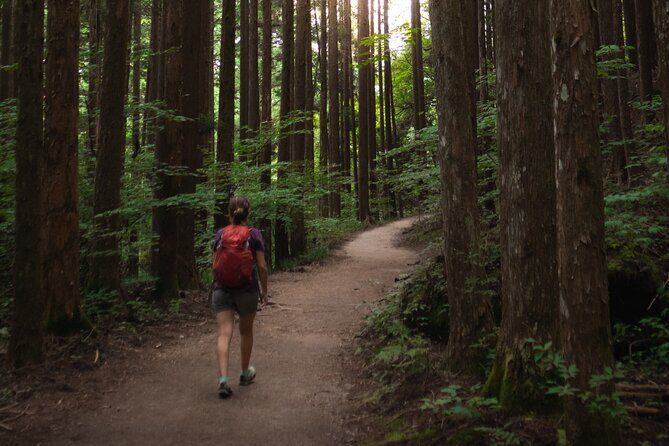
Meiji Shrine is surrounded by a lush forest made of trees donated from different regions of Japan. This gives you a different kind of backdrop than shopping streets: vertical greens, calmer pathways, and a natural feeling that your portraits belong there.
If you like photos that feel peaceful or cinematic, this pairing is a strong option.
Omotesando Hills, Omotesando Avenue, and Tokyu Plaza: modern Tokyo design
Omotesando is fashion-focused and architecture-forward.
- Omotesando Hills: nearly 100 specialty shops in architecturally significant surroundings.
- Omotesando Avenue: a sloping tree-lined boulevard running through parts of Shibuya and Minato.
- Tokyu Plaza: a shopping complex at the Omotesando and Harajuku intersection, with an especially architected entrance and a reputation for being very Instagrammable.
These stops work well if you want clean lines, stylish couple photos, and less clutter. The consideration is that because it is fashionable and popular, lighting and crowds can still matter. Let your photographer guide you to the best angles fast.
Hibiya Park and Imperial Palace grounds: a calmer center
Hibiya Park is described as an oasis of calm with maintained trees, lawns, and flower beds, and it is within easy walking distance of the Imperial Palace and Ginza.
Then there is the Imperial Palace area, described as the main residence of the emperor of Japan. For photos, palace grounds and gardens can add a formal, composed feeling, especially if you want a break from street signage and crowds.
There are also two more garden-type stops in the plan:
- a small park on the outer side of the imperial palace moat, famous for spring cherry blossoms
- landscaped palace gardens first built in 1888, with some Edo castle ruins
If your goal is elegance and atmosphere instead of nonstop street scenes, these parks and gardens are where the set can slow down.
Tokyo Station: classic red brick and nostalgic vibes
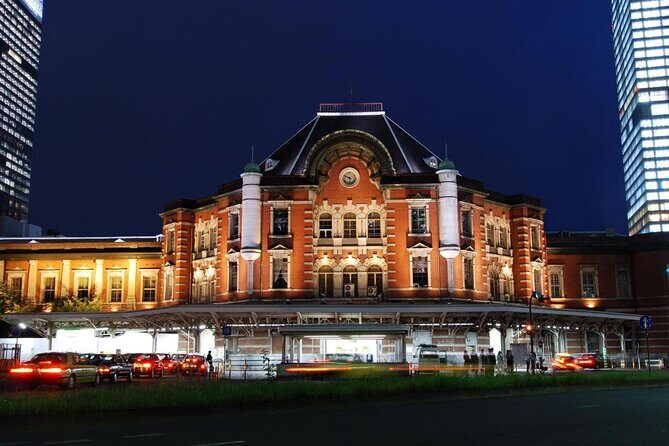
Tokyo Station is famous for its beautiful red brick building. This is an iconic choice when you want a more classic Japan photo look—structure, symmetry, and that “this is a landmark” feeling.
It is also useful as a visual anchor if your earlier stops were more fashion or tech-driven.
Kitanomaru Park, Kanda Shrine, and Edo-era pond gardens
A few stops are more “local Tokyo” and park/garden focused:
- Kitanomaru Park: includes public park space plus Nippon Budokan and Science Mu.
- Kanda Shrine: a Shinto shrine dating back about 1,270 years, rebuilt multiple times due to fire and earthquakes.
- an Edo-period-style park with a pond, described as on the site of a 17th-century shogun villa.
- additional palace gardens with the 1888 + Edo ruins description.
These can be great if you want variety: one modern area, one old-style shrine area, one park reset. The main drawback is that parks and shrines may depend more on your timing and lighting for the best results.
Ginza: upscale shopping district feel
Ginza is described as a top shopping district with upmarket boutiques plus ritzy cocktail and sushi bars. For photos, that often means clean storefront looks and a more polished street feel.
If you want photos that look sleek and styled, Ginza can deliver. If you prefer rougher street textures, you might only need a quick stop.
Out-of-the-way results: how to get the best photos (and avoid the common issues)
The big win is direction. You should expect the photographer to guide you into poses and positions quickly so you do not burn time deciding what to do next.
At the same time, I want you to be aware of a real concern that came up in a review: one person said the photos were too dark, making it harder to appreciate the scene beauty. That does not mean your set will be dark, but it is worth guarding against.
During your shoot:
- Ask for quick exposure checks if the lighting changes fast (street corners, shaded arcades, dusk).
- If you are sensitive to bright, accurate colors, say so. It is easier for a photographer to adjust settings on the spot than after delivery.
Also, the photography style can vary by photographer. One review specifically praised creative shooting and composition choices with ambient environment. That suggests you should tell your photographer what you consider flattering—classic portraits, candid street, or more artistic framing.
Outfit changes, timing, and why your session length matters
This experience is built around a short window, and that changes how you should plan outfits.
If you book 1 hour, understand that it may not provide sufficient time for wardrobe changes. The experience notes that guests often enjoy changing outfits, and recommends booking a 2-hour session if you want multiple looks while also hitting multiple locations.
Practical advice:
- Pick one outfit that photographs well and feel confident in it.
- If you want two looks, plan them to be quick swaps (easy jacket/coat layering counts).
- Wear comfortable shoes. Even with a photographer managing the route, you will still be walking between backdrops.
Timing is also tied to weather. The experience requires good weather. If it gets canceled due to poor weather, you may be offered a different date or a full refund, but the overall policy is strict about changes. So if your trip is flexible, book with confidence and keep an eye on the forecast.
Who this photoshoot suits best
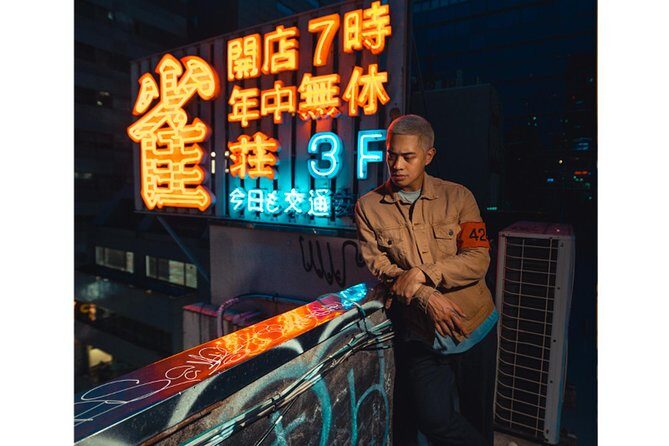
This fits best if:
- you want professional portraits without having to chase strangers for selfies
- you are traveling as a couple and want shared, directed photos
- you like customizing your Tokyo experience instead of following a fixed photo list
- you want both edited images and unedited versions for extra flexibility later
It might not be the best fit if:
- you expect a long sightseeing tour with lots of stops and plenty of time for outfit changes
- you want transport included end-to-end (you handle getting yourself to and from the chosen areas)
- you are booking on a day with uncertain weather and cannot move dates
Should you book this Tokyo pro photoshoot?
Yes, I think this is a strong booking for most couples who want their Tokyo photos to look intentional instead of accidental. The private format, English-speaking professional, and the included edited photo count make it a practical value—especially when you compare it to the time and stress of self-photographing in crowded areas.
I would book it if you can commit to good weather and you plan your outfits in a way that matches your session length. If you want two outfit looks and a mix of iconic Tokyo backdrops plus calmer park/shrine mood, pick the longer session. If you want one great set and you are easygoing about timing, the 1-hour option can still work well.
FAQ
How long is the photoshoot?
It runs about 1 hour to 1 hour 30 minutes, depending on the session you choose.
What do I get in terms of photos?
For a 1-hour session, you receive 10–12 edited photos plus unedited versions. For a 2-hour session, you receive 20–22 edited photos plus unedited versions.
When will I receive the edited photos?
You should receive the edited photographs within a few days.
Can the photographer choose locations based on what we like?
Yes. The photographer picks locations based on your interests and objectives.
Where is the meeting point?
The session starts in Shibuya, Tokyo, Japan, and it ends back at the meeting point.
Is transportation to the locations included?
No. Transportation to and from attractions is not included.