REVIEW · KYOTO
Traditional Tea Ceremony with Matcha and Sweets in Kyoto
Book on Viator →Operated by Japan Wonder Travel · Bookable on Viator
Kyoto tea comes with a twist of Zen. This one is in the Gion area and it makes the classic ceremony feel approachable with chair seating instead of floor-only formality. I especially like the mix of up-close explanation and hands-on practice, so you’re not just watching.
The best part for most people is that you’ll actually whisk and make your own matcha and then enjoy traditional sweets in the second half. One thing to consider: it’s about 1 hour, so it’s a short, focused introduction rather than an all-day deep practice.
In This Review
- Key Highlights You’ll Care About
- Kyoto Gion Tea Ceremony, But Comfortable: Chairs, Matcha, and Omotenashi
- First Half: Tea History, Zen Ideas, and a Tea Master’s Close-Up Techniques
- Second Half: Traditional Sweets and Making Matcha Yourself
- The Tea Master and the Human Side of Chanoyu
- Location and Timing: Why the Start Point Helps Your Whole Day
- Value for $22.86: What You Actually Get (and What Makes It Worth It)
- Who Should Book This Kyoto Matcha and Sweets Ceremony
- Should You Book This Gion Tea Ceremony?
- FAQ
- FAQ
- How long is the Traditional Tea Ceremony with Matcha and Sweets?
- Where does the experience take place?
- What will I do during the ceremony?
- Do I need to sit on the floor?
- Are sweets included?
- What’s included with the matcha?
- How large is the group?
- Is there a mobile ticket?
- Can I cancel for free?
Key Highlights You’ll Care About
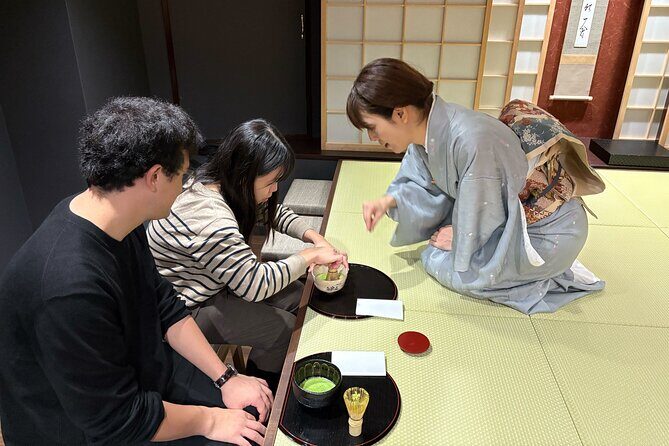
- Chair seating in a normally floor-based tradition makes it easier to relax and stay present.
- Watch-then-try instruction keeps the steps clear as the tea master demonstrates.
- Make your own matcha with premium tea, not just sip a pre-made bowl.
- Traditional sweets from long-established artisans give you a Kyoto flavor pairing.
- Small group size (max 13) helps you get answers during the Q&A.
- Q&A at the end is built in, not something you hope to ask later.
Kyoto Gion Tea Ceremony, But Comfortable: Chairs, Matcha, and Omotenashi
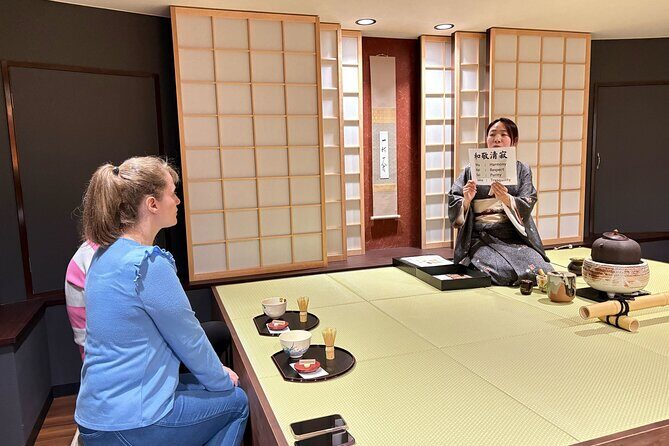
If you want a Kyoto experience that feels elegant but not intimidating, this tea ceremony format is a strong fit. It takes place in the historic Gion district, which is exactly where you expect to find Japanese tradition playing close to everyday life. The session is designed to be welcoming and meaningful, even if you’ve never sat through chanoyu before.
I love the practical choice of chairs. Traditional tea ceremonies often assume floor seating, which can turn a calm cultural moment into a small stress test. Here, you still experience the ritual and attention to detail, but you can focus on what’s being taught instead of worrying about posture.
You’ll also get the full idea of what makes Japanese tea culture more than a drink. The guide ties the ceremony to Zen philosophy and explains how hospitality—omotenashi—shows up in the movements, the order of steps, and the tone of the room. That’s what makes this kind of class feel like Kyoto, not just a performance.
For context, you’re learning a tradition shaped to slow you down. Even with chairs, you’ll notice the pacing is deliberate: the point is to experience how care and mindfulness show in something as small as pouring and whisking.
A few more Kyoto tours and experiences worth a look

First Half: Tea History, Zen Ideas, and a Tea Master’s Close-Up Techniques
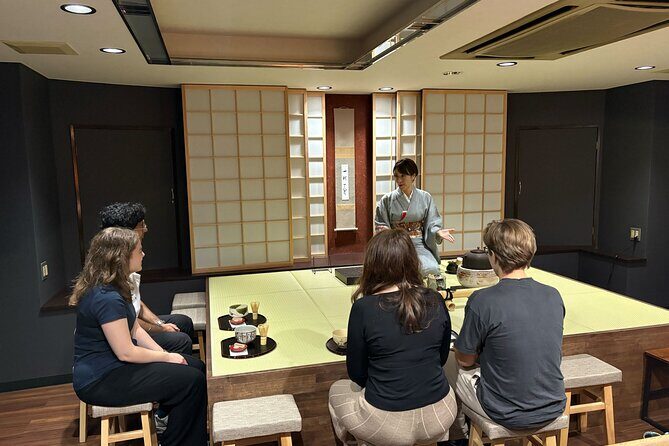
The opening part is structured like a real introduction. You’ll hear stories about the history of tea in Japan, and you’ll connect it to the Zen philosophy that helped form the heart of the ceremony. It’s not presented like a lecture that tries to cover everything; it’s designed to give you the why behind the what.
A big value here is the way you observe technique up close. You’re guided by a tea master experienced in sadō (the way of tea). That matters because tea ceremonies rely on subtle refinement—timing, motion, and respect for the space. When those details are explained, you start to understand why people treat this as an art form, not a gimmick.
You’ll also notice how the experience is set up to feel approachable. Some people expect formal silence and strict rules. Instead, the tone is welcoming and educational, while still grounded in authentic technique. The goal is that you finish the first half with a clear mental map of what you’re about to do.
Practical note: since the whole session is about an hour, the teaching is efficient. You won’t get stalled in complicated steps, and you’ll transition into the hands-on section at a steady pace.
Second Half: Traditional Sweets and Making Matcha Yourself
This is where the experience goes from cultural storytelling to personal practice. After the explanation, you shift into tasting and doing.
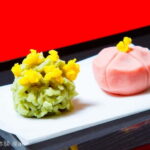
First, you’ll enjoy carefully selected traditional sweets from long-established artisans. That sweet pairing is part of the ceremony logic: it sets the mood, balances flavors, and gives you something to notice beyond matcha’s earthy profile. It also helps if you’re new—sweets make the experience feel complete and distinctly Kyoto.
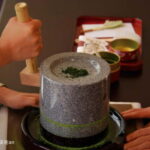
Then comes the main event: you make your own bowl of matcha. You’re using premium tea sourced from a family-run farm, and the class walks you through the process of preparing matcha with a whisk. That hands-on step is the difference between simply sampling and truly understanding.
I like that the experience doesn’t pretend the first attempt will be perfect. Instead, it’s about technique and care: how to whisk, how to handle the bowl, and how to treat the moment like something worth slowing down for. Even if your matcha isn’t restaurant-level smooth on the first try, you’ll leave knowing how it’s made and what to pay attention to next time you order it.
The session also builds toward understanding with an end-of-experience Q&A. That matters because matcha questions can be surprisingly specific—texture, taste differences, and what people mean by the philosophy behind the steps. Having time reserved for that keeps the class from ending right when your questions start.
In reviews, instructors like Mitsune and Yuki are praised for the way they connect technique to the philosophy. That connection is what helps you remember more than the steps—it helps you understand the spirit.
The Tea Master and the Human Side of Chanoyu
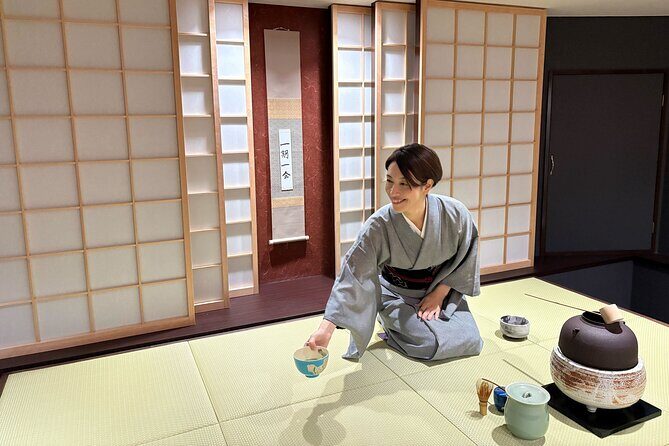
Chanoyu can sound intimidating when you only hear about it from afar. In real life, the ceremony is about people doing respectful, careful actions together in a shared space. This experience leans hard into that “human” side through explanations and a welcoming pace.
The tea master approach is key. The sessions are led by someone with many experiences of tea ceremony (sadō), and the teaching style is meant to be accessible. Reviews highlight that hosts are friendly and that the atmosphere feels welcoming, not stiff.
Names you may hear in these sessions include Mitsune and Yuki, and both show up in positive feedback about knowledge and insight—especially how connected they are to the philosophy behind the movements. Even if you’re not trying to become a tea scholar, you benefit from that perspective because it turns the ceremony into something you can feel, not just copy.
You’ll also get stories about omotenashi, hospitality. The interesting part is that omotenashi isn’t taught as a slogan. It’s shown in the sequence of actions: the way the tea setting is handled, how you’re guided, and how questions are met with real answers.
If you tend to learn best by watching closely and then trying yourself, this is a good match. If you love traditional culture but dislike performances where you feel like an outsider, the chair seating and teaching tone help you feel included fast.
Location and Timing: Why the Start Point Helps Your Whole Day
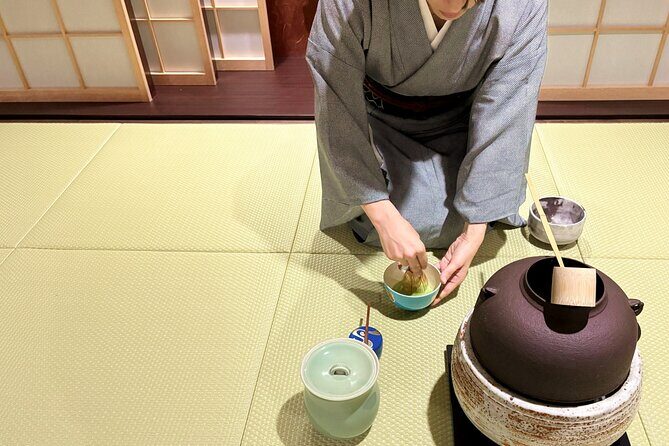
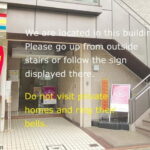
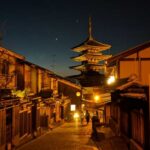
This class is set in the Gion area of Kyoto, in Higashiyama Ward. The meeting point is listed as Japan, 605-0802 Kyoto, Higashiyama Ward, Yamatochō, 1 祇園田中屋ビル. It ends back at the same place.
That start point is practical for two reasons. First, you’re in a part of Kyoto where it’s easy to connect the ceremony with the rest of your sightseeing day. Second, it’s near public transportation, so you’re not forced into a long transit puzzle before you can relax.
Timing is simple: plan for about 1 hour. That’s long enough to learn the basics, watch technique, make matcha, and taste sweets. It’s also short enough that you can fit it between temple stops, street wandering, or a dinner plan.
Group size is capped at 13. That small limit matters more than you might think. It makes the Q&A more realistic, and it helps you feel like the room is controlled enough for calm instruction.
You’ll also get a mobile ticket, which is a small convenience that actually helps in Kyoto, where you’ll likely be hopping between stops and checking your schedule often.



Value for $22.86: What You Actually Get (and What Makes It Worth It)
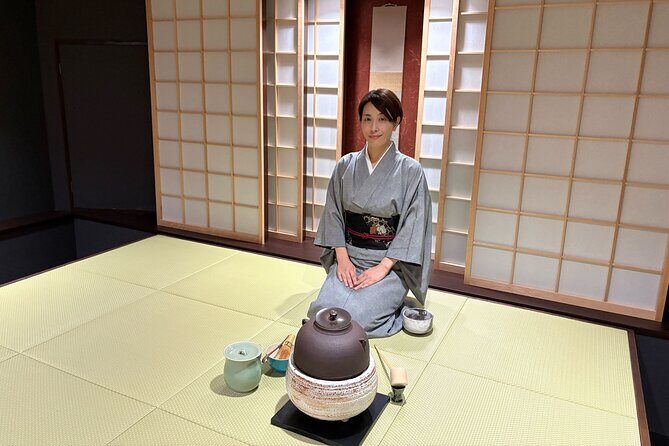
At $22.86 per person for about an hour, this is priced like a short, taught cultural activity—not like a long private workshop. The value is in what’s included in that hour: you’re guided through the philosophy and history, you watch authentic technique up close, you make your own bowl of matcha, and you eat traditional sweets.
You’re not just paying for access to a tea setting. You’re paying for a guided process that helps you understand what to look for. The matcha part is especially valuable because it’s the step you can repeat later. Once you’ve whisked matcha yourself in the basic way taught here, you’ll start noticing differences when you order matcha in shops or cafés back home.
The chair seating also adds real value. You’re more likely to enjoy the session fully when comfort doesn’t become the main topic. That makes the experience feel like something you can actually do, not something you have to tough out.
One caution on value: if you’re hoping for an extra-long, traditional sequence with lots of time for refined practice, this format may feel brief. It’s designed as an approachable intro, and that’s exactly the point.
Who Should Book This Kyoto Matcha and Sweets Ceremony
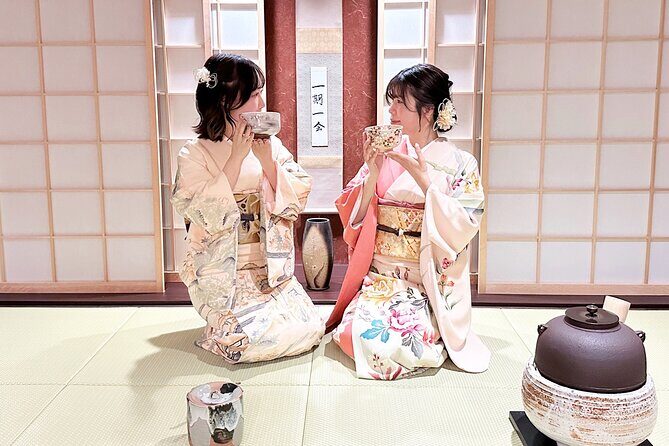
This is a great pick if you want:
- A friendly introduction to chanoyu that doesn’t punish you for being new
- Hands-on matcha practice, not just tasting
- A setting that’s designed for comfort, with chairs
- A structured hour with a guide who ties steps to Zen ideas and omotenashi
It’s especially good for first-time Japan visitors who want something cultural that doesn’t require you to already know the language or etiquette. Reviews also suggest the experience has that “made our trip complete” feeling—meaning it’s memorable without being complicated.
It might be less ideal if you’re chasing:
- A very long, high-level tea training session
- A deeply strict, fully traditional format with floor-only posture
Given the short duration, this is best treated as a doorway. After this, you’ll know enough to recognize what you’re seeing if you visit tea shops or watch ceremonies later.
Should You Book This Gion Tea Ceremony?
Yes—if you want a calm, Kyoto-in-the-real-world introduction and you like learning by doing. The combination of chair seating, up-close technique, making matcha yourself, and tasting Kyoto sweets is a strong package for the price and the time.
Book it if your schedule can spare about an hour and you want a guided way to experience sadō and omotenashi without getting lost in formal expectations. If you’re the type who asks questions during tours, the built-in Q&A will make this feel especially satisfying.
FAQ
FAQ
How long is the Traditional Tea Ceremony with Matcha and Sweets?
It lasts about 1 hour.
Where does the experience take place?
It’s in Kyoto, in the Gion area (Higashiyama Ward). The meeting point address is listed as Japan, 605-0802 Kyoto, Higashiyama Ward, Yamatochō, 1 祇園田中屋ビル.
What will I do during the ceremony?
You’ll learn about the history of tea in Japan, how Zen philosophy shaped the ceremony, watch authentic techniques up close, and then make your own bowl of matcha. You’ll also enjoy traditional sweets and finish with a Q&A.
Do I need to sit on the floor?
No. The experience is designed for people to sit on chairs, so it’s easier if you’re unfamiliar with floor seating or have limited mobility.
Are sweets included?
Yes. In the second half, you’ll savor traditional sweets selected from long-established artisans.
What’s included with the matcha?
You’ll make your own bowl of matcha using premium tea sourced from a family-run farm, guided by a tea master.
How large is the group?
The maximum group size is 13 travelers.
Is there a mobile ticket?
Yes, the experience includes a mobile ticket.
Can I cancel for free?
Free cancellation is available up to 24 hours in advance for a full refund.
—
If you tell me your travel dates and whether you prefer early or late activities, I can suggest a smart way to schedule this in a Kyoto day so you don’t feel rushed.