REVIEW · NARA
Nara:Tea Tasting&Private Tea Ceremony -Master Matcha Making-
Book on Viator →Operated by Tea Lounge Navi Cafe · Bookable on Viator
Matcha gets real when someone shows you the why. In Nara, this private tea tasting and ceremony experience turns a classic Japanese tea ritual into something hands-on and calm, starting in a renovated traditional house setting.
I love the five-tea tasting flight and the hands-on matcha practice with personal coaching from the tea master (often noted as Mike) rather than a sit-and-watch performance. The session also includes wagashi, so you get the tea-and-sweet rhythm Japanese tea culture is built on. One possible drawback: with only about 1 hour 30 minutes, you’ll learn a lot, but you won’t have time for a super long, lecture-style deep dive on every single tea detail.
In This Review
- Key Highlights You’ll Actually Care About
- Entering a Renovated Nara Tea Room (Without the Stress)
- The Core Experience: Five Teas, One Choice, Then Your Own Matcha
- Learning Etiquette and Tools the Way Japanese Tea Works
- Matcha Making: Where You Go From Taster to Maker
- Wagashi Pairing: The Sweet That Teaches You How to Sip
- Your Tea Flight: What the Five Cups Are Trying to Teach You
- How Much Time and Money This Costs (And Whether It’s Good Value)
- Who This Private Matcha Making Class Fits Best
- Practical Tips for Making the Most of Your Session
- Should You Book Nara Tea Tasting and Private Tea Ceremony?
- FAQ
- FAQ
- How long is the Nara tea tasting and private matcha ceremony?
- Is this tour private?
- What happens during the tea tasting part?
- Do I make matcha myself?
- Is wagashi included?
- Where do I meet for the experience?
- What is the cancellation policy?
Key Highlights You’ll Actually Care About
- Five teas from Nara prefecture selected for you to compare styles and strengths
- One-on-one instruction covering etiquette, tools, and the flow of the ceremony
- Your own matcha whisking with personalized feedback so your technique improves fast
- Choose your favorite tea for a special pot-brewed serving
- Seasonal wagashi pairing designed to match the tea you’re sipping
- Local conversation plus Nara tips from your host to help plan the rest of your trip
Entering a Renovated Nara Tea Room (Without the Stress)
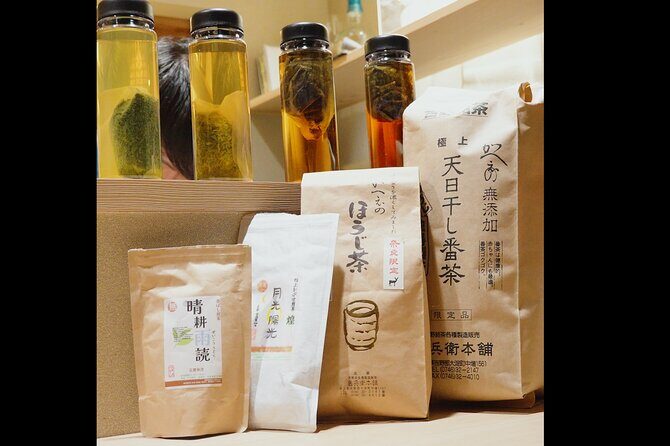
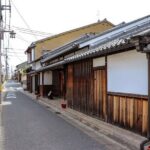
This experience begins in the Naramachi area at Guesthouse Naramachi (30 Kitakyōbatechō, Nara), and it ends back at the same meeting point. It’s a private session, so it’s just your group, which matters because tea ceremonies are all about attention and timing—not competing voices.
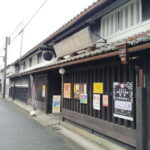
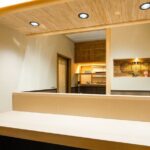
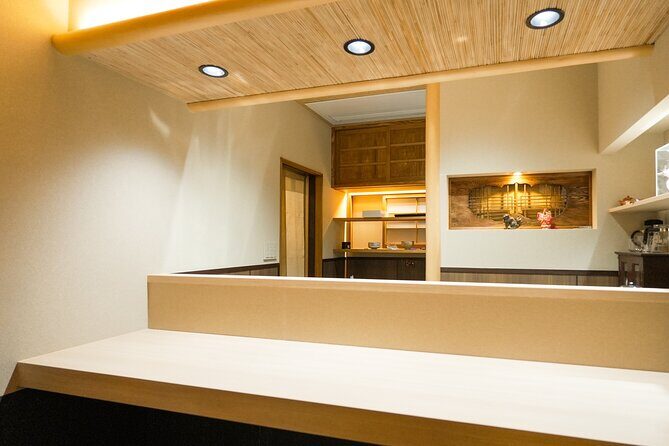
The tea room itself is set in a renovated traditional Japanese house, which is a huge part of the value. Even if you’ve visited temples and shrines already, this gives you a different pace: quieter, slower, and more personal than typical sightseeing. It’s the kind of place where your brain stops trying to plan the next stop every 20 minutes.
One more practical note I appreciate: it’s near public transportation and uses a mobile ticket, so you’re not juggling paper tickets while you’re trying to enjoy the moment.
You can also read our reviews of more food & drink experiences in Nara
The Core Experience: Five Teas, One Choice, Then Your Own Matcha
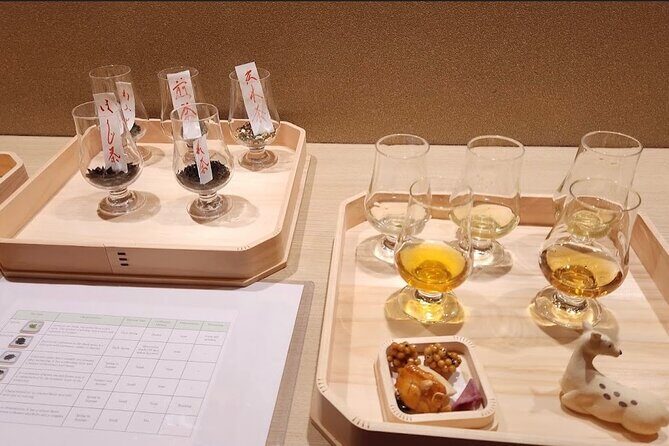
Here’s what you’re really doing for the full 1 hour 30 minutes: tasting, learning the logic, then producing something yourself.
First, you’ll sample five different Japanese teas chosen by the tea master from Nara prefecture–sourced options. These aren’t just random pours. The idea is comparison—seeing how aroma, temperature, roast level, and brewing style change the taste in your cup.
You’ll start with a flight of five teas, then you get to choose your favorite for a special pot-brewed serving. That part is more than a nice touch. It helps you leave with a concrete “this is my style” memory instead of tasting five cups that all blur together.
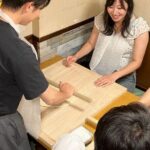
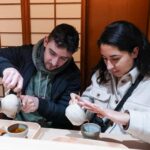
Then comes the part most people book for: matcha. Under guidance, you’ll whisk your own matcha. You’ll practice the motion and adjust based on what the tea master tells you, which is where the “private” setup pays off. If you’ve ever struggled to make matcha at home, this is the difference-maker: someone corrects your technique while you’re still in the lesson.
Learning Etiquette and Tools the Way Japanese Tea Works
A tea ceremony can sound formal on paper. In practice, the point is simple: you learn how the ritual supports the flavor and the moment.
During the session, the tea master walks you through the history, etiquette, and tools used in Japanese tea culture. That framework matters because it explains why certain steps happen in a certain order—like how handling and preparation affect aroma, and how the ceremony structure keeps your focus.
You’re not just listening, either. The tools and etiquette are tied directly to what you’re doing, especially during matcha practice. That means you’re picking up information you can use instantly, not facts you forget by the time you return to your hotel.
And because it’s one-on-one, you can ask questions as you go. If you’re curious about what makes one tea mellow and another more roasted, or why matcha has its particular character, you can ask without feeling rushed.
Matcha Making: Where You Go From Taster to Maker
Matcha practice is the heart of the class, and the session is built so you don’t just taste—you learn how to make a bowl that behaves.
You’ll whisk your matcha in a quiet setting and focus on the delicate aroma and flavor of what you create. The tea master provides personal feedback, so you can correct things in real time. That kind of coaching is especially valuable if you’ve only had matcha from cafes, where you’re mostly reacting to the result, not understanding the process.
What I like about this setup is that it reduces guesswork. You’re guided step-by-step, but you still get to do the motions yourself. It’s not a performance you watch from across a room.
Also, the host is described as warm and fun in recent sessions, including being good with kids. So if your group includes younger tea fans, the tone can stay relaxed instead of turning stiff and intimidating.
Wagashi Pairing: The Sweet That Teaches You How to Sip
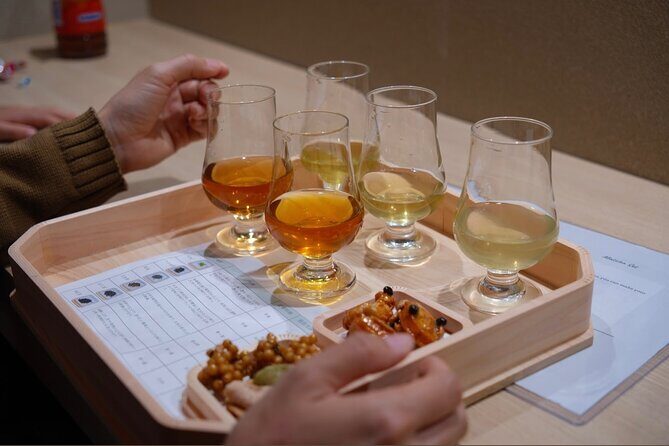
Tea ceremonies in Japan don’t treat sweets as an afterthought. This experience includes authentic wagashi (traditional Japanese sweets), and it’s designed to complement each sip.
The wagashi portion is seasonal, which matters because you’re not getting a generic snack. It’s meant to balance the experience—often by softening bitterness, refreshing your palate, or adding a gentle counterpoint to matcha’s character.
If you tend to drink tea and forget it five minutes later, wagashi pairing helps you slow down. It turns each sip into a small moment of attention. And because you’re tasting multiple teas, the sweetness gives your palate a reset between flavors.
You can also read our reviews of more private tours in Nara
Your Tea Flight: What the Five Cups Are Trying to Teach You
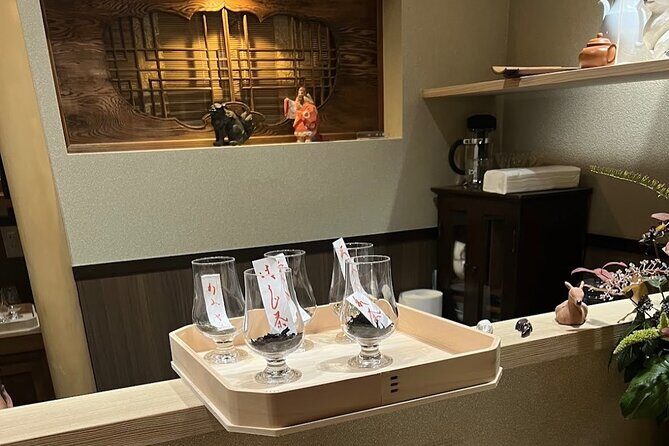
A five-tea flight might sound like an easy sampler, but it’s actually a structured way to train your senses.
In this class, you’ll encounter different styles such as matcha with its aroma and mellow roasted teas. That contrast helps you notice the differences that make Japanese tea culture so big on variety. Some teas feel lighter and more aromatic; others feel deeper and warmer in the mouth.
You’ll also receive pours and servings guided by the tea master. That matters because brewing and serving method can change the final taste. When you’re in a learning setting, you’re getting the correct conditions—so you can trust what you’re tasting and connect it to the explanation.
If your session includes both hot and cold tasting options, that’s a nice bonus touch that can help you understand how temperature changes flavor. (Some sessions are described that way, but it may vary by what’s available.)
How Much Time and Money This Costs (And Whether It’s Good Value)
Price is $63.06 per person for about 1 hour 30 minutes, and it’s often booked around 26 days in advance. That placement in the schedule tells you this isn’t a “drop in anytime” kind of class—people plan it because it’s a focused cultural stop.
Is it expensive? Compared to a casual cafe experience, yes. But compared to what you’re getting, the value is the private structure:
- A one-on-one tea master
- Five teas tasted
- Guided etiquette and tool education
- Hands-on matcha making with personalized feedback
- Wagashi included
- A calm setting in a renovated traditional house
A group class can be cheaper, but you don’t get the same level of attention. Here, your pace matters. If you want your questions answered and your technique corrected, this private format is the point.
A small practical perk: the host has also been noted as punctual and accommodating, and some sessions include a small giveaway. Those little details don’t replace the core experience, but they do make the whole thing feel thoughtful.
Who This Private Matcha Making Class Fits Best
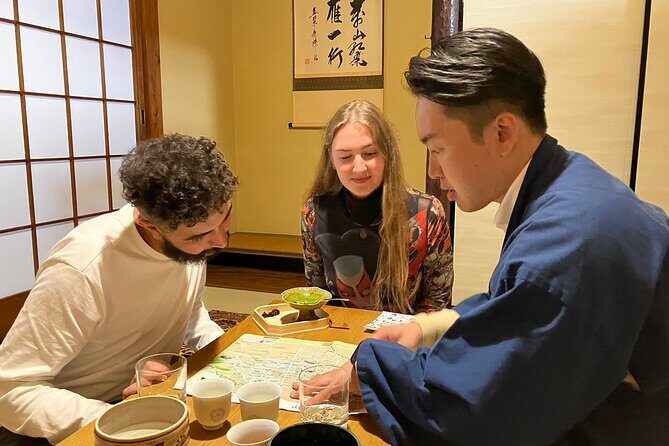
This works best for people who want something more grounded than a typical attraction.
You’ll probably love it if:
- You enjoy hands-on cultural activities
- You’re curious about Japanese etiquette but don’t want a stiff explanation
- You want a calmer break during a busy Japan itinerary
- Your group includes kids who might need a friendly, patient approach
It’s also a strong option if you like small-group moments in historic neighborhoods. The Naramachi meeting area keeps you close to the vibe of Nara’s traditional side.
If you’re the type who only cares about the final drink and not the ritual, you might find the etiquette and tool lessons more than you expected. But even then, the matcha practice and tea flight do the heavy lifting.
Practical Tips for Making the Most of Your Session
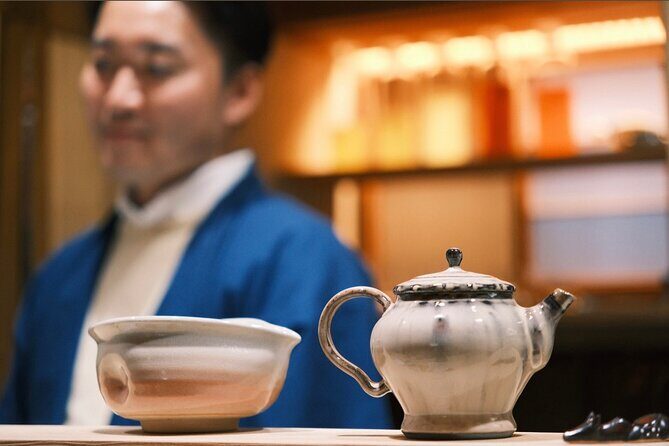
To get the most out of this kind of experience, show up with a curious attitude and a slightly slower schedule.
A few ways to make it easier:
- Come ready to ask questions. The private format is built for it.
- If you have matcha questions (bitterness, strength, technique), save them for the moment you’re practicing.
- Pay attention during the five-tea tasting. Think of it like a guided “taste map” so you can choose your favorite intelligently.
- Go hungry for the wagashi pairing, but don’t arrive starving enough that you rush through tea.
And don’t be shy about asking for inside tips while you’re chatting. One of the nice parts is that you can talk with locals for ideas on what to see and do during the rest of your Nara stay.
Should You Book Nara Tea Tasting and Private Tea Ceremony?
If you want a meaningful cultural experience in Nara that’s calm, personal, and actually hands-on, I’d book it. This is one of those activities where the value comes from the structure: five teas, your own matcha, and a tea master coaching you through how it all works.
Skip it if your schedule is so tight that you can’t spare 1 hour 30 minutes, or if you prefer quick stops over learning-focused moments. Also, if you don’t care about etiquette or tools at all, you might feel like you’re paying for more than just the drink.
FAQ
FAQ
How long is the Nara tea tasting and private matcha ceremony?
It runs for about 1 hour 30 minutes.
Is this tour private?
Yes. It’s a private tour/activity, so only your group participates.
What happens during the tea tasting part?
You taste five expertly selected teas sourced in Nara prefecture, then you can choose your favorite tea for a special pot-brewed serving.
Do I make matcha myself?
Yes. You’ll get one-on-one instruction and then whisk your own matcha with personalized feedback.
Is wagashi included?
Yes. You’ll enjoy seasonal wagashi that pairs with the tea.
Where do I meet for the experience?
You meet at Guesthouse Naramachi, 30 Kitakyōbatechō, Nara, 630-8322, Japan, and it ends back at the meeting point.
What is the cancellation policy?
You can cancel for a full refund if you cancel up to 24 hours in advance of the experience start time.
![[Shibazakura / Tulip] Going by private car, Shibazakura Takinoue Park and Kamiyubetsu Tulip Park (from Sapporo) - Midday Seafood Stop at Marukaichi Suisan and the Kanimeshi Moment](https://images.thejapantraveler.com/wp-content/uploads/shibazakura-tulip-going-by-private-car-shibazakura-takinoue-park-and-kamiyubetsu-tulip-park-from-sapporo.jpg)