REVIEW · OSAKA
Sushi and Japnese foods cooking class in Osaka
Book on Viator →Operated by Cooking Class YAYO · Bookable on Viator
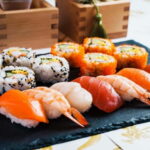
Sushi lessons in a real Osaka home. You roll sushi with Yayo, then sit down to eat what you made with classic sides like miso soup and a Japanese omelet.
I love the small-group feel, with a class limited to just eight people in the studio, so you get real hands-on time. I also like that the meal is built from fresh, thoughtfully prepared ingredients, taught in clear English by a licensed chef.
One consideration: the timing is strict. If you’re more than 10 minutes late, the agreement becomes invalid, so line up your route from Noda Station early.
In This Review
- Quick hits
- Why Osaka sushi technique is worth your time
- Meeting outside Noda Station and stepping into the home kitchen
- Sushi rice prep and nori rolling: the hands-on heart of the class
- Beyond sushi: miso soup, Japanese omelet, and snack time
- The sake and Japanese beer upgrade: when to add it
- Taiwanaki dessert and how to take your skills home
- Price and logistics: is $165.13 good value?
- Who this Osaka sushi-making class is best for
- Should you book Sushi with Yayo in Osaka?
- FAQ
- How long does the sushi-making class last?
- What will I make and eat during the class?
- Is the instructor English-speaking?
- Is there an optional sake and beer tasting?
- What’s the meeting point and where does it end?
- How many people are in the class?
- What happens if I’m late?
Quick hits
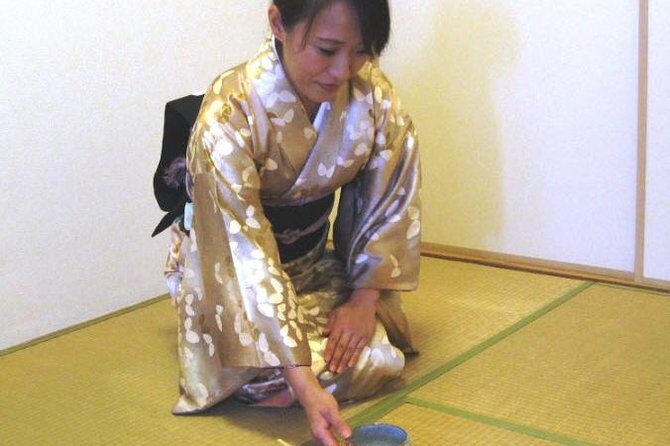
- Licensed chef Yayo teaches the technique, from sushi rice prep to nori rolling
- Small studio, max eight people, with an activity cap showing max two travelers
- Dinner is part of the class, including sushi rolls plus miso soup and a Japanese omelet
- Sake and Osaka beer upgrade if you want to turn the meal into a tasting night
- Taiyaki dessert finishes the evening
- Meeting starts outside Noda Station, then you walk together to a nearby home kitchen
Why Osaka sushi technique is worth your time
Sushi isn’t just about eating fish on rice. What you’re really learning is texture control and assembly: the rice needs the right seasoning and stickiness, and the nori needs to be treated gently so it doesn’t go brittle.
This kind of class is ideal if you want something practical you can repeat later. Instead of getting a few photos and leaving full, you leave knowing how to make the backbone of sushi at home—sushi rice, nori handling, and basic rolling order.
And because it happens in a home setting, you also get that calmer pace. In other cooking classes, you can feel like you’re watching a show. Here, you’re making it with your own hands.
You can also read our reviews of more cooking classes in Osaka
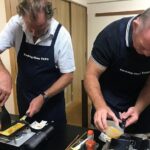
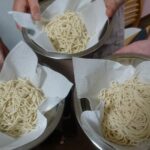
Meeting outside Noda Station and stepping into the home kitchen
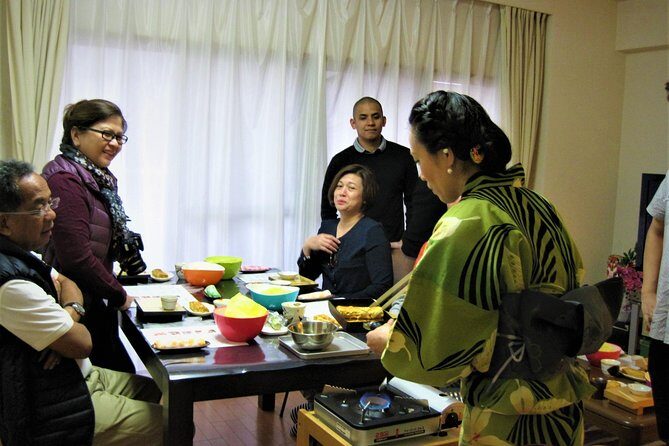
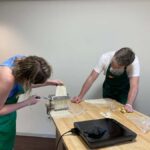
You meet outside Noda Station in central Osaka (outside, 1 Chome-1 Ohiraki, Fukushima Ward). From there, you walk to a nearby home where the lesson happens. It’s short, simple, and easy to fit into an evening without needing complicated transit planning.
The practical upside of a home-style studio: you’re not squeezed between large groups. The space is small, and the format is designed for people who actually booked the class, not walk-ins.
Two small details can make your start smoother:
- Arrive early enough that you are not stressed when the group begins. There’s a strict 10-minute late cutoff.
- Be ready for a very focused start. Once you begin, the studio stays small so everyone can participate.
In reviews, people also mention the warm welcome—Yayo’s friendly hosting style, and even the presence of Akane (Yayo’s dog) during the experience. If you’re the type who likes human moments in the middle of food, this part is a bonus.
Sushi rice prep and nori rolling: the hands-on heart of the class
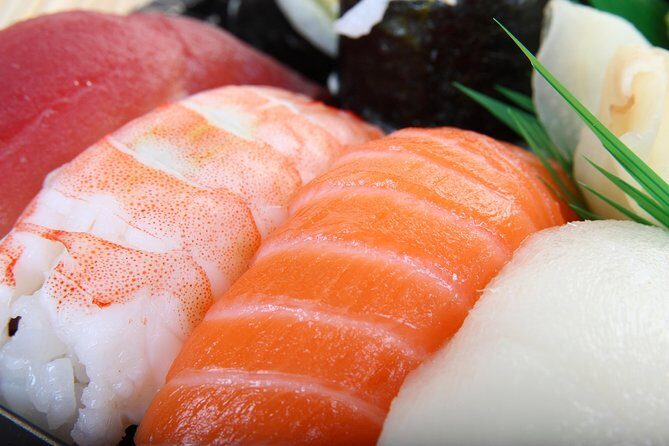
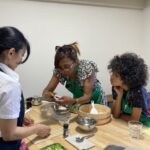
The core lesson is all about making sushi you can actually reproduce. You start by learning how the instructor prepares sushi rice, then you practice the rolling sequence with dried seaweed sheets called nori.
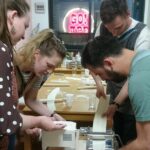
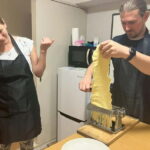
You’ll follow along as Yayo demonstrates the technique step by step, including how to place sashimi (thin-sliced fish) and other ingredients inside the nori. Then it’s your turn. You’re not just assembling a single perfect roll and moving on. The class is paced so you can try a few times, which matters because rolling takes muscle memory.
Here’s what to pay attention to while you’re practicing:
- Rice thickness and distribution. If the rice layer is uneven, the roll won’t cut cleanly.
- Nori handling. You want control without crushing or cracking it.
- Placement order. The roll is about balance, not just stacking ingredients.
One more practical note: you’re given ingredients selected by the chef, so don’t expect to choose from a huge menu. Think of this as learning technique and understanding the logic behind the build, rather than designing your own sushi creation like a restaurant.
Beyond sushi: miso soup, Japanese omelet, and snack time
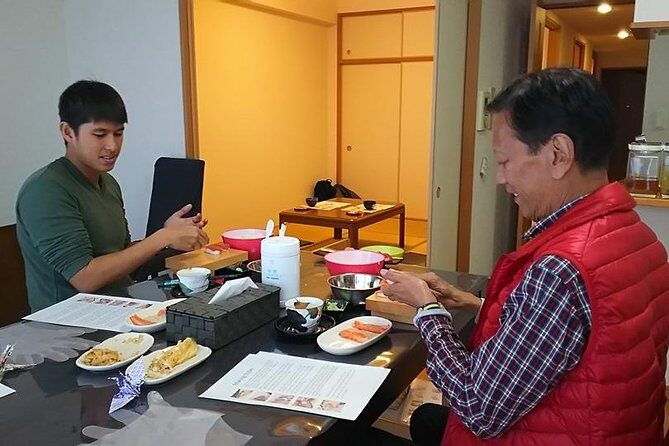
After the rolling practice, you sit down to eat your work. Your dinner isn’t just rolls on a plate. It’s built around a typical Japanese meal rhythm with:
- Miso soup
- A Japanese omelet
- A selection of snacks alongside your sushi
That structure is valuable because it shows how sushi fits into the bigger picture. Sushi in Japan often isn’t a solo dish—it’s part of a meal that includes warm soup and something egg-based for balance. If you’ve only eaten sushi as a quick meal abroad, you’ll likely notice how satisfying this pairing feels.
Japanese omelet (often tamagoyaki) is also a skill you can connect back to home cooking. The technique is different from sushi, but it reinforces the same theme: careful texture control.
Some people report extra dishes in addition to the core lineup, like items such as takoyaki and matcha green tea. If that shows up on your specific menu, treat it as a bonus add-on, not the foundation. The foundation is still the sushi rice and the rolling.
The sake and Japanese beer upgrade: when to add it
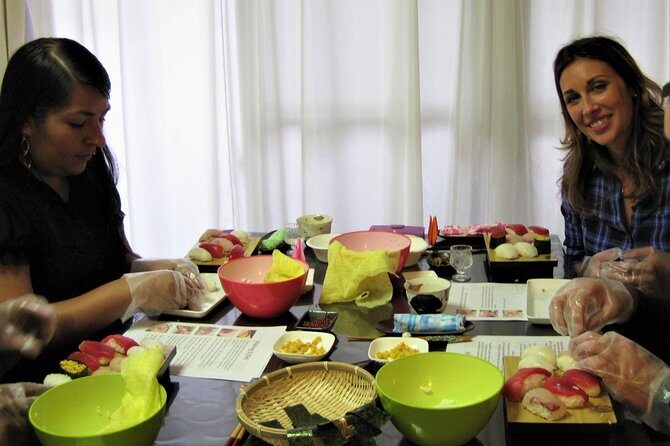
If you want to stretch this beyond dinner, there’s an upgrade for a local sake tasting. The tasting is described as including either:
- Six sakes, or
- Four sakes plus an option involving beer
In other words, you’re not just getting one sample. You’re getting enough variety that you can start noticing differences—aroma, smoothness, and how each one works with the foods you made.
This upgrade is best for you if:
- You like pairing drinks with food
- You want an Osaka-flavored evening rather than a quick cooking activity
- You’re comfortable tasting (not just watching someone pour)
It’s not required. You can absolutely enjoy the main class and dinner without alcohol. But if you do upgrade, plan to go slow and use the tasting as part of the lesson—how flavors shift when you change one element of the meal.
A few more Osaka tours and experiences worth a look
Taiwanaki dessert and how to take your skills home
After the meal, dessert is taiyaki. It’s a comforting way to end the evening, and it keeps the class feeling like a full night out rather than a short workshop.
Then you head back to the original meeting point. The timing is about 2 hours 30 minutes overall, which is long enough to learn and eat without swallowing an entire day.
The real payoff is what you’ll do afterward. Once you’ve practiced rolling, you can use that memory at home:
- You’ll understand what sushi rice should feel like.
- You’ll know how nori should be handled.
- You’ll have a clear idea of how ingredients get layered inside the roll.
Even if your first attempt at home isn’t perfect, you’ll start closer to correct than if you only watched a video. That’s why this style of class feels worth it.
Price and logistics: is $165.13 good value?
At $165.13 per person for roughly 2.5 hours, the value comes from what’s included, not just the “cooking” label. You’re paying for:
- A licensed chef teaching in English
- All ingredients for cooking
- Dinner built around what you make (sushi plus miso soup and a Japanese omelet)
- A small-group environment that supports hands-on participation
- Optional tasting upgrades (sake and beer)
In practice, that means you’re not figuring out dinner plans afterward. You’re also not spending extra money on food while you’re learning.
Two logistics realities also matter for value:
- The studio is small and designed for people who booked. That keeps the experience personal, but it also means you should treat timekeeping as part of the deal.
- You’re capped at a maximum of 2 travelers for the activity, even though the lesson is limited to eight participants. Translation: this is meant to feel intimate, not crowded.
If you’re the type who wants a large, scripted “tour” of Osaka, this isn’t that. This is a food-first evening in a real home environment.
Who this Osaka sushi-making class is best for
This class fits best if you want skill-building and a warm, human teaching style more than sightseeing.
It’s especially good for:
- Sushi lovers who want to understand technique (not just order rolls)
- Couples or small groups who like a calm, intimate setting
- People who learn best by doing: rolling, assembling, and tasting
- Anyone who appreciates English instruction and clear, patient guidance
If you’re looking to master super-advanced sushi variations or very specific regional styles, this may feel more like a strong foundation than a deep technical specialization. From the experience format, it’s designed to teach fundamentals you can repeat.
Should you book Sushi with Yayo in Osaka?
I’d book it if you want a hands-on Osaka food night with a small group, real instruction, and an included dinner you actually helped create. The combination of sushi rolling practice, a full meal (miso soup and a Japanese omelet), and a gentle wrap-up with taiyaki makes it feel like more than a class.
Skip it if you’re likely to be late, hate tight schedules, or prefer very large social experiences. The 10-minute cutoff is real, and the studio is small by design.
If you want a practical souvenir that isn’t edible-photo-only—this is one of the best ways to leave Osaka with skills you can use again.
FAQ
How long does the sushi-making class last?
The class runs about 2 hours 30 minutes.
What will I make and eat during the class?
You’ll learn to roll sushi using nori, and you’ll have dinner that includes the sushi you make, miso soup, and a Japanese omelet, plus snacks. Taiyaki is served for dessert.
Is the instructor English-speaking?
Yes. The cooking instructor is described as English-speaking.
Is there an optional sake and beer tasting?
Yes. There’s an upgrade option that includes a local sake tasting, with the tasting described as either six sakes or four sakes plus a beer option.
What’s the meeting point and where does it end?
You meet outside Noda Station in Osaka, and the activity ends back at the same meeting point.
How many people are in the class?
The lesson is limited to eight participants, and the activity itself is listed with a maximum of 2 travelers.
What happens if I’m late?
The information says the contract becomes invalid if you are 10 minutes late, and it will not be refunded.