REVIEW · NARA
Nara: Sake Tasting Tour at the Birthplace of Japanese Sake
Book on GetYourGuide →Operated by DeepExperience, Inc. · Bookable on GetYourGuide
Sake starts in Nara. This 3-hour tour takes you straight to Japan’s spiritual and historical roots of sake, with tastings tied to the place it began.
What I like most is the focus on the working breweries themselves, not just a souvenir shop parade, and the way the guide explains the ideas behind each master brewer. You’ll also get to walk Nara’s sake districts at a relaxed pace, with a few photo moments along the way.
The best part for me is the variety: you taste from clean, crisp and dry styles to rounder, richer and mellower pours, then learn how tōji choices create that range. I also like how guides make it personal; names that come up often include Hiro Takeuchi, Takashi, and Yayoi, and people consistently call out their friendly, humorous, and careful approach.
One possible drawback to consider: it’s a walking tour. If you’re sensitive to steps or long distances, comfortable shoes matter, and you’ll want to plan your pace.
In This Review
- Key points before you go
- Why Nara is where sake stories make sense
- Ukimi-do Pavilion to Kintetsu Nara Station: the calm walking rhythm
- The tasting pattern that actually helps you learn
- Three working breweries: what you’re really paying for
- Tōji philosophy: how to taste with a purpose (not just for fun)
- The quiet sake districts: a sensory break from big-city tourism
- The sake shop stop: turning tastes into a smart souvenir
- Guides that set the tone: warm, funny, and attentive
- Price and value: $119 for 3 hours that adds context
- Who this tour suits best
- Should you book this Nara sake tasting tour?
- FAQ
- How long is the Nara sake tasting tour?
- Where does the tour start and where do you finish?
- How many tasting locations are included, and how many breweries?
- What languages are the live tour guide available in?
- Is this tour a private group?
- What kinds of sake styles will you taste?
- Is there free cancellation, and can I reserve without paying yet?
Key points before you go
- Three working breweries plus a sake shop means you’re tasting across real production and retail
- Tōji philosophy is part of the lesson, not an afterthought
- Tastings run from crisp and dry to rich and mellow, so you get a real sense of style
- You’ll walk quiet sake districts, not busy tourist lanes
- A live guide in Japanese or English keeps the pace human and the explanations clear
- Expect a route that starts at Ukimi-do Pavilion (浮見堂) and ends at Kintetsu Nara Station (近鉄奈良駅)
Why Nara is where sake stories make sense
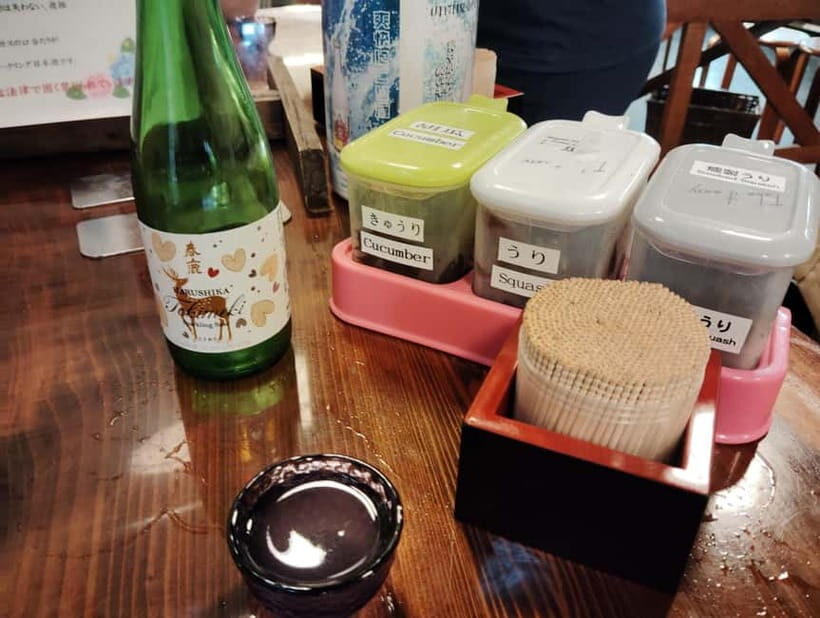
Nara isn’t just another stop in Japan. It’s tied to the earliest foundations of sake, and this tour builds that context right into your tastings. You’ll hear how sake began long before commercial brewing, with a connection to Buddhist temples over a thousand years ago. That theme matters because it changes how you think about a drink you might have treated like a simple nightlife choice.
Here’s what I like about the way the tour frames it: sake isn’t presented as a single product. It’s presented as a relationship between people, place, and tradition. You’ll connect it to Japanese climate, food, and spiritual life—the three things that affect what gets brewed, how it gets consumed, and why it becomes part of local identity.
And yes, you’ll taste a spectrum. Crisp and dry styles teach you about cleanliness and structure. Rich and mellow styles teach you about body, softness, and how fermentation choices can show up on the palate. When you get both ends of the spectrum in one afternoon, it’s easier to understand why Nara has its own sake personality rather than being lumped into generic “Japan alcohol” talk.
You can also read our reviews of more food & drink experiences in Nara
Ukimi-do Pavilion to Kintetsu Nara Station: the calm walking rhythm
The tour starts at Ukimi-do Pavilion (浮見堂). Your guide meets you with a yellow sign panel, which is handy when you’re arriving in a new neighborhood. The total time is about 3 hours, and it’s paced with guided stops and short walks.
You’re moving through Nara’s sake districts, where the vibe is quieter than you might expect for a “food and drink” experience. That calm matters. You can actually hear the guide, ask questions, and take in the neighborhood without feeling rushed every 60 seconds.
The route is also designed for practical sightseeing: there are guided viewing moments at multiple stops, plus a photo stop partway through the afternoon. You’ll also finish at Kintetsu Nara Station (近鉄奈良駅), which is convenient if you’re continuing on to another city or need an easy transit hub.
One practical note: since it’s walking-focused, wear shoes you can stand in for a while. The tour doesn’t promise step-free comfort as a headline feature. Still, one guide (Hiro Takeuchi) was noted for being accommodating for a wheelchair user, which suggests the team can be thoughtful about individual needs when possible—just don’t assume it removes the walking requirement.
The tasting pattern that actually helps you learn
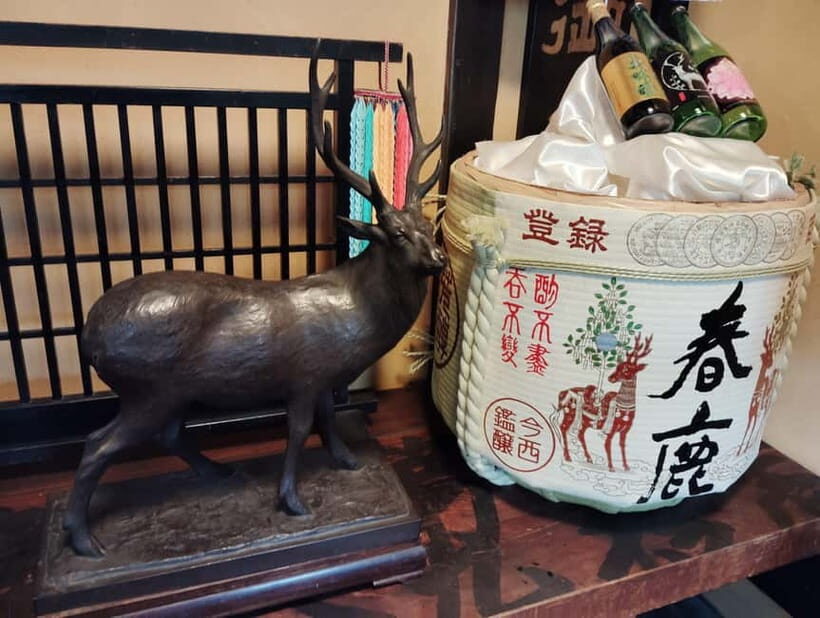
This experience isn’t just four stops and four sips. It’s built around a learning rhythm that makes the tastings meaningful.
You’ll visit four tasting locations across Nara:
- three working breweries, where you can taste from the source
- one sake shop, which helps you connect what you tasted to what you can buy
That matters because working breweries tend to give you a “how it’s made” perspective. A shop tends to give you a “how to choose” perspective. Put together, you leave knowing what you liked and why, instead of only knowing what you ordered.
In terms of taste, you’ll sample styles that range from crisp and dry to rich and mellow. That range is a gift for beginners. You’ll quickly find what directions you prefer—clean and sharp versus deeper and softer—then the guide can explain the brewing thinking behind those differences.
For more experienced sake fans, this range is also useful. You’re not only chasing rare labels. You’re comparing styles in a structured way and hearing how local philosophies shape outcomes.
Three working breweries: what you’re really paying for
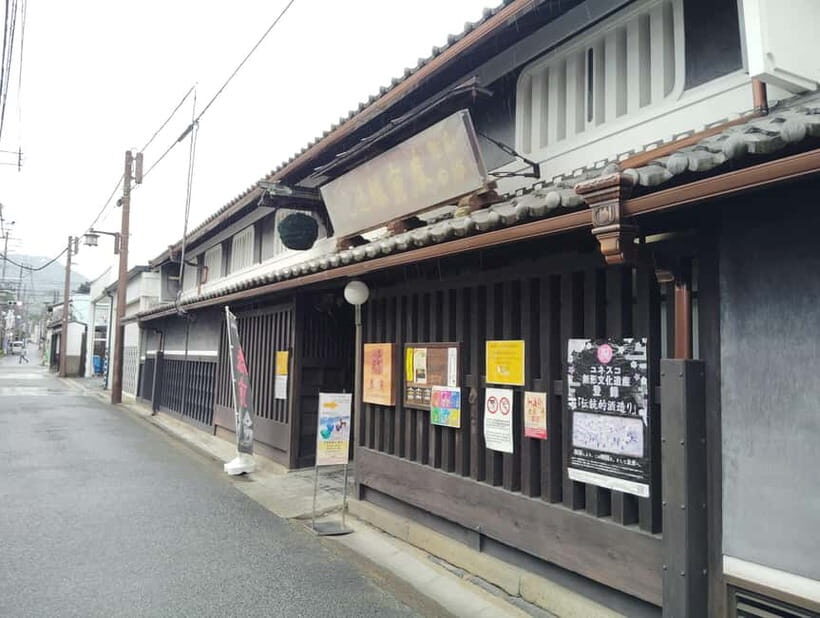
The biggest value driver here is that you’re tasting at three working breweries. That’s not just a checklist item. It’s your chance to ask better questions, because the people behind the brewing can explain why each tōji makes particular choices.
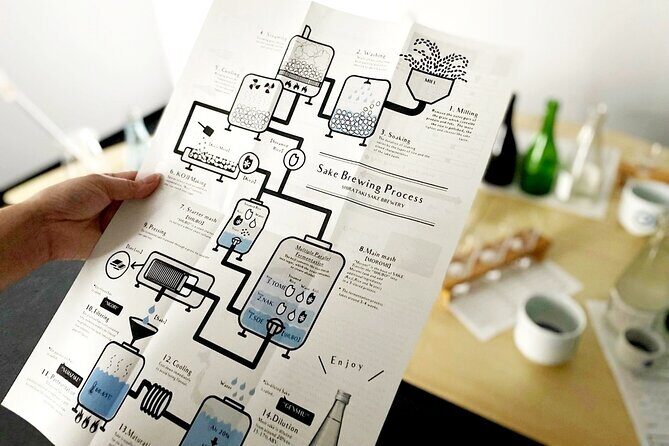
The tour highlights the unique philosophy of each tōji (master brewer). The guide doesn’t treat tōji like a name on a label. You’ll learn about ingredients they cherish and brewing techniques passed down through generations. Even if you don’t catch every technical detail, you’ll leave with a clear mental model:
- fermentation choices influence texture and finish
- ingredient selections affect aroma and flavor direction
- tradition influences consistency and how each brewery’s style shows up year after year
And because you taste across multiple breweries, you can notice patterns. One brewery might lean more crisp and dry. Another might be more mellow and round. You’re training your palate while tying it to real decisions, not just marketing language.
Tōji philosophy: how to taste with a purpose (not just for fun)
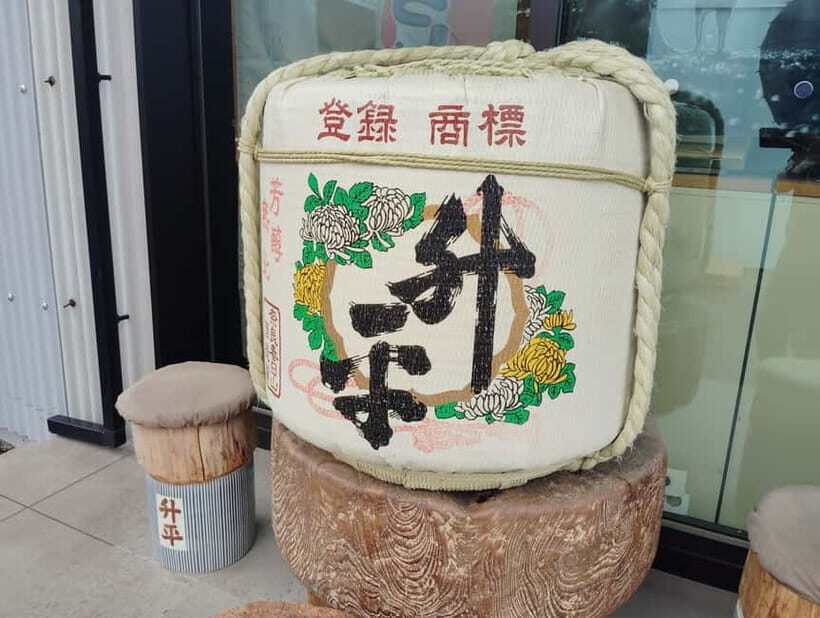
The tastings come with teaching, and that changes how you enjoy the experience. A good guide helps you taste like a detective.
Ask yourself these simple questions as you go:
- Does it finish clean or linger?
- Do you taste lightness first or sweetness/body first?
- Does the aroma feel sharp and fresh, or soft and rounded?
Then listen for what the guide connects to those impressions: the tōji’s approach, the ingredients they value, and the brewing techniques that produce the final character. You’re essentially building your own personal sake map—one style at a time—while the guide provides the framework.
This is also where the “personal” aspect shows up. People often highlight guides like Takashi and Yayoi for making the lesson friendly and never stiff. If you’re the type who likes to ask lots of questions, a private group setting can help you do that without worrying about slowing others down.
You can also read our reviews of more drinking tours in Nara

The quiet sake districts: a sensory break from big-city tourism
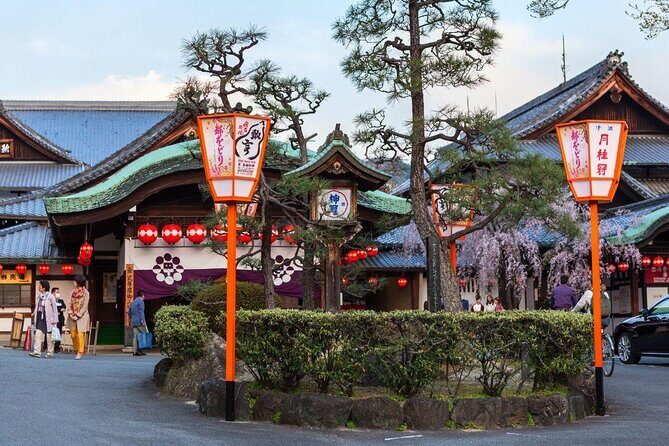
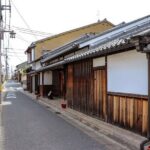
One underrated part of the tour is the setting. You’re not spending the whole afternoon inside tasting rooms. You’re walking through Nara’s sake neighborhoods, getting little glimpses between stops.
That matters for two reasons:
1) it lowers the pressure of constant tasting, so you can actually notice differences
2) it gives you a local-feeling experience, where the streets and small storefronts are part of the story
You’ll also be able to connect sake to everyday life in Nara, not just festival imagery. And since you’re moving at a human pace, the guide can point out how the areas support brewing culture.
Plus, there’s a built-in photo stop. It’s not a full tour of landmarks. It’s more like a chance to catch the vibe of the district while you’re already in the moment.
The sake shop stop: turning tastes into a smart souvenir
After the working breweries, the day includes a sake shop tasting location. This stop helps you translate what you experienced into something you can take home.
Even if you don’t buy anything, you’ll likely leave with better buying instincts. You can compare what you tasted with what’s on shelves, and you can ask questions about styles you liked. One person specifically noted that the guide helped them shop for items they couldn’t find elsewhere, which points to a real advantage of having a local expert along for the ride.
Practical tip for your shopping mindset: decide before you go what you want to be true at home. For example, if you know you prefer crisp and dry sake, prioritize that profile when you’re looking at bottles. If you gravitate toward rich and mellow styles, look for those cues and ask the guide what to expect from similar bottles.
This is how you avoid coming home with something that sounds exotic but doesn’t match your taste.
Guides that set the tone: warm, funny, and attentive
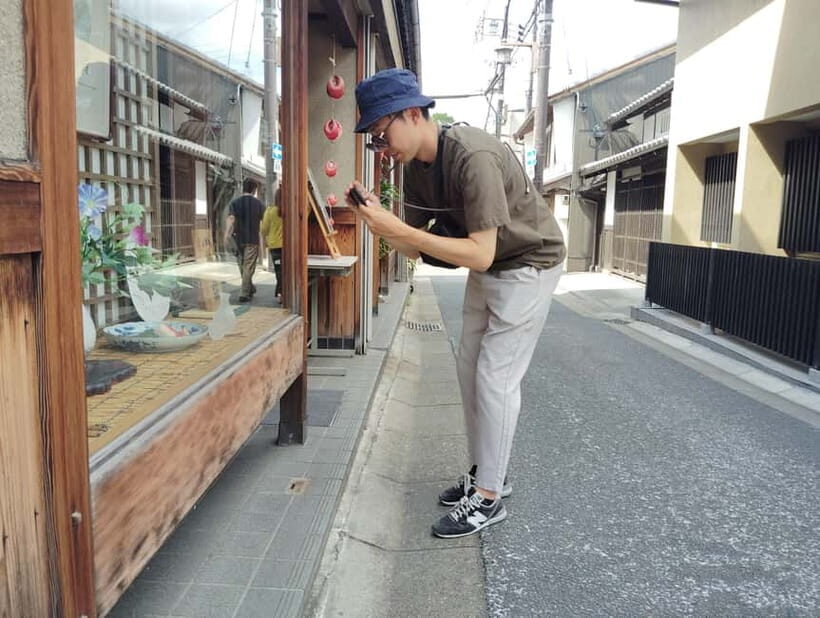
A tour like this lives or dies on the guide. And the guides people name in connection with this experience are consistently praised for personality and care.
Hiro Takeuchi is mentioned for being personable and accommodating, including for a father in a wheelchair. Takashi is described as funny, knowledgeable, and kind—someone who keeps the afternoon flowing while still teaching. Yayoi gets called out for strong communication and going above and beyond, including helping with train-line information from Osaka to Nara.
Even if you don’t get one of those exact guides, the pattern is clear: you’re not dealing with a rigid script. You’re getting a real conversation about sake and Nara, with enough warmth that the tour feels like an afternoon with a friend who happens to know their brewing.
Because it’s a private group, the best moments are usually the ones where you ask a question and get a tailored answer. That’s a big deal if you’re a beginner. It’s also useful if you’re curious about differences between styles but don’t know what technical terms mean yet.
Price and value: $119 for 3 hours that adds context
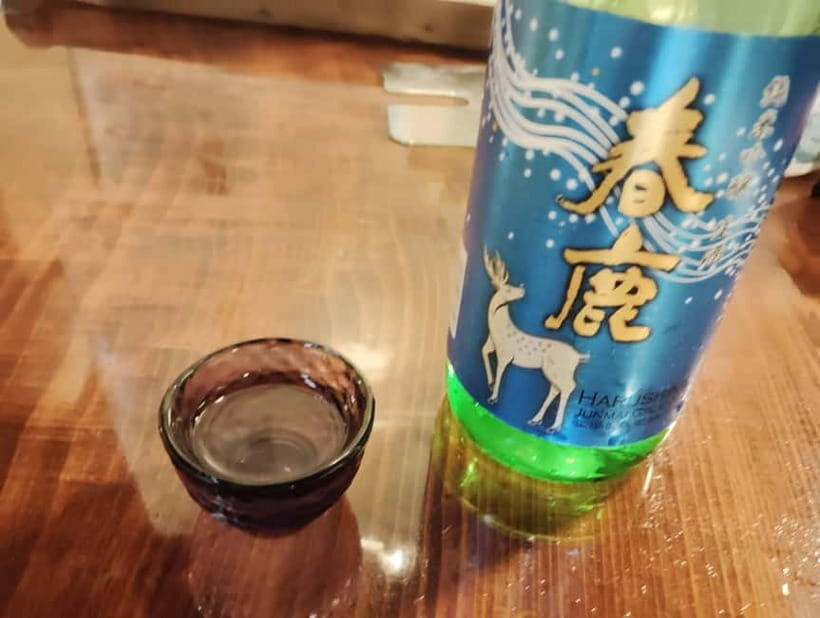
At $119 per person for about 3 hours, you’re paying for more than drinks. You’re paying for:
- guided walking through sake districts
- visits to four tasting locations
- tastings at three working breweries and a sake shop
- education tied directly to the styles you taste
- a live guide in Japanese or English
The value is strongest if you want the “why” behind sake. If you just want to drink, you could probably do it cheaper on your own. But if you want your tastings to teach you something—especially through the tōji philosophy and brewery comparisons—this price starts to make a lot of sense.
It’s also a good use of limited time. A 3-hour window is manageable in Nara, and starting at Ukimi-do Pavilion and ending at Kintetsu Nara Station helps you keep the rest of your day organized.
Who this tour suits best
This is a great match if you:
- like food and drink experiences with real cultural context
- want to taste a range from crisp/dry to rich/mellow without guessing
- enjoy guided learning and questions
- appreciate walking neighborhoods at a calmer pace
It can also work well for a dedicated sake fan who wants to learn how tōji philosophy shows up in the glass. The tour doesn’t promise you the most obscure bottles. It promises you a structured way to understand style differences with local explanation.
The main “maybe” is for people who struggle with walking. Since it’s a walking-focused route through sake districts, bring shoes, plan your stamina, and ask the team in advance if you have mobility questions. One guide was noted for accommodating a wheelchair user, but the tour still includes walking by design.
Should you book this Nara sake tasting tour?
Book it if you want a sense of Nara that goes past temples and photos. This tour gives you a drink-centered lens on the city—how it connects to history, climate, cuisine, and spirituality—while you taste across multiple producers.
Skip or rethink it if you hate walking, or if you only want casual drinking with no interest in explanation. Otherwise, three working breweries, multiple tasting styles, and a guide who keeps the tone warm and human make this a smart, memorable way to spend an afternoon in Nara.
If your ideal trip includes learning while you eat and drink, this is an easy yes.
FAQ
How long is the Nara sake tasting tour?
The tour lasts about 3 hours.
Where does the tour start and where do you finish?
It starts at Ukimi-do Pavilion (浮見堂) and finishes at Kintetsu Nara Station (近鉄奈良駅).
How many tasting locations are included, and how many breweries?
You visit four tasting locations. Tastings happen at three working breweries and at one sake shop.
What languages are the live tour guide available in?
The tour offers a live guide in Japanese and English.
Is this tour a private group?
Yes, it is listed as a private group.
What kinds of sake styles will you taste?
Sake tastings range from crisp and dry to rich and mellow.
Is there free cancellation, and can I reserve without paying yet?
Yes. You can cancel up to 24 hours in advance for a full refund. You can also reserve now and pay later.