REVIEW · KYOTO
Discovering Kyoto A Tailored Private Tour of the City’s Treasures
Book on Viator →Operated by Konnichiwa-japan · Bookable on Viator
Kyoto in three hours needs a smart plan. This private, customizable tour lets you steer the route with a local guide, beginning in Gion and working you through Kyoto’s standout sights plus quieter corners.
I really like two things about this setup: first, the guide-led walk keeps the explanations practical and easy to follow, and one of the guides mentioned in feedback, Diego, was specifically praised for connecting history and customs to what you’re actually seeing. Second, you get transportation to attractions plus a mobile ticket, so you spend less time figuring out logistics and more time looking up.
One consideration: with only about 3 hours, you won’t cover everything in Kyoto. Go in with priorities, and remember the tour needs good weather to run smoothly.
In This Review
- Key highlights you’ll feel on the day
- Why a tailored private tour beats “see everything” in Kyoto
- Getting started at Kyoto Station (and why that matters)
- The Gion stretch: streets, shrines, and room for your interests
- Izutsu Yatsuhashi Honpo Gion store: the sweet stop that actually teaches culture
- Gion Shirakawa: that classic canal feeling (minus the stress)
- Tatsumi Daimyojin Shrine and the other shrine stops: calm focus in between crowds
- Kabuki roots at the Statue of Izumo no Okuni
- Kiyomizu-dera: why one hour can feel like a highlight reel
- Price and logistics: is $95 per person good value?
- Weather, time slots, and one real risk to plan around
- Who this private Kyoto tour fits best
- Should you book this Kyoto private tour?
- FAQ
- How long is the Kyoto private tour?
- What does the $95 price include?
- Is this a private tour?
- Where does the tour start and end?
- Are admission tickets included for major stops like Kiyomizu-dera?
- What happens if weather is bad or I need to cancel?
Key highlights you’ll feel on the day
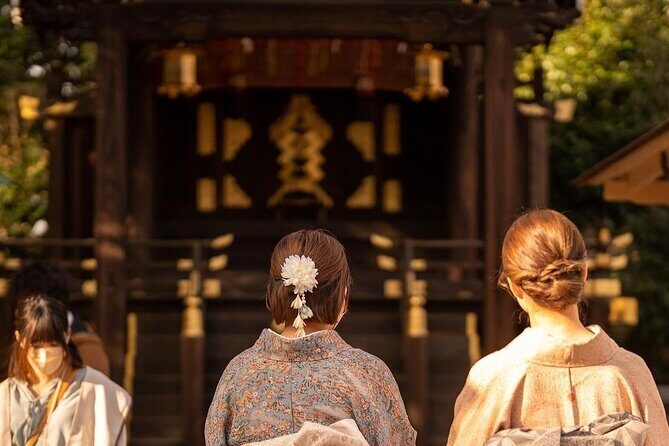
- Private, just-your-group format means you can set the pace and focus
- Morning timing (starting between 9:00 AM and 11:30 AM) can help you beat the worst crowds
- Gion + shrine stops mix classic Kyoto views with more spiritual side streets
- Izutsu Yatsuhashi Honpo Gion store is built into the route for a Kyoto sweet moment
- Kiyomizu-dera with Otowa Spring and major viewpoints is a centerpiece stop
Why a tailored private tour beats “see everything” in Kyoto
Kyoto can feel like a choose-your-own-adventure book—except every page is crowded. The appeal here is the private format plus customization. Your guide can adjust the order and emphasis so the walk fits what you care about: temples, neighborhood streets, shrines, or a quick food culture stop.
I also like that the tour isn’t trying to cram in endless checkboxes. Instead, it gives you a focused loop through multiple Kyoto vibes: the geisha district streets around Gion, traditional shop culture with a yatsuhashi stop, several smaller shrines, and then a major hit at Kiyomizu-dera.
The price is $95 per person for a 3-hour experience. In a city where “DIY” can still cost you time and transit confusion, that can feel fair if you’d otherwise waste half your day figuring out the route. It’s best value when you want a guide to connect dots fast.
You can also read our reviews of more city tours in Kyoto


Getting started at Kyoto Station (and why that matters)
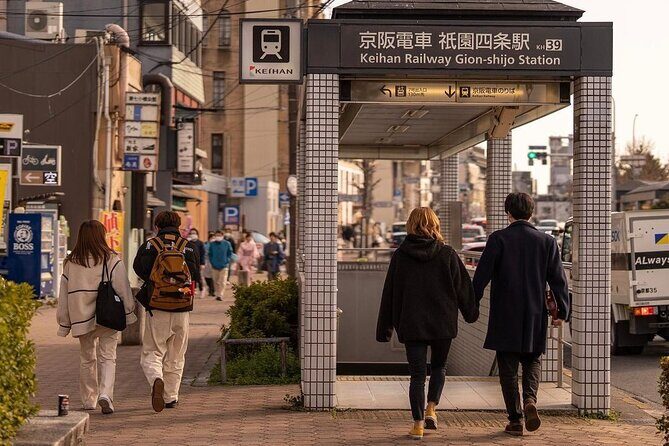
You meet at Kyoto Station (Higashishiokoji Kamadonocho, Shimogyo Ward). The ending point is the same meeting location, so you’re not stuck planning a separate return.
Pickup is offered, which matters more than it sounds. Kyoto transit can be easy once you’ve settled, but on day one, it’s also easy to lose 30–40 minutes to transfers or wrong turns. Having transportation to attractions included keeps the morning flowing.
Also pay attention to the time window: the tour runs daily from 9:00 AM to 11:30 AM. If you’re the type who wants your sightseeing done before lunch crowds kick in, this fits your rhythm. You’re basically booking a short, guided sprint with enough breathing room to actually look at details.
And yes, it’s a mobile-ticket tour. That usually means less fuss at the start, which is a small win when you’re already carrying a train ticket stack in your head.
The Gion stretch: streets, shrines, and room for your interests
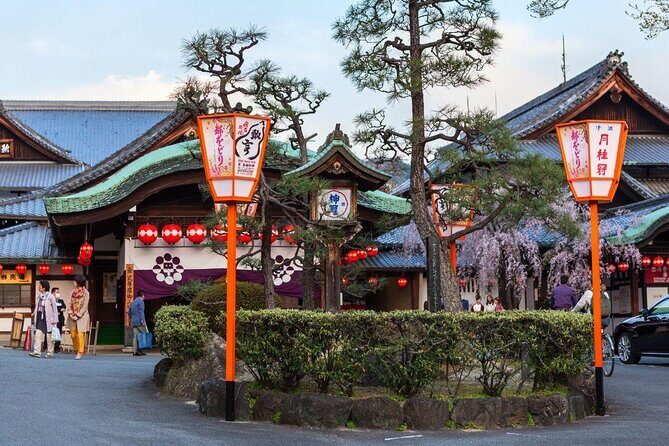
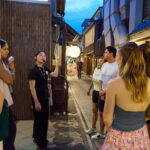
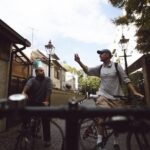
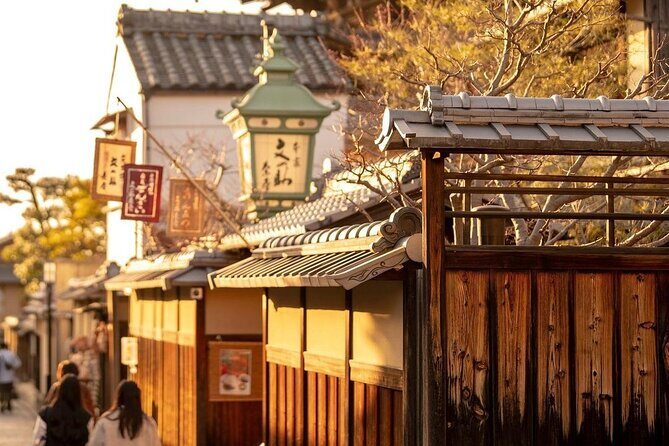
The tour often begins with Gion as its anchor. Gion isn’t just a pretty postcard. It’s a living neighborhood where you’re likely to see atmospheric lanes, traditional wooden architecture, and the kind of street layout that makes Kyoto feel different from Tokyo.
During this first major block, your guide can steer you toward signature Kyoto sights and also pull in quieter options. The tour description specifically mentions the chance to visit major icons such as Fushimi Inari Shrine, Kiyomizu-dera, and Arashiyama Bamboo Grove, plus “lesser-known gems” like hidden shrines, local markets, and quaint neighborhoods. That flexibility is the whole point: you’re not locked into one route.
Here’s how to think about it practically. If you’re doing Kyoto for the first time and you’re nervous about missing the famous stuff, ask your guide to prioritize one big icon early. If you already know you’ll return to temples later, lean into the side streets around Gion and the smaller neighborhood stops—those are often where the day feels more personal.
Izutsu Yatsuhashi Honpo Gion store: the sweet stop that actually teaches culture
Food stops can feel random on tours. This one is different because it’s tied to a Kyoto specialty: yatsuhashi. The tour includes a visit to Izutsu Yatsuhashi Honpo Gion store at Kyogoku Ichibangai.
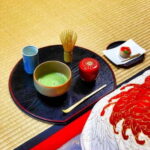
You’ll have a focused window to experience the tradition of Kyoto sweets. Even if you just buy a small pack, the value is that your guide can connect the taste to the place—what it is, why it’s associated with Kyoto, and how it fits into everyday culture around Gion.
Practical advice: go with a light appetite. If you’re sensitive to sugar, you still may want one bite to understand the flavor, then save the rest. It’s a classic “taste, don’t binge” moment that won’t derail the walking pace.
Gion Shirakawa: that classic canal feeling (minus the stress)
Gion Shirakawa is a name you’ve probably seen on posters, but on a guided walk it becomes more than a photo spot. This stop gives you time to stroll along a picturesque stretch of the district, where the narrow streets and the surrounding atmosphere create a slow, old-feeling pace.
Why it’s useful on a short tour: you get a major visual Kyoto moment without having to plan how to reach it, when to go, and what to look for once you arrive. Your guide can also help you read what you’re seeing in the environment—so you’re not just snapping pictures and moving on.
If your group likes photography, this is a good place to slow down. If your feet are already tired, you still get the atmosphere without committing to a long detour.
You can also read our reviews of more private tours in Kyoto



Tatsumi Daimyojin Shrine and the other shrine stops: calm focus in between crowds
Kyoto’s shrines can be quietly powerful, but they’re also easy to treat like backdrops. This tour includes multiple shrine experiences, including:
- Tatsumi Daimyojin Shrine (Tatsumi Jinja)
- Yasui-Konpiragu (with a note about its stone monuments and rituals)
- Yasakanoto (the towering pagoda in the Gion district)
- A stop near spiritual landmarks like the Yasui area
You’ll notice a pattern: after the busier Gion streets and the shop stop, the route shifts you toward places where people come to pray, reflect, and follow local ritual rhythms.
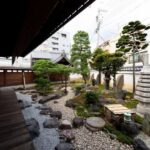
At Yasui-Konpiragu, the tour description highlights unique stone monuments and rituals. That kind of detail is what makes shrine time worth it. It’s not just “walk through and look.” It’s understanding why certain features matter and what locals do when they’re there.
As for pacing: each of these stops is short, so you don’t lose the whole morning to one location. The advantage of that for many people is simple. You leave with multiple “Kyoto signals” in your head—Gion, devotion, tradition—without feeling like you missed the rest.
Kabuki roots at the Statue of Izumo no Okuni
A fun, unexpected angle on Kyoto: performance origins. The tour includes the Statue of Izumo no Okuni, which connects to the origins of Kabuki theater and honors its legendary founder.
Even if you’re not a hardcore theater nerd, this works because it links art to place. Kyoto isn’t only temples and gardens. It’s also a city where culture—stage, fashion, ritual, and storytelling—has roots that stretch far back.
This stop is also a good breather. It’s not as physically demanding as climbing a temple approach, and it gives your brain a new way to interpret what you’ve been seeing all morning.
Kiyomizu-dera: why one hour can feel like a highlight reel
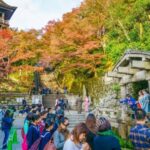
Kiyomizu-dera is the centerpiece of the route, with about 1 hour on site and admission ticket included. It’s one of those temples that rewards you for slowing down for just long enough.
The tour information specifically points to the viewing platform, the three-storey Koyasu pagoda, and the medicinal pure waters of the Otowa Spring. That’s a helpful checklist for your eyes once you arrive. Instead of standing around wondering what you’re supposed to notice, you can track those features as you move through the area.
Here’s the practical part: Kiyomizu-dera is busy by nature. With only about an hour, you’ll want to aim for the key viewpoints and the main flow of the complex rather than wandering in circles.
If you care about the Otowa Spring experience, watch for the ritual setup and follow local guidance. If you mostly care about the big views, focus your time on the viewing platform area and the pagoda sightlines your guide points out. Either way, this stop tends to anchor the entire tour in a way that makes the earlier neighborhood moments feel more meaningful.
Price and logistics: is $95 per person good value?
At $95 per person for roughly 3 hours, this is priced like a true guided experience, not a quick drop-off sightseeing bus tour. You’re paying for:
- a local guide
- transportation to attractions
- a private group setup (only your group participates)
- admission tickets included at select stops (including Kiyomizu-dera and Yasui-Konpiragu, plus a ticketed component at the main early block)
What’s not included is brunch and alcoholic beverages. That’s normal for a short morning tour. It also means you can choose a meal that matches your tastes rather than settling for whatever is easiest.
When this price feels most worthwhile: when you’re traveling with someone who likes different things than you do, or when you’re worried about navigating Kyoto efficiently. Private tours earn their keep by saving decision fatigue. You’re buying clarity.
When it might not be the best deal: if you already know exactly which route you want, you’re comfortable using public transit, and you don’t care about guided context. In that case, DIY can be cheaper.
Weather, time slots, and one real risk to plan around
This tour requires good weather. That’s important because Kyoto mornings can swing between clear and misty, and outdoor walking is part of the experience.
Also, while there is free cancellation up to 24 hours in advance for a full refund, there’s a real-world possibility of last-minute cancellation due to staffing during high demand periods. The lesson is simple: don’t schedule your most important Kyoto moments too tightly against a single morning. Keep one backup plan in mind.
The tour runs every day in the morning window (9:00 AM to 11:30 AM), so if one date slips, you may have options for another time, but flexibility is your friend.
Who this private Kyoto tour fits best
This is a strong fit if you:
- want a guided route without paying attention to every transit step
- care about a mix of Gion atmosphere plus major temples like Kiyomizu-dera
- like cultural stops that connect to daily life (like yatsuhashi)
- prefer a private pace over joining a big group
It’s also great for first-timers who want their orientation to Kyoto fast. And it works well for pairs and small families who don’t want to split up or argue over priorities.
If you’re the kind of traveler who likes getting lost on purpose and exploring without structure, you might prefer DIY. But if you want your short Kyoto window to feel organized and meaningful, this tour does that job.
Should you book this Kyoto private tour?
I’d book it if your main goal is a smart morning plan: Gion streets, a couple of shrine moments that feel purposeful, and Kiyomizu-dera as the clear highlight. For $95 per person, the combination of guide + transportation + selected admissions is a fair deal, especially in a city where independent routing can eat time.
Skip it or plan carefully if you’re trying to stack too many big activities into one day, or if your schedule is tight with weather-dependent walking. And because you’re choosing among multiple iconic Kyoto options, don’t be shy about telling your guide what matters most to you.
If you want Kyoto in focused, guided chunks instead of random wandering, this is one of the better ways to do it in a short amount of time.
FAQ
How long is the Kyoto private tour?
It runs for about 3 hours.
What does the $95 price include?
The tour includes a local guide and transportation to attractions. Admission tickets are included for some stops, while other stops are free.
Is this a private tour?
Yes. It’s private, so only your group participates.
Where does the tour start and end?
It starts at Kyoto Station (Higashishiokoji Kamadonocho, Shimogyo Ward, Kyoto 600-8216) and ends back at the same meeting point.
Are admission tickets included for major stops like Kiyomizu-dera?
Yes. Kiyomizu-dera has admission ticket included, and Yasui-Konpiragu also has admission ticket included. Other stops listed are free.
What happens if weather is bad or I need to cancel?
The experience requires good weather. If it’s canceled due to poor weather, you’ll be offered a different date or a full refund. You can also cancel for a full refund up to 24 hours before the start time.