REVIEW · OSAKA
Osaka: Kendo Workshop Experience
Book on GetYourGuide →Operated by Park for us Co.,Ltd · Bookable on GetYourGuide
Bamboo swords change your focus fast. This Osaka workshop is a hands-on way to learn Kendo through etiquette, drills, and controlled sparring-like practice in just two hours. You get the full feeling of traditional training, from the dojo silence to the crisp sound of shinai on contact.
I especially like two things. First, the instruction is safety-focused and detail-driven, so beginners can actually progress during the session. Second, the class doesn’t just teach swings; you follow a complete flow that turns ritual into technique, then into a mini-game you can try for yourself.
One thing to consider: it’s not a casual sit-and-watch activity. You’ll wear Kendo armor and a men face protector, and the session is a physical practice—plus it isn’t suitable for children under 9, pregnant women, or people with mobility impairments or wheelchair users.
In This Review
- Key things you’ll notice right away
- Arriving at 鴫野会館 / Shigino Kaikan hall: the atmosphere does half the work
- Gear up: rental armor, face protection, and staying safe
- The dojo routine: etiquette and the idea of unifying your spirit
- Hitting basics: learning the flow from lecture to drills
- The Kendo culture break: why history and manners matter in your stance
- Match-style mini-game: controlled contact with the fun factor
- Watching national-level demos and finishing with etiquette and photos
- Price and value: what $116 buys you in real coaching time
- Who should book this Kendo workshop in Osaka
- After practice: the izakaya option and a Samurai meal idea
- Should you book this Kendo workshop?
- FAQ
- How long is the Osaka Kendo workshop?
- Where do I meet for the experience?
- Is the workshop in English?
- What’s included in the price?
- Is food included?
- What do I do during the session?
- Are there age or health limits?
- What group size should I expect?
- Is cancellation allowed?
- Are alcohol, drugs, or pets allowed?
Key things you’ll notice right away
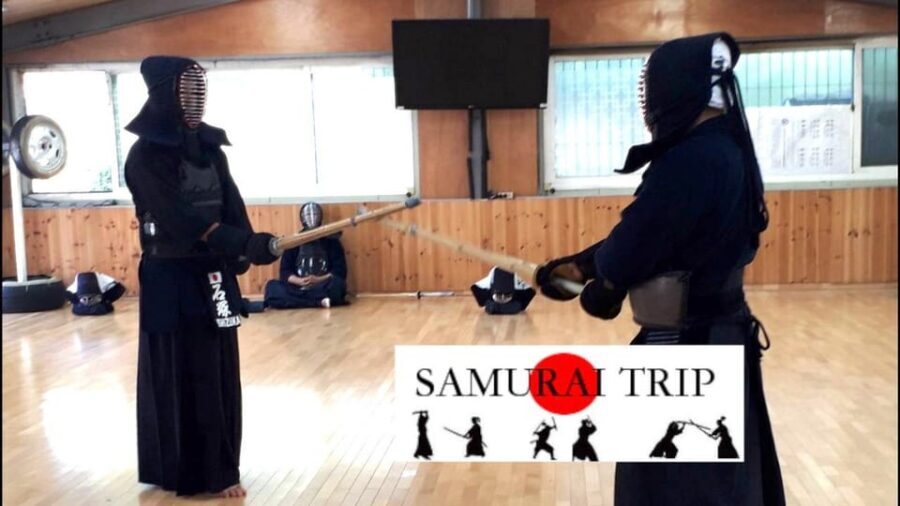
- Small group coaching (limited to 2 participants) with close feedback
- Ritual-to-technique progression, including hitting and then match-style practice
- Culture breaks that connect what you do physically to Kendo manners and history
- Men face protector moment, so you practice with the gear Kendo uses
- National-level demonstrations you can watch up close and learn from
- A take-home towel plus etiquette and photography at the end
Arriving at 鴫野会館 / Shigino Kaikan hall: the atmosphere does half the work
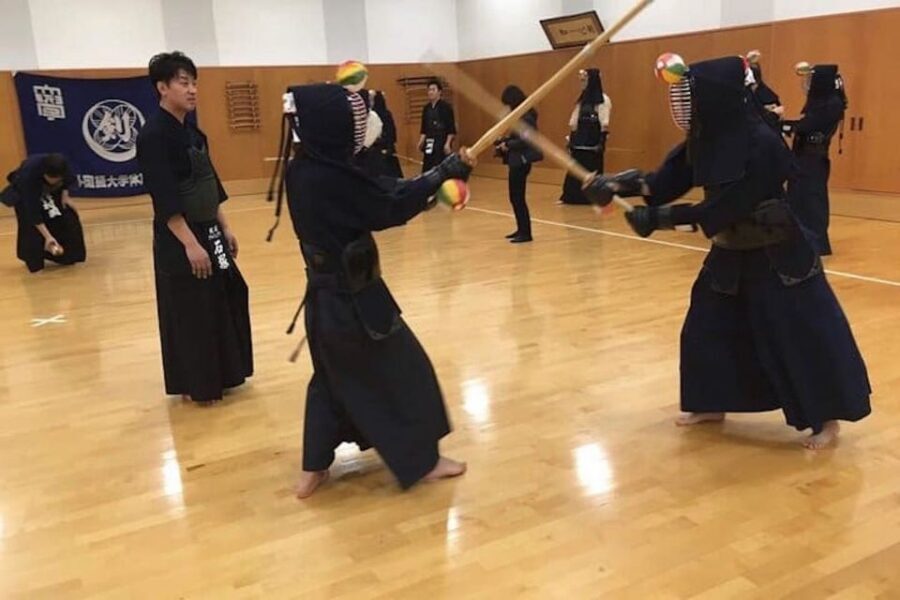
The experience starts at 鴫野会館 / Shigino Kaikan hall, where you’ll meet your instructor and get oriented. What struck me isn’t just that you’re about to learn Kendo—it’s how quickly the setting moves your brain out of tourist mode. Dojos have a way of making you slow down, sit up straight, and pay attention.
You’ll notice the rhythm is built around respect. Even before you pick up anything, you’re pulled into the culture of how Kendo is trained: manners matter, and the training space is treated seriously. That matters for beginners, because good etiquette helps you feel safe and confident. You’re not guessing; you’re following a structure.
Also, the small group format helps. With a group limited to 2 participants, the instructor can watch your stance and timing closely instead of giving generic instructions. The result feels more like private coaching than a one-size-fits-all show.
A few more Osaka tours and experiences worth a look

Gear up: rental armor, face protection, and staying safe
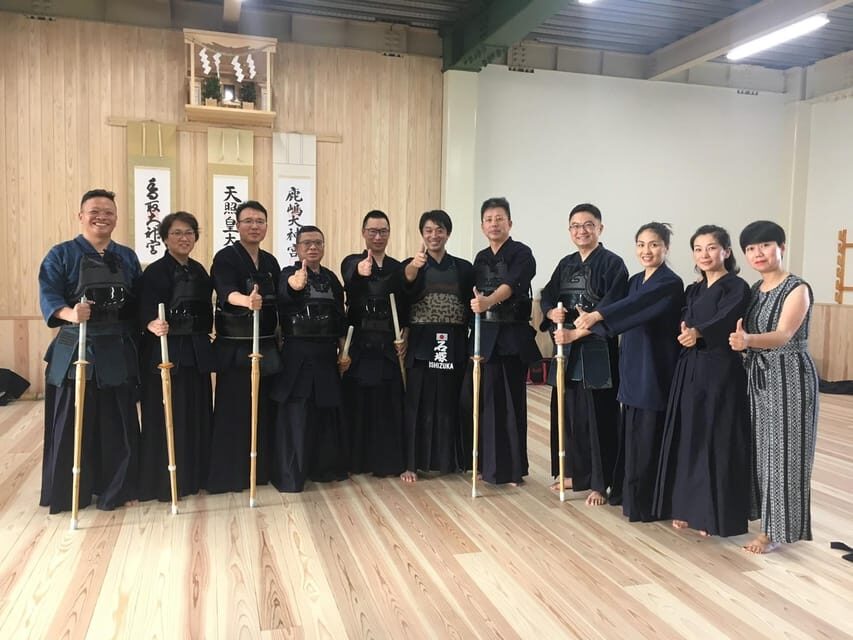
You’ll rent the Kendo armor and equipment as part of the experience, so you don’t need to hunt down gear before your Osaka trip. The included setup includes everything you need to start practicing, plus free mineral water and a hand towel.
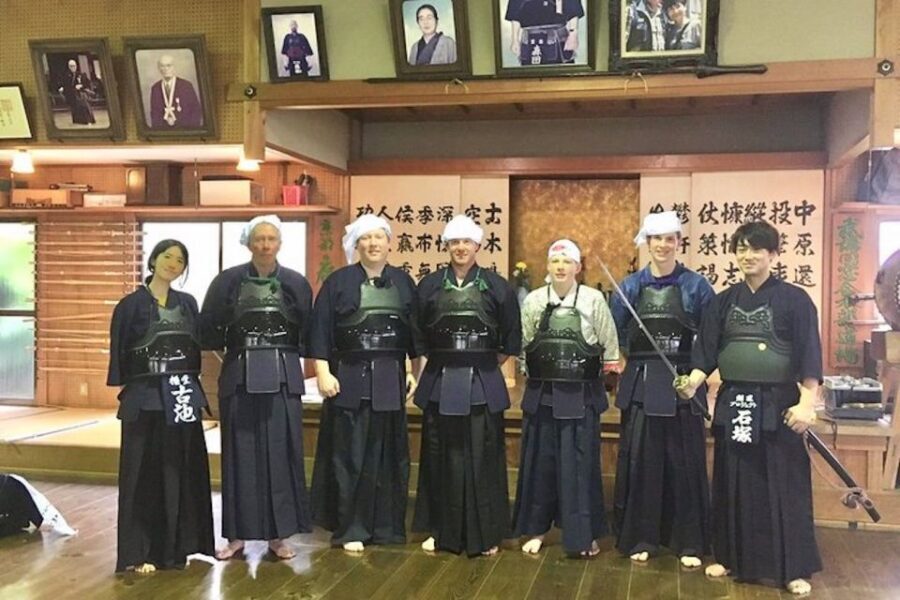
The key moment is when you put on the men, the face protector. This is the part that turns the class from learning motions into doing Kendo for real. With the men on, you’re forced to rely on correct posture, timing, and controlled distance—exactly what makes Kendo feel like a martial art rather than cosplay.
Safety is handled by how the session is taught: the most experienced instructors guide you through each stage, and the drills are structured so you’re not thrown into chaos. You practice with bamboo swords (shinai), and the instructor’s job is to help you land the right action without guessing.
If you’re the nervous type, this is where you’ll feel the difference. One review highlights how the instructor, Yamasaki sensei, gave clear explanations in English and made the pacing comfortable even for first-timers. That combination—gear + coaching + control—is why beginners leave feeling they actually learned something.
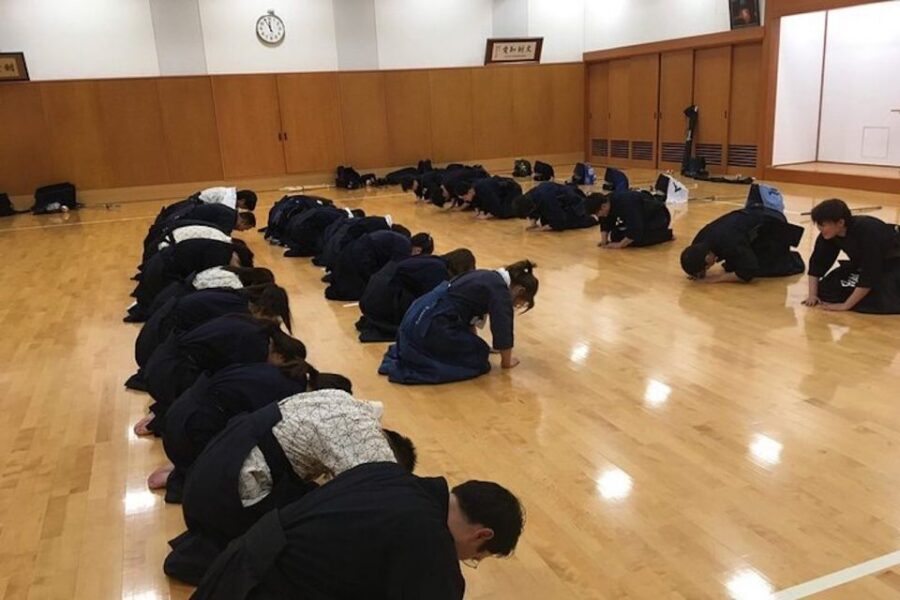
The dojo routine: etiquette and the idea of unifying your spirit
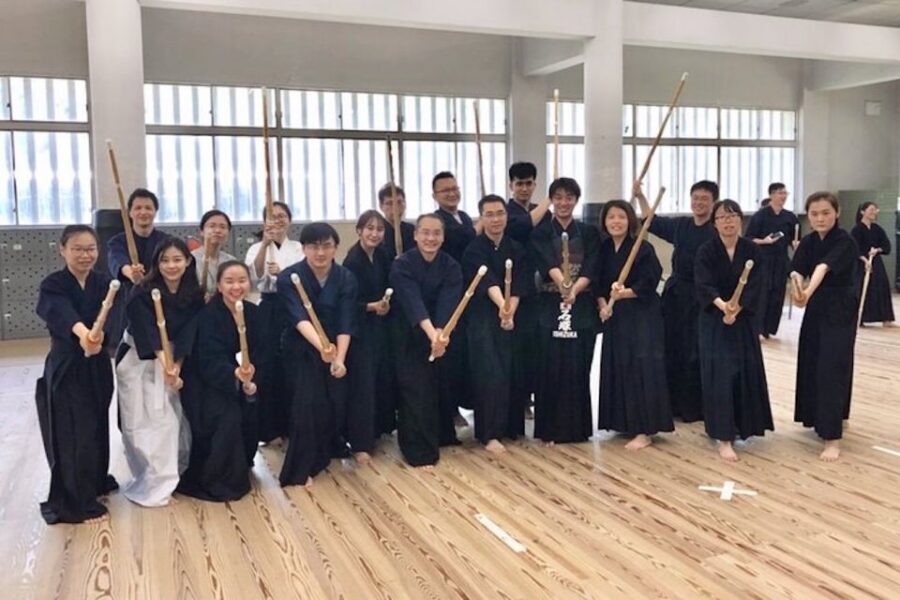
Kendo training has a lot of “before the fight” work, and you do it here. The session includes a basic lecture on manners and the meaning behind Kendo’s goals—things like unifying your spirits and practicing lifelong Kendo. It’s not just philosophy recited at you. In Kendo, mindset shows up in how you stand, how you respond, and how you move.
You’ll go through a change of clothes moment and then an etiquette segment that sets the tone. You learn how to behave in the dojo and how to carry yourself while training. It sounds simple, but it changes the physical experience: when you understand what your body is supposed to do, the rest gets easier.
There’s also something quietly powerful about the dojo itself—tranquil, focused, and full of disciplined silence. You can hear the collision of bamboo swords and the instructor’s voice echo through the room. That sound becomes a kind of feedback loop: it tells you when your timing is on and when you need to adjust.
This is one of the most praised parts of the session, and it makes sense. When etiquette is done right, you stop thinking about being watched and start thinking about training.
Hitting basics: learning the flow from lecture to drills
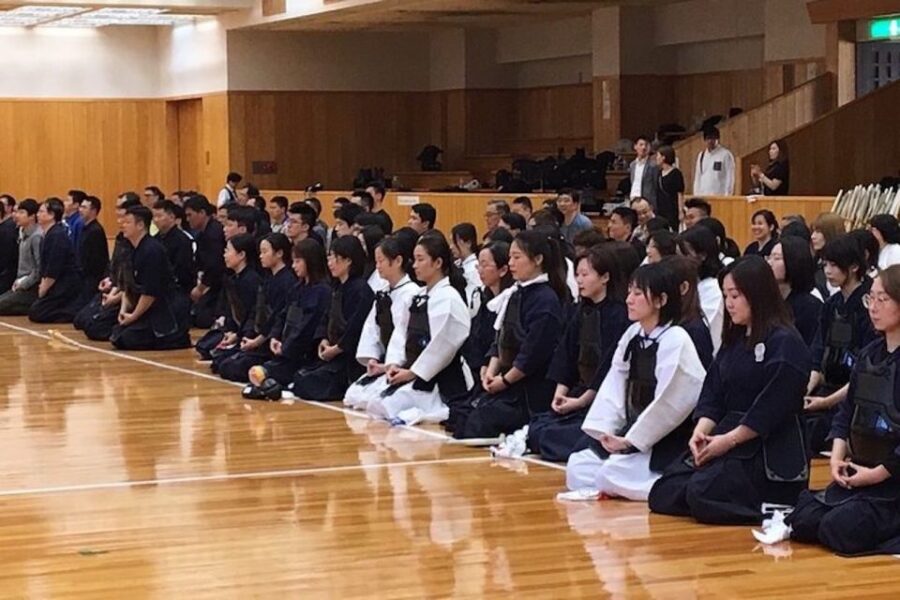
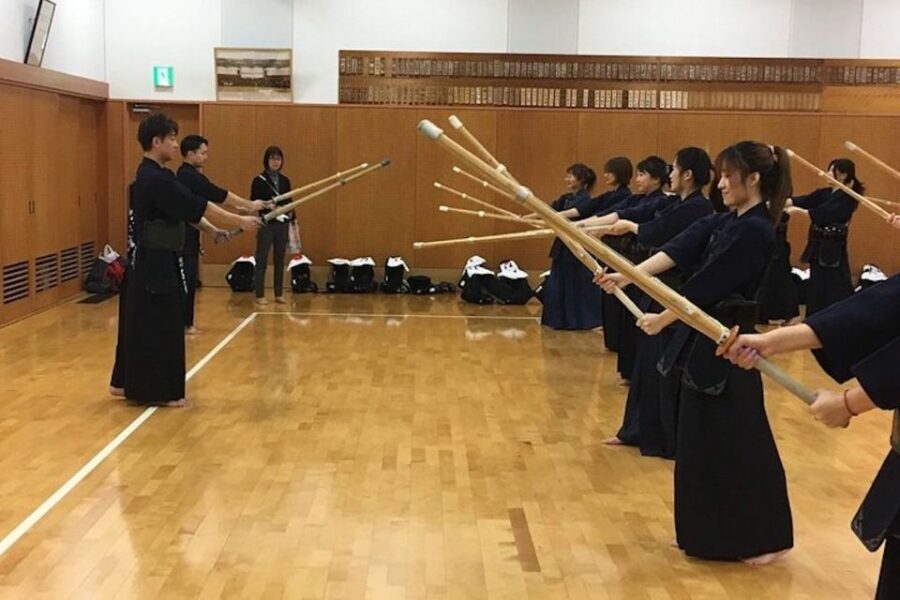
Once etiquette and basic instruction are covered, you move into the practical work. The planned regular model program includes steps like basic lecture, then practicing with bamboo swords, including controlled hitting drills and technique practice with instructor guidance.
You’ll learn how to hit in a way that’s repeatable, not random. In other words, you’re not only learning a single move—you’re learning how to connect preparation, posture, and the strike. The instructor watches your form and corrects details as you go. That kind of correction is what makes beginners improve quickly.
Then you practice hitting drills again after the men face protector part. This repetition is useful: your body learns the action once, then learns how to keep it correct when your vision and focus change with full gear.
If you want a “real training” feeling, this is where it happens. Reviews point out that it doesn’t feel like a casual samurai costume workshop. It feels like Kendo practice: you receive instruction, you try the technique, and you adjust based on feedback.
The Kendo culture break: why history and manners matter in your stance
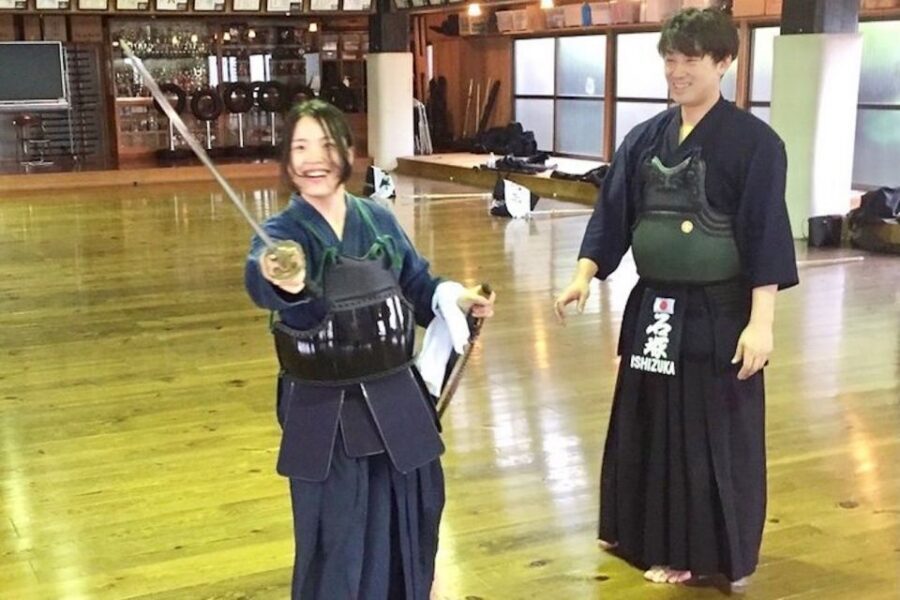
Between training blocks, there’s a culture course focused on Kendo as a martial art—not only on competing. You learn about the history and the manners that shape how Kendo is taught.
This matters because Kendo can look similar from the outside: people in armor, bamboo swords, dramatic calls. The culture course helps you understand what you’re seeing and doing in a way that sticks. You’ll feel the difference when you realize manners aren’t optional decoration. They’re part of how the practice stays disciplined and safe.
You also pick up the “why” behind the structure of the session. The order isn’t random. Ritual first helps you settle your mind. Basic lecture then helps you coordinate your body. Drills give you feedback through repetition. Culture ties the whole thing together so it feels like a tradition, not just movement practice.
You don’t need prior knowledge to benefit. Even if you only catch a few ideas, they give your movements meaning—and meaning helps retention.



Match-style mini-game: controlled contact with the fun factor
After you’ve been through the basics and the men gear segment, the program includes a match-style mini-game. This is the point where many people expect something like “pretend sparring,” but the value here is that you actually get to experience the rhythm of a match-like exchange.
You practice hitting to the teacher, then you shift into a mini-game that lets you apply what you learned under a more game-like structure. The best part is that it’s still taught with safety and instruction in mind, so you’re not stuck doing only isolated techniques.
This is where the session becomes memorable. You get the thrill of action, but you’re still guided by what the instructor wants you to focus on. It’s also why the small group format helps: your instructor can tailor coaching and pacing so you’re active instead of waiting.
One review describes the experience as a true step into training, not a tourist gimmick, and that matches the feel of this segment. The mini-game gives you a taste of Kendo’s competitive side without requiring months of prep.
Watching national-level demos and finishing with etiquette and photos
To close, the session includes demonstrations by national-level instructors. This part is worth it even if you think you came only for hands-on practice. Watching techniques performed at a higher level helps you understand what “clean” looks like—distance, timing, and posture all show up clearly when you see skilled motion in person.
After demonstrations, you do etiquette again and wrap up with photography. You’ll also receive a special Kendo towel, and the towel is designed to be used when putting on your men face protector. That little detail makes the session feel complete—like you’re learning the whole workflow, not just the dramatic parts.
If you care about context, the demos also help you see how technique connects to the earlier cultural lessons. You start to notice that Kendo is as much about controlled spirit and discipline as it is about hitting.
Price and value: what $116 buys you in real coaching time
At $116 per person for about 2 hours, the price can feel high if you compare it to a generic activity. But this isn’t generic. You’re paying for a trained instructor, rental armor and equipment, close coaching in a small group, and guided practice that covers ritual, technique, and match-style play.
You’re not just paying for shinai swings; you’re paying for someone to correct your posture and timing while keeping the session safe. That coaching quality is the big value driver, and it’s one reason the reviews score so highly.
Also, the included extras matter in Japan. Mineral water and a hand towel are covered, and the towel take-home is a nice practical souvenir you’ll actually use at home if you’re curious about training.
If you want one Kendo experience that gives you both the tradition and a try-it moment, this workshop is priced like an instruction session, not like a show.
Who should book this Kendo workshop in Osaka
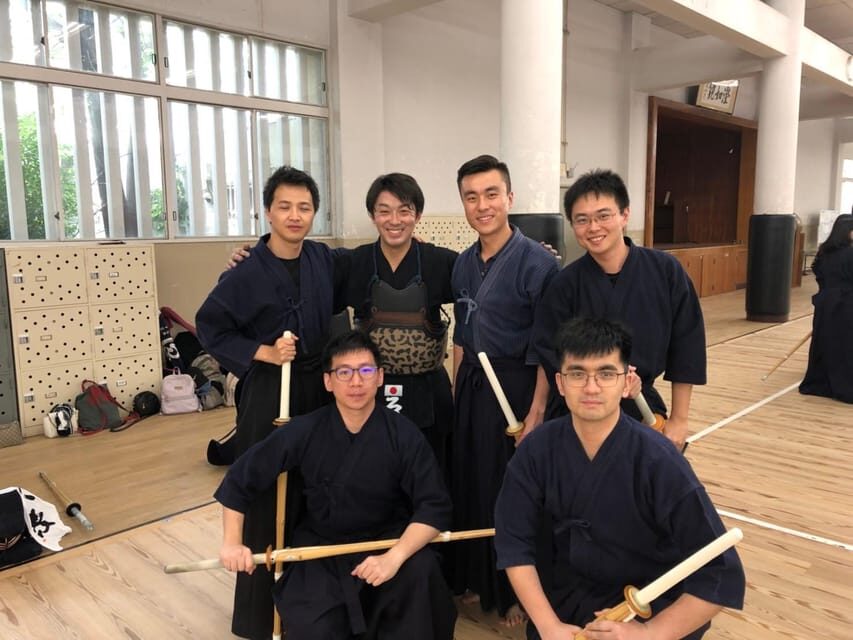
This is a great fit if you want:
- A beginner-friendly introduction to real Kendo practice, taught with structure
- A calmer, more respectful activity than typical sightseeing
- A short session with enough action to feel satisfaction by the end
It’s less ideal if you:
- Need an accessible format. The session is not suitable for people with mobility impairments or wheelchair users, and it isn’t recommended for pregnant women.
- Are bringing young kids. It’s not suitable for children under 9.
- Want a low-movement experience. You will put on armor and practice.
Language-wise, the instructor communicates in English and Japanese, which helps if you don’t speak Japanese. Reviews highlight English-friendly explanations, including clear teaching from instructors like Yamasaki sensei.
After practice: the izakaya option and a Samurai meal idea
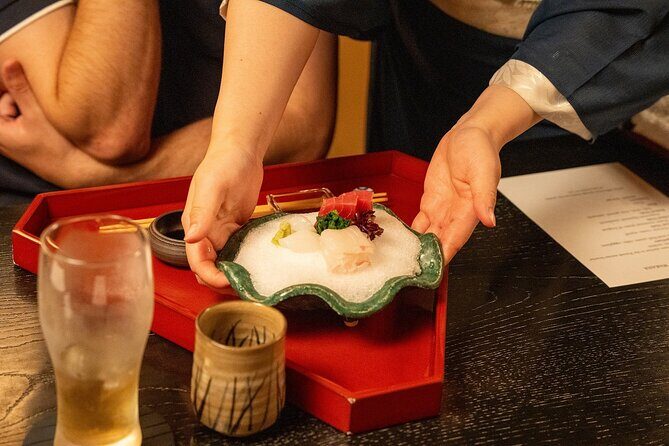
Once you finish and change clothes, it’s easy to keep the day Japanese. The program suggests heading to an izakaya, and there’s even a Special Samurai meal idea on the menu. It won’t replace your Kendo training, but it’s a fun way to keep the theme going without turning the experience into a full-day gimmick.
If you’re hungry after two hours in gear, an izakaya stop makes practical sense. You’ll likely feel warm, tired, and ready for something comforting.
Should you book this Kendo workshop?
If you’re on the fence, book it if your goal is to try Kendo in a way that feels authentic and safe, with coaching you can actually use. The combination of etiquette, gear, drills, and a match-style mini-game is exactly what makes this more than a quick photo opportunity.
Skip it if accessibility or physical intensity is a concern, or if you want only light observation. This experience is built for doing, not watching.
For the best decision, ask yourself one question: do you want to leave with a real sense of how Kendo training works? If yes, this is one of the most efficient ways to get that feeling in Osaka.
FAQ
How long is the Osaka Kendo workshop?
It lasts 2 hours.
Where do I meet for the experience?
You meet at 鴫野会館 / Shigino Kaikan hall.
Is the workshop in English?
Yes. The instructor speaks English and Japanese.
What’s included in the price?
The experience includes a professional guide/instructor, rental of kendo armor and equipment, free mineral water, and a free Japanese hand towel.
Is food included?
No. Food is not included.
What do I do during the session?
You’ll change clothes, learn etiquette and basic instruction, practice hitting with bamboo swords, practice hitting to the teacher, learn Kendo culture (history and manners), put on the men face protector, do more practice, then play a match-style mini-game. There are also demonstrations by national-level instructors, plus etiquette and photography at the end.
Are there age or health limits?
Yes. It’s not suitable for children under 9, pregnant women, people with mobility impairments, or wheelchair users.
What group size should I expect?
It’s a small group limited to 2 participants.
Is cancellation allowed?
Yes. You can cancel up to 24 hours in advance for a full refund.
Are alcohol, drugs, or pets allowed?
No. Pets are not allowed, and alcohol and drugs are not allowed.