REVIEW · OSAKA
Osaka Michelin Food Tour Experience Kaiseki and Local dishes
Book on Viator →Operated by MagicalTrip Inc. · Bookable on Viator
Michelin kaiseki and street bites in one walk. I like that this 3.5-hour Osaka food tour mixes a refined Michelin-starred kaiseki meal with iconic takoyaki from a Bib Gourmand–recognized shop, then finishes with a matcha dessert. One heads-up: the takoyaki includes octopus and dashi (fish broth), and the tour notes it can’t be swapped.
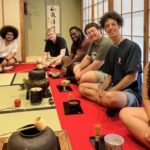
This is a small-group setup (max 6 guests plus the guide), so you get time to ask questions about Japanese dining habits. You’ll also hit a pottery shrine and an Edo-era tableware stop, which turns the meal part into a more meaningful food-and-culture route.
In This Review
- Key highlights to know before you go
- Michelin kaiseki meets Osaka street food
- The value question: is $162.58 worth it?
- The route in plain English (and what each stop is really for)
- Stop 1: Hibuse Pottery Shrine (about 20 minutes)
- Stop 2: Ajikitcho Bunbuan in Honmachi (about 1 hour)
- Stop 3: Shotengai stroll toward Amerikamura (about 20 minutes)
- Stop 4: Ceramics shop with Edo-era tableware (about 30 minutes)
- Stop 5: Amerikamura takoyaki (about 40 minutes)
- Stop 6: Matcha dessert near Shinsaibashi or Nanba Station (about 30 minutes, included)
- Who the guide style seems best suited for
- Dietary needs and allergies: read this part carefully
- Timing, walking, and clothes: the practical stuff that affects enjoyment
- Is this tour kid-friendly?
- Should you book this Osaka kaiseki and local dishes tour?
- FAQ
- What’s the duration of the Osaka Kaiseki and Local Dishes tour?
- Where do I meet the guide, and what time does the tour start?
- How many people are in the group?
- What food is included in the tour?
- Is the takoyaki able to be substituted for dietary needs?
- Do they offer vegetarian options?
- Does the tour run in bad weather?
- Can I cancel, and how late can I do it?
Key highlights to know before you go
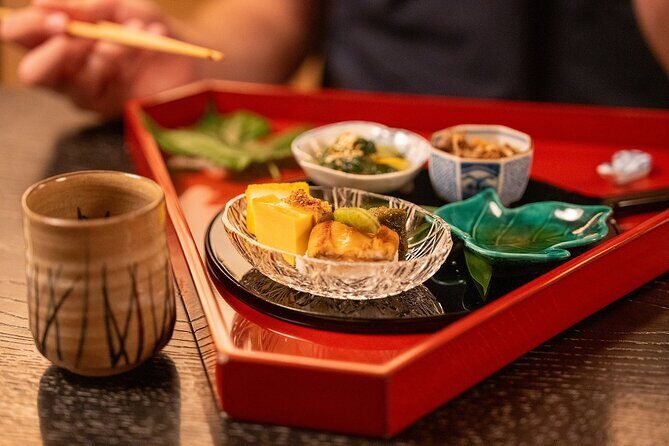
- Michelin-star kaiseki at a restaurant in Honmachi known for seasonal ingredients and artistic presentation
- Takoyaki in Amerikamura from a shop recognized at the Bib Gourmand level, served hot and freshly grilled
- Hibuse Pottery Shrine as a short, meaningful opening stop connected to ceramics and fire-protection prayers
- Ceramics shopping break with Imari ware and antique tableware you can picture using at home
- Matcha dessert finish with tea-style sweetness to balance the savory meal
- Small group pacing with about 2–3 km of relaxed walking and a guide who explains what you’re eating
Michelin kaiseki meets Osaka street food
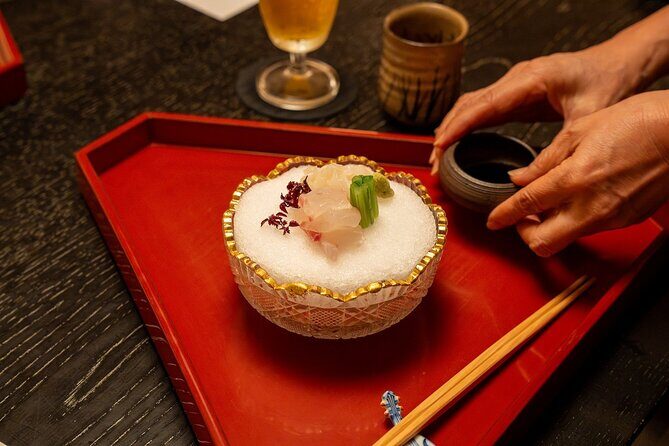
If your Osaka plan feels like it’s either fancy dinner or messy street snacks, this tour stitches the two together. You start with a quick shrine visit, then move into a sit-down kaiseki course where food is treated like a visual event. After that, you shift gears to Amerikamura for the loud-and-fun energy of Osaka’s casual food scene.
What makes this work for you is the pacing. You’re not rushing through 10 stops. Instead, you get one big anchored experience (the kaiseki), one “this is Osaka” street-food moment (takoyaki), and a sweet closer (matcha). Add the ceramics stops and you get more context for how Japanese food and tableware culture connect.
You can also read our reviews of more food & drink experiences in Osaka

The value question: is $162.58 worth it?
At $162.58 per person for about 3 hours 30 minutes, you should judge this like a trade: you’re paying for reserved dining (the kaiseki meal and the matcha dessert are included) plus a guide’s explanation, not just the right to walk around and buy food on your own.
Here’s how I’d think about value:
- The included Michelin-star kaiseki course is the pricing anchor. A tour that doesn’t include a major meal would feel overpriced at this level.
- The street-food part matters too, but it’s the guide that keeps it efficient: you get taken to a well-regarded takoyaki spot without having to sort through lines and recommendations.
- You’re also getting a small-group experience capped at 6 guests. More space to ask questions means you get more out of the kaiseki etiquette and what you should notice while eating.
So if you like the idea of combining a formal meal with casual Osaka classics—and you don’t have strict dietary constraints that the tour can’t accommodate—this price starts to make a lot of sense.
The route in plain English (and what each stop is really for)
This tour runs rain or shine, starting at 11:30 am. The meeting point is a 7-Eleven: Osaka kutarocho 4-chome (4-chome-3-1 Kyūtarōmachi, Chuo Ward, Osaka). You end near Shinsaibashi Station at Minamisenba area, with the matcha dessert stop nearby Shinsaibashi or Nanba Station.
You’ll walk a leisurely pace with a total of about 2–3 km, so wear comfortable shoes. Even with the breaks, your feet will do a little work.
Stop 1: Hibuse Pottery Shrine (about 20 minutes)
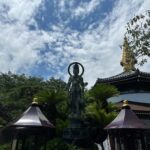
You begin with a short visit to Hibuse Pottery Shrine, tied to ceramics traditions. The tour frames it around the idea that locals once prayed for protection from fire and prosperity in ceramics. It’s not a long ceremony, but it gives you a theme: in Japan, food is part of a larger craft story—especially when pottery and tableware show up later.
Why it’s worth your time: it sets the tone before you sit down to kaiseki. You’re less likely to treat the meal as just “pretty food” and more likely to notice how presentation, vessels, and seasonal thinking all connect.
Stop 2: Ajikitcho Bunbuan in Honmachi (about 1 hour)
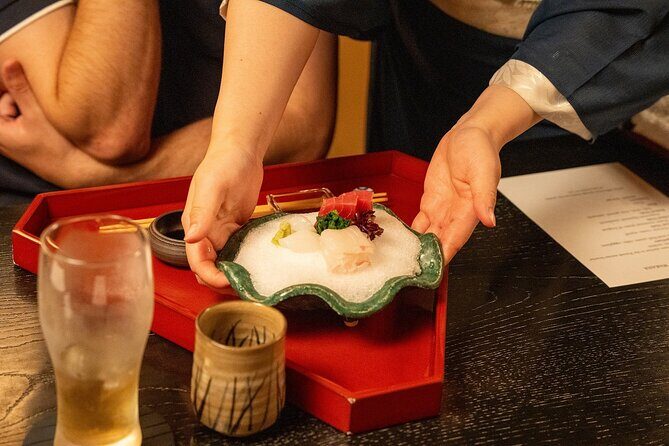
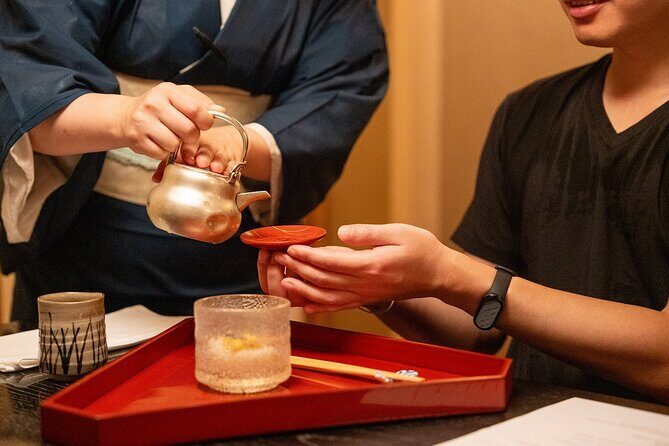
Next comes the main event: a Michelin-starred kaiseki meal at Ajikitcho Bunbuan in Honmachi. Kkaiseki is basically a structured, seasonal course built around balance—texture, temperature, color, and timing.
What you can expect here:
- Seasonal ingredients are part of the promise.
- The dining style is described as having artistic presentation, which usually means you’ll see more “crafted composition” than a normal dinner plate.
- Tea and water are included at the restaurant.
A practical note: kaiseki restaurants ask for moderate attire, and the guidance says to avoid off-shoulder tops. If you want to feel comfortable while looking appropriate, bring something with a shoulder coverage option.
Potential drawback to plan around: kaiseki is usually slower and more rule-oriented than street food. If you’re the type who gets impatient, give yourself mental permission to slow down. This is the point of the tour.
A few more Osaka tours and experiences worth a look

Stop 3: Shotengai stroll toward Amerikamura (about 20 minutes)
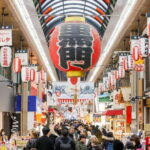
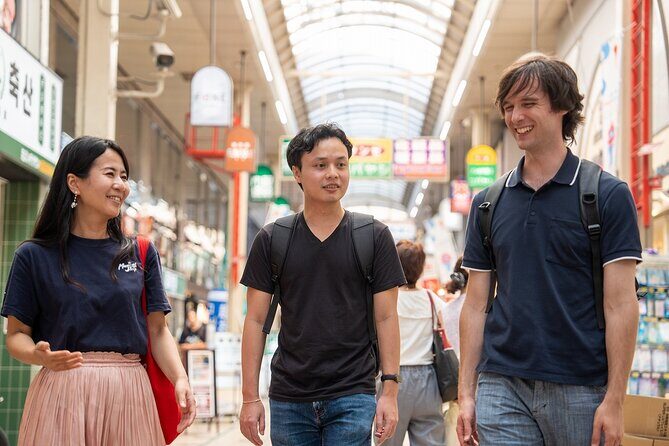
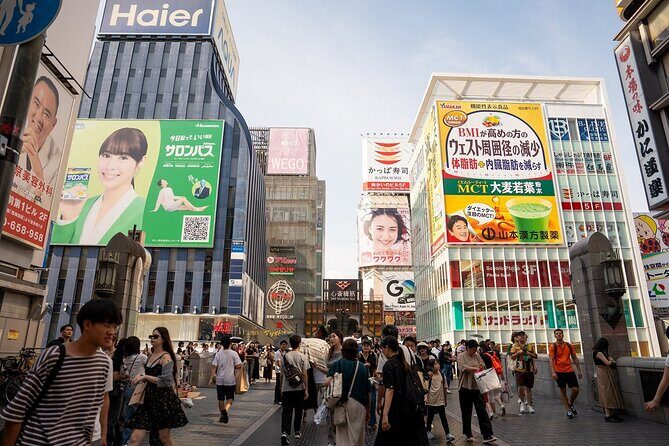
After dinner, you head through the shopping-street area around Shinsaibashi, then on toward Amerikamura, Osaka’s youth-culture hub. This is a transition stop—less about eating and more about getting the geography right so takoyaki later feels like a payoff, not a random detour.
You’re moving from business-district calm to a more playful neighborhood vibe. It’s also where the guide’s explanations help you understand what you’re passing: how shotengai areas function, and why people snack and wander instead of treating food as a single meal.
Stop 4: Ceramics shop with Edo-era tableware (about 30 minutes)
Now you get hands-on with the “craft meets dining” theme. You’ll visit a ceramics shop specializing in Imari ware and other antique tableware meant to fit everyday use. The tour description also mentions Edo-era tableware, with the caveat that availability may vary and the guide may suggest alternatives if needed.
This stop is good for you if:
- you like souvenirs that don’t feel like plastic keychains, and
- you’re curious what Japanese tableware culture looks like beyond photos.
What to keep expectations realistic: shopping breaks don’t always mean you’ll leave with something. Even if you don’t buy, it’s worth looking. It helps you connect what you learned at the shrine and the kaiseki meal to objects you can actually imagine using.
Stop 5: Amerikamura takoyaki (about 40 minutes)
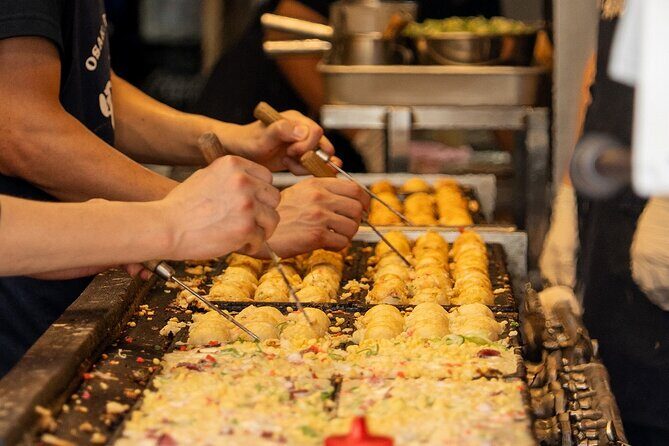
This is the iconic Osaka hit: freshly grilled takoyaki at a Bib Gourmand–recognized shop. The tour notes the texture you should expect—crispy outside, soft inside, loaded with octopus flavor.
Here’s the non-negotiable part from the tour rules:
- Takoyaki contains dashi (fish broth) and octopus.
- It can’t be substituted.
- If you can’t eat it, the alternative offered is extra matcha dessert instead.
So before you book, be honest with yourself: if you’re avoiding fish or shellfish for dietary reasons, this tour may not work the way you want.
Stop 6: Matcha dessert near Shinsaibashi or Nanba Station (about 30 minutes, included)
You end with something sweet and calming: a matcha dessert at a local tea shop near Shinsaibashi or Nanba Station. This is a smart close after savory kaiseki and rich takoyaki, because matcha usually feels lighter than heavy dessert options.
Also, the tour includes complimentary tour photos, which is a nice touch—especially if you’re doing this as a couples trip or family trip and want a record without editing selfies for an hour.
Who the guide style seems best suited for

The tour is guided in English and keeps a small-group feel. That matters because kaiseki etiquette and Japanese dining explanations aren’t things you can always pick up by reading menus.
One of the standout points from a past reviewer was the guide, Chie, who added a fun extra lesson: teaching how to write a name in Japanese katakana characters with katana-like flair. That kind of small cultural bonus is exactly what makes a food tour more memorable than a simple meal crawl.
If you’re the sort of traveler who likes to ask, notice, and connect food to culture, you’ll likely enjoy this format.
Dietary needs and allergies: read this part carefully
The tour is clear about what it can and can’t do:
- Vegetarian course is available, but only with an advance request (same-day requests can’t be accommodated).
- The tour states it can’t accommodate vegan, gluten-free, or shellfish allergy requests.
- Since takoyaki includes dashi and octopus, it’s not substitutable. If you can’t eat it, you may get extra matcha instead.
Meal preparation happens in partner restaurants, and the tour notes that they can’t guarantee allergy-free food or complete adjustments for dietary restrictions. If allergies are your main concern, I’d treat this as a “check carefully” situation rather than a guaranteed safe plan.
Timing, walking, and clothes: the practical stuff that affects enjoyment
This is about 3 hours 30 minutes and includes short stops with a bit of walking. You should be ready for about 2–3 km total at a leisurely pace.
Clothes:
- Wear comfortable shoes.
- For the kaiseki meal, dress moderately and avoid off-shoulder tops.
Punctuality:
- The tour starts on time, and late arrivals can’t join or receive a refund. That matters because the kaiseki stop is time-based.
Weather:
- It runs rain or shine. Osaka in summer can feel intense, so check the forecast and plan layers if it’s cool or air-conditioned indoors.
Is this tour kid-friendly?
The tour says it is kid-friendly, and it also notes that children aged 3 and under may join, but meals are not provided for them. If you’re traveling with younger kids, plan for snacks outside the included meals.
For older kids who enjoy “trying different foods,” the mix of takoyaki and matcha tends to land well because it’s less formal than the kaiseki portion.
Should you book this Osaka kaiseki and local dishes tour?
Book it if you want:
- a Michelin-star kaiseki meal with an English explanation,
- the Osaka classic of takoyaki in Amerikamura,
- and a route that adds pottery and ceramics context instead of only hunting for food.
Skip or reconsider if:
- you can’t eat octopus or fish broth (since takoyaki can’t be substituted),
- you need vegan, gluten-free, or shellfish-allergy accommodation,
- or you hate slower, multi-course dining.
My quick decision rule: if you’re flexible on matcha and you’re comfortable with kaiseki pacing, this is a strong “one tour, multiple Osaka sides” option.
FAQ
What’s the duration of the Osaka Kaiseki and Local Dishes tour?
The tour lasts about 3 hours 30 minutes.
Where do I meet the guide, and what time does the tour start?
The meeting point is a 7-Eleven at Osaka kutarocho 4-chome, and the start time is 11:30 am.
How many people are in the group?
The group is limited to a maximum of 6 guests plus the guide.
What food is included in the tour?
A Michelin-starred kaiseki meal is included, and the tour also includes takoyaki and a matcha dessert.
Is the takoyaki able to be substituted for dietary needs?
No. The tour states takoyaki contains dashi (fish broth) and octopus and cannot be substituted. If you can’t eat it, you may be offered extra matcha dessert instead.
Do they offer vegetarian options?
Yes, a vegetarian course is available only with advance request. Same-day requests can’t be accommodated.
Does the tour run in bad weather?
It operates rain or shine. If extreme weather happens, the provider will contact you about changes.
Can I cancel, and how late can I do it?
Free cancellation is available, and you can cancel up to 24 hours in advance for a full refund. Canceling within 24 hours of the start time isn’t refunded.