REVIEW · TOKYO
Private Car Tour to see Highlights of Kamakura, Enoshima, Yokohama from Tokyo
Book on Viator →Operated by Japan Star Travel Agency · Bookable on Viator
Kamakura, Enoshima, and Yokohama in one smooth day. A private car makes this feel efficient without turning it into a blur, and Kamakura’s temples set a calmer tone before you hit the sea and the port. You get a planned route, but you’re not trapped in it.
I especially like two things: the flexibility to tailor your day to what you care about, and the chance to visit major sights alongside quieter places where the guide can explain the details that don’t make it into quick photos. In my notes, names like Ken, Taisho, Yoshimi, Taiji, and Masae come up as guides people remember for clear English and thoughtful pacing.
One consideration: the full menu of stops is long, and if you try to do everything, you’ll pay more in entrance fees and end up spending more time queued than sightseeing. A smarter approach is to pick your 4–6 must-sees early.
In This Review
- Key highlights that matter in real life
- Private Car Comfort From Tokyo: Why This Day Trip Feels Easier
- Price and Logistics: What You’re Really Paying For
- Choosing Your Pace With a Long List of Stops
- Kotoku-in: The Great Buddha and the Fun Detail of Entering Inside
- Hokoku-ji Bamboo Grove: Matcha Tea With a View
- Hasedera Temple: Flowers by Season and a Huge Kannon Statue
- Tsurugaoka Hachimangu Shrine: Samurai-Era Symbolism and Big Ceremony Energy
- Komachidori Shopping Street: Souvenirs Without Losing Your Train of Thought
- Kencho-ji and Engaku-ji: Zen Temples With Real-World Extras
- Meigetsuin Hydrangeas and Zeniarai Benten: One Flower Stop, One Ritual Stop
- Tokeiji’s Quiet Story: Flowers and a Refuge for Women
- The Blue-Sea Railroad Crossing Photo Moment (Anime-Connected)
- Yokohama Minato Mirai: City Views Without the Effort
- Sankeien Gardens: Traditional Garden Design With Moved Buildings
- Enoshima Island: Caves, Aquarium, Botanical Garden, and Fuji Views
- Yokohama Landmark Tower Sky Garden: High Views and the Fuji Bonus
- Yamashita Park and the Bay Lookouts: Easy Strolls, Real Local Feeling
- Chinatown and Two Noodle-Focused Options: Hands-On Fun If You Like Food Culture
- What I’d Pack Into My Ideal Day (So It Doesn’t Turn Into a March)
- Who Should Book This Private Car Tour
- Should You Book This Kamakura–Enoshima–Yokohama Private Car Tour?
- FAQ
- How long is the tour?
- Is pickup from Tokyo included?
- Can you choose which stops to visit?
- Are entrance fees included?
- Does the tour include lunch?
- Is there bottled water and an air-conditioned vehicle?
- Can dietary needs be accommodated?
- Can I cancel for free?
Key highlights that matter in real life
- Private door-to-door touring: air-conditioned van plus bottled water, with tolls and parking handled
- Kamakura’s “big three” feel: Great Buddha at Kotoku-in, plus major Zen temples and shrine culture in one day
- Seasonal beauty built in: bamboo grove tea at Hokoku-ji and flower-focused stops like Hasedera and Meigetsuin
- Sea-and-city contrast: Enoshima for island views and caves, then Yokohama for Minato Mirai and port strolling
- Fun food add-ons if you want them: Cup Noodles Museum and a ramen museum option (both optional paid entries)
Private Car Comfort From Tokyo: Why This Day Trip Feels Easier
This tour is designed around the simple truth that Tokyo to Kamakura/Enoshima/Yokohama takes time even when transit is good. With a private vehicle, you’re not timing train transfers, shuffling luggage, or guessing the best route for crowds. You also get parking logistics solved, which matters because many of the most photogenic stops sit in areas that are annoying with public transport.
The ride is also part of the value: the vehicle is air-conditioned, and you’re promised bottled water along the way. That sounds small until you’re traveling in hotter or humid months, or when you want to take breaks without turning the day into a sprint.
You can also read our reviews of more private tours in Tokyo


Price and Logistics: What You’re Really Paying For
The price is listed as $1,183.65 per group (up to 8) for about 10 hours. That’s the core value equation: you’re essentially buying shared vehicle time plus professional guidance, not per-seat sightseeing.
Here’s what’s included versus not, in plain terms:
Included:
- Private transportation (van), highway tolls, parking, and fuel
- Bottled water and air-conditioning
- Driver handling the route so you can focus on sights
Not included:
- Lunch
- Gratuities
- Entrance fees for many key stops (including Kotoku-in, multiple temples, Enoshima-linked paid viewpoints, and the Sky Garden, plus the food museums if you choose them)
So yes, the ticket price can look high at first glance. But if you’re a family, a small group, or you want a guide to shape the day instead of following an overcrowded route on your own, this is often the kind of pricing that feels fair.
Choosing Your Pace With a Long List of Stops
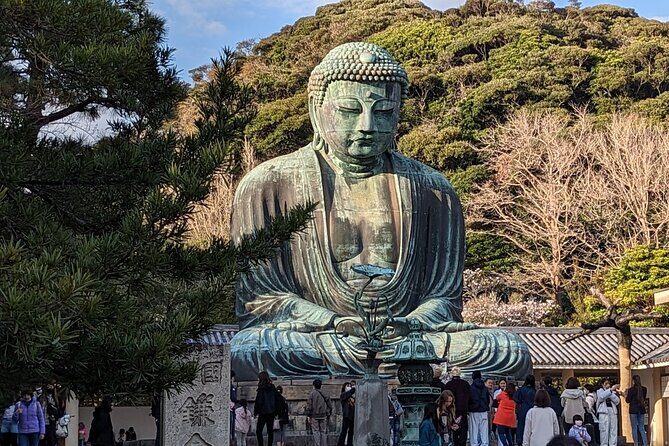
The itinerary gives you a lot of options, and the tour itself notes that the full list is just a menu—you’ll typically select about 4 to 6 sites. That’s not a suggestion to squeeze in the maximum. It’s a pacing tool.
If you choose too many temples in a row, two things happen:
1) your feet slow down (Kamakura walking adds up), and
2) queues for flower-season popularity can steal your momentum.
A good strategy is to pick:
- One “icon” stop you’d regret skipping (Kotoku-in or a major Zen temple)
- One seasonal flower garden (Hasedera or Meigetsuin)
- One shrine/culture stop (Tsurugaoka Hachimangu or Zeniarai Benten)
- One sea or skyline element (Enoshima or Yokohama’s Sky Garden)
- Add the food museums only if you genuinely like hands-on experiences
Kotoku-in: The Great Buddha and the Fun Detail of Entering Inside
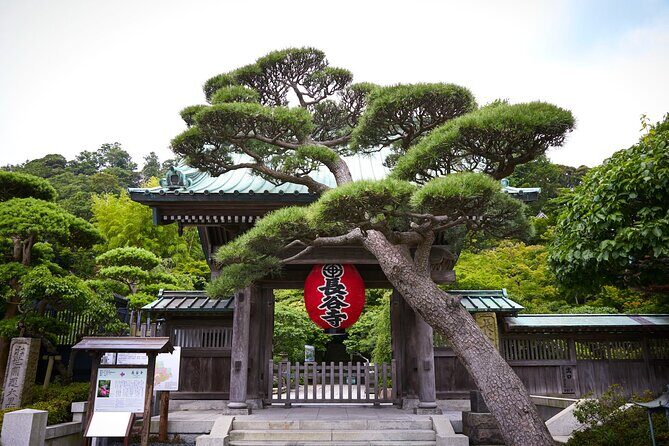
Kotoku-in is where the day locks onto Kamakura’s identity. The Great Buddha statue is an open-air bronze icon, listed as 13.5 meters (44 feet). It’s also described as the only national treasure in Kamakura, which is exactly the kind of label that tells you this isn’t just another temple photo stop.
You can also enter inside the Buddha body for 20 yen, but the general admission is listed at 200 yen per person, and entrance fees are not included in the tour price. The time on site is about 30 minutes, so it’s best as a focused, “see it well and move on” stop rather than a long wander.
Potential drawback: the “inside” portion is a special bonus, but it won’t replace the outside experience. If you’re not that into statues, treat it as a quick must-see and invest your time in the bamboo/flower temples next.
Hokoku-ji Bamboo Grove: Matcha Tea With a View
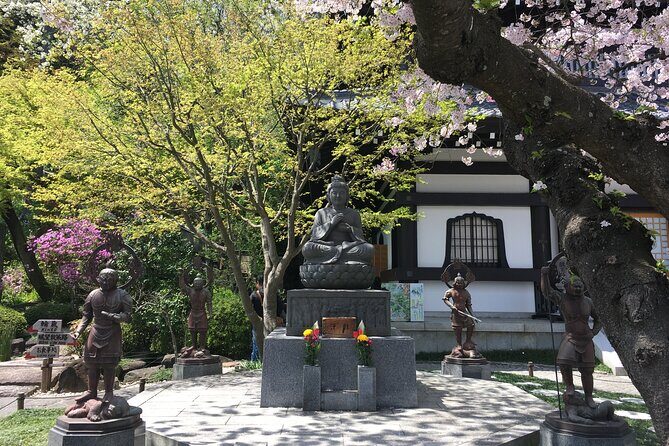
Hokoku-ji is one of those places where the setting does the storytelling. The headline is the bamboo grove, and the guide can help you slow down enough to notice what makes it feel different from a generic garden.
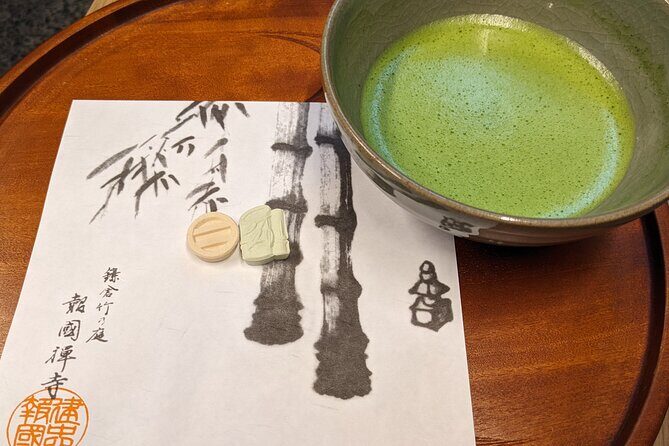
You’ll get tea here: matcha green tea and a Japanese sweet from a teahouse overlooking the bamboo. The admission fee is listed at 600 yen per person, and it includes the matcha and sweet, so you don’t need to hunt for refreshments mid-walk.
Time is around 20 to 60 minutes, which is a wide window. If you like calm breaks, plan for longer here. If you’re trying to keep the day tight, stick closer to the shorter side.
A few more Tokyo tours and experiences worth a look
Hasedera Temple: Flowers by Season and a Huge Kannon Statue
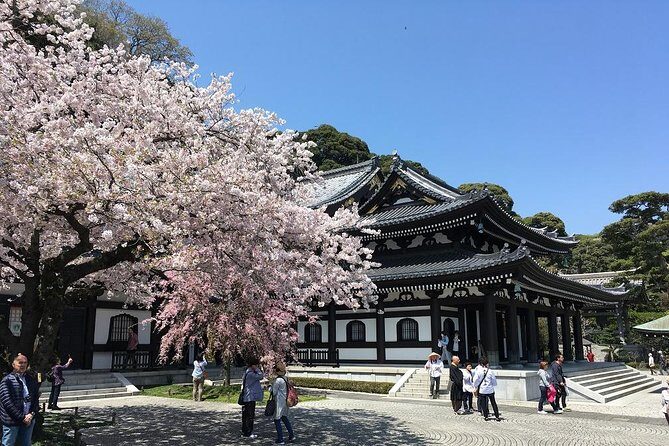
Hasedera is marketed here as a temple of flowers, and that’s the key reason to include it. Depending on when you go, you can catch cherry blossoms in spring, hydrangeas from late May to late June, or maple leaves in autumn.
The other standout is the 9.18-meter-tall gilded eleven-headed Kannon statue (the goddess of mercy). If you only remember one “wow” detail from Hasedera, make it the scale of that statue.
Admission is listed at 400 yen per person, not included. Typical time is 30 to 60 minutes. If you’re visiting during peak flower season, queues and crowd flow can affect how leisurely you feel—so come with patience and let your guide manage the timing.
Tsurugaoka Hachimangu Shrine: Samurai-Era Symbolism and Big Ceremony Energy
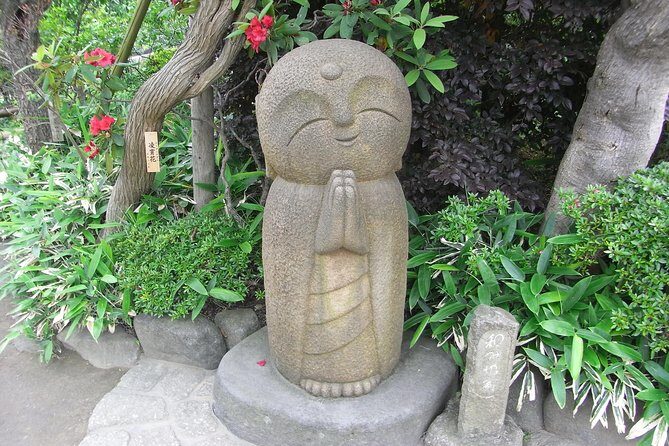
This shrine is dedicated to the god of war and the samurai, so it fits perfectly with Kamakura’s origin story. It’s also noted as a popular wedding location, which is why the grounds can feel especially ceremonial on certain days.
The shrine stop is listed as 30 to 60 minutes, and admission is free. The best time mentions are cherry blossom or azalea season, but even outside those windows, the architecture and the shrine approach tend to give you a clear sense of why Kamakura became influential.
Komachidori Shopping Street: Souvenirs Without Losing Your Train of Thought
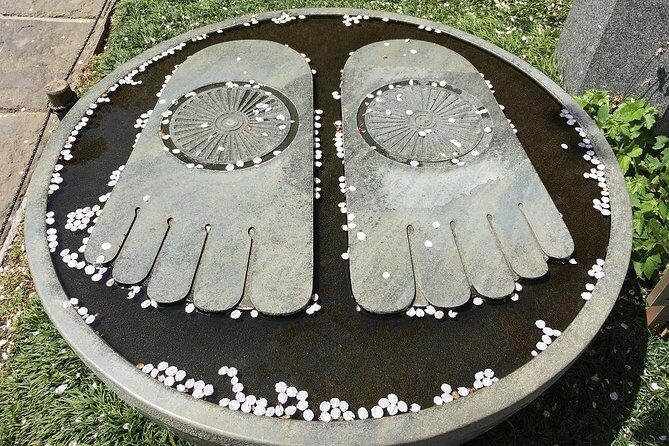
Komachidori (near Tsurugaoka Hachimangu) is the practical break you’ll probably want after temple time. It’s a long shopping street with restaurants, cafes, and small shops.
This is also your best chance to grab specific Kamakura souvenirs named in the tour info, like:
- Kamakura-bori lacquerware
- Pigeon-shaped cookies (Toshimaya Hato sable)
- Bean snacks (Kamakura mameya)
Time is about 20 minutes, so it’s not a full shopping day. Treat it as a “grab what you want before you lose focus” stop, especially if you’re heading onward to Enoshima and Yokohama.
Kencho-ji and Engaku-ji: Zen Temples With Real-World Extras
Kamakura’s Zen temples are where the day can feel most meaningful. This tour includes both Kencho-ji and Engaku-ji, and they offer different kinds of appeal.
Kencho-ji:
- Described as the oldest and highest ranking Zen temple in Kamakura
- A plus for schedule lovers: meditation practice is mentioned on certain dates
- Admission is listed at 500 yen per person, not included
Engaku-ji:
- Highlight is the large gate and bell
- A unique cultural footnote: you can visit the grave of film director Yasujiro Ozu
- There’s also mention of a café within the temple compound on certain dates, where you can enjoy lunch and sweets (again, not guaranteed every day)
- Admission is listed at 300 yen per person, not included
Timing for both is roughly 30 minutes each. If you want the day to feel less like “temples back-to-back,” use these two stops as a contrast: Kencho-ji for Zen structure, Engaku-ji for atmosphere and the Ozu connection.
Meigetsuin Hydrangeas and Zeniarai Benten: One Flower Stop, One Ritual Stop
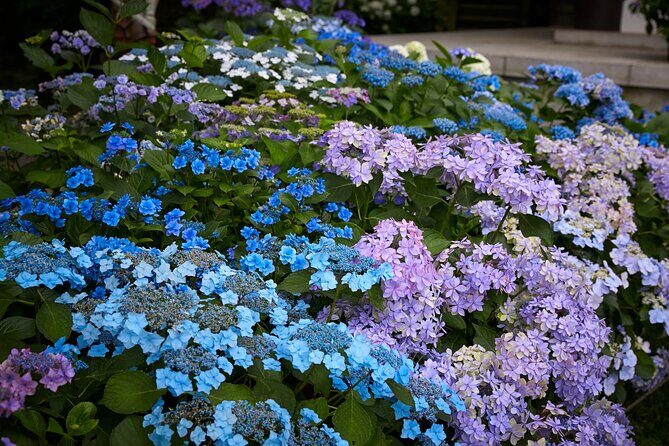
Meigetsuin (Hydrangea Temple) is explicitly about hydrangeas—especially blue hydrangeas from late May to late June. The famous photography detail here is the circular window in the main hall, which frames the garden scenery behind it.
Admission is 500 yen per person, not included, and the time is around 30 minutes. If you’re visiting in late spring/early summer, plan to accept lines for the most iconic view angle. Your guide can help with timing so you’re not stuck too long.
Zeniarai Benten Shrine is the lighter ritual-style contrast. It’s associated with increasing income by washing coins in its holy water. This stop is free and is about 30 minutes.
Together, they make a nice rhythm: flowers and photos, then a quick ritual with that distinctly Japanese sense of everyday belief.
Tokeiji’s Quiet Story: Flowers and a Refuge for Women
Tokeiji is not presented as a flashy temple. It’s described as a quiet place that once served as a shelter for women who suffered abuse and sought a divorce at a time when only men could request it.
That history makes the gardens feel more human. The tour notes that you can enjoy flowers year-round, such as:
- plums in early spring
- iris and climbing hydrangea in June
Admission is 200 yen per person, not included. Time is about 30 minutes. If you want the emotional weight of Kamakura beyond the postcard sights, this is the stop that tends to linger in your memory.
The Blue-Sea Railroad Crossing Photo Moment (Anime-Connected)
There’s a short photo stop for a railroad crossing with beautiful blue sea scenery, described as being used in the opening sequence of the Japanese anime Slam Dunk. This is likely quick—think “stop, camera up, one or two photos”—but it’s a fun bridge between Japanese pop culture and coastal scenery.
The key practical point: treat it as a photo add-on. Don’t count on extra time if you’re trying to stay on pace for Enoshima and Yokohama paid attractions.
Yokohama Minato Mirai: City Views Without the Effort
When you transition into Yokohama, the vibe shifts fast: you go from temple paths to port-city geometry. Minato Mirai 21 is described as a seaside urban area with big landmarks like the Landmark Tower and Cosmo World, plus the Red Brick Warehouses shopping center.
This tour includes a stop in Minato Mirai for about 30 to 60 minutes, and it’s listed as free. It’s a good way to reset your energy after Kamakura walking.
Then your day can branch into gardens, towers, and sea parks depending on what you want most.
Sankeien Gardens: Traditional Garden Design With Moved Buildings
Sankeien Gardens is described as a typical Japanese-style garden designed by a wealthy businessman. The standout detail is that it includes 17 precious buildings transferred from Kyoto and other places, arranged to match the garden’s beauty.
Admission is 700 yen per person, not included, and the visit window is 30 to 90 minutes. This is one of the stops where it pays to give it time. If you only have 30 minutes in your plan, you’ll probably see the highlights, but you might not get the full calm effect.
Enoshima Island: Caves, Aquarium, Botanical Garden, and Fuji Views
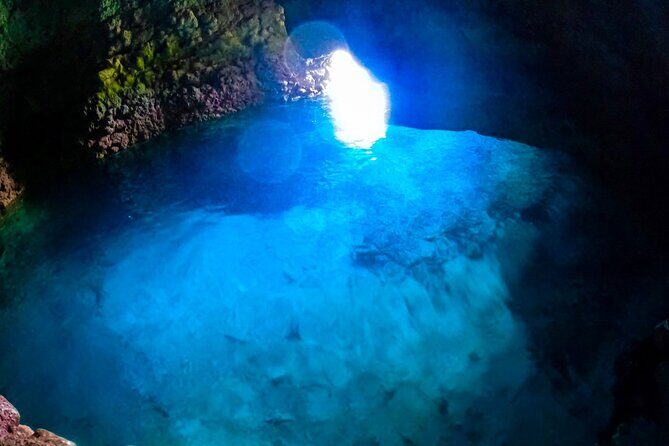
Enoshima is the “sea day” portion that makes this tour feel like more than a temple loop. The island includes a shrine, aquarium, botanical garden, observation tower, and caves.
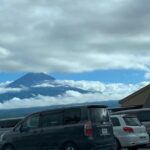
The time for Enoshima is listed as 30 to 150 minutes, and the island stop itself is marked free. A weather-dependent upside is possible views of Mount Fuji from various places, if conditions cooperate.
Practical note: Enoshima can involve walking up and down. If your goal is sea air and views, lean into the longer end of the time range. If your feet are already tired, keep it shorter and focus on the viewpoint angles.
Yokohama Landmark Tower Sky Garden: High Views and the Fuji Bonus
If you want one high, panoramic view, this is the item. The Sky Garden is on a 273m (900 ft) level, and the tour notes you can also see Mt. Fuji on a clear day.
Admission is 1,000 yen per person, not included, and the stop is about 30 minutes. This is ideal if you want a “big ending photo” without spending the whole day at one attraction.
Yamashita Park and the Bay Lookouts: Easy Strolls, Real Local Feeling
The bay area stops are where you can slow down and just enjoy the coast.
Yamashita Park is described as beloved by locals for a coffee-in-hand stroll. Street performers show up on weekends. There’s a note that a photo stop is possible upon request.
Then you can catch:
- a view from Osanbashi Yokohama International Passenger Terminal (free, about 10 minutes)
- Minato-no-mieru Oka Park, with an English garden and historic port-side context (free, about 10 minutes)
These are short stops, but they’re useful. They keep the day from feeling like pure tickets and long lines.
Chinatown and Two Noodle-Focused Options: Hands-On Fun If You Like Food Culture
If you want Chinese food in Japan, the tour notes that Yokohama has the biggest Chinatown in Japan, and lunch can be arranged upon request.
Then there are two optional food-and-fun stops, both with paid admissions:
Cup Noodles Museum Yokohama:
- Run by Nisshin, the original company linked to instant noodles
- You can learn the story, make your own noodle, try different tastes, and buy souvenirs
- Admission is listed at 500 yen per person
- Time is 45 to 90 minutes
Shinyokohama Ramen Museum:
- A ramen-focused spot with 8 different types of ramen in one place
- Admission is 310 yen per person
- Time is about 1 hour
These are great if your group loves interactive food experiences or you just want a break from shrine crowds. If your group doesn’t care about noodle culture, it’s totally fine to skip both and spend that time walking or sitting.
What I’d Pack Into My Ideal Day (So It Doesn’t Turn Into a March)
If I were planning your day with this tour, I’d aim for this balance:
- 1 icon sight in Kamakura (Kotoku-in or a major Zen temple)
- 1 seasonal nature garden stop (Hokoku-ji bamboo tea or Hasedera/Meigetsuin flowers)
- 1 culture stop (Tsurugaoka Hachimangu or Zeniarai Benten)
- 1 Enoshima chunk (views, aquarium, caves, or just atmosphere)
- 1 Yokohama highlight (Minato Mirai area, Sky Garden, or Sankeien Gardens)
- Skip either the Sky Garden or both noodle museums if you hate lines
The tour’s strongest pattern is that it can be shaped around your energy level. Keep it realistic, and the private car time becomes a strength instead of a cost.
Who Should Book This Private Car Tour
This tour fits best if:
- you want a guided day that covers multiple areas without navigating trains
- your group enjoys temples, seasonal flowers, and Japanese culture details
- you like the idea of optional add-ons like Cup Noodles Museum or the ramen museum
- you want a calmer pace that a private guide can adjust to your interests
It may be less ideal if:
- you hate paying separate entrance fees for many stops
- you want a strictly fixed itinerary with no choice
- you plan to cram every listed site; that’s when time pressure and crowds start to feel like friction
Should You Book This Kamakura–Enoshima–Yokohama Private Car Tour?
I think you should book this if you’re trying to make one day count in a way that feels Japan-specific: temples that teach you something, gardens tied to seasons, and coastal Yokohama/Yenoshima contrasts. The private car is the difference-maker, because it gives you freedom to choose how many paid stops to include and where to slow down.
My biggest advice is simple: pick 4–6 sites you genuinely care about, and treat entrance fees and flower-season crowds as part of the plan, not surprises. If you do that, you’ll get a day that feels guided, not rushed.
FAQ
How long is the tour?
The tour duration is listed as about 10 hours.
Is pickup from Tokyo included?
Pickup is offered. The details of the exact pickup point aren’t specified here, but you can expect pickup as part of the service.
Can you choose which stops to visit?
Yes. The itinerary is described as customizable, and you’re expected to select around 4 to 6 sites.
Are entrance fees included?
No. Entrance fees are listed as not included, including fees for stops such as Kotoku-in, Hokoku-ji, Hasedera, Kencho-ji, Engaku-ji, Meigetsuin, Tokeiji, Sankeien Gardens, Cup Noodles Museum, Shinyokohama Ramen Museum, and Yokohama Landmark Tower Sky Garden.
Does the tour include lunch?
Lunch is not included.
Is there bottled water and an air-conditioned vehicle?
Yes. Bottled water, an air-conditioned vehicle, and private transportation are included.
Can dietary needs be accommodated?
Yes. The tour notes that vegetarian options are available, and you should advise the team of dietary requirements at the time of booking.
Can I cancel for free?
Free cancellation is available up to 24 hours in advance for a full refund.