REVIEW · OSAKA
Katsu Curry OR Bento Making Cooking Class & Local Shop Tour
Book on GetYourGuide →Operated by Osaka Cooking Base · Bookable on GetYourGuide
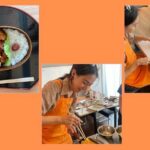
You can smell dinner before you start cooking. This hands-on Osaka Cooking Base session pairs a local shop tour with a kitchen class focused on real Japanese home meals. You’ll start at Osaka Tenmangu Shrine, browse ingredient shops with translation help, then cook step by step with an English-speaking instructor.
What I like most is the practical teaching: you’re not just watching, you’re making. And the dishes are approachable in the real world—think comforting katsu curry or a structured bento box you can realistically recreate later. One possible drawback: you’ll typically make one main option during the class (either Katsu Curry or Bento), not a full spread of everything.
In This Review
- Key highlights at a glance
- Starting at Osaka Tenmangu Shrine: the right gate sets you up
- The local shop walk: learn ingredients, not just recipes
- Katsu Curry vs Bento: choosing the right dish for your day
- In the kitchen: step-by-step Japanese home-meal technique
- Small group setup: better questions, calmer pace
- Culture and conversation: English support that actually helps
- Price and value: is $83 a smart use of time in Osaka?
- Timing and how to fit it into your Osaka trip
- Who should book this class (and who might skip it)
- Should you book Osaka Cooking Base’s Katsu Curry or Bento class?
- FAQ
- FAQ
- Where do I meet for the class?
- How long is the cooking class?
- What dishes can I learn to make?
- Is the instructor English-speaking?
- How big is the group?
- What’s included in the price?
- Are drinks included? Is sake tasting available?
- Do I need to reserve ahead of time?
- Is there free cancellation?
- Is this class suitable for families?
Key highlights at a glance
- Tenmangu Shrine meeting point sets the tone with an easy, clear start in Osaka
- Ingredient shopping at local shops helps you understand what you’re using and why
- Choose Katsu Curry or Bento for a focused class that still feels complete
- Small group size (up to 8) keeps the pace friendly and questions welcome
- English support plus translation assistance makes the shop portion workable for non-Japanese speakers
- Optional drinks (including sake tasting) add a nice extra without turning it into a party
Starting at Osaka Tenmangu Shrine: the right gate sets you up
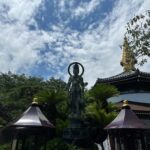
The experience begins at Osaka Tenmangu Shrine, and the meeting point is specific: you should meet in front of the large main gate. The instructions also warn you not to head to the small back gate, which is exactly the kind of detail that saves time when you’re standing around with a map and wondering if you’re in the wrong place.
I like that this start is tied to a real, lived-in neighborhood. It’s not just a backdrop; it gives you a quick connection point for the rest of the day—shops, ingredients, and the everyday rhythm of Osaka. And once you’re with your guide, you get an easy entry into the way Japanese hospitality works: they keep things moving, but they also make room for questions.
You can also read our reviews of more cooking classes in Osaka
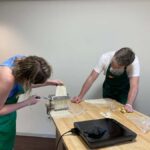
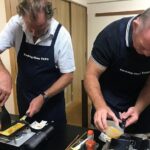
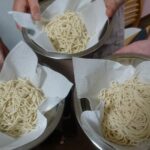
The local shop walk: learn ingredients, not just recipes
After meeting at the shrine, you’ll head out for a local tour that includes a few shops. This part matters because Japanese cooking is built on ingredient choices and small technique decisions. When you see items in a shop setting—and you have translation help—you start to connect the dish on your cutting board to the food culture behind it.
You’ll also get cultural context as you walk. The class is designed as more than a cooking lesson, and that shows up here: you’re encouraged to ask about Japan and the local area while you’re looking at what people actually buy. From the past classes, guides such as Miyako, Yuka, and Tomoko have been praised for explaining clearly and answering lots of questions, including ones kids ask. That’s a good sign for adults too, because it usually means the guide isn’t rushing you through.
One practical consideration: if you’re the type who wants a pure cooking-only experience with zero walking, you might feel this portion is a lot of setup. Still, it’s the setup that makes the finished meal feel like more than a one-off.
Katsu Curry vs Bento: choosing the right dish for your day
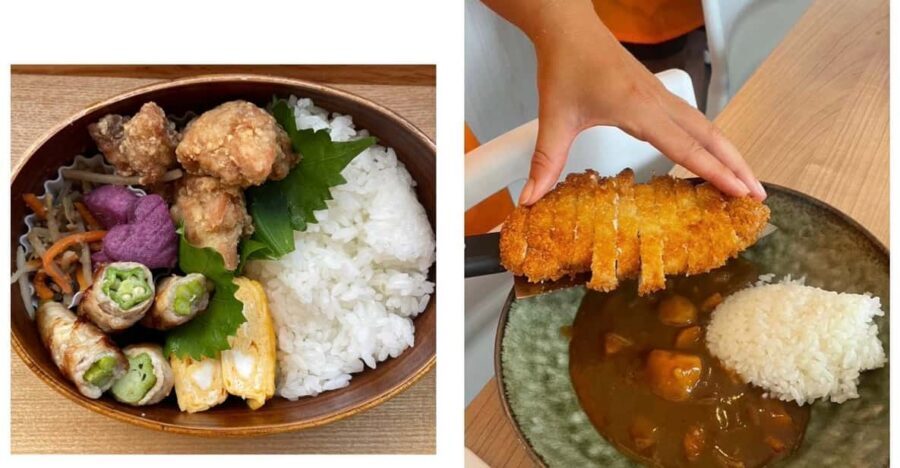
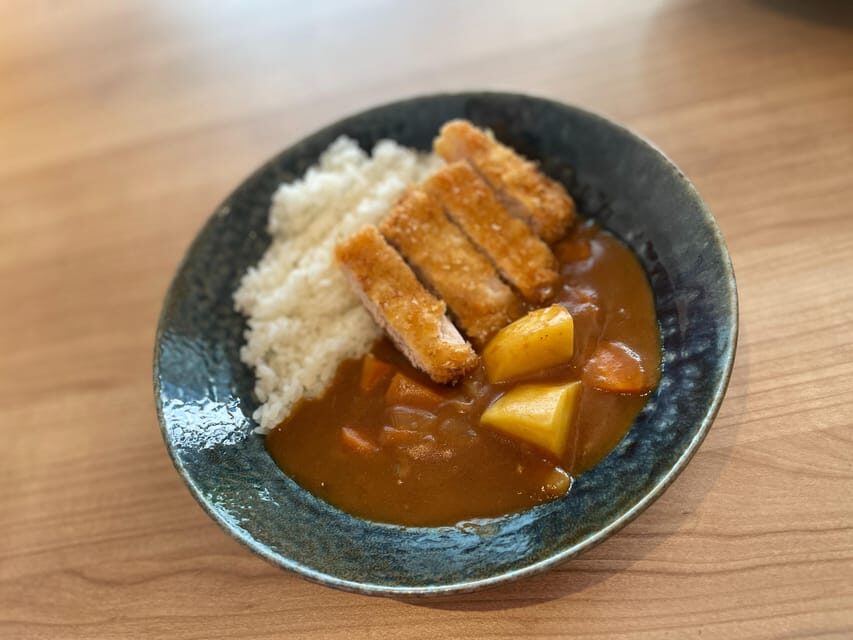
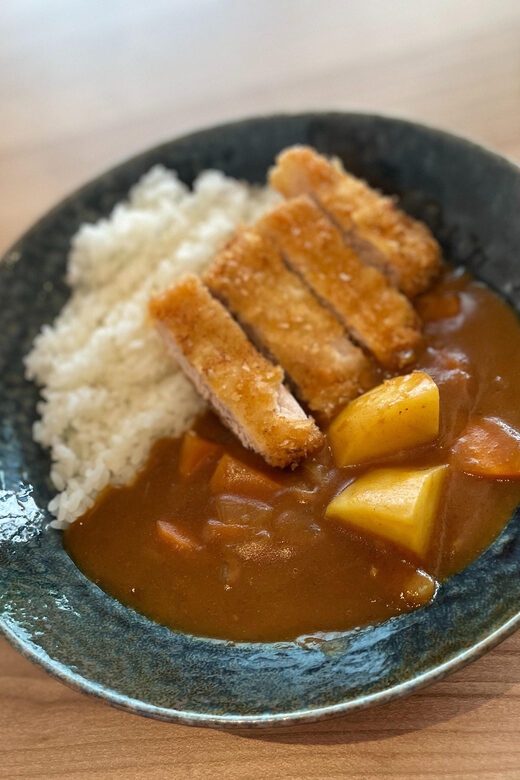
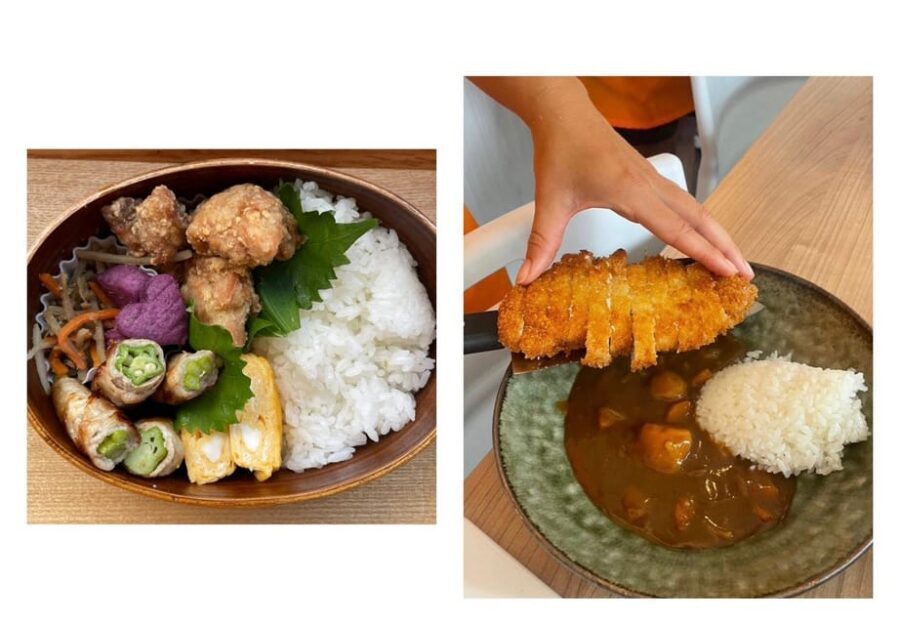
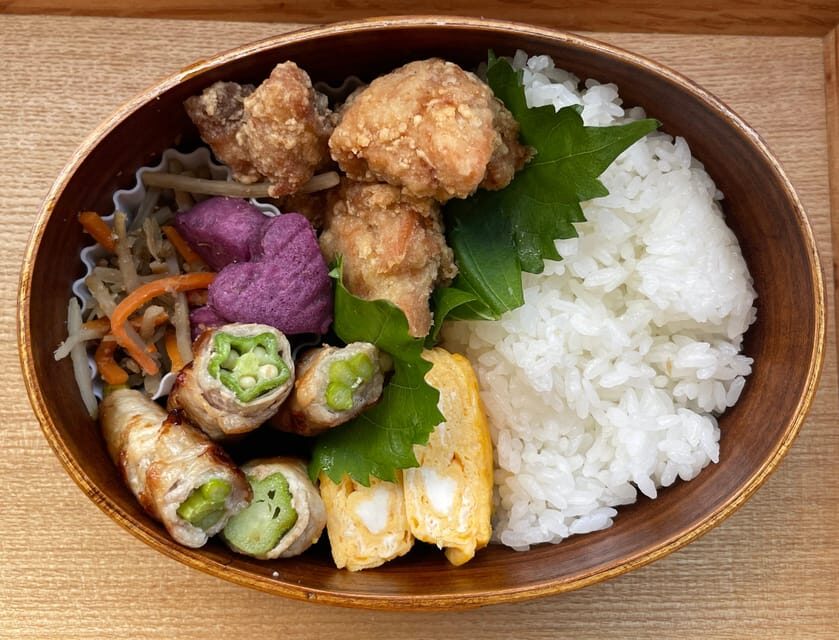
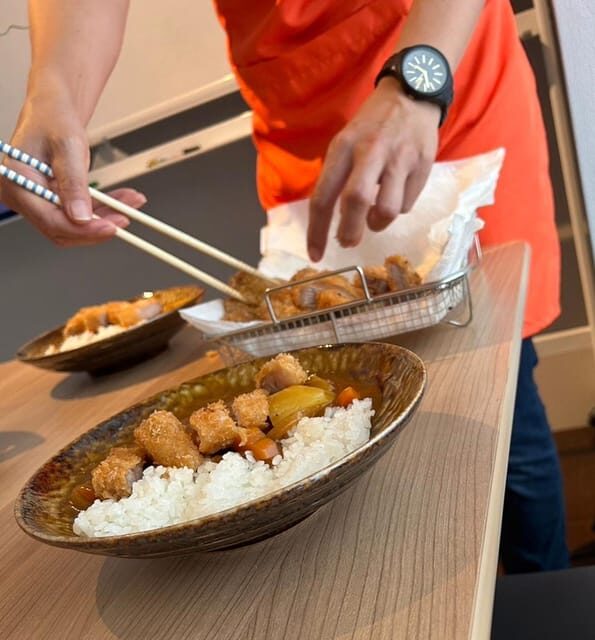
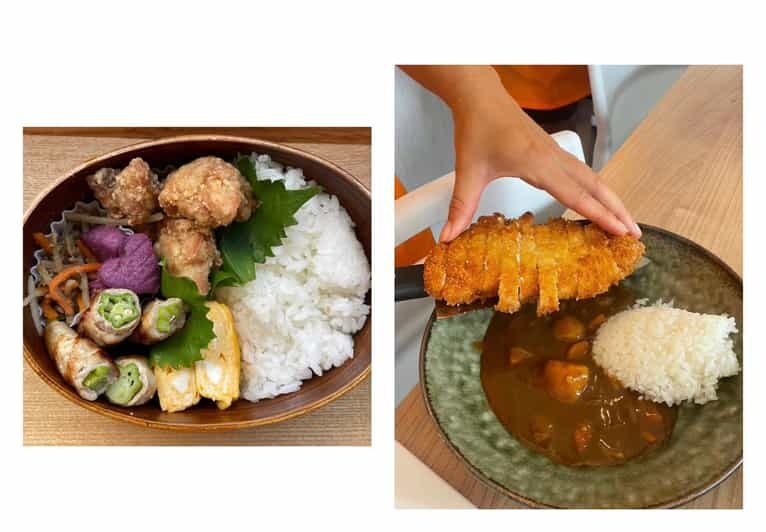
This class is built around two options: Katsu Curry or Bento making. That choice changes the feel of the day. Katsu curry is warm, comforting, and sauce-forward—great if you want a dish that tastes like a full meal even on a simple day. Bento is more structured and visual; it’s about assembly and balance, and it can create a stronger sense of achievement because you physically build a box you can understand at a glance.
In the reviews, people specifically highlight the bento box as satisfying to put together and the katsu curry class as a fun way to learn from scratch. Families also tend to enjoy Bento because kids can take part in the assembly and watch the box come together step by step.
Here’s the trade-off: you won’t automatically get both dishes in the same session. If you’re visiting Osaka for only one class and you love curry and bento equally, pick based on what you want to cook at home more often. Katsu curry is comforting and forgiving; bento can feel more like a creative project.
In the kitchen: step-by-step Japanese home-meal technique
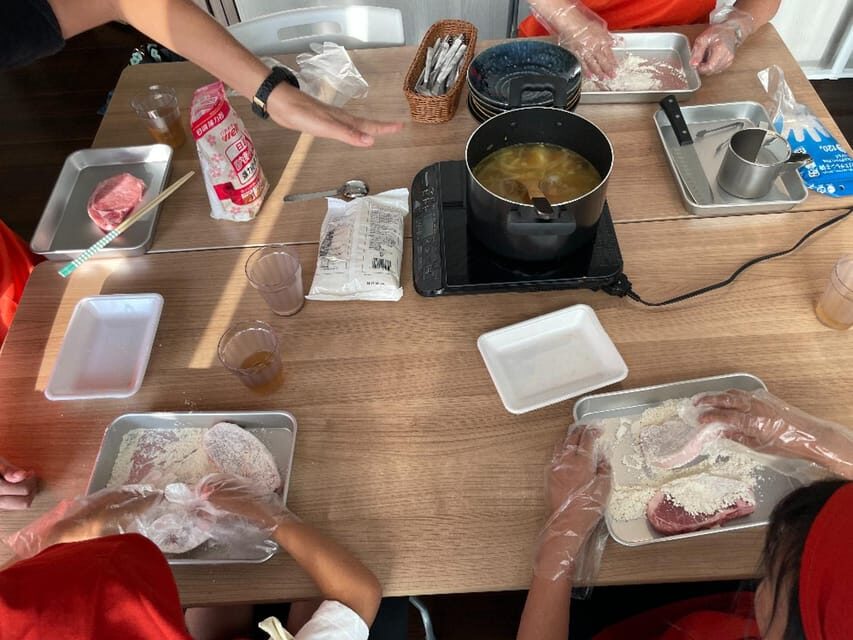
Once you move from the shops to the kitchen, the lesson becomes very hands-on. The class is designed for beginners, with each stage carefully explained so you can learn the techniques and the traditions behind the dish—not just follow a script.
What I find valuable is the pacing and the attention to clarity. The past host Yuka received praise for being helpful with cooking instructions and for explaining lots about Japan and the area over the course of the time. Miyako was also described as knowledgeable and engaging, and Tomoko earned compliments for guiding the class and helping with food recommendations.
That pattern matters: you’re not only learning how to cook, you’re learning how to think about the cooking. For example, when a guide explains an ingredient choice in the shop and then connects it to what you do in the kitchen, the lesson sticks. It’s much easier to recreate the dish later when you understand the why, not just the what.
You’ll also eat what you make—so your payoff is immediate. This is a big difference from classes where you leave with recipes but no real sense of how it should taste.
Small group setup: better questions, calmer pace
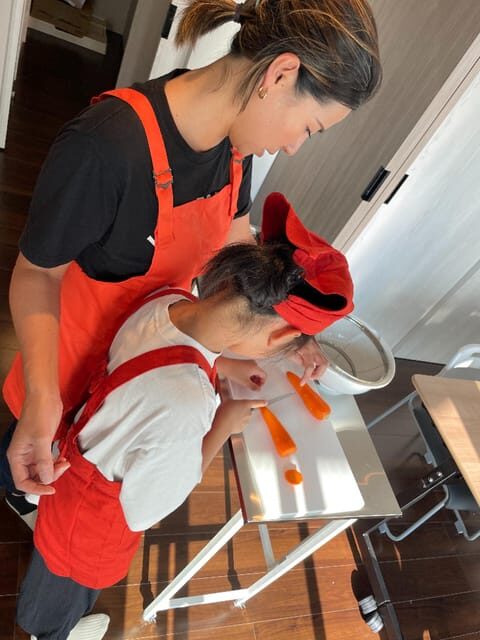
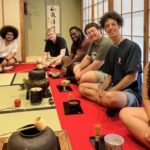
The class keeps groups small, with a limit of up to 8 participants. That’s a sweet spot. It helps you get real interaction with the instructor rather than standing on the edge hoping your question gets noticed. It also supports the goal of a cultural exchange, not a mass workshop.
One booking was even just one person, which shows the experience can scale down without losing the teaching quality. If you’re worried about awkwardness because your Japanese is limited, this is a reassuring setup. You can ask questions while you work, and translation support is there for the shop part.
And because it’s small, the class tends to feel friendly across ages. The format is described as working from young children to seniors, and families have specifically recommended it as a must-do when visiting Osaka.
A few more Osaka tours and experiences worth a look
Culture and conversation: English support that actually helps
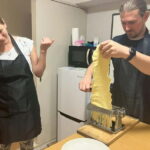
A big part of the experience is the conversation. The guide encourages lively questions during the cooking process, and translation assistance is included. That means you’re not just getting instructions—you’re getting context for daily life in Japan.
This is where the class can surprise you in a good way. If you’ve ever taken a food class and felt like you only learned recipes, this setup aims to teach more of the surrounding culture. People also come away feeling informed about the area and Japan in general, not just about one meal.
I also like that the approach feels like hospitality rather than performance. Even if you’re quiet, you’re still included through the step-by-step structure and the guide’s explanations. And if you’re chatty, there’s room to connect those explanations to your interests.
Price and value: is $83 a smart use of time in Osaka?
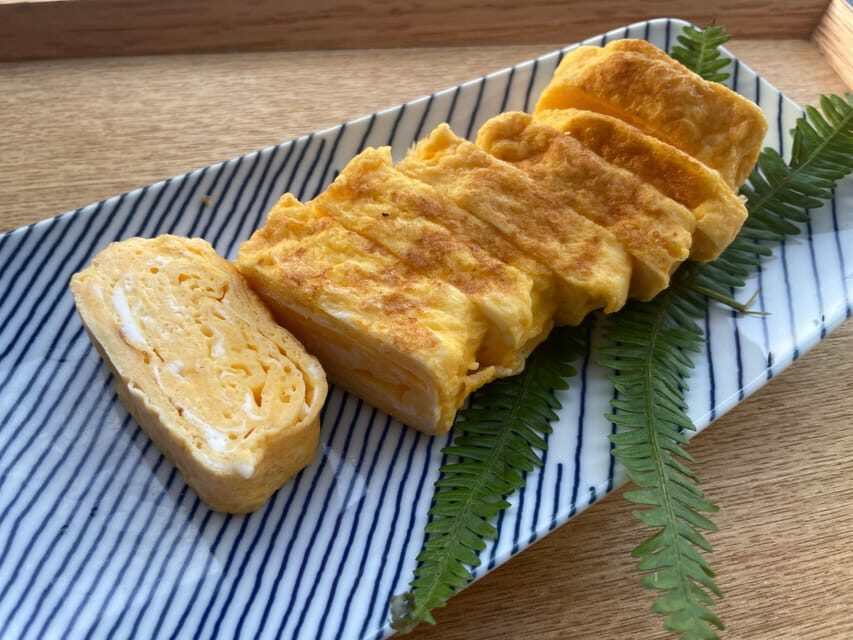
At $83 per person, the value comes from what’s included and what you’re leaving with. You get:
- a local shop tour at a few shops
- the food (Katsu Curry or Bento)
- an English instructor and translation support
- optional drinks beyond water, including sake tasting
So you’re not paying just for cooking. You’re paying for guided learning plus ingredients you can identify, plus a sit-down payoff from what you actually make. For many visitors, that’s worth it compared with doing a similar meal on your own and hoping you can repeat it later.
Is it expensive compared to grabbing lunch from a casual spot? Yes. But it’s also not the same experience. You’re buying structure, coaching, and cultural context in a compact 150-minute session.
The best value likely comes if you:
- want to cook at home (not just eat in Osaka)
- enjoy small-group interactions
- prefer learning from a person rather than guessing from videos later
If you’re only interested in eating and you don’t care about technique, you might be better off spending that time sampling street food instead.
Timing and how to fit it into your Osaka trip
The session runs about 150 minutes. That makes it workable as a morning activity in Osaka. Reviews also describe it as a great option for a morning, which helps if you want to keep your afternoon open for other neighborhoods or a longer sightseeing day.
Because it starts at Osaka Tenmangu Shrine, it also pairs nicely with shrine and temple area exploring before or after your class. Just be sure you arrive at the correct gate and give yourself a little buffer so you’re not stressed when the group is about to head out.
Also plan around your expectations: you’re doing a shop walk plus cooking. If you’re the kind of traveler who gets impatient with transitions, you might want to schedule something calm and nearby for the rest of the day.
Who should book this class (and who might skip it)
This is a strong match for:
- food lovers who want real home-meal results
- beginners who appreciate step-by-step guidance
- families, since the class format is described as working for young children through seniors
- travelers who like cultural exchange and Q&A, not just cooking
You might skip or consider an alternative if:
- you only want to eat and don’t care about learning technique
- you’re looking for a multi-dish Japanese feast in one sitting (this class focuses on one of the two main options)
- you dislike any walking between stops (the shop tour is part of the core design)
If you’re torn, choose based on what you’ll actually cook again after your trip. That usually makes the decision for you.
Should you book Osaka Cooking Base’s Katsu Curry or Bento class?
Yes, I’d book it if you want a hands-on Osaka experience that teaches you something you can repeat at home. The combination of small-group instruction, a local shop tour, and clear English support makes it feel accessible even if you’re not confident in Japanese.
The one decision you must make is your dish choice. If you want comfort and sauce-heavy satisfaction, go for Katsu Curry. If you want a more structured, creative project you can be proud of, pick Bento. Either way, you’re getting a meal plus the skills to make it again—without having to figure it out alone.
FAQ
FAQ
Where do I meet for the class?
You meet in front of the large main gate of Osaka Tenmangu Shrine. Make sure you do not go to the small back gate.
How long is the cooking class?
The session is about 150 minutes.
What dishes can I learn to make?
You’ll learn either Katsu Curry or Bento boxes, depending on what you select for your class.
Is the instructor English-speaking?
Yes. The instructor is listed as English, and translation assistance is provided during the shop portion.
How big is the group?
The class is limited to a small group of up to 8 participants.
What’s included in the price?
Included are the local tour (a few shops) and the food you make (Katsu Curry or Bento). Drinks are optional.
Are drinks included? Is sake tasting available?
Optional drinks are offered beyond water, including sake tasting.
Do I need to reserve ahead of time?
Yes. You must make a reservation at least 24 hours in advance.
Is there free cancellation?
Yes. You can cancel up to 24 hours in advance for a full refund.
Is this class suitable for families?
It’s described as working for all ages, and families have taken part in the experience.