REVIEW · NAGOYA
Nagoya: Traditional Japanese Sweets-Making Workshop
Book on GetYourGuide →Operated by B.B.Advisors Inc. AN NAGOYA · Bookable on GetYourGuide
Two sweets, one edible art project. This Nagoya Nerikiri workshop is a hands-on 65-minute taste of Japanese craft culture, built around real ingredients and seasonal design. I like that you use white/red bean paste made by Kyoto’s long-established shops, so the base flavor feels authentic from the first bite.
You’ll shape and finish two traditional sweets that match the season, then you can eat what you make right there. The possible drawback to plan around is simple: the venue is on the 3rd floor with no elevator, and the event can’t be held for delays.
In This Review
- Key Highlights You’ll Actually Care About
- Why This Nerikiri Workshop Feels Like Craft, Not Just a Tasting
- What You’ll Make: Two Seasonal Nerikiri Sweets
- Kyoto Bean Paste in Your Hands (And Why It Matters)
- The 65-Minute Flow: How the Session Likely Moves
- Where You Go in Nagoya: Exit 3 at Kokusai Center
- Price and Value: What $11 Really Buys You
- Classroom Setup: The Social Comfort Factor
- Practical Tips for Better Nerikiri (Without Stress)
- Who This Workshop Is Best For (And Who Might Skip It)
- Should You Book This Nerikiri Workshop in Nagoya?
- FAQ
- How much does the workshop cost?
- How long is the experience?
- What sweets will I make?
- Will I use real bean paste?
- Can I eat the sweets after making them?
- Is there an English guide during the class?
- Where is the meeting point?
- Where is the venue located inside the building?
- Are there any optional add-ons?
- What are the operating hours?
- What are the cancellation rules?
Key Highlights You’ll Actually Care About
- Kyoto bean paste is part of the experience, not a generic substitute
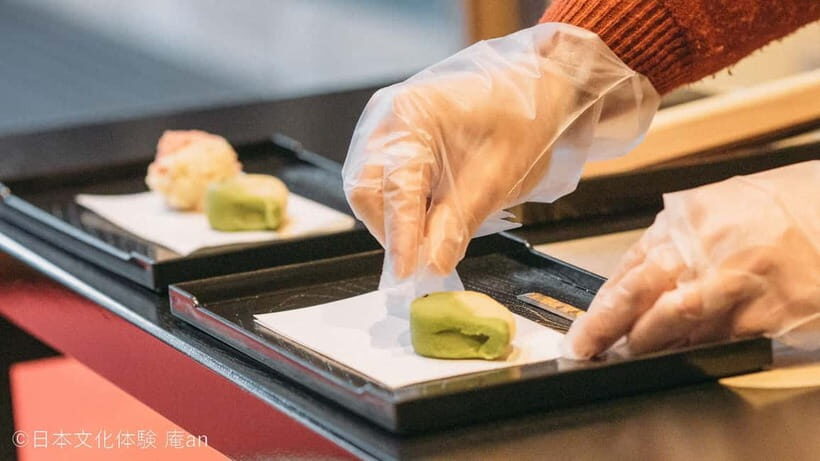
- You make two seasonal nerikiri by hand during the 65-minute session
- Eat on the spot so you’re not stuck guessing what your sweets will taste like later
- Classroom-style training with about twenty participants keeps it social but not chaotic
- Optional extras: a take-out box (100 JPY) and completion certificate (300 JPY)
Why This Nerikiri Workshop Feels Like Craft, Not Just a Tasting
Nagoya is full of great food. This workshop adds a different angle: you get to make dessert as a skill. Nerikiri sweets are not just about sweetness; they’re about texture, molding, and finishing details that make the finished piece look intentional.
The format also keeps things friendly. You’re in a classroom setting with instruction, demonstrations, and time to practice. One big plus is how the teaching tends to land: the instructor uses Japanese, and English translation support is provided as much as possible. In other words, you don’t have to be fluent to follow what matters—how to handle the paste, how to shape, and how to finish cleanly.
There’s a small mindset shift you’ll feel quickly. When you’re working with bean paste and you’re trying to match a seasonal design, you stop thinking of sweets as something you buy and start thinking of them as something you build. That’s where the fun really lives.
A few more Nagoya tours and experiences worth a look
What You’ll Make: Two Seasonal Nerikiri Sweets
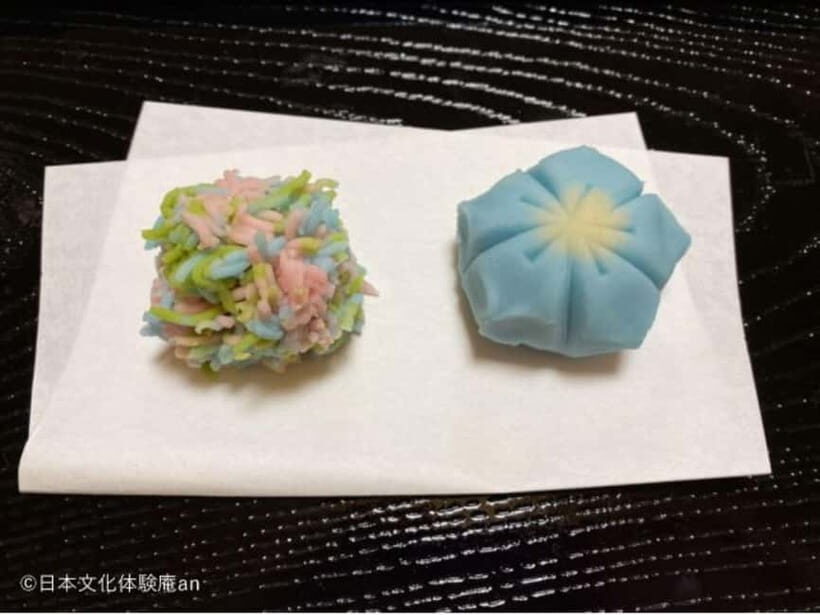
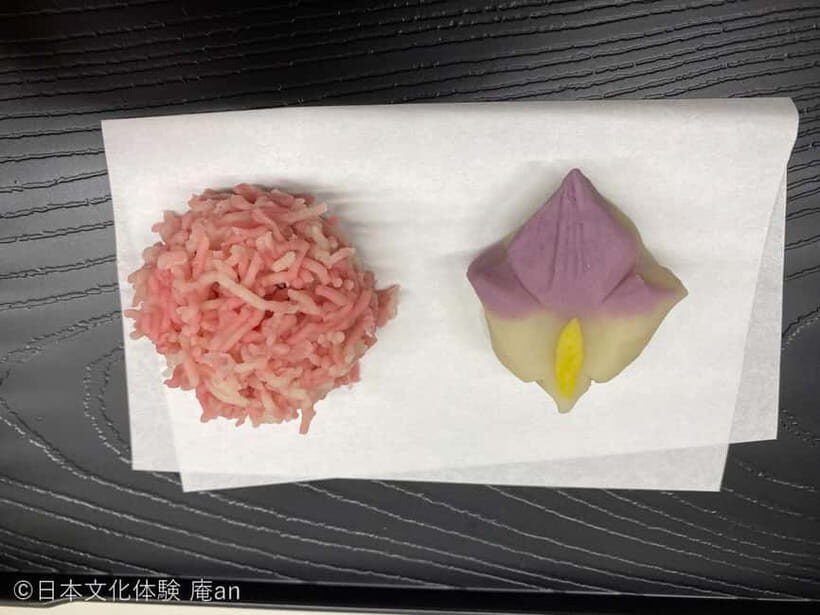
You’ll make two Japanese traditional sweets called nerikiri. The exact shapes depend on the season, so you’re not doing the same cookie-cutter craft year-round. That seasonal matching is more than decoration—it pushes you to pay attention to subtle finishing choices so the look matches the theme.
Think of it like this: you’re not just learning one technique. You’ll likely repeat the basics while still needing to adjust for how each sweet should form. By the end, you should have two finished pieces on a plate, with that satisfying moment where it looks like art you can eat.
And yes, there’s tasting right away. You can enjoy your homemade sweets on the spot, which helps you learn faster. If something goes wrong—too soft, too firm, not blended right—you’ll catch it with your own palate immediately, not next day.
Kyoto Bean Paste in Your Hands (And Why It Matters)
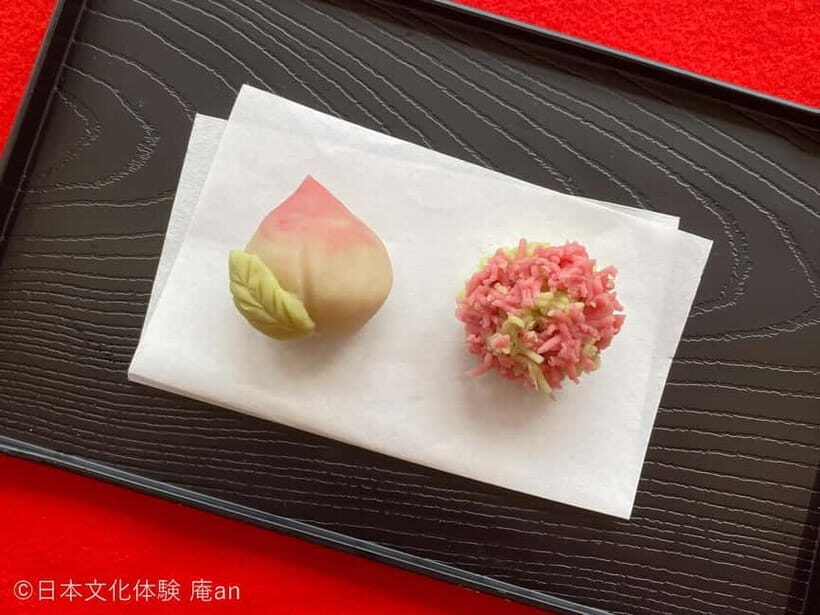
This is one of the best parts of the experience: the bean paste is produced in Kyoto by long-established shops. That detail changes the whole character of the workshop.
In many DIY food activities, the main ingredients can be generic. Here, the base flavor and texture are already part of a tradition. That means your success depends less on compensating for a bland or unfamiliar paste and more on learning the craft: kneading, portioning, smoothing, and shaping.
Also, using the same core ingredient across your two nerikiri means you get a clearer feedback loop. You can compare how different shapes and finishing steps influence how the sweets feel and taste. It’s a practical way to learn why nerikiri is so valued in Japan—texture and presentation go together.
The 65-Minute Flow: How the Session Likely Moves
With only 65 minutes, the workshop is paced to keep momentum. You’re not stuck for hours. Instead, you’ll get a short setup, clear instruction, and enough practice time to actually finish two sweets.
Here’s the practical rhythm you can expect:
- A start with instruction and demonstration, in Japanese with English translation support as possible
- Hands-on work where you form and shape the nerikiri based on the seasonal designs
- Time to finish each sweet, plate it, and taste it on the spot
In at least some sessions, you may also get a brief intro related to matcha as part of the overall sweets context. It’s not the main show, but it adds a nice layer: you’re building dessert knowledge while you work, not just making objects.
What you’ll notice quickly is that the instructor coaching tends to be gentle and clear. You get feedback that keeps you moving in the right direction instead of getting lost in technique.
Where You Go in Nagoya: Exit 3 at Kokusai Center
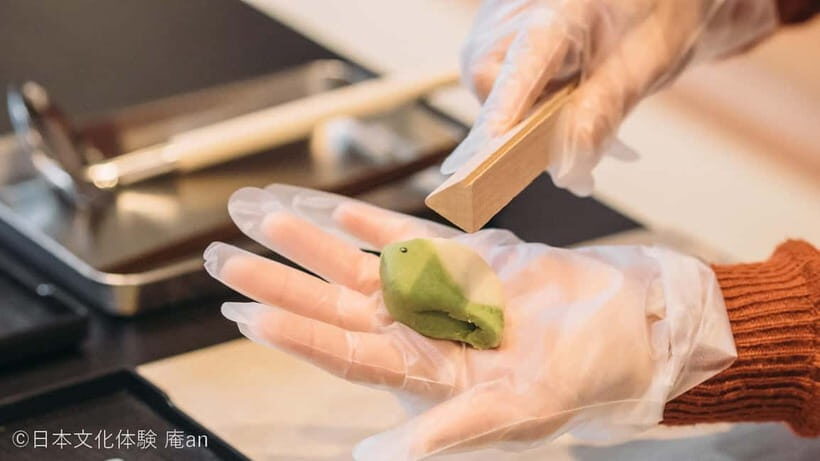
Location matters for workshops. You don’t want to spend your best energy searching for the building.
The meeting point is:
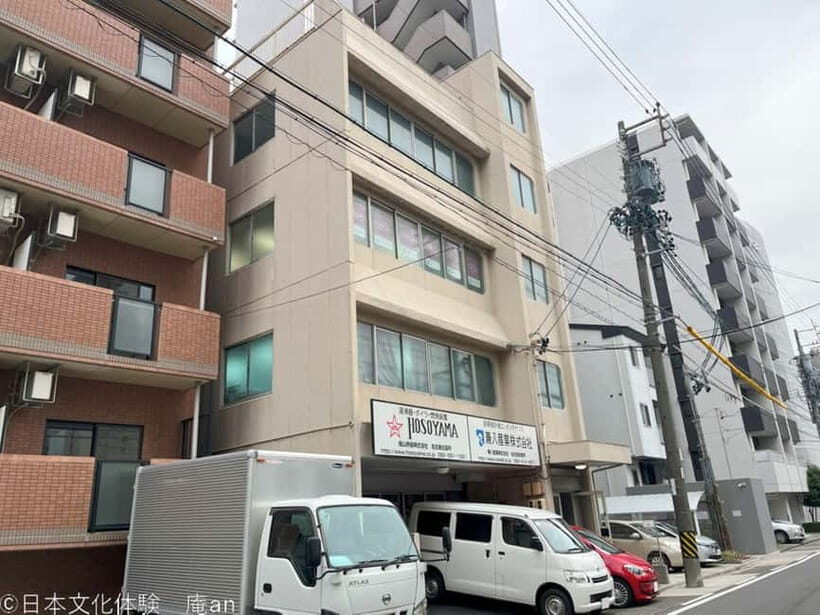
- 1 minute walk from Exit 3 of the Sakura-dori Line subway station Kokusai Center Station
- About 13 minutes walk from Nagoya Station along the Sakura-dori side
- Coordinates: 35.1715323, 136.891893
Once you arrive, plan for the simplest physical detail: the venue is on the 3rd floor and there’s no elevator. That’s the kind of thing that can be totally fine—or annoying—depending on your footwear and how tight your schedule is.
If you’re using public transit, aim to arrive a little early. The experience can’t be held for delays, so getting there on time is part of having a good time.
A few more Nagoya tours and experiences worth a look
Price and Value: What $11 Really Buys You
At about $11 per person, this is a bargain-priced activity if you care about making something, not just eating it.
Here’s why the value holds up:
- You’re making two handmade seasonal sweets (not one bite-sized sample)
- You use Kyoto bean paste from long-established shops
- You get immediate satisfaction because you can eat on the spot
- The session is structured, with instructor support in Japanese and English translation assistance
Even if you’ve done “make your own” workshops elsewhere, nerikiri is a specific craft. It’s not a quick craft with generic ingredients. It’s closer to learning a real Japanese technique you can appreciate with your hands and your palate.
Optional costs do exist:
- A take-out box is 100 JPY if you want to bring sweets home
- A completion certificate is 300 JPY, and nominative certificates need your names in advance if you want the exact wording
Those extras are just that—optional. The core experience is still good value without adding anything.
Classroom Setup: The Social Comfort Factor
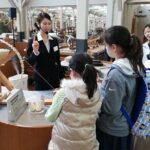
This isn’t a silent, private atelier experience. It’s closer to a guided class, and that can be a big plus.
From what the setup suggests, you’re likely with around twenty participants. That size keeps the energy lively but not overwhelming. You can watch others for hints, you can ask the instructor questions, and you still get enough individual time to finish two sweets.
There’s also something reassuring about the structure. When you’re learning a craft like nerikiri molding, you don’t need a huge group to be safe and supported. The classroom format helps you stay on track with the steps you need to complete.
Practical Tips for Better Nerikiri (Without Stress)
You don’t need special skills to do this, but a few habits will make it smoother.
1) Treat it like cooking practice, not art class
Nerikiri rewards patience. If you rush, the paste can be harder to work with. Take the time you’re given to smooth and shape.
2) Ask when language is unclear
English translation is provided as much as possible, and the instructor can manage Japanese with English support. If something feels confusing, don’t wait. Quick clarification early saves time later.
3) Make space for tasting
Since you can eat your sweets on the spot, be ready to enjoy them right after you finish. Tasting while warm/fresh (depending on how they’ve prepared and plated) helps you understand what your work accomplished.
4) Consider optional extras before you start
If you want to take sweets home, remember the take-out box costs 100 JPY. If you want a certificate, decide in advance because nominative details require your names beforehand.
5) Wear comfortable shoes
No elevator to the 3rd floor means your feet will feel it. Comfortable footwear is a small move that prevents a big annoyance.
Who This Workshop Is Best For (And Who Might Skip It)
This is a strong fit if you:
- Want a hands-on food experience in Japan beyond just eating
- Like seasonal crafts and enjoy visual details as part of flavor
- Prefer shorter, structured sessions that fit a day in Nagoya
- Don’t want complicated logistics—just follow the station directions and get upstairs
You might skip it if:
- You strongly dislike any activity that involves working with sticky paste (though the guidance should help)
- You need fully accessible facilities due to the 3rd-floor, no-elevator setup
- You’re aiming for a very quiet, private experience rather than a classroom style
Should You Book This Nerikiri Workshop in Nagoya?
I think you should book it if you want a memorable Nagoya food moment that’s more than a meal. For $11, you’re getting real ingredient quality, instructor guidance, and two finished sweets you can eat immediately. That combination is hard to beat.
Book it especially if you’re traveling with a curious streak—this is one of those activities where you leave with something practical in your brain: how nerikiri texture works, why finishing details matter, and what seasonal design tastes like.
Just make sure you plan your timing so you’re not sprinting up to the 3rd floor at the last second. Arrive early, bring comfortable shoes, and give yourself permission to have fun with the molding. It’s a short session, but it lands like a real craft memory.
FAQ
How much does the workshop cost?
The price is $11 per person.
How long is the experience?
The duration is 65 minutes.
What sweets will I make?
You’ll make two Japanese traditional sweets called nerikiri, matched to the season.
Will I use real bean paste?
Yes. You use white and red bean paste produced by Kyoto’s long-established shops.
Can I eat the sweets after making them?
Yes. You can eat the sweets on the spot.
Is there an English guide during the class?
The instructor is Japanese, and English translation will be provided as much as possible. If you want additional English translation, you’ll need to contact the operator.
Where is the meeting point?
It’s 1 minute walk from Exit 3 of Kokusai Center Station (Sakura-dori Line). It’s also about 13 minutes walk from Nagoya Station on the Sakura-dori side.
Where is the venue located inside the building?
The venue is on the 3rd floor, and there is no elevator.
Are there any optional add-ons?
Yes. You can add a take-out box for 100 JPY. You can also purchase an experience completion certificate for 300 JPY.
What are the operating hours?
Operation hours are 10:00 to 17:00. Reservations received after 17:00 are processed the next day.
What are the cancellation rules?
You can cancel up to 24 hours in advance for a full refund. The activity also notes that a cancellation fee can apply, and cancellations after 17:00 are treated as next day.