REVIEW · KYOTO
Osaka/Kyoto: Katsuoji, Kinkakuji, Arashiyama 1-Day Bus Tour
Book on GetYourGuide →Operated by Japan Visionary Tour · Bookable on GetYourGuide
Most days in Kyoto feel like a puzzle. This one feels like a story. You’ll move from Katsuoji’s Daruma wishes to Arashiyama’s bamboo quiet, then finish with the gold glow of Kinkakuji. It’s a compact route that hits big icons without making you guess trains and transfers all day.
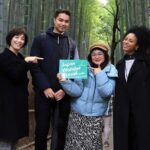
I like the way the stops are spaced for real viewing time: Katsuoji for the eye-painting ritual, Arashiyama for slow walking and photos, and Kinkakuji for quiet attention at the end. I also really enjoy the guide element. Names like Willa, Theodore/Chan San, Amanda, and Steven show up in the provided feedback, and they’re repeatedly described as clear, engaging, and good at keeping the schedule moving.
One thing to consider: the day is long (about 9–10 hours) and some locations are easy to feel rushed if you want to study every detail. If you hit lines at Katsuoji or want extra time photographing every corner in Arashiyama, you may need to prioritize.
In This Review
- Key highlights you’ll feel on the day
- A Day That Ties Daruma, Bamboo, and Gold Together
- Price and What You Actually Get for $56
- Katsuoji Temple and the Daruma Eye Wish Ritual
- Arashiyama Slow Walk: Bamboo Grove, Kimono Forest, and Togetsukyo
- Bamboo Forest: the quiet you can feel
- Kimono Forest: color arranged like an art display
- Togetsukyo Bridge: classic Japan in one shot
- Nonomiya Shrine: A Happy Place to Pray for Love
- Kinkakuji Temple: Quiet Time in Golden Splendor
- Timing Tips: How to Make Each Stop Feel Longer
- What to Bring (So the Day Doesn’t Feel Like Work)
- Who This Bus Tour Fits Best
- Should You Book This Katsuoji–Arashiyama–Kinkakuji Tour?
- FAQ
- How long is the Osaka/Kyoto Katsuoji, Kinkakuji, and Arashiyama 1-Day Bus Tour?
- What languages are offered by the guide?
- Does the tour price include temple admission and meals?
- Where does the tour start, and where do you get dropped off?
- What should I bring for the day?
- Is there anything I’m not allowed to do during the tour?
Key highlights you’ll feel on the day
- Daruma eye ritual at Katsuoji: make the wish, then return to complete the eyes when your wish comes true
- Arashiyama bamboo stroll time: breathe slower in the grove and let the scenery do the talking
- Togetsukyo Bridge photo moment: stand by the Oi River and feel that classic old-Japan mood
- Kimono Forest visual stop: colorful kimono displayed in a column-like gallery setup
- Kinkakuji golden quiet: World Heritage splendor reflected in the mirror-pond setting
A Day That Ties Daruma, Bamboo, and Gold Together
This is one of those Kyoto tours that makes sense if you want the highlights, but you also want breathing room. You’re not just checking boxes. The route is built around three moods: prayer (Katsuoji), nature and calm (Arashiyama), and sacred beauty (Kinkakuji).
You’ll start in Kyoto, then spend the middle of the day in Arashiyama’s valley-and-river world. The day ends with Kinkakuji, which is at its best when you’re not exhausted—gold detailing looks far sharper when your attention is still fresh.
The whole flow is designed so you don’t have to build your own mini-itinerary. Instead, you get a guide who helps you move efficiently and gives context so each stop lands with meaning.
A few more Kyoto tours and experiences worth a look

Price and What You Actually Get for $56
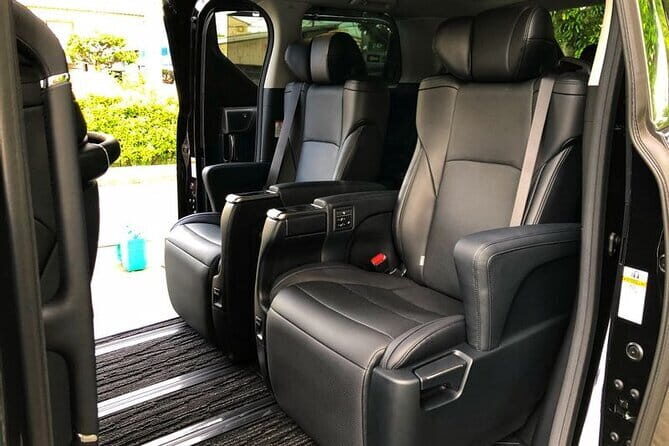
At $56 per person for a 9–10 hour outing, the value is mostly in the logistics. You’re paying for round-trip transfers between your meet-up point(s) and drop-off location(s), plus toll, parking, and fuel fees. In practical terms, that saves you time and stress—especially if you’re staying in central Kyoto and don’t want to figure out every bus/train segment.
What’s not included matters too. Admission to Katsuoji Temple and Kinkakuji Temple isn’t part of the price, and meals and drinks aren’t included. If you’re budgeting, set aside extra money for entry and plan how you’ll handle lunch (you can’t eat on the bus, so you’ll want a plan for timing).
Still, for many visitors, this pricing structure works well: you’re paying to cover the big movement problem, then spending your time and money on what you actually came for—temples, river views, bamboo, and golden architecture.
Katsuoji Temple and the Daruma Eye Wish Ritual
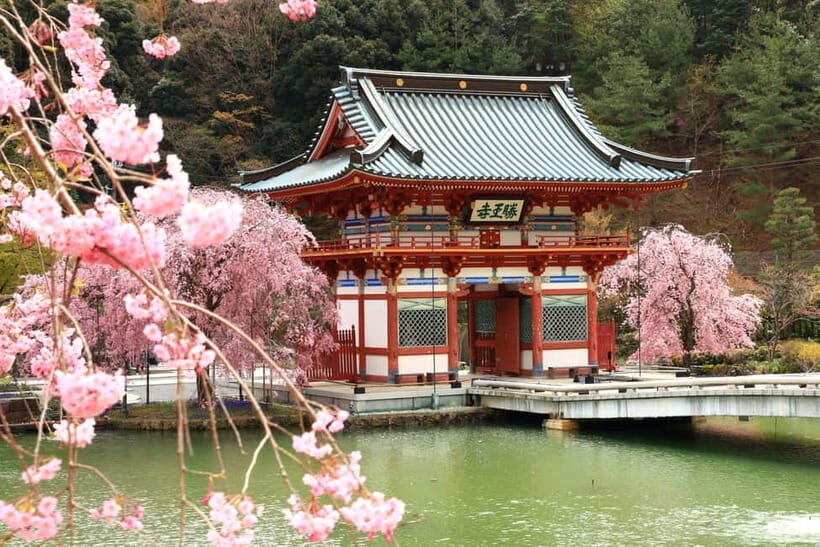
Katsuoji is where the day turns spiritual, not just scenic. The temple is known for its long tradition—more than 1,300 years—and it’s often called the Temple of Victory. That theme shows up in how people pray here.
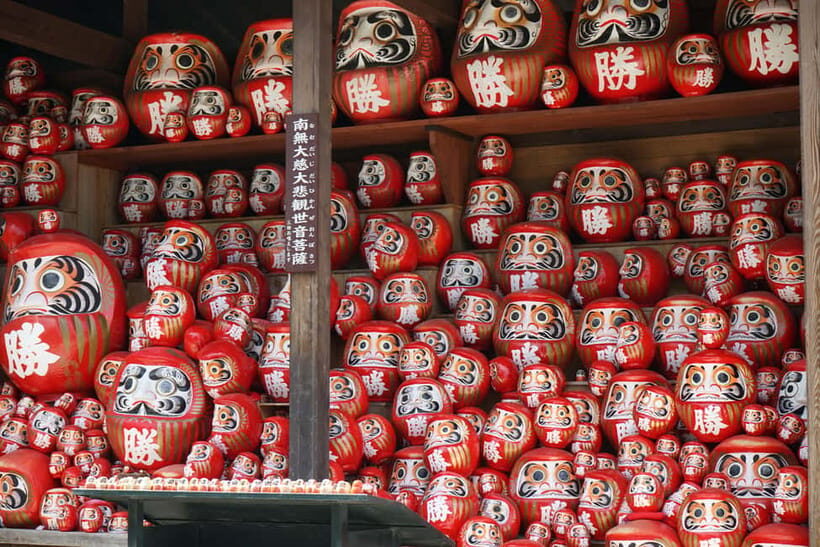
The most memorable part is the Daruma eye ritual. You can personally dot the Daruma’s eyes: you first draw the left eye and make your wish, then you fill in the right eye after your wish is fulfilled. It’s a simple act, but it’s meant to create a two-step promise with the gods, which is why the atmosphere feels personal instead of touristic.
This stop is also visually fun. Daruma figures show up everywhere, so even if you’re not the type to chase ceremonies, you’ll still see the theme repeated in ways that make photos interesting. Look for the eye details and the way people handle the ritual area; it’s one of those spots where quiet attention is part of the experience.
Practical tip: wear shoes you can stand in for a while. Even if you don’t linger, Katsuoji involves walking and moving through prayer spaces. If you prefer fewer crowds, timing can help, but you’re on a fixed tour route—so go in ready to focus for about an hour.
Arashiyama Slow Walk: Bamboo Grove, Kimono Forest, and Togetsukyo
After Katsuoji, the day shifts from temple quiet to Arashiyama’s open-air calm. This is the heart of the tour experience because it gives you long enough to slow down, not just pass through.
Bamboo Forest: the quiet you can feel
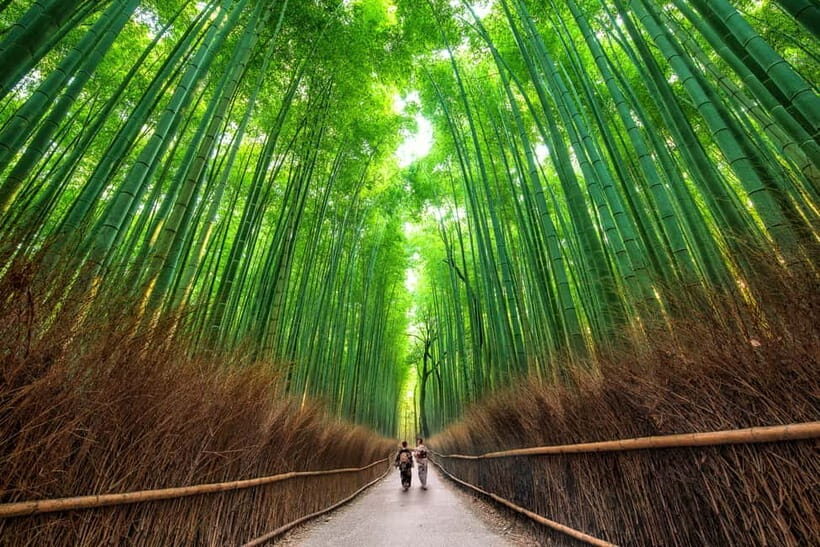
You’ll stroll through the bamboo grove, where the towering stalks and filtered light create a natural “pause button.” The soundscape matters here too: bamboo leaves rustle, and the air can feel cooler and calmer than the surrounding streets. It’s the kind of place where you stop thinking about your schedule and start listening.
The best way to enjoy it is to walk at a gentler pace than you think you need. Give yourself a minute to notice how light falls through gaps, then take photos that include distance (not just close-ups). That’s how you get the feeling of scale.



Kimono Forest: color arranged like an art display
Next is the Kimono Forest stop, which is less about nature and more about visual culture. Hundreds of transparent columns show colorful kimono arranged like a layered art gallery. Light and shadow play across the display, so your photos can look different from moment to moment depending on how you position yourself.
This is a good break from outdoor walking. If you’re someone who likes variety, it keeps Arashiyama from becoming only bamboo and river views.
Togetsukyo Bridge: classic Japan in one shot
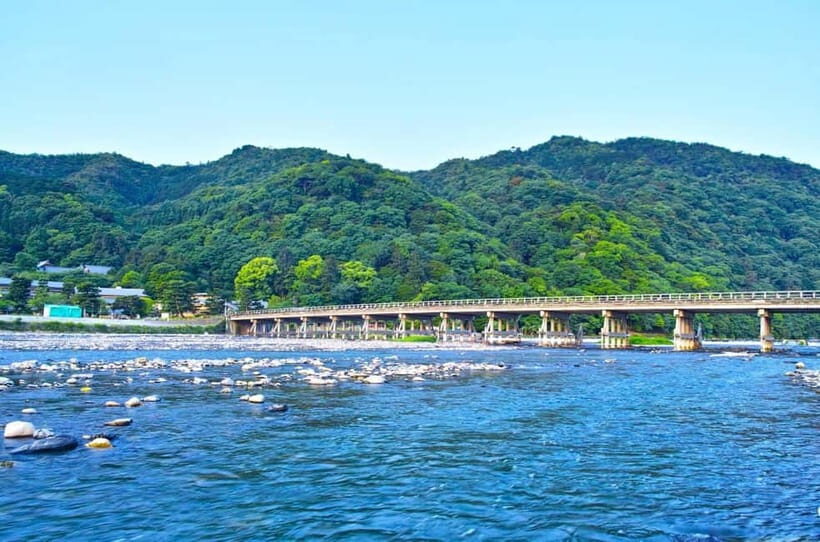
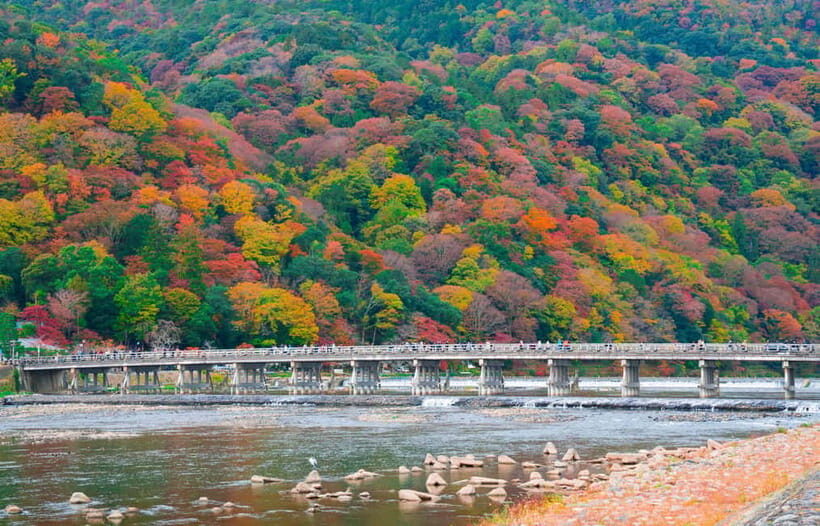
Then you reach Togetsukyo Bridge, one of Arashiyama’s signature landmarks. Standing there with the Oi River below and mountains in the distance gives you that elegant old-Japan feeling people chase. It’s also where your camera usually earns its keep: long views, river reflection angles, and a sense of depth.
This stop is short on purpose, so don’t wait until the last minute to take your main bridge photos. If you want a clean shot, step off the busiest path early and aim for compositions that include both the river and the mountain line.
Nonomiya Shrine: A Happy Place to Pray for Love
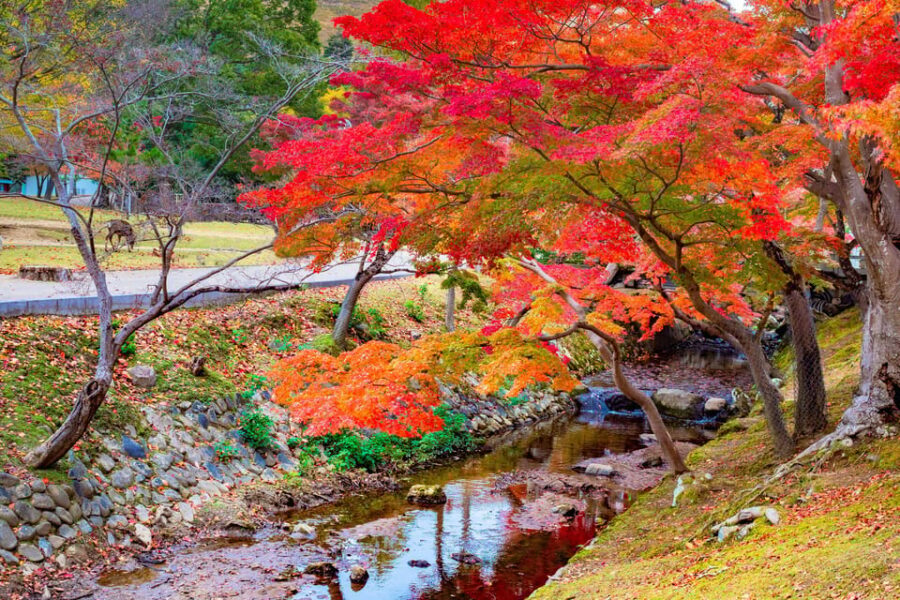
After the scenery, you’ll shift again into a more personal, wish-based mindset at Nonomiya Shrine. This is where people come to pray for love, health, and happiness.
There’s also a specific activity: you can hang a painted horse and write down your wishes. The shrine setting makes it feel like a quiet goal-oriented stop—you’re doing something small but meaningful, and then you can move on with that wish in your head.
If you like cultural stops that feel participatory rather than purely observational, this is a great fit. It takes some pressure off your time too: you don’t need to read a ton of text to understand what’s happening.
Bring the same mindset you used at Katsuoji: slow down for a few minutes, take one or two photos (without blocking anyone), and keep moving once you’ve done the wish.
Kinkakuji Temple: Quiet Time in Golden Splendor
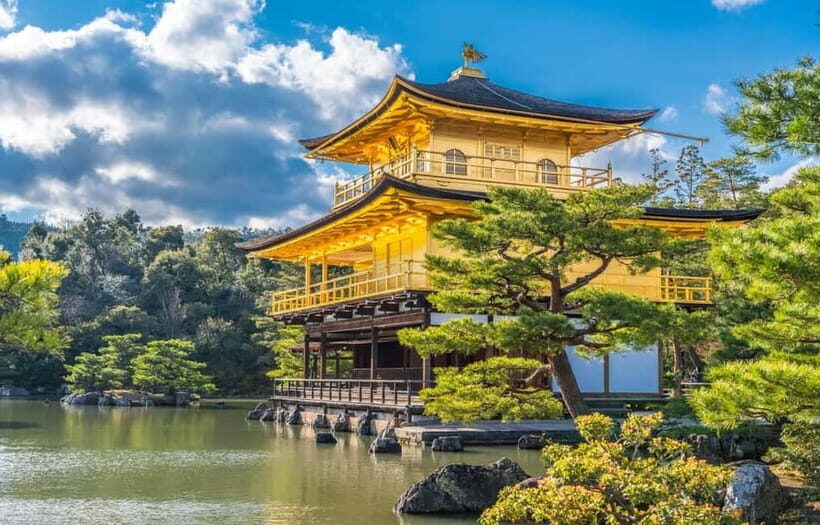
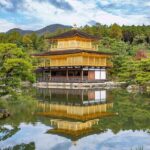
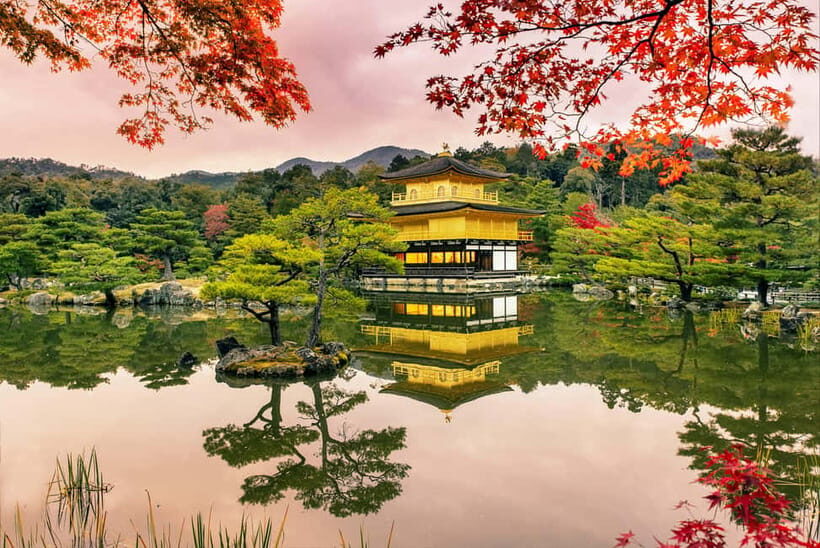
Kinkakuji is the finish-line moment. The World Heritage temple’s outer wall is gold foil, and it shines in a way that feels almost unreal in person. What makes it memorable is the mirror-pond reflection setup. When the light hits right, the gold looks doubled—temple and reflection working together.
This stop is also emotionally different from the earlier segments. Katsuoji is about a personal agreement with the gods. Arashiyama is about calm walking and nature. Kinkakuji brings you back into a structured, serene attention mode.
Plan for a slower walk here than you did around Arashiyama. Even if your time window is limited, the temple rewards focus. Find a spot, look for the angle that includes both gold surface and pond reflection, then take your time. Don’t scatter your attention across too many directions at once.
If you’re the type who loves detail (textures, edges, roof lines), this is where you’ll enjoy the most. Even without deep architectural knowledge, the gold and the symmetry do the explaining.
Timing Tips: How to Make Each Stop Feel Longer
This tour runs about 9–10 hours, which is plenty to see a lot, but not enough to wander without limits. One important consideration from the provided guidance: some locations may feel short if you get held up by queues or if you’re the slow-photo type.
Here’s how to avoid feeling rushed:
- Prioritize photos at the “anchor” views: Daruma eye moment, Togetsukyo Bridge, and Kinkakuji reflections. If you’re short on time later, you’ll still have your must-have images.
- Move with purpose indoors: at the Kimono Forest area, don’t wait for the perfect photo angle. Get one strong shot, then adjust.
- Use your shoe power: comfortable shoes matter because temple paths and shrine areas are easy to stand on longer than you expect.
- Avoid food surprises: Japanese law says you can’t eat on the bus. If you want a snack, plan it around your stop times, not your ride.
You’ll get a guide who helps you find where to return and when to regroup. That support can make the schedule feel smoother, which is especially helpful if you’re traveling solo or you don’t want to constantly check maps.
Also: the day depends on traffic. If overtime happens due to jams, the provider bears the full cost, but delays can still happen. Build your expectations around that reality.
What to Bring (So the Day Doesn’t Feel Like Work)
You already have the most important items in your head: camera and comfortable shoes. For this route, I’d add a few practical upgrades.
Bring:
- Comfortable shoes (you’ll walk)
- Camera
- Sunscreen
- Water
If you’re prone to getting thirsty during long outdoor segments (Arashiyama especially), pack water so you’re not searching mid-walk. And if you’re sensitive to heat, sunscreen is not optional.
Also remember what’s not allowed: no smoking. And again—no eating on the bus.
Who This Bus Tour Fits Best
This is a good choice if you want a one-day highlights hit with minimal transport effort. It’s also a strong option if you’re short on time in the Osaka/Kyoto area and you’d rather be guided through the day than plan transfers yourself.
It may not be ideal if:
- you need step-free access or wheelchair-friendly routing, since it’s not suitable for mobility impairments or wheelchair users
- you want a super slow, unstructured temple day (the schedule is timed)
- you’re very sensitive to the idea of potentially standing in lines at a major temple like Katsuoji
It’s also a solid fit for couples and friends who want classic Kyoto scenery plus one or two participatory cultural moments. The mix of prayer ritual, bamboo calm, and gold architecture creates variety without requiring extra days.
Finally, language support is a plus. The guide is English/Chinese speaking, which helps you understand what you’re seeing instead of just following.
Should You Book This Katsuoji–Arashiyama–Kinkakuji Tour?
If you want a single day that connects Daruma prayer, Arashiyama bamboo, and Kinkakuji’s gold reflection, I think this tour is worth your attention. The big reason is value: the transfers and timing support cost less than the time and hassle you’d spend cobbling together your own day.
Book it if:
- you like guided context and want your day to flow without constant navigation
- you’re okay with a schedule and you’ll prioritize the key photo/view moments
- you want an end-of-day payoff at Kinkakuji
Consider passing (or adjusting expectations) if:
- you’re the type who needs long, quiet stays at every stop
- you have mobility limitations
- you’re trying to do a strict budget for admissions and lunch without planning extra money
For most people, $56 for the movement plus a guide-led day is a fair deal—especially when the highlight chain is this strong.
FAQ
How long is the Osaka/Kyoto Katsuoji, Kinkakuji, and Arashiyama 1-Day Bus Tour?
It runs about 9 to 10 hours.
What languages are offered by the guide?
The guide provides English and Chinese.
Does the tour price include temple admission and meals?
No. Admission to Katsuoji and Kinkakuji is not included, and meals and beverages are also not included.
Where does the tour start, and where do you get dropped off?
You can choose one of two Kyoto meet-up options: Kyoto Station Hachijo Entrance Square Sunken Garden or Harimaya Nippombashi 1-chome. Drop-off is at either Kyoto Station Hachijo Entrance Square Sunken Garden or Harimaya Nippombashi 1-chome.
What should I bring for the day?
Bring comfortable shoes, a camera, sunscreen, and water.
Is there anything I’m not allowed to do during the tour?
Smoking is not allowed. Also, Japanese law means you cannot eat on the bus.