REVIEW · TOKYO
Tokyo Food Tour: The Past, Present and Future 11+ Tastings
Book on GetYourGuide →Operated by Hello! Tours · Bookable on GetYourGuide
Food changes when Tokyo changes.
This guided walk strings together Tokyo’s culinary past-present-future in one smooth route, so you’re not just eating snacks—you’re learning how tastes and marketing shift as the city shifts. I especially like the 11+ tastings that span old staples (like kombu and mochi) to modern workday comfort food, and I like how the guide ties each bite to the neighborhoods you’re standing in. The one drawback: you’ll cover about 6.5 km with lots of subway-station stairs, and it’s not wheelchair friendly.
What I really enjoyed is how the tour makes Tokyo feel practical, not staged. I like the small-group setup (private or groups up to 8), and I like the “eat like salarymen” moments—izakaya and noodle-stall vibes under the rails. Do note that it’s not suitable for vegans or vegetarians, so check your dietary needs before you book.
In This Review
- Key highlights worth planning for
- Tokyo Food Tour: what you’re really buying for $164
- The route makes sense: Nihonbashi, Tokyo Station, Yurakucho/Ginza, Akihabara
- Stop 1 at Nihonbashi: meeting correctly so you don’t waste time
- Nihonbashi: the culinary roots—dashi, kombu, fermented sweetness, and mochi
- Tokyo Station: gift culture and the Fruits Sando connection
- Yurakucho/Ginza under the tracks: salaryman meals you can actually copy
- Akihabara: snack marketing meets future cravings
- The shrine visit: why it matters in a food tour
- Timing, pacing, and what your body needs to do well
- Getting around: two subway rides you pay for yourself
- Group size and guides: small enough for questions
- Who this tour is best for
- Value check: does the price match what you get?
- Should you book this Tokyo Food Tour?
- FAQ
- How long is the Tokyo Food Tour: The Past, Present and Future 11+ Tastings?
- Where do I meet the guide?
- How many food tastings are included?
- Is hotel pickup included?
- Do I have to buy subway tickets?
- Is the tour suitable for vegans, vegetarians, or wheelchair users?
Key highlights worth planning for
- Past, present, and future districts: Nihonbashi → Tokyo Station/Tokyo Station area → Yurakucho/Ginza → Akihabara
- 11+ tastings plus 1 included alcoholic drink (a Sour is part of the Ginza/Yurakucho section)
- Food tied to daily Tokyo life: workday meals, gift culture, and snack marketing all get their turn
- Shrine visit included as part of the cultural context around food
- Two short subway rides you pay for yourself during the tour
- Moderate pace, rain or shine with about 6.5 km walking total and many stairs
Tokyo Food Tour: what you’re really buying for $164
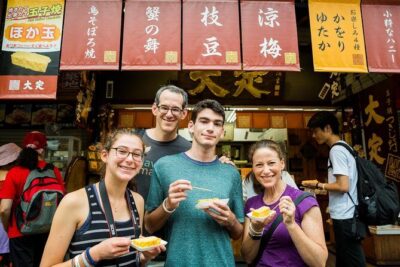
At $164 per person, you’re paying for two things at once: access and storytelling. Access is the simple part—food tours work best when you get led to places you’d likely skip on your own. Storytelling is the bigger value here, because the route is built like a timeline: historical foundations in Nihonbashi, modern “salaryman” eating around Ginza and Yurakucho, gift culture at Tokyo Station, and snack marketing in Akihabara.
The good news: the tour doesn’t rely on theory. You’ll eat across multiple stops, with tastings that match each era’s food personality—seaweed and dashi roots, postwar comfort foods like curry udon, and the kind of snack marketing that targets Tokyo’s younger crowd.
One practical consideration up front: expect a lot of walking and stairs. The experience is designed for people who can keep a steady pace for about 5.5–6.5 hours and handle subway staircases.
You can also read our reviews of more food & drink experiences in Tokyo
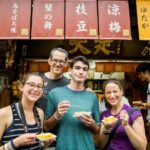

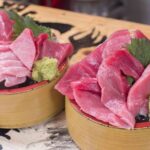
The route makes sense: Nihonbashi, Tokyo Station, Yurakucho/Ginza, Akihabara
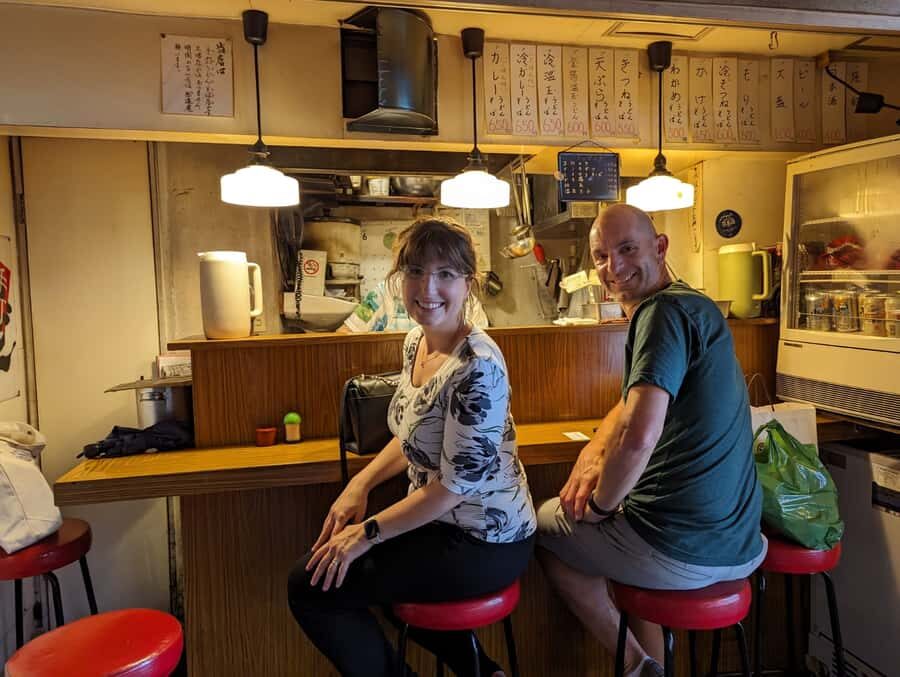
The tour is structured around three geographic districts, each with a clear food identity. That’s what makes it more than a list of snacks. When you walk through Tokyo in an intentional arc, the food starts to explain the city instead of just tasting good.
- Nihonbashi focuses on culinary foundations—ingredients and traditions that show up again and again in Japanese cooking.
- Tokyo Station adds a uniquely Japanese lens: food as a gift, shaped by how trains and travel culture move people.
- Yurakucho and the Ginza area under the railway brings you into everyday eating—izakayas, noodle stalls, and the workday rhythm of ordering and sharing.
- Akihabara shifts the mood toward the future—electronics and anime culture, plus modern snack marketing aimed at younger generations.
If you like connecting food to place (and not just “what’s delicious”), this route is a smart fit.
Stop 1 at Nihonbashi: meeting correctly so you don’t waste time
You start at Nihonbashi Subway Station Exit B12. Important detail: when you come out of Exit B12, you’ll be in a shopping mall, and the meeting spot is the bench on the right. You shouldn’t exit to street level—stay in the basement level.
If you’re arriving by taxi, ask the driver to drop you at Coredo Nihonbashi (1 Chome-4-1 Nihonbashi, Chuo City, Tokyo 103-0027). There’s an elevator down near the entrance, and the bench is there with your guide. If you get dropped on the wrong side of the building, circle around until you find the entrance with the elevator.
This sounds fussy, but it’s the difference between starting smoothly and spending your first 15 minutes hunting. Tokyo’s station areas are like puzzle boxes, and this tour keeps you off the street for the start.
Nihonbashi: the culinary roots—dashi, kombu, fermented sweetness, and mochi
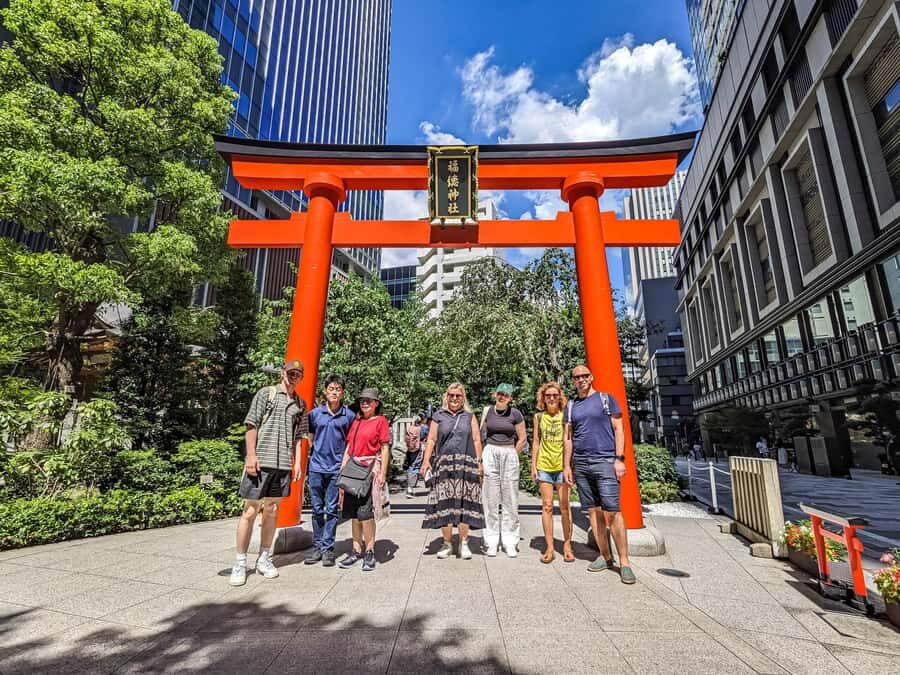
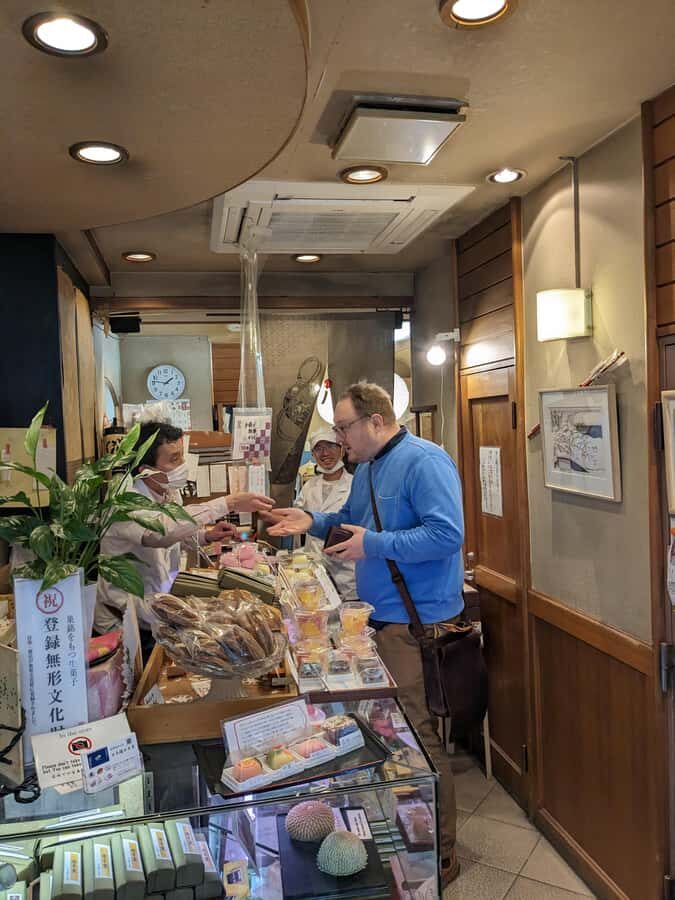
In Nihonbashi, the tour slows down in a useful way. You’re not rushing from one bite to another; you’re building an ingredient map for Japanese cuisine. The tour highlights dashi—the flavorful base used in many Japanese dishes—and the building blocks that make it taste deep rather than “just salty.”
You’ll also get a taste of kombu tsukudani, a simmered kelp preparation. That’s the kind of dish that doesn’t feel glamorous in English, but it teaches you something important: Japanese flavor often comes from careful extraction and gentle cooking over time.
Other tastings in this stop are very “food-history” friendly:
- Amazake, a fermented rice drink that leans sweet and comforting
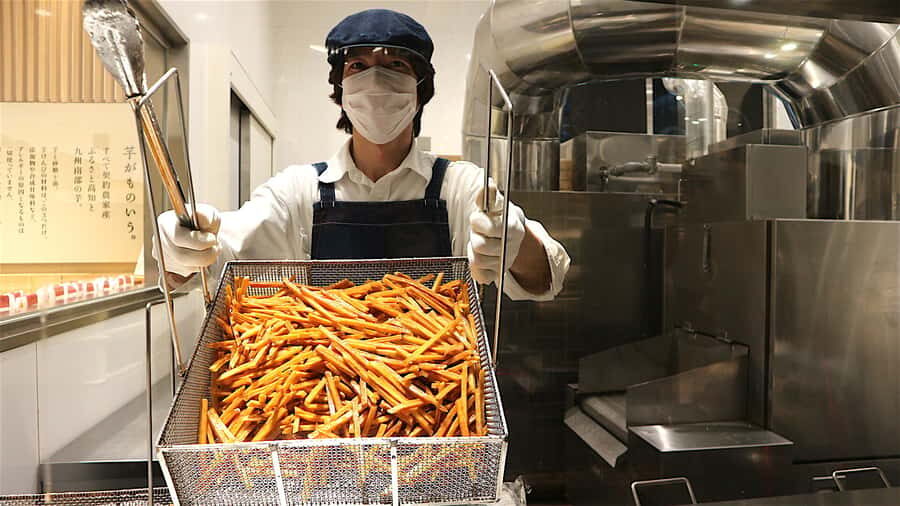
- Imo kenpi, sweet potato chips
- Daifuku mochi with a sweet filling
What I like about starting here: these foods explain why later Tokyo eating works. Once you’ve tasted the seaweed, fermented sweetness, and mochi texture, curry udon and snack marketing don’t feel random. They feel like variations on an established theme.
Tokyo Station: gift culture and the Fruits Sando connection
Tokyo Station can be overwhelming, but the tour uses it the right way. Instead of treating it like a landmark, it turns the station into a cultural lesson: Japanese gift-giving culture, food as an appropriate “train-era” souvenir.
The specific tasting you’ll have here is the Fruits Sando—Japanese milk bread filled with fresh fruit and whipped cream. It’s a perfect example of how Tokyo food often balances comfort with presentation. You get sweetness, dairy richness, and a very modern, travel-friendly format.
The guide also ties the idea of food to Japan’s iconic bullet trains and the culture of moving people quickly. You’re not just tasting dessert—you’re tasting the logic behind why stations develop their own food ecosystems.
A few more Tokyo tours and experiences worth a look

Yurakucho/Ginza under the tracks: salaryman meals you can actually copy
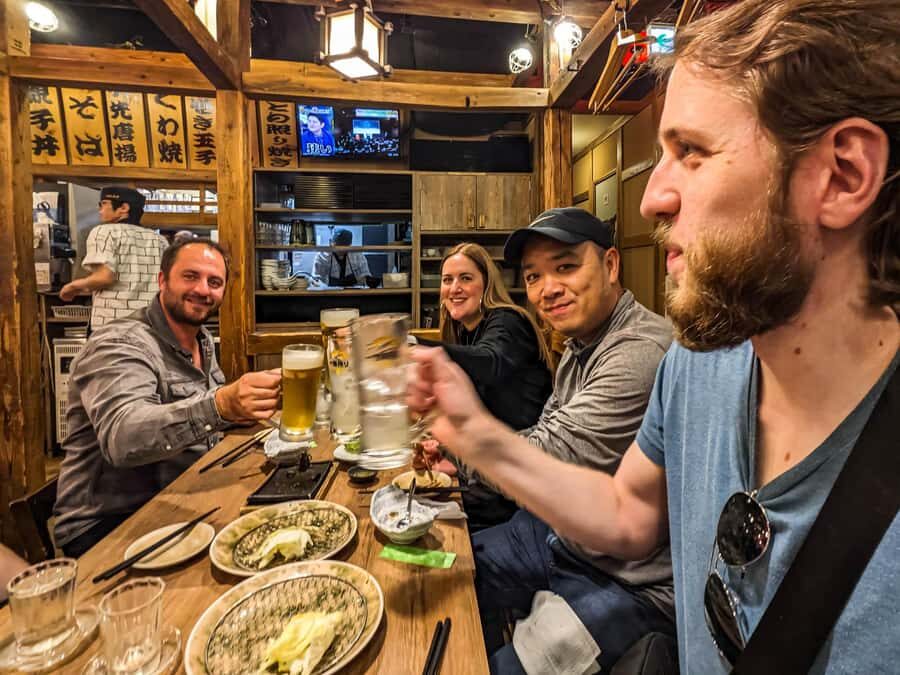
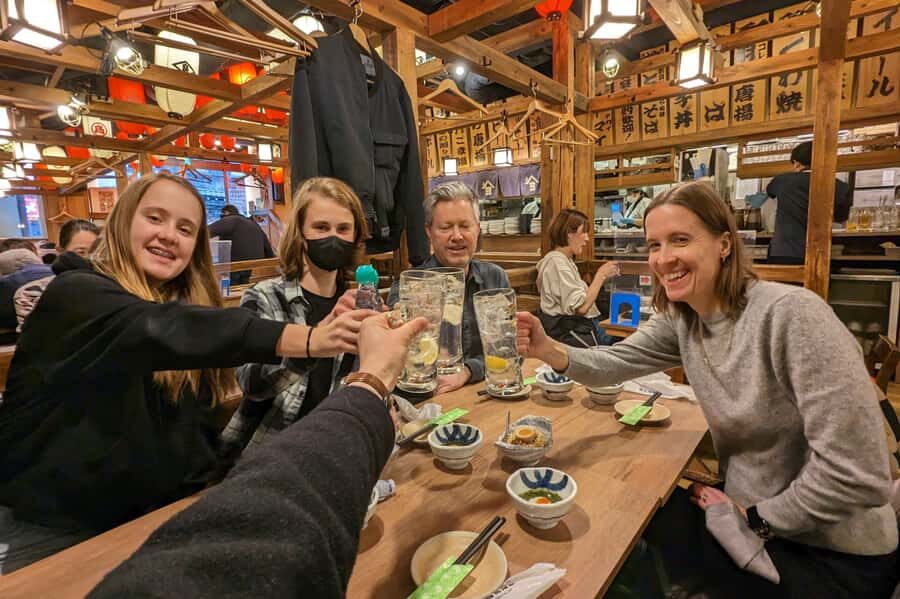
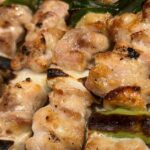
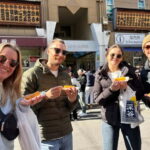
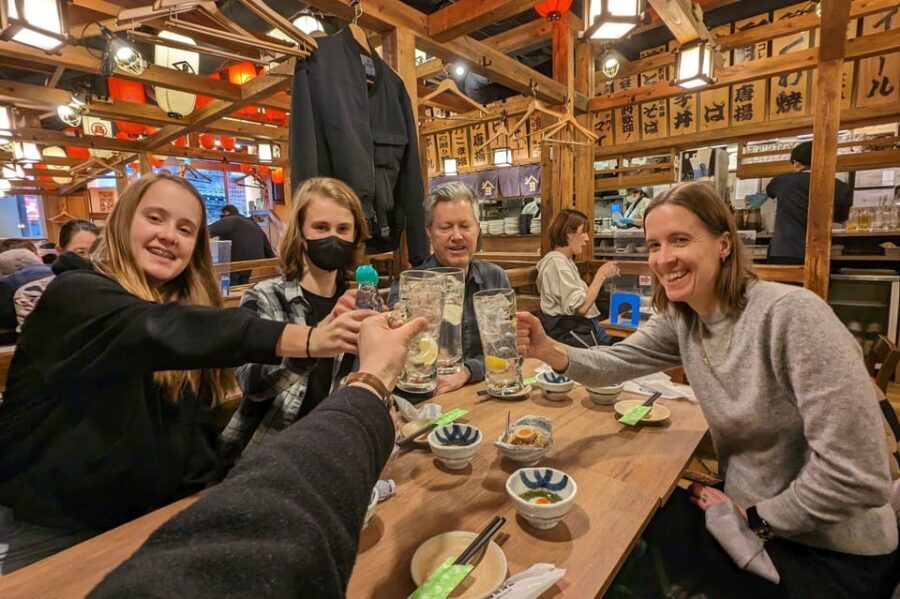
This is the stop that most clearly delivers the “eat like a local” promise, because you’re eating in the style of Japan’s office workers: quick, practical, and social. The tour positions it as the “present day” segment, and it shows up in familiar order patterns—beer with food, noodles as comfort, and easy-to-share plates.
You’ll have:
- An alcoholic drink included (a Sour)
- Curry udon, a noodle soup dish shaped by modern tastes
The overall vibe is workday Tokyo: izakayas and noodle stalls under the railway area. It’s the kind of setting where you can observe behavior, not just eat. You learn how people order, how portions work for sharing, and how “casual” food can still be high quality.
If you want a food tour that doesn’t just stay in “tourist mode,” this is the part to look forward to.
Akihabara: snack marketing meets future cravings
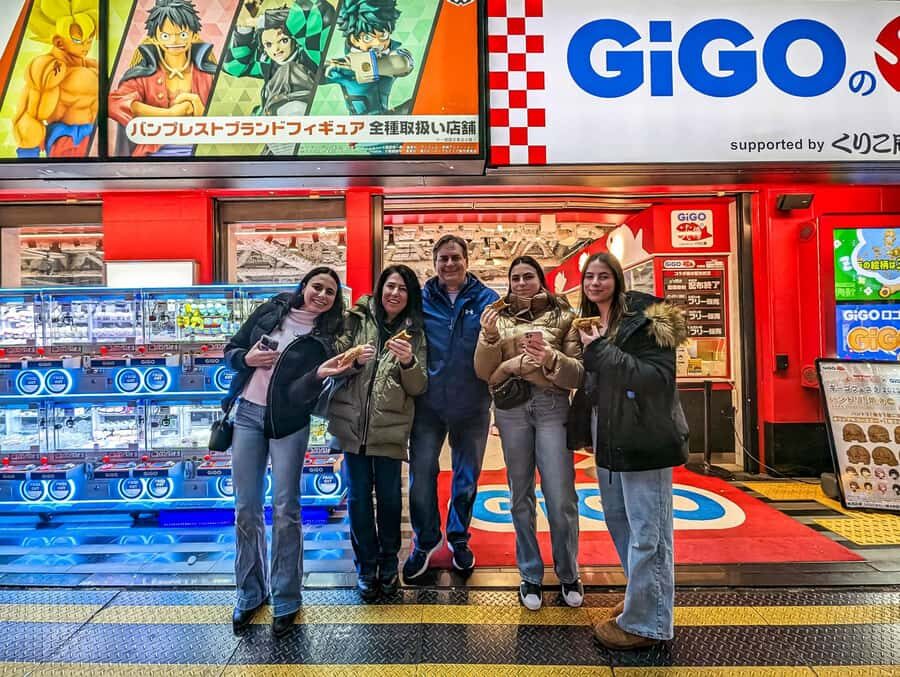
After traditional ingredients and everyday workday meals, Akihabara shifts your perspective. You go from heritage and routine into tech culture and youth-driven trends.
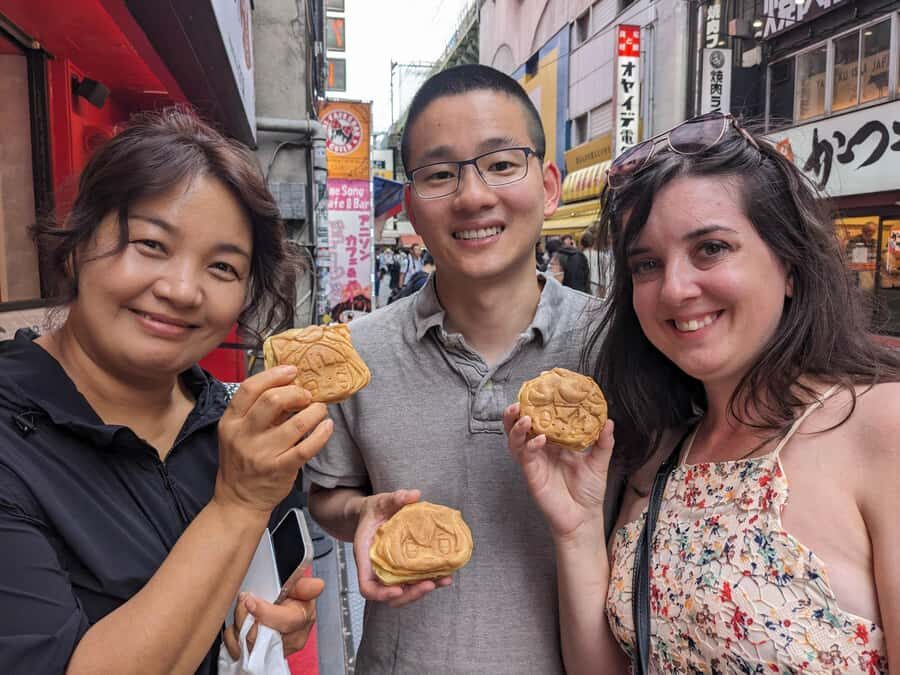
Akihabara is known for electronics and anime, and the tour uses that context to explain something real: marketing changes what people buy, and it often changes how traditional snacks are packaged and promoted. The tasting section here focuses on traditional snacks presented through modern strategies meant to catch younger attention.
Even if you’re not deep into anime or gadgets, this is still useful. It explains why certain snacks look like they belong in a store with neon lighting, not a corner shop. Tokyo is constantly rebranding old tastes for new audiences, and this stop helps you see that process in action.
The shrine visit: why it matters in a food tour
The highlights mention a cultural immersion component, including a shrine visit. I like this piece because it keeps the tour from turning into pure consumption. Food in Japan doesn’t float in a vacuum; it sits alongside seasonal customs, respectful behavior, and community spaces where people connect daily life with bigger ideas.
You don’t need to be a religion expert to enjoy it. The key value is perspective: you understand why people treat eating with care, timing, and symbolism rather than treating food as only fuel.
Timing, pacing, and what your body needs to do well
The tour runs about 5.5 to 6.5 hours. The exact starting time varies, so check availability for the day you want. Plan for a walking pace that’s “moderate,” not leisurely, and plan for stairs at subway stations. The tour notes that you should expect to walk about 6.5 km total.
Because it takes place rain or shine, pack for weather. The tour recommends:
- Comfortable shoes
- Towel
- Comfortable clothes
- A reusable water bottle
This is one of those tours where your comfort affects how much you enjoy the food. If your shoes aren’t solid, the itinerary becomes harder than it needs to be.
Getting around: two subway rides you pay for yourself
You’ll take two short subway rides during the tour, and you’ll need to purchase your own ticket(s). That’s not a deal-breaker, but it does change how you prepare.
My advice: don’t plan on “one easy pass” or assume the guide handles transit. Keep small cash and/or a transit card ready so you can move quickly between stops.
Also, the tour is structured so you walk between segments. If you’re hoping to avoid stairs and crowds, this one may feel demanding.
Group size and guides: small enough for questions
You can choose a private tour or join a small group (maximum 8 people). That small group size matters because it makes the pacing workable. It also gives you room to ask questions about what you’re eating and why it matters.
The tour runs English, Japanese, and Portuguese guides. From what I’ve seen reflected in the guide feedback, people appreciate guides who add cultural context alongside the food facts. Guides like Paiva and Miko are mentioned as particularly pleasant and knowledge-filled, which makes sense for a tour structured around history and modern change.
Who this tour is best for
This tour fits best if you:
- Want a structured food walk that tells a story, not just a snack sampler
- Like seeing Tokyo neighborhoods in a meaningful order (not random hopping)
- Enjoy noodle culture and workday eating energy around the Ginza/Yurakucho area
- Can handle about 6.5 km of walking and subway stairs
It’s a tough match if you:
- Use a wheelchair or have significant mobility limits (it’s not suitable for mobility impairments or wheelchair users)
- Are vegan or vegetarian (it’s not suitable for vegans or vegetarians)
Value check: does the price match what you get?
For $164, you’re getting 11+ food tastings, one alcoholic drink, and a guide who explains the connections between ingredients, neighborhoods, and food culture. In Tokyo, that can be good value—because buying 11+ items on your own plus paying for guidance and navigation would add up quickly.
The standout value is the format:
- You’re eating across multiple “food ecosystems” in one arc.
- You get both heritage foods (kelp, fermented sweetness, mochi) and modern comfort food (curry udon), plus station-gift culture and Akihabara snack marketing.
It’s not an all-day “sit and eat” plan. It’s an active tour where the price pays for time saved and context gained.
Should you book this Tokyo Food Tour?
Book it if you want Tokyo food with a timeline feel: past in Nihonbashi, present day around salaryman-style dining, gift culture at Tokyo Station, and the marketing future vibe in Akihabara. The 11+ tastings plus one drink, small group size, and shrine stop make it more rounded than many “just eat here” tours.
Skip it if you can’t handle stairs and steady walking, or if your diet is vegan/vegetarian. Also consider booking a private option if you need a more controlled pacing or start-from-your-hotel convenience.
If you’re ready for a food walk that teaches as it eats, this is an efficient way to understand how Tokyo tastes got to where they are now.
FAQ
How long is the Tokyo Food Tour: The Past, Present and Future 11+ Tastings?
The tour runs about 5.5 to 6.5 hours. Starting times vary by availability, so you’ll want to check the schedule for your preferred day.
Where do I meet the guide?
You meet at Nihonbashi Subway Station Exit B12. The meeting point is the bench on the right inside the shopping mall area at the basement level.
How many food tastings are included?
You get 11+ food tastings. One alcoholic drink is also included.
Is hotel pickup included?
Hotel pickup isn’t included by default. Pickup is optional if you book a private tour with hotel meet up, and otherwise you’ll travel to the start point using public transport.
Do I have to buy subway tickets?
Yes. The tour includes two short subway rides, and you’ll need to purchase your own subway tickets.
Is the tour suitable for vegans, vegetarians, or wheelchair users?
No. The tour is not suitable for vegans or vegetarians, and it’s also not suitable for wheelchair users or people with mobility impairments.