REVIEW · KYOTO
Kyoto Walking Tour Goshuin Collecting and Temples Discover
Book on Viator →Operated by 株式会社MyProGuide Japan · Bookable on Viator
Kyoto’s temples reward slow walking. This 3-hour private outing pairs Goshuin collecting with three serene stops: Tōfuku-ji, Shōrin-ji, and Shinzenkoji, with special attention to Hanachozu flower water basins and the gardens people come back for.
I especially like two things about this tour. First, the route is built around moments you can actually pause for, like the garden views at Tōfuku-ji and the distinctive Hanachozu design at Shōrin-ji. Second, having a professional guide makes Goshuin culture feel manageable, even when you do not speak Japanese.
The main drawback to plan for: this is real walking. You’ll want a moderate fitness level, plus water and rain gear, since the tour requires a significant amount of walking and good weather helps a lot.
In This Review
- Key Highlights You’ll Care About
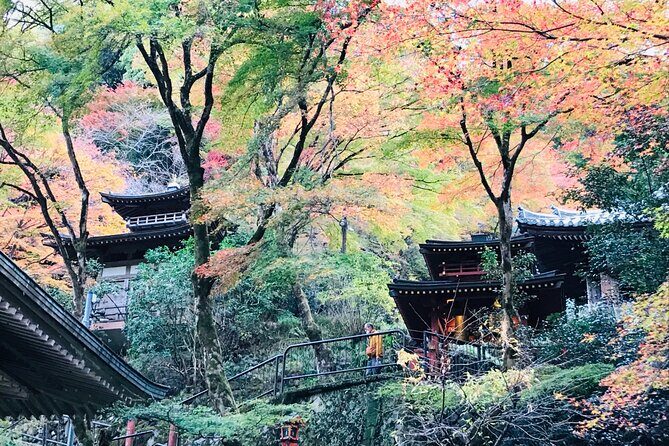
- Entering Tōfuku-ji: Tsutenkyo Bridge and Garden Time You’ll Remember
- Shōrin-ji and the Temple of Wisdom: Hanachozu Up Close
- Shinzenkoji’s Ancient Maples: Quiet Walking and Compassion
- Goshuin Collecting: Why the Guide Matters More Than You Think
- Value and Price: What $299 Gets You in Real Time
- Walking Pace and Comfort: The One Thing to Get Right
- Who Should Book This Kyoto Temple and Goshuin Walk
- Should You Book It?
- FAQ
- FAQ
- How long is the Kyoto Walking Tour Goshuin Collecting and Temples Discover?
- What does the tour price include?
- Are Goshuin stamps, stamp books, and omamori charms included?
- Which temples are visited during the tour?
- Is admission included for all stops?
- Where is the meeting point, and where does the tour end?
- Is the tour private, and is it suitable for people with moderate fitness?
Key Highlights You’ll Care About
- A tight 3-stop plan with Tōfuku-ji as the anchor, plus quick, meaningful visits to Shōrin-ji and Shinzenkoji
- Goshuin support with a guide so the process feels less confusing, especially if your Japanese is limited
- Hanachozu flower water basins at Shōrin-ji, a design detail that turns temple sightseeing into something hands-on
- Tofuku-ji garden storytelling that helps you notice what’s designed for your eye
- You choose what to buy: stamps, stamp books, and omamori are not included, so you stay in control
- Private pacing with only your group and a tour length of about 3 hours
Entering Tōfuku-ji: Tsutenkyo Bridge and Garden Time You’ll Remember
Start at Tōfuku-ji Station, then settle into one of Kyoto’s most visitor-friendly temple experiences because the whole place gives you a reason to slow down. Tōfuku-ji honors Shakyamuni Buddha, and it’s also known for the Tsutenkyo Bridge, a famous viewing point that tends to frame seasonal beauty in a way photos can’t fully explain.
You get about 1 hour 15 minutes at this stop, and that time matters. This isn’t a drive-by. You can look, walk, look again, and still have breathing room if you stop for Goshuin collection moments. The garden is designed by Mirei Shigemori, which gives the landscaping an intentional feel. Even if you are not an expert on Japanese garden design, you’ll likely notice how the space is shaped to guide your movement and attention.
Practical tip: at a big temple like this, your biggest enemy is rushing. The tour’s timing works better if you let the bridge and the garden act like your checkpoints instead of treating everything like one long checklist. Also, wear shoes that can handle uneven paths without drama.
You can also read our reviews of more walking tours in Kyoto



Shōrin-ji and the Temple of Wisdom: Hanachozu Up Close
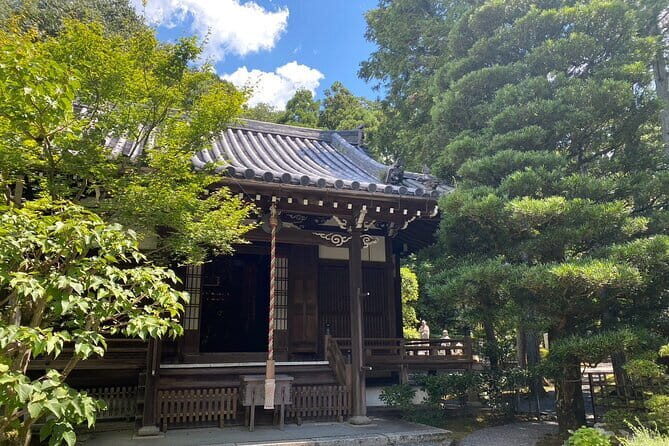
Next comes Shōrin-ji, built on a long timeline from the Heian period, and dedicated to Manjushri Bodhisattva. The tour calls it the Temple of Wisdom, and that theme shows up in how the visit is paced: you’re not pushed through. You’re given a short window—about 20 minutes—to land your attention on what makes Shōrin-ji distinct.
The headline detail is the Hanachozu design. These are flower water basins, and they’re one of those Kyoto temple features that feel quietly creative. Instead of generic architecture photos, Hanachozu gives you a visual that connects function and beauty at the same time. In practice, this is also a nice reset after Tōfuku-ji. If your feet are tired, Shōrin-ji is short enough that you can still feel fresh for the next stop.
Admission here is free, so this part of the walk offers strong value even if you are already thinking about what costs are covered. And because the time box is tight, your guide’s job becomes more important: helping you know what to look for without turning your visit into a stress march.
Shinzenkoji’s Ancient Maples: Quiet Walking and Compassion
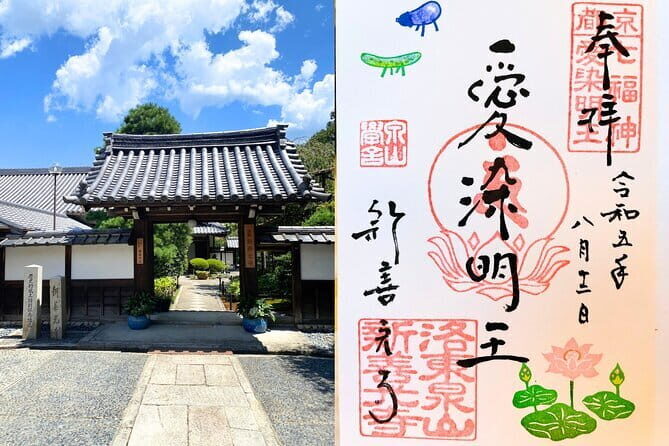
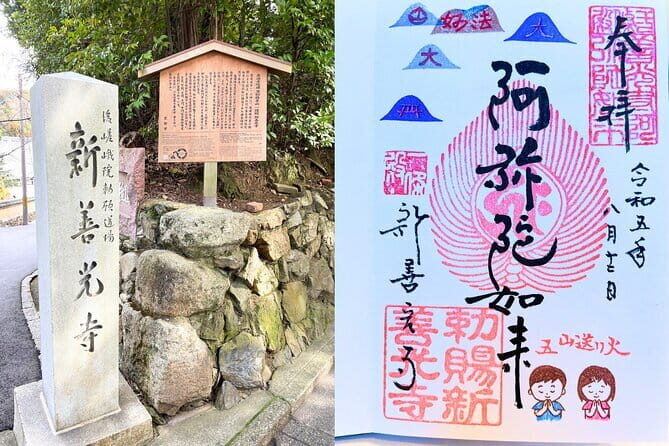
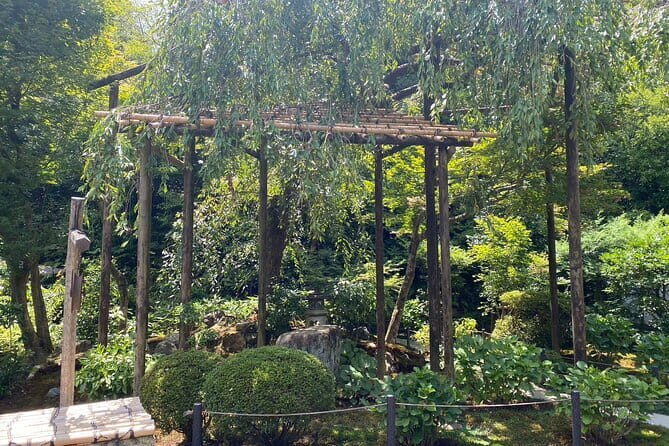
The final temple stop is Shinzenkoji, dedicated to Amida Buddha and associated with compassion. The garden at Shinzenkoji is known for ancient maple trees, and the idea is that the same trees shift the mood of the place through the seasons.
You’ll have about 20 minutes here, and that short duration is intentional. This stop is about landing in a calmer rhythm. It’s described as a peaceful garden retreat that can be ideal for meditation or quiet walks. Even if you don’t sit for meditation, you can still use the time the way the place suggests: slower steps, fewer photos, more noticing.
A useful consideration: ancient-mapen areas can be a little uneven and shaded, depending on the time of day. Go easy with footwear and keep an eye on where you’re stepping. If it’s raining, Shinzenkoji’s peaceful vibe might tempt you to linger, but you still want to respect your tour schedule so the full flow of the walk stays smooth.
Goshuin Collecting: Why the Guide Matters More Than You Think
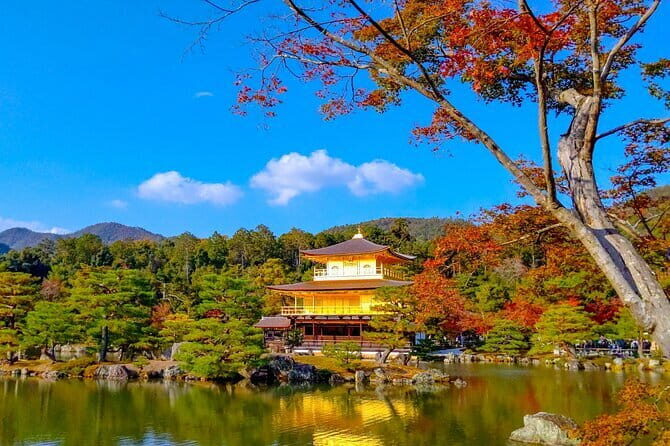
Goshuin collecting is the core idea of this experience, but here’s the practical truth: it’s not just about stamps. It’s about understanding the temple culture around them, and doing it without turning your visit into a guessing game.
What you’ll appreciate is that the tour is designed to help you navigate Goshuin culture even if your Japanese is limited. One of the best pieces of feedback about this tour is exactly that: the guide helped someone who didn’t speak Japanese figure out what to do and how to participate. That’s a big deal because Goshuin can otherwise feel like you’re missing half the meaning while you’re holding the stamp book.
Important detail for your budget and planning: goshuin, goshuin-cho (stamp books), and omamori are not included. That might sound like a negative, but it’s also a way to keep the experience flexible. You can choose to collect only what you truly want, and you’re not locked into a bundle of items you may not care about.
My advice: treat this part like a mini shopping mission with meaning. Before you go into your first temple, decide how many stamps you want to focus on and what level of collecting you’re comfortable with. The tour gives you the structure. You decide how far you go.
Also, because Goshuin collecting is tied to each temple stop, timing matters. If you rush Tōfuku-ji, you’ll feel it later. If you pace yourself there, Shōrin-ji and Shinzenkoji become the satisfying follow-through.
Value and Price: What $299 Gets You in Real Time
Let’s talk money without the hand-waving. At $299 for about 3 hours, this is not a budget walking tour. It’s a private, guided experience, and that changes the value equation.
Here’s what you are paying for, based on what’s actually included:
- Professional guide
- Tofukuji admission ticket
Everything else tied to collecting and personal spending is yours:
- Goshuin stamps and stamp books are not included
- Omamori charms are not included
- Meals are not included
So is it worth it? For the right person, yes. If you care about Goshuin collecting but don’t want to manage the logistics alone, the guide’s help is the difference between frustration and flow. If you already love Kyoto temples and you just want a thoughtful pace through three specific sites, the private format keeps your day from turning into random wandering.
If your main goal is just saving money and you’re comfortable figuring out stamps and temple basics on your own, you might question the price. In that case, you’d likely do fine on your own with public transit and time. But if you want the temples explained while also getting the collecting done with less friction, the cost starts to make sense.



Walking Pace and Comfort: The One Thing to Get Right
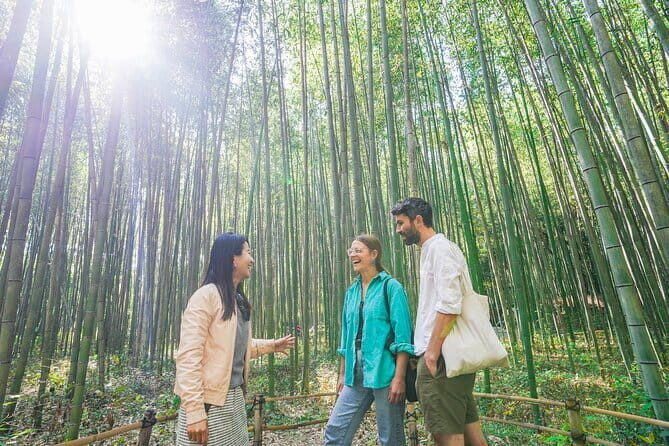
This tour comes with a clear warning: significant walking. It’s listed as suitable for moderate physical fitness, and you’ll want to treat it as an active cultural walk, not a sit-and-watch program.
Because you’ll be outside and moving, pack smart:
- Water
- Rain gear (Kyoto weather can flip quickly)
- Comfortable shoes
One small scheduling thought: since the tour ends back at the meeting point, you’re not dealing with extra transfers after you’re tired. That’s a plus for keeping the day feeling simple.
Also, it’s a private tour, so your group is the only group in the experience. That reduces the awkwardness of trying to keep up with strangers while you’re focused on details like Hanachozu or Goshuin steps.
Who Should Book This Kyoto Temple and Goshuin Walk

This tour fits best if you:
- Want to collect Goshuin with guidance instead of figuring it out solo
- Care about Kyoto temples beyond the biggest photo spots
- Prefer a short, structured route rather than a full-day temple marathon
- Like garden time, especially with seasonal color focus around maples
It’s also a strong pick if you’re traveling with a smaller group and you want flexibility within a fixed set of stops. Since it’s private, the guide can keep your pace aligned with your group’s needs, rather than forcing everyone into one rigid tempo.
If you want a lot of free time to wander on your own at each stop, note that the visit windows are built-in: about 1 hour 15 minutes at Tōfuku-ji and about 20 minutes at each of the other two temples.
Should You Book It?
If you care about doing Goshuin collecting in a way that feels understandable and respectful, I think this tour is a good move. The best reason to book is practical: the guide can help you connect to Goshuin culture even when your Japanese is limited, and the route is paced so you don’t feel rushed through the key sights.
I’d skip it if your top priority is saving money above all else or if you already feel confident handling temple stamp collecting without help. But for someone who wants a guided, private Kyoto temple walk with a clear collecting focus, this is the kind of tour that turns Kyoto sightseeing into something more personal.
FAQ
FAQ
How long is the Kyoto Walking Tour Goshuin Collecting and Temples Discover?
It’s about 3 hours.
What does the tour price include?
The price includes a professional guide and the Tofukuji ticket.
Are Goshuin stamps, stamp books, and omamori charms included?
No. Goshuin, goshuin-cho (stamp books), and omamori are not included.
Which temples are visited during the tour?
You visit Tōfuku-ji, Shōrin-ji, and Shinzenkoji.
Is admission included for all stops?
Only Tōfuku-ji admission is included. Shōrin-ji and Shinzenkoji have free admission.
Where is the meeting point, and where does the tour end?
The meeting point is Tofukuji Station, 12 Chome Honmachi, Higashiyama Ward, Kyoto, 605-0981, Japan. The tour ends back at the meeting point.
Is the tour private, and is it suitable for people with moderate fitness?
Yes, it’s a private tour with only your group. It’s recommended for people with moderate physical fitness, and it involves a significant amount of walking. Service animals are allowed.