REVIEW · NAGOYA
Grandma’s Traditional Japanese Cooking Class in Nagoya
Book on Viator →Operated by おばあちゃんの名古屋めし · Bookable on Viator
One kitchen lesson can change how you cook at home.
In Nagoya, this Grandma-led cooking class focuses on traditional home meals called ichiju-sansai, where fermentation flavors from miso, malt, and soy sauce shape everything. You’ll learn to build Japanese soup stock with kelp and bonito flakes, cook from beloved family menus, then finish with a calm matcha ceremony and seasonal sweets.
What I like most is the hands-on structure and the care in the teaching. I really value making your own soup stock instead of just tasting it, and I also like the small size—limited to four people—because it feels personal with the grandmas, including Grandma Junko and Chikako, guiding you step by step.
One consideration: you need to choose between Menu 1 (Chicken) and Menu 2 (Salmon) when you reserve, and if you don’t specify, the class defaults to Menu 1. Also, there’s no private transportation, so plan on getting yourself to Sakurayama Station by 10:30 a.m.
In This Review
- Key Things I’d Mark on Your Nagoya Map
- Ichiju-sansai in Nagoya: the home-meal concept you’ll master
- How the two menus work (Chicken or Salmon) and what’s included
- Menu 1: Chicken-style Nagoya home cooking
- Menu 2: Salmon with malt and tofu-based sides
- The soup stock lesson: kelp and bonito with real technique
- Cooking with Grandma Junko and Chikako: small-group attention that feels like family
- What the meal time feels like: welcome tea, tasting, then matcha
- Matcha ceremony and seasonal sweets: why it’s a smart finish
- Price and value in Nagoya: what you’re really paying for
- Location and timing: how to fit it into your day
- Who should book this cooking class (and who might want a different option)
- Should you book Grandma’s Traditional Japanese Cooking Class in Nagoya?
- FAQ
- What time does the class start in Nagoya?
- How long is the Grandma’s traditional Japanese cooking class?
- Is there more than one menu option?
- What is included in the price?
- What happens after you cook and taste the dishes?
- Is private transportation provided?
- Can I request changes if I have allergies or ingredients to avoid?
Key Things I’d Mark on Your Nagoya Map
- Ichiju-sansai meal format: rice + soup + three dishes, explained clearly.
- Kelp-and-bonito soup stock practice: real technique, not just theory.
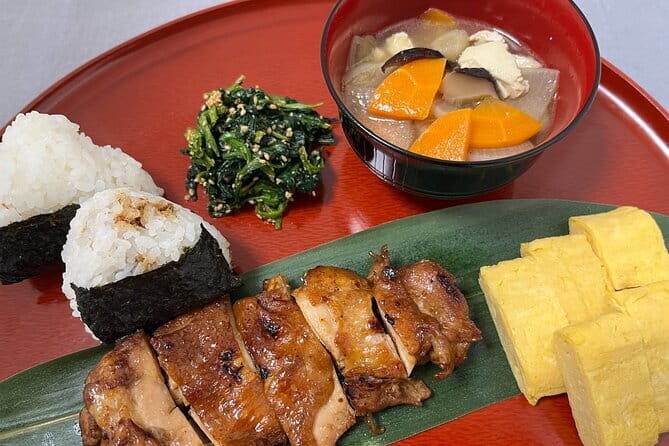
- Two family menus: Chicken with red miso and tofu-veggie soup, or Salmon with grilled salted rice malt.
- Very small group: limited to four people, with personal attention.
- Matcha ceremony plus seasonal sweets: you make matcha and taste it the Japanese way.
- Recipes included: you leave with notes you can actually cook from later.
Ichiju-sansai in Nagoya: the home-meal concept you’ll master
Nagoya is famous for more than one kind of comfort food, but this class zooms in on a Japanese daily-meal pattern you’ll see at home: ichiju-sansai. The basic idea is simple: you get a bowl of rice, a soup, and three dishes total. The three-dish part usually breaks down into one main dish plus two side dishes.
What makes this format useful is that it trains your cooking rhythm. Instead of one big entrée, you learn how Japanese home cooking balances flavor, texture, and timing across a whole meal. You also get context for why fermentation ingredients matter so much—this is where miso, malt, and soy sauce show up as everyday flavor engines, not fancy extras.
The meal you’ll make is tied to family recipes passed down through generations. Even if you’re an experienced cook, there’s something grounding about learning how people cook in their own homes every day—meals that don’t depend on a restaurant trick or a chef’s flourish.
You can also read our reviews of more tours and experiences in Nagoya.


How the two menus work (Chicken or Salmon) and what’s included
You’ll choose one menu when you book. If you don’t choose, you’ll make Menu 1. One group can only pick one of the three dishes sets, so it’s best to align in advance—especially if you’re traveling with someone who wants the other option.
Menu 1: Chicken-style Nagoya home cooking
Menu 1 centers on red miso flavored chicken, paired with a tofu and vegetable soup with soy sauce. You’ll also make a Japanese omelet, a spinach salad, and rice balls. It’s a satisfying mix of savory, soft, and fresh elements, with red miso providing that deep umami backbone.
Menu 2: Salmon with malt and tofu-based sides
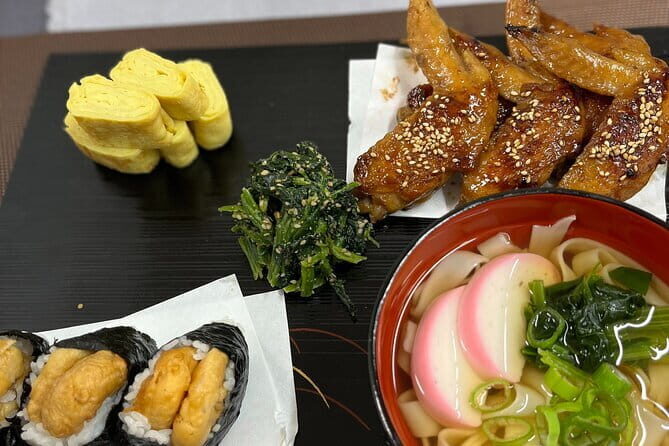
Menu 2 is built around grilled salmon seasoned with salted rice malt. You’ll also make a mashed tofu salad, a Japanese omelet, plus tofu and vegetable miso soup, and rice balls again. If you like fish-forward meals or want to learn how malt flavor shows up in Japanese home cooking, this menu gives you a clear path.
Both menus include the “meal structure” basics: soup, rice balls, omelet, and that mix of main + supporting dishes. The repetition of items like rice balls and omelet also helps you remember technique—so even if one menu is different, your skills transfer.
The soup stock lesson: kelp and bonito with real technique
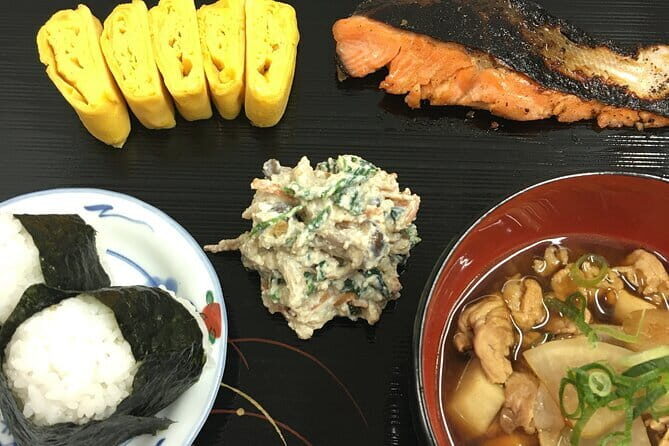
One highlight is that the class teaches you how to craft Japanese soup stock using kelp and bonito flakes. This isn’t just a tasting moment. You learn the approach that home cooks rely on to build flavor into both the soup and the overall meal.
Why this matters: if you can make good soup stock, you can improve more than one dish. You’ll start thinking in terms of base flavor—how umami forms, how the stock tastes at different stages, and how it supports miso and soy sauce rather than fighting them.
You’ll also understand what you’re tasting. When the class explains the role of fermentation ingredients like miso and soy sauce, the soup stock becomes the bridge ingredient that makes everything taste like one cohesive meal instead of separate parts.
This is also where the class format feels “organized” in a good way. You’re not guessing. You’re cooking alongside the grandmas, and you’re getting explanations as you go—so you can adjust without panic.
A few more Nagoya tours and experiences worth a look
Cooking with Grandma Junko and Chikako: small-group attention that feels like family
This is a private experience for just your group, and it’s limited to four people. That small number changes everything. You get more time to ask questions, and the instruction stays focused on your decisions—like how you handle timing, seasoning, or doneness.
From the way Grandma Junko and Chikako teach, you can tell they’re used to passing on technique, not just performing steps. In the classroom vibe, there’s a lot of friendly conversation while you cook. You can ask practical questions, and the answers stay grounded in the cooking process, not in vague culinary philosophy.
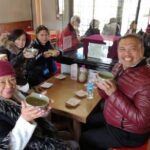
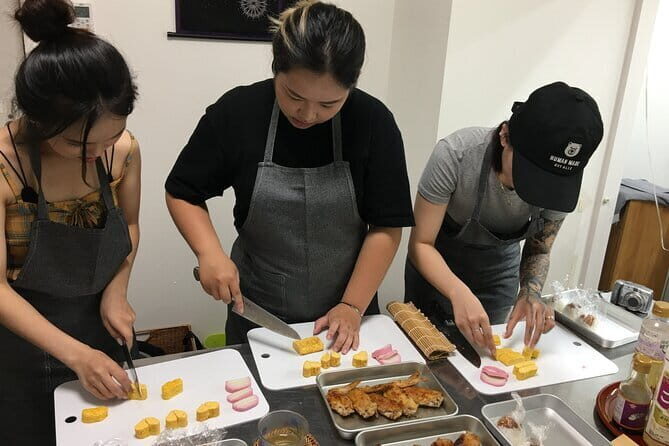
The class also emphasizes being hands-on. You don’t just stand back and watch. You cook the dishes, and you taste what you made as a group meal afterward. That’s a big deal, because tasting right away is how you learn what needs adjustment next time.
If you enjoy learning through talk—food stories, cooking habits, and comparing how flavors work in different kitchens—this setup works well. I like that the lesson has warmth without turning into a lecture. It feels more like a careful workshop in a home kitchen.
What the meal time feels like: welcome tea, tasting, then matcha
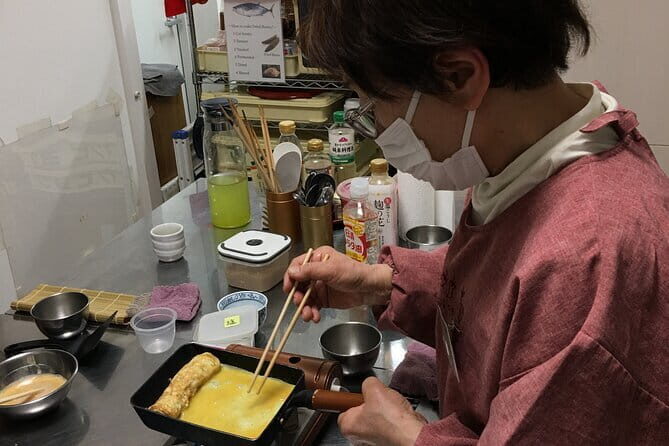
The experience includes a lunch welcome tea and then tea during the meal. That might sound small, but it matters because it sets the tone. You’re not rushing from one step to the next. You pause, drink tea, and settle into the rhythm of a home-style meal.
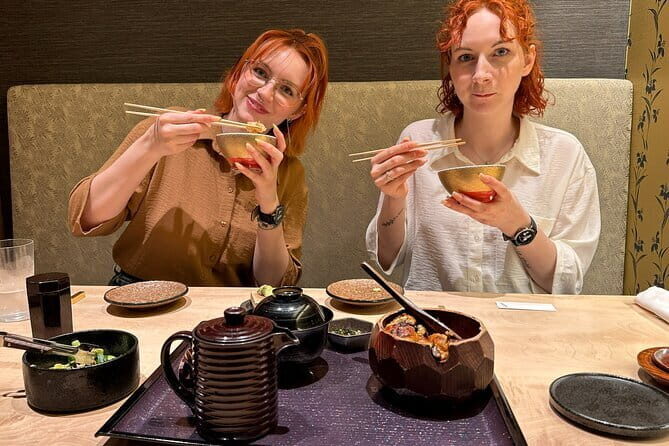
After you prepare the dishes, you’ll taste them together. This is where you understand the point of ichiju-sansai. The soup supports the rice, the main dish has a clear center, and the side dishes keep the plate from tasting flat.
The class also builds in the learning logic: you’re learning a cooking base (soup stock), then applying it across the meal. When the final flavors land, they feel connected, not random.
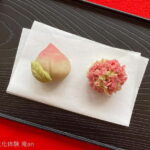
Then you shift into something calmer: the matcha ceremony. You’ll make your own matcha and enjoy it with seasonal Japanese sweets. This part isn’t about being fancy. It’s about slowing down and paying attention to how matcha is prepared and served—so the cooking lesson ends with a satisfying, peaceful finish.
Matcha ceremony and seasonal sweets: why it’s a smart finish
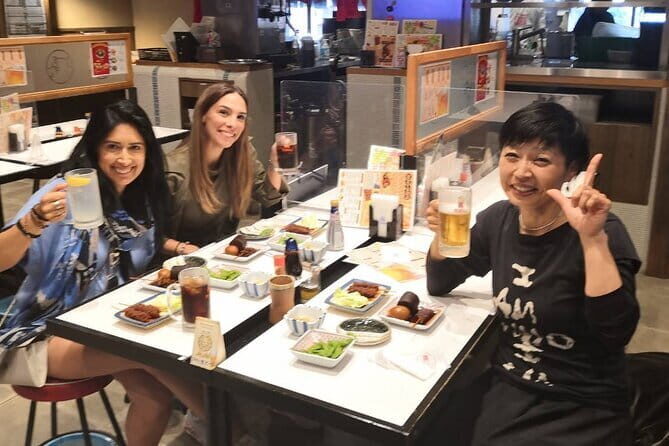
Matcha can be a blur if you only ever drink it in cafés. Here, you get the experience from the practical side: you make it, you prepare it, and you taste it with seasonal Japanese sweets.
Why I think this is a strong pairing with the cooking class: the same ingredients you learned about—soy, miso, fermentation flavors—teach you how Japanese meals build layers of taste. Matcha adds a different layer: bitterness, green grass aroma, and that earthy depth that works well with sweet notes.
Also, the ceremony acts like a palate reset. Once you’ve cooked and tasted your meal, matcha and sweets give you a clean, structured ending. It makes the whole experience feel complete, not like you rushed through a meal then left.
If you’re the type who likes souvenirs but prefers skills, this “make it yourself” finish is a keeper. You’re leaving with two takeaways: how to cook the meal and how to prepare matcha the way the grandmas want you to.
Price and value in Nagoya: what you’re really paying for
The price is $84.70 per person, and it’s commonly booked about 36 days in advance. At this cost, you’re not just paying for food. You’re paying for three things that are harder to find together:
First, you’re getting a small, personal class limited to four people. Second, you’re learning core technique—especially the kelp-and-bonito soup stock and the full ichiju-sansai meal format. Third, recipes are included, so you can reproduce what you learned instead of only remembering it later as a nice day out.
The experience lasts about 2 hours 30 minutes, starts at 10:30 a.m., and ends back at the meeting point. That timing is friendly for a Nagoya day, especially if you’re pairing it with other sights or shopping nearby.
Big note on logistics: private transportation isn’t included. So treat it like any morning appointment—you’ll want to reach the meeting point efficiently. The good news is it’s near public transportation, and the activity starts at Sakurayama Station in Nagoya.
Location and timing: how to fit it into your day

You meet at Sakurayama Station (Sakuramichō, Mizuho Ward, Nagoya). Start time is 10:30 a.m., and the activity ends back at the meeting point.
Because the schedule is fixed, you’ll want to arrive a bit early. The class starts with welcome tea, so you don’t want to be late and scramble. If your plans include other neighborhoods that require transfers, give yourself buffer time.
Also, since this is a private group experience, you’ll be waiting less and getting individualized attention more. That kind of pacing is what makes the two and a half hours feel worthwhile, not rushed.
One more practical detail: it uses a mobile ticket, and confirmation is received at booking. You’ll want to have your phone ready on arrival.
Who should book this cooking class (and who might want a different option)
This is ideal if you want an authentic Japanese home-cooking experience rather than a generic demonstration. If you like learning technique you can repeat—especially soup stock and meal-planning logic—this class fits your style.
It’s also a great choice if you want a smaller, friendlier setting. The grandmas teach in a way that invites questions, and the group stays compact enough that you’re not lost in a crowd.
If you’re traveling solo, the private format still feels meaningful because you’ll have direct interaction with your instructors. If you’re a couple or small group, the menu choice matters—decide in advance whether you want Chicken (Menu 1) or Salmon (Menu 2) so you don’t end up with mismatched expectations.
If you hate planning around food preferences, the menu selection requirement could be annoying. The class defaults to Menu 1 if you don’t specify, so be deliberate when you book.
Should you book Grandma’s Traditional Japanese Cooking Class in Nagoya?
I think you should book this if you want hands-on cooking, a clear “learn the why” meal structure, and a calm finish with matcha. The small-group size, the soup stock technique with kelp and bonito, and the fact that recipes are included make it feel like value instead of just a paid meal.
You’ll feel the most satisfied if you show up curious and ready to cook, not just to watch. Bring your questions about miso, soy sauce, soup bases, and meal balancing. If you have allergies or ingredients you want to avoid, you can let the organizers know in advance, since the class asks about that.
Skip it only if you truly want a longer sightseeing day or you don’t want to spend half your morning cooking. This is a cooking-focused experience, not a culture lecture with light food sampling.
FAQ
What time does the class start in Nagoya?
The experience starts at 10:30 a.m. at Sakurayama Station.
How long is the Grandma’s traditional Japanese cooking class?
It lasts about 2 hours 30 minutes.
Is there more than one menu option?
Yes. You can choose Menu 1 (Chicken) or Menu 2 (Salmon). If you do not request a menu, Menu 1 is used.
What is included in the price?
The class includes welcome tea, tea during lunch, recipes, and a guide (English and Japanese are offered).
What happens after you cook and taste the dishes?
After tasting, you’ll make your own matcha and enjoy it with seasonal Japanese sweets.
Is private transportation provided?
No. Private transportation is not included, so you’ll need to get to the meeting point by public transit.
Can I request changes if I have allergies or ingredients to avoid?
Yes. You should let them know in advance about any allergies or ingredients you wish to avoid.