REVIEW · NAGOYA
Tour of antique shops, cultural stores known only to the locals
Book on Viator →Operated by Fascinating Tour of Antique Shops · Bookable on Viator
Nagoya has a way of surprising you. This private 3 to 4 hour tour mixes antique-shop treasure hunts with local shopping stops, plus a visit to Nittai-ji Temple, where you can slow down and see Japan beyond the usual sights.
What I really like is the chance to rummage through everyday “local-life” shops—think Noh masks and tea ceremony utensils alongside ceramics and prints—then follow your guide’s lead toward good buys. I also like that the day stays flexible around what you feel like doing, including the food stop where you can choose based on your mood.
One thing to consider: if you’re the type who hates shopping or expects fixed museum-style viewing, you might find this more “browse and buy” than “checklist and photos.”
In This Review
- What you’ll notice fast
- Key highlights to plan around
- Why Nagoya’s antique circuit feels like local life
- Price and logistics: what you’re really paying for
- Stop 1: 西友 高針店 (Seiyu Takahari) and its treasure-browsing magic
- What to hunt for (and what to skip) in this shop
- How the guide helps without bulldozing your choices
- Stop 2: Sagami (udon/noodle) at Issha Shop and staying flexible
- Choosing food when the day is half browsing
- Stop 3: Nittai-ji Temple, the all-sects twist, and an easy exit option
- Value checklist: why this tour can beat a bigger attraction day
- Who should book (and who should think twice)
- Practical tips to get better results on your day
- Should you book this Nagoya antique shops tour?
- FAQ
- How long is the Nagoya antique shop tour?
- How much does the tour cost per person?
- Is the tour private or shared?
- Where does the tour start?
- Is pickup included?
- Is lunch included?
- Are there entrance fees?
- Does the tour use a mobile ticket?
- Can I cancel for a full refund?
- Is the tour accessible for people using public transportation?
What you’ll notice fast
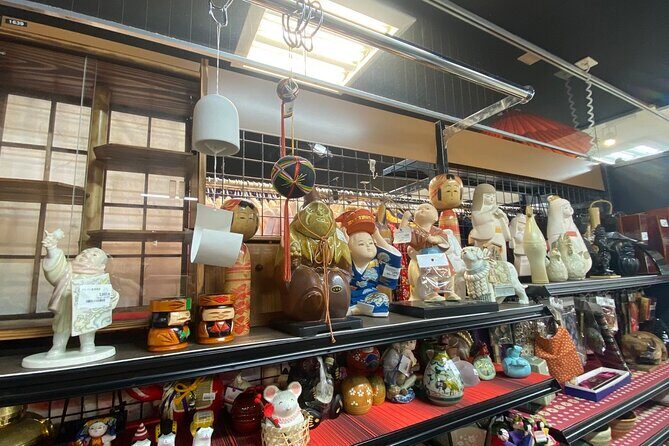
This is the kind of tour where the value comes less from big ticket attractions and more from access—access to places locals actually use, and a guide who knows where the good pricing tends to show up. The tone is friendly, and the shopping rhythm matters here: take your time, compare items, and don’t feel pressured to decide instantly.
Key highlights to plan around

- 西友 高針店 (Seiyu Takahari) feels like a Pandora’s box of antiques, tea tools, ceramics, and Japanese art
- Takako’s deal-finding approach turns browsing into real savings—people leave with smart purchases
- Nittai-ji Temple is unique in Japan for not belonging to a single sect, which gives the visit a different feel
- Food stop flexibility around Sagami/Issha means you can match the meal to your energy level
- Private tour flow keeps you moving at a comfortable pace, and the route ends where you start
You can also read our reviews of more shopping tours in Nagoya
Why Nagoya’s antique circuit feels like local life
Nagoya isn’t trying to be Kyoto. It’s more practical, more shop-focused, and—when you know where to look—way more fun for people who like objects with stories. This tour leans hard into that.
You’ll spend most of your time doing the thing locals do: walking into shops, scanning shelves, asking questions, and treating browsing like an experience, not a chore. It helps that the itinerary is built around places that don’t feel staged for tourists. Even when you’re just looking, the atmosphere is very Japan, very day-to-day.
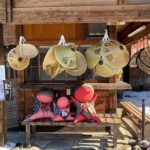
The big win for me is how the shopping themes connect. One shop can include traditional Noh characters like Tengu and Hannya, then shift to tea ceremony utensils, then to ceramics like Mino stone ware and printed art such as ukiyo-e. You start seeing how culture shows up in ordinary retail—then you realize you’re not just collecting objects. You’re collecting textures, materials, and eras.
Price and logistics: what you’re really paying for
The price is $100.80 per person, for a private tour lasting about 3 to 4 hours. The “private” part matters because it changes what you can do in a shopping-heavy day. You’re not competing with a crowd, and your guide can react to your pace—pause longer in one shop, skip something if you’re tired, and keep your focus where you actually want it.
Inclusions: parking fees and private transportation. That’s useful in Nagoya, where you’ll likely want a simple way to move between stops without managing trains and transfers with bags.
Not included: lunch, accommodation pickup/drop-off (listed as $33.16 if you want it), and entrance fees for each facility. Based on the stop details provided, the planned stops show free admission where it’s noted, but the experience still states entrance fees aren’t included. I’d treat that as a “check ahead” item—ask your provider if anything could cost extra during your specific route.
Pickup and ticketing are also handled smoothly: pickup is offered, and you’ll use a mobile ticket. The tour starts at Mos Burger Issha Ekimae (Meito Ward) and ends back at the meeting point, so there’s no need to figure out a final destination.
Stop 1: 西友 高針店 (Seiyu Takahari) and its treasure-browsing magic
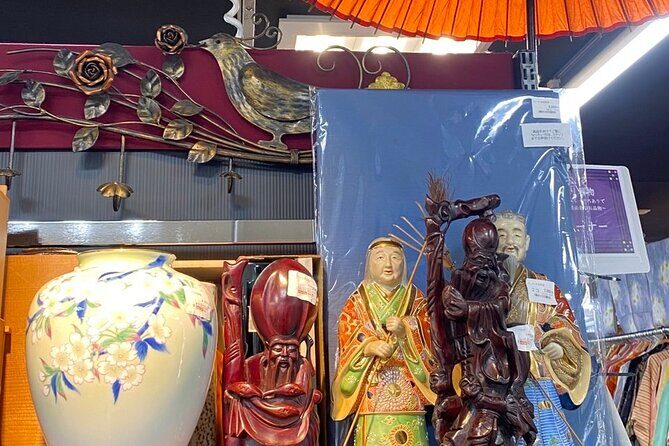
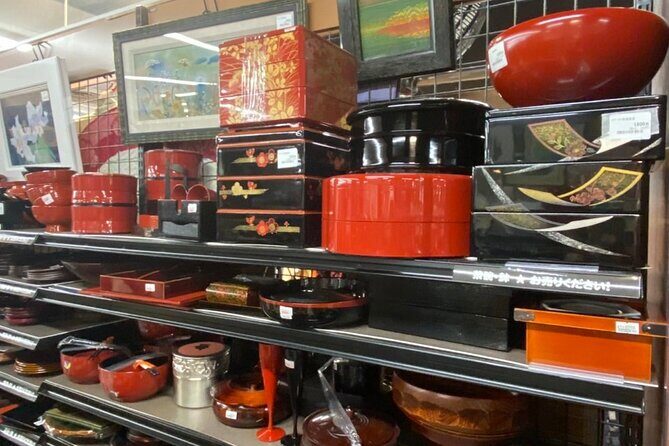
This is the heart of the tour. 西友 高針店 is described like a Pandora’s box, and that’s exactly the vibe—packed with items that range from ceremonial to decorative to practical. Expect a shop where it’s easy to lose track of time because every shelf feels like a new lead.
You can walk in thinking you’ll just look around. You’ll probably end up doing the real activity: rummaging, comparing, and hunting for the kind of pieces you’d never find by accident.
Here’s what stands out in what’s listed for this shop:
- Noh mask themed items, including Tengu and Hannya motifs
- Tea ceremony utensils and related tools (the kind that make tea feel like a ritual, not just a drink)
- Mino stone ware, a classic ceramic style
- Ukiyo-e, traditional woodblock prints
What to hunt for (and what to skip) in this shop
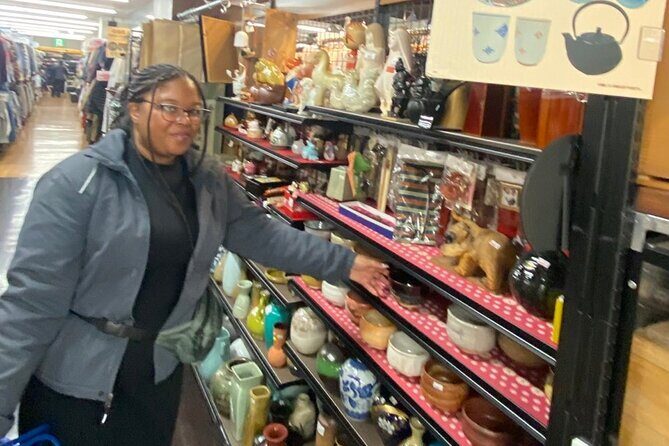
I love that this shop isn’t only “antique objects.” It includes things you can actually use or gift—across different interests, not just collectors. One of the review takeaways is how people find bargains that feel practical: for example, items tied to everyday life rather than only display pieces.
The overview also hints at very specific purchase categories people ask for, and those clues are helpful for you when you’re planning what to bring home:
- Acupuncture tools marketed for relieving travel fatigue
- Barbering items like getting a haircut-related purchase or grooming product (the point is that “personal care” items show up here)
- A request for modern farmhouse-style monpe
- Interest in rare imported items from an old DC brand
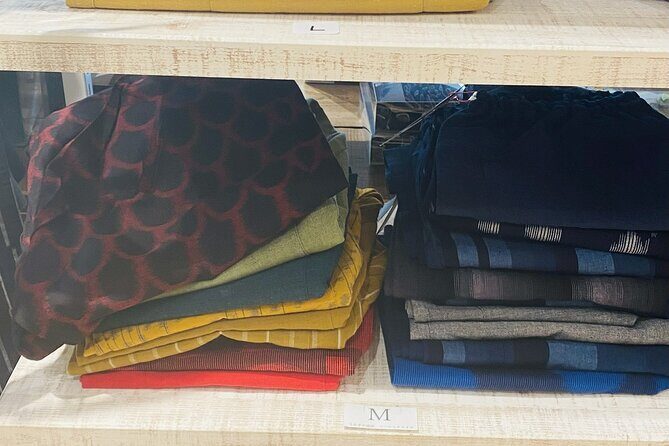
- A notable mention in reviews about expensive kimonos at discount prices
If you’re shopping smart, use a two-pass method:
1) First pass: walk slowly and mark what grabs you. Don’t commit yet.
2) Second pass: return to the items you still want after you’ve seen the full layout.
This avoids the classic souvenir mistake—buying the first interesting thing because you feel momentum.

How the guide helps without bulldozing your choices
The best part of this tour is not just the shop variety; it’s the way the experience is guided. Reviews specifically mention Takako, and the praise is consistent: she knows where the best spots are for good deals and she’s good at matching the day to the shopper you are.
That means you’re less likely to waste time comparing random inventory. Instead, you get pointed toward the items that fit what you actually care about—ceramics if you’re drawn to materials, prints if you love art history, or clothing and accessories if that’s your souvenir style.
One more thing: this kind of shop tour rewards calm. The people who walk out happiest tend to give themselves time to look. If you only have a short patience window, you’ll still be able to enjoy it, but you may want to set expectations that you’ll be browsing most of the time.
Stop 2: Sagami (udon/noodle) at Issha Shop and staying flexible

The second stop is tied to Sagami (udon/noodle restaurant) Issha Shop, with a big emphasis on choice. The phrasing given is basically: request according to your mood. In practical terms, it means this isn’t a “fixed set meal everyone gets.” You can adapt.
Time is about 1 hour for this stop. The itinerary also notes that many restaurants are nearby, so even if you’re not feeling the first option immediately, you’re not trapped.
If you’re trying to make this day work without feeling rushed, treat the food stop as your energy reset. Shop days can run long, so this is where you can catch your breath and decide what you want to do with the rest of the time: keep shopping, or shift to the temple visit at a slower pace.
Choosing food when the day is half browsing
Because lunch isn’t included, you’re making a normal travel decision: how much you want to spend and what you feel like eating. The benefit of this setup is you can follow your appetite rather than a schedule.
My practical advice: if you plan to buy heavier souvenirs later, don’t overdo portions here. Udon is filling, and if you’re carrying shopping bags, you’ll feel it.
Stop 3: Nittai-ji Temple, the all-sects twist, and an easy exit option
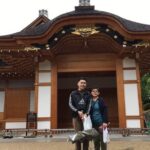
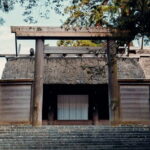
The final stop is Nittai-ji Temple, and it comes with one standout identity: it’s described as the only temple in Japan that does not belong to any specific sect but represents all the sects.
That matters because it changes the feeling of the visit. Instead of treating the temple as a single-school monument, you can experience it as a place that gathers broader tradition. It’s also a good counterbalance to the shopping intensity.
Time allotted here is 30 minutes, and the tour notes a very practical option: if shopping timing has tired you out, you can skip it or visit a nearby shrine. That’s the kind of flexibility that keeps the day enjoyable instead of exhausting.
If you like cultural stops that don’t demand a long attention span, this is a strong fit. You get a meaningful pause without forcing the day into a full sightseeing block.
Value checklist: why this tour can beat a bigger attraction day
For many travelers, the temptation in Japan is to fill every hour with “famous.” This tour goes the other direction. The value comes from three things:
1) Bargain potential tied to local pricing
Reviews call the antique shop pricing unbelievable, and people describe it as a hidden gold mine of deals. That doesn’t mean every item is cheap, but it means the opportunity is real, especially when a guide like Takako points you toward the good inventory.
2) Cultural objects with everyday context
Noh-themed items, tea tools, ceramics like Mino ware, and ukiyo-e prints aren’t just collectibles. They connect to Japanese crafts you can recognize even if you don’t know the technical details. When culture shows up in retail like this, it feels less like a lecture and more like discovery.
3) A pace that fits a shopping day
This isn’t a sprint. You get a private flow, and the temple visit is short enough to stay optional if you’re worn out.
Who should book (and who should think twice)
This tour is ideal if you:
- Like antique browsing where you might buy something, not just take photos
- Want local-feeling shopping in Nagoya rather than only landmark stops
- Enjoy traditional objects like ukiyo-e, tea items, ceramics, or Noh-inspired designs
- Appreciate a guide who can steer you toward deals (Takako is specifically praised for this)
You might think twice if you:
- Prefer structured museum touring over stores and browsing
- Want an included full lunch and a guaranteed set menu
- Are traveling with limited weight allowance and don’t plan to buy anything (you can still enjoy browsing, but the shopping-heavy format is the point)
Practical tips to get better results on your day
A few things make a difference on a tour like this:
- Bring a short list of what you want most (tea tools, prints, ceramics, clothing like monpe, etc.). It speeds up decisions when the shop feels endless.
- Leave a little time and patience for comparison. Bargains are often about noticing the difference.
- If you’re hoping for certain styles (like modern farmhouse monpe), say it early to your guide so she can aim your route.
- Plan mentally for buying. Even if you don’t expect to spend much, these shops tend to surprise you with options—especially on items mentioned in the reviews like kimonos at discount pricing.
Should you book this Nagoya antique shops tour?
If your idea of a great trip includes browsing for hours, finding real deals, and seeing Japan in regular local places, I’d book it. The combination of a strong centerpiece shop (西友 高針店) plus a meaningful cultural stop (Nittai-ji Temple) makes the time feel balanced, not one-note.
If you’re only interested in big sights, you may find the day too shop-focused. But if you want Japan you can touch—objects, craft categories, and the everyday retail culture—this tour offers exactly that, with a guide (Takako) who people clearly trust for bargains and good choices.
FAQ
How long is the Nagoya antique shop tour?
It runs about 3 to 4 hours.
How much does the tour cost per person?
The price is $100.80 per person.
Is the tour private or shared?
This is a private tour/activity. Only your group participates.
Where does the tour start?
It starts at Mos Burger Issha Ekimae (Meito Ward, Nagoya).
Is pickup included?
Pickup is offered, but accommodation pickup and drop-off transportation is listed as $33.16 and is not included.
Is lunch included?
No, lunch is not included.
Are there entrance fees?
Entrance fees for each facility are not included. The stop details shown list free admission for the temple and the first stop, but you should confirm if anything else has a charge during your visit.
Does the tour use a mobile ticket?
Yes, it includes a mobile ticket.
Can I cancel for a full refund?
Yes. Free cancellation is available up to 24 hours before the experience’s start time.
Is the tour accessible for people using public transportation?
Yes, it is near public transportation.