REVIEW · NARA
Nara: City Highlights Shared Group or Private Bike Tour
Book on GetYourGuide →Operated by Japan Tour Adventure · Bookable on GetYourGuide
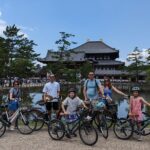
Nara looks better from the saddle. This 3-hour guided Nara bike tour strings together the big sights—Nara Park, Tōdai-ji, and Kasuga Taisha—without making you spend the whole day hopping between stops. I especially like the Nara Park ride (easygoing pace, deer everywhere) and the guide storytelling that ties Buddhism and Shinto to what you’re seeing. The one drawback to think about is the meeting point: it’s not right in the most tourist-convenient area, so plan on extra time to get there.
You’re set up fast: helmet and bike are handled, entrance fees are covered, and you get a bottle of water. The tour runs in English, French, or Japanese, and it’s designed for people who are comfortable cycling for a few hours with a few photo-and-walk moments. Before you book, check the day’s weather—if rain odds are high, the tour may be canceled based on Japan’s weather forecast.
In This Review
- Key Highlights You’ll Actually Notice
- Getting Oriented at the Bike Base Near Toichi Shougakko
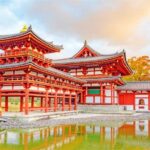
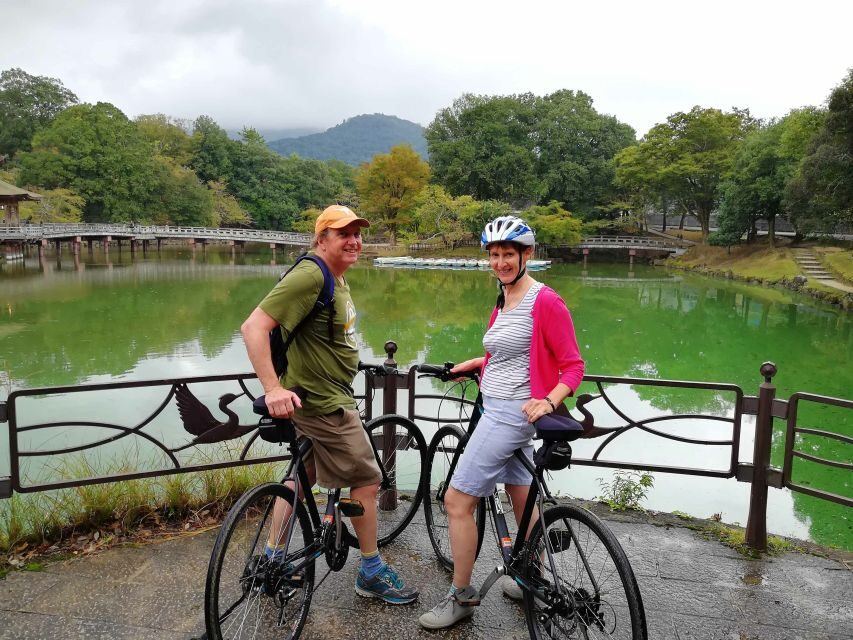
- Ukimido to Nara Park: A Smooth Start Before the Main Icons
- Nandaimon Gate and Tōdai-ji: Where the Giant Buddha Fits the Story
- Kasuga Taisha Lanterns: Photos, Quiet Moments, and Free Time
- The Kikuichi Knife Shop Stop: A Real-World Break From Temples
- Nara Park on the Way Back: Deer, Scenery, and an Easier Finish
- Bikes, Pace, and Physical Effort: What 3 Hours Really Means
- Price and Value: What $70 Covers (and What It Doesn’t)
- Weather and Cancellations: Rain Odds Can Change Everything
- Should You Book This Nara Bike Tour?
- FAQ
- How long is the Nara bike tour?
- Is this tour private or shared?
- Where do I meet the guide?
- What is included in the price?
- What is not included?
- What languages does the live guide speak?
- What should I bring with me?
- What happens if the weather is rainy?
- Is the tour wheelchair accessible?
- Can a solo traveler book this tour?
Key Highlights You’ll Actually Notice
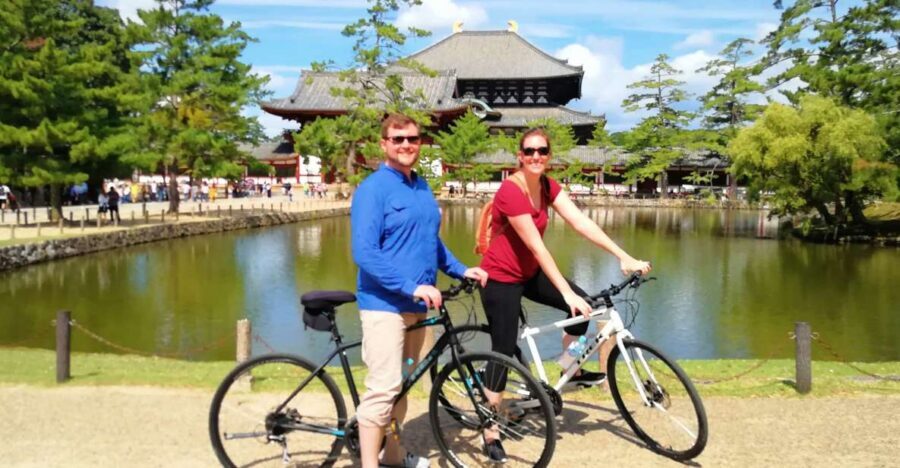
- Nara Park on bike with built-in time to watch the deer in a relaxed way
- Tōdai-ji’s giant Buddha plus clear explanations of Buddhism and Shinto ties on-site
- Kasuga Taisha thousand lanterns viewing with photo stops and a bit of breathing room
- Kikuichi knife shop stop for Japanese kitchen culture and shopping/art-craft browsing
- 3 hours, ~210 minutes with a pace that feels full without feeling rushed
Getting Oriented at the Bike Base Near Toichi Shougakko
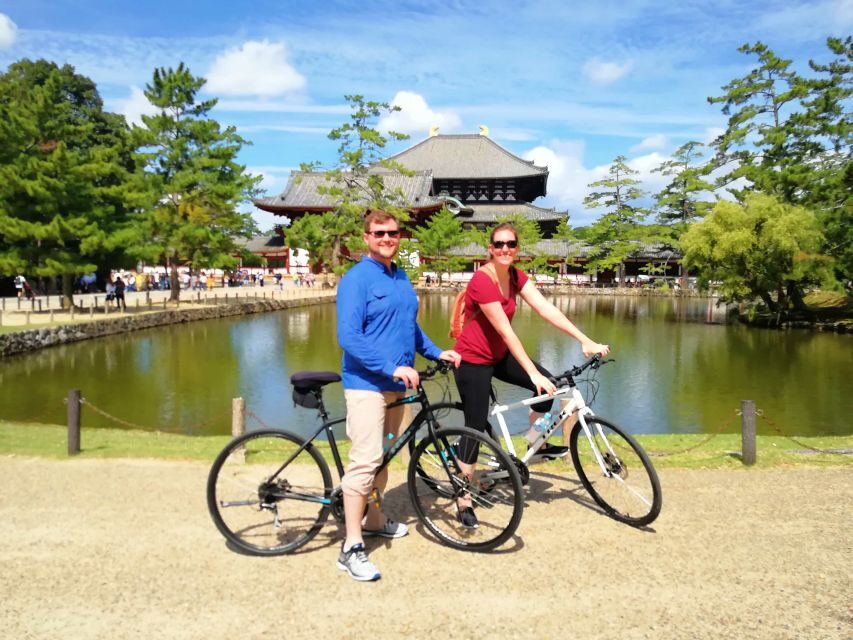
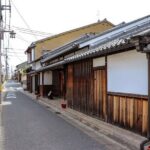
Your tour starts by a bike base near the Toichi Shougakko bus stop (東市小学校). The easiest way to find it is to search Japan Tour Adventure in Nara in Google Maps, then match that to the pickup area. There’s also a YouTube link with instructions for getting there by bus from JR Nara Station and Kintetsu Nara Station, which helps if you’d rather not guess.
This is the part that can make or break your day. One strong advantage of cycling tours is speed—but if your start point feels “a bit out of the way,” you’ll feel it right away. I’d treat the first 20–30 minutes as your warm-up buffer, even if you’re confident with transit.
You can also read our reviews of more cycling tours in Nara
Ukimido to Nara Park: A Smooth Start Before the Main Icons
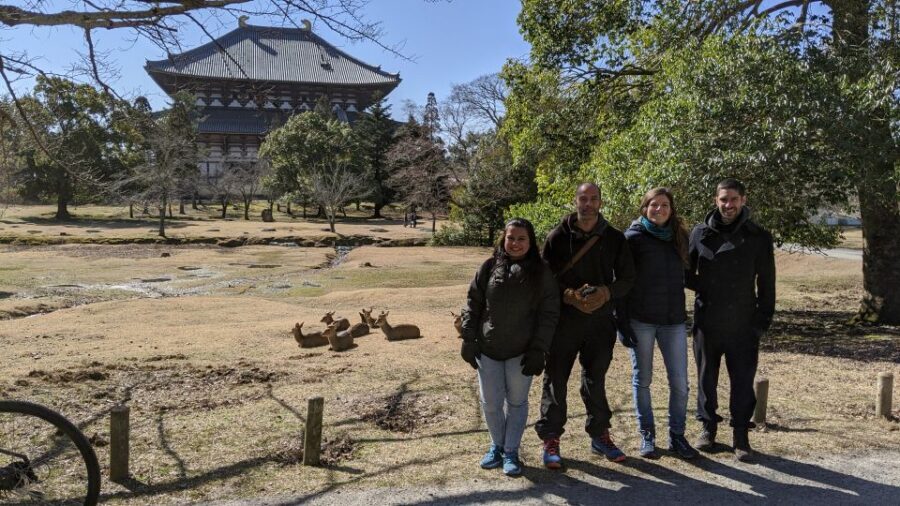
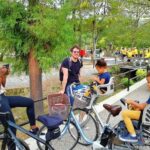
After a short introduction and safety briefing, you put on your helmet and roll out. The first ride segment includes Ukimido and sets the tone: you’re not sprinting, and you’re not doing long stretches where you feel lost. Expect a mellow start that gets you comfortable with the bike before you hit the busiest-looking temple zone.
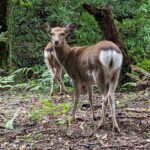
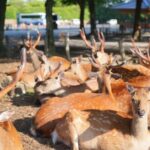
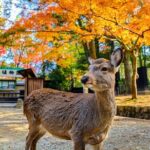
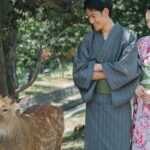
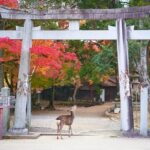
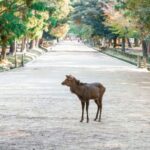
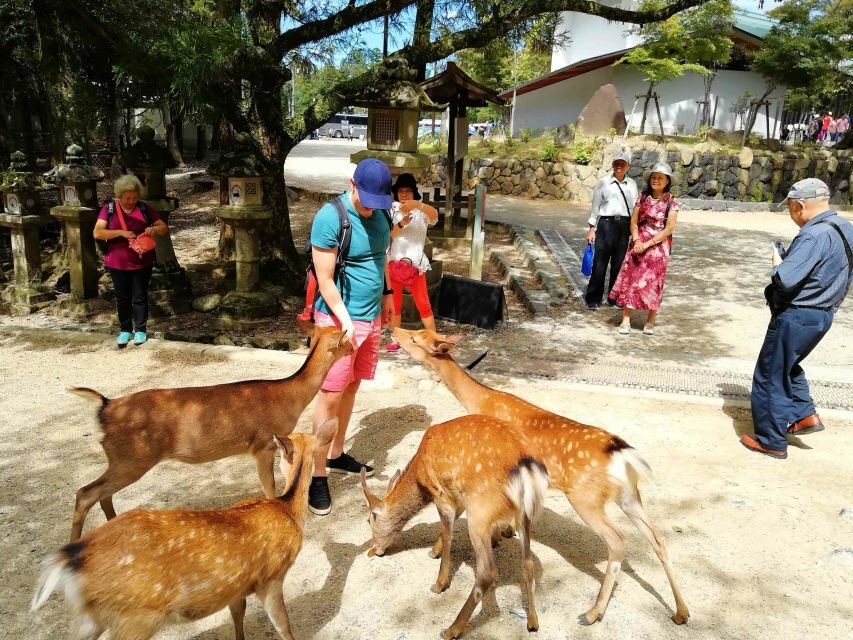
Then comes the Nara Park area, where the atmosphere changes fast. This is where you get scenic views and wildlife viewing, and the star is the deer. They’re well known for roaming through the park, so I like this stop because it’s not just a photo moment—you get time to look around, watch them from a calm spot, and settle into Nara’s slower rhythm before you go big on temples.
Practical note: bring a camera you can quickly grab while you’re stopped, and wear comfortable clothes. You’ll do some walking inside temple areas too, so “shoes that won’t punish your feet” matters.
Nandaimon Gate and Tōdai-ji: Where the Giant Buddha Fits the Story
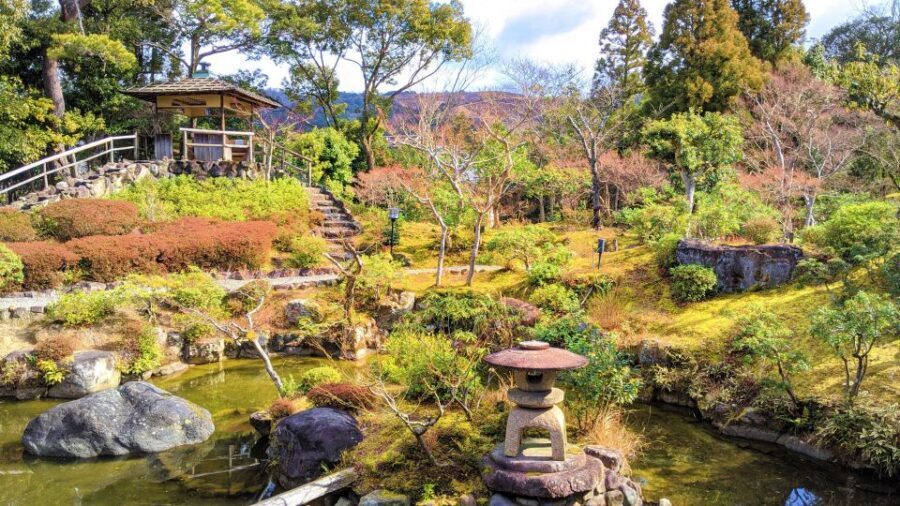
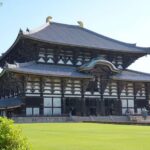
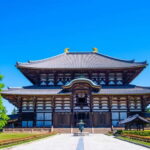
From Nara Park, you’ll reach the Nandaimon Gate of Tōdai-ji for a photo stop plus time to visit and walk. This gate is your “arrive-and-focus” moment—once you’re here, the day stops feeling like a bike ride and starts feeling like a guided tour of ideas as well as buildings.
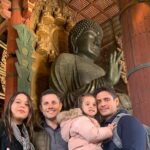
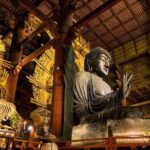
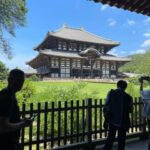
Next is the main Tōdai-ji stop, with time for photos and a longer walk through the grounds. What you’re aiming to see is the 15-meter-tall giant Buddha statue, and the best part is that the guide explains how Buddhism and Shinto show up in everyday meaning. It’s not just names and dates. It’s the sort of context that makes the space feel less random.
Here’s what I think works well for most people: you don’t have to figure out the temple layout on your own while also biking between spots. You get a clear sequence—gate, then big temple—so your brain doesn’t scramble. And you’ll likely come away understanding why these religions are often discussed together in Nara’s cultural landscape, even if you don’t consider yourself a religion person.
Expect some walking on uneven ground and indoor/outdoor transitions, so keep your pace steady. If you’re the type who tends to linger, you’ll be happy with the time allotted.
Kasuga Taisha Lanterns: Photos, Quiet Moments, and Free Time
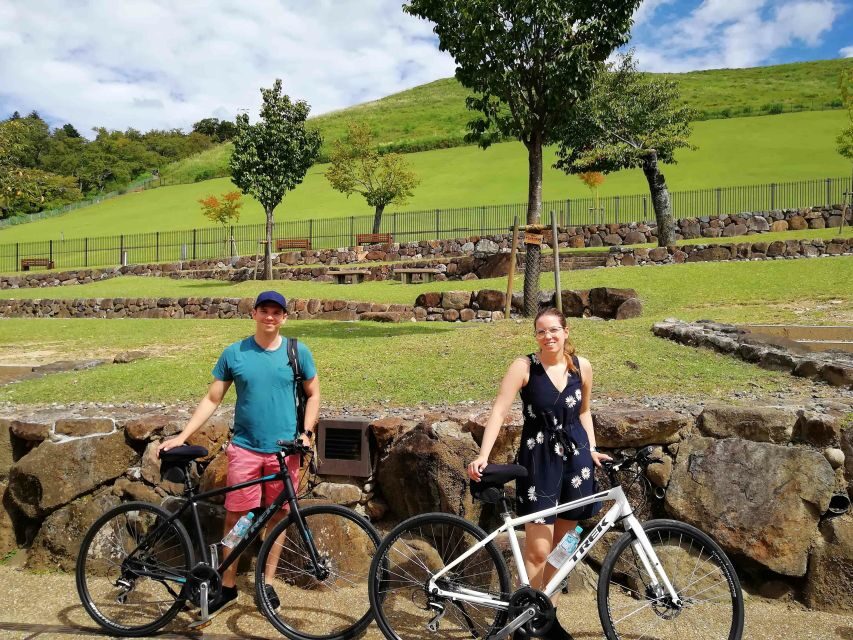
After Tōdai-ji, you’ll ride onward to Kasuga Taisha Shrine. This is the stop people often remember, largely because of the thousand lanterns. The ride includes scenic views on the way, and at the shrine you’ll have photo time, visit time, and also a slot of free time to wander.
I like this structure because it balances two things you want on a short tour: guidance and breathing room. The guide can point out what matters, then you get to slow down on your own for a bit—perfect for lingering at the lantern areas without feeling like you’re being herded.
Depending on the day, this can also be a great photo stop if you bring patience. Lantern areas tend to invite people to pause, and the shrine grounds reward a slower look rather than rushing for the “one perfect shot.”
The Kikuichi Knife Shop Stop: A Real-World Break From Temples
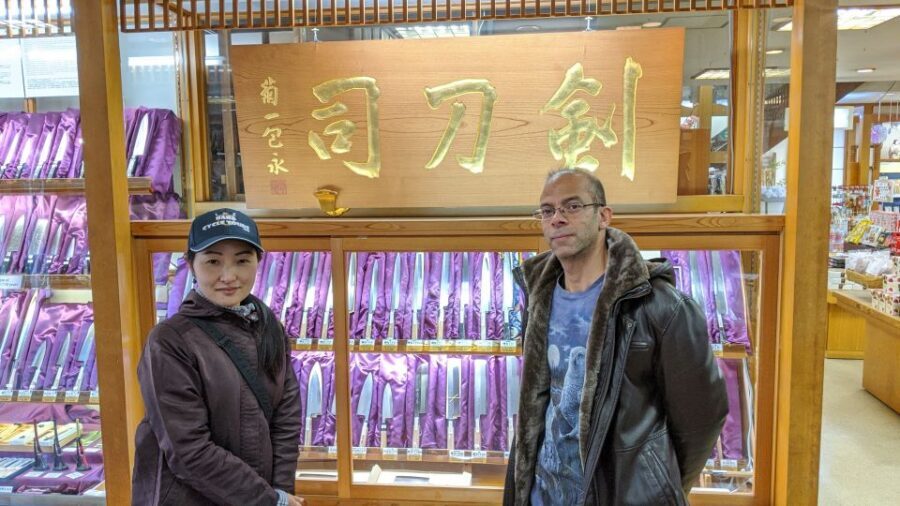
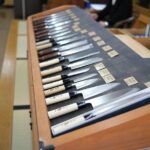
Then you’ll head to Kikuichimonjushirokanenaga honten, a high-end Japanese cooking knife retailer. This is an interesting twist in a city highlights tour, and it works because it shows another side of Japanese craftsmanship beyond temples.
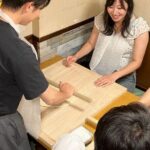
You get a visit time that includes shopping and an arts and crafts market visit. Even if you’re not buying a knife, it’s a chance to look at how Japanese kitchen culture connects to care, skill, and everyday life. And if you are tempted, this is the type of shop where the guide context can be helpful, since knives aren’t just kitchen tools—they’re often part of a broader craft tradition.
One caution: this stop can feel like a detour if you only want religious sights. But if you enjoy seeing how Japanese culture lives in working shops, it’s a smart change of pace. It also gives your legs a break from temple walking while still keeping the tour moving.
You can also read our reviews of more city tours in Nara
Nara Park on the Way Back: Deer, Scenery, and an Easier Finish
After Kasuga Taisha, the tour loops back through Nara Park for another bike segment with scenic views on the way. This final stretch tends to feel like a “wrap-up ride” rather than another intense sightseeing block.
It’s also one of those moments where you can catch the deer again, or just enjoy the greenery and atmosphere without the pressure of a specific must-see landmark. If you’re tired (and many people are by the end of a 3-hour bike day), this last part is often the most soothing.
Bikes, Pace, and Physical Effort: What 3 Hours Really Means
This tour lasts 3 hours, listed as 210 minutes. The pace is generally relaxed, but you should still expect some cycling effort and a bit of walking at gates and temples. One review noted a few climbs, while also saying the physical level wasn’t overwhelming. That sounds about right for a highlights-style ride in a temple-heavy area: you’re not doing a mountain bike workout, but you’re also not sitting on a couch.
If you can ride a bike comfortably, you’ll likely be fine. If you’re not used to cycling for stretches, the helmet and guide help, but you might still feel the effort by the end. I’d plan to take it easy the rest of the day after.
Also, this tour is not suitable for people with mobility impairments and it’s not for wheelchair users. That’s important for safety and route practicality.
Price and Value: What $70 Covers (and What It Doesn’t)

At $70 per person, the value comes from how much is included. You get a guide, a bike and helmet, all entrance fees, and a bottle of water. That’s a meaningful chunk of the cost for a short tour, especially because entrances at major sites can add up.
What’s not included is food and drinks. So if you’re doing this mid-day, you’ll want to eat before or after. Bringing your own simple snack can help keep energy steady, especially if you tend to get hungry during temple-and-walk stops.
And the “working tour” vibe matters here: a good guide helps you see more than you’d find alone, and you’ll likely finish the ride feeling that you covered a lot. One named guide from a positive report—Robert—was praised for being a fantastic source of information and leading people to places they wouldn’t have found on their own.
Weather and Cancellations: Rain Odds Can Change Everything
This tour can be canceled if the Japan Meteorological Agency forecast shows a chance of rain over 60%. If that happens, you’ll be informed in the evening the day before, so check your email that night.
I appreciate this policy because it’s clear. Cycling in wet conditions isn’t fun, and most people don’t want a half-drenched temple tour. Just make a habit of checking forecast messages the night before you go.
Should You Book This Nara Bike Tour?
Book it if you want to pack Nara’s biggest sights into a few hours and still feel like you’re moving like a local, not just standing in lines. It’s a great fit if you enjoy cycling, like short guided walks, and want a guide to connect Buddhism and Shinto to what’s in front of you—especially at Tōdai-ji.
Skip it (or think twice) if your biggest priority is food, long downtime, or barrier-free mobility, because the tour is not suitable for wheelchair users or mobility impairments and it does involve some walking. Also account for the start location—if getting to the bike base feels difficult, you might prefer a tour that meets closer to the main station area.
If you’re the kind of traveler who likes a structured day with small surprises, the Kikuichi knife stop and the Kasuga Taisha lantern time make this feel more “Nara” than a cookie-cutter temple loop.
FAQ
How long is the Nara bike tour?
The tour runs for about 3 hours, listed as 210 minutes.
Is this tour private or shared?
Private or small groups are available.
Where do I meet the guide?
Meet at the bike base near the Toichi Shougakko bus stop (東市小学校). You can find the bike base by searching Japan Tour Adventure in Nara on Google Maps.
What is included in the price?
Bike and helmet, the guide, all entrance fees, and a bottle of water are included.
What is not included?
Food and drinks are not included.
What languages does the live guide speak?
The live guide is available in English, French, and Japanese.
What should I bring with me?
Bring a passport, comfortable shoes, a camera, food, water, and comfortable clothes.
What happens if the weather is rainy?
The tour may be canceled if the Japan Meteorological Agency forecast shows a rain chance higher than 60%. You’ll be informed in the evening the day before.
Is the tour wheelchair accessible?
No. It is not suitable for people with mobility impairments and wheelchair users.
Can a solo traveler book this tour?
Single travelers can book directly, but there is a 2 guests minimum rule, so the session might be canceled. If that happens, you’ll be notified as soon as possible with a rescheduling option or a full refund.