REVIEW · TOKYO
Nikko: Kegon Falls, Lake Chuzenji & Toshogu Temple
Book on GetYourGuide →Operated by AMIGO TOURS JAPAN GK · Bookable on GetYourGuide
Nikko packs big beauty into one long day. You’ll see Toshogu Shrine in a cedar forest, then feel the power of Kegon Falls from an observation deck. The day runs on a smooth coach schedule, so you get views, walking time, and guided explanations without the stress of transfers.
I really like how the bilingual guide (English/Spanish) keeps the story straight, from shrine symbols to everyday Japan etiquette. I also like the rhythm: guided time at Toshogu, then real free time to photograph and wander at your pace. The main drawback is simple: it’s a long day with a long ride—great if you like planning your day by the clock, less great if you want slow travel.
In This Review
- Key Highlights You’ll Actually Feel During the Day
- From Ginza To the Mountains: The Long Coach Ride That Helps
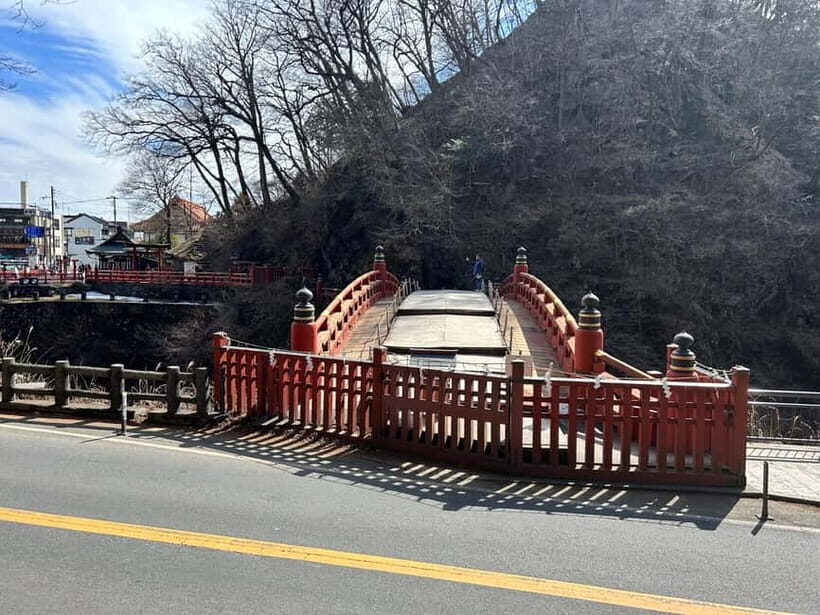
- Shinkyo Bridge Panoramic Views: The Red Threshold Moment
- Toshogu Shrine UNESCO: Gold Details, Wise Monkeys, and Guided Timing
- If you choose the Toshogu ticket option
- If you do not choose the ticket option
- What you should watch for
- Kegon Falls + Lunch: When the Mountains Show Off
- Seasonal note: January and February changes
- Lunch: good enough to make the day feel complete
- Lake Chūzenji Stroll: Volcanic Calm at Mount Nantai’s Base
- Photography and Comfort: Small Prep That Makes the Day Better
- Price and Value: What You’re Paying For at $89
- A balanced reality check
- Who This Nikko Day Trip Best Fits (and Who Should Skip It)
- Should You Book This Nikko Tour?
- FAQ
- How long is the Nikko day trip?
- Where does the tour start in Tokyo?
- Is Toshogu Shrine admission included?
- Is lunch included?
- What happens to Kegon Falls and Lake Chūzenji in winter?
- What languages are the guides?
- Is this tour suitable for wheelchair users?
- What should I bring for the day?
Key Highlights You’ll Actually Feel During the Day
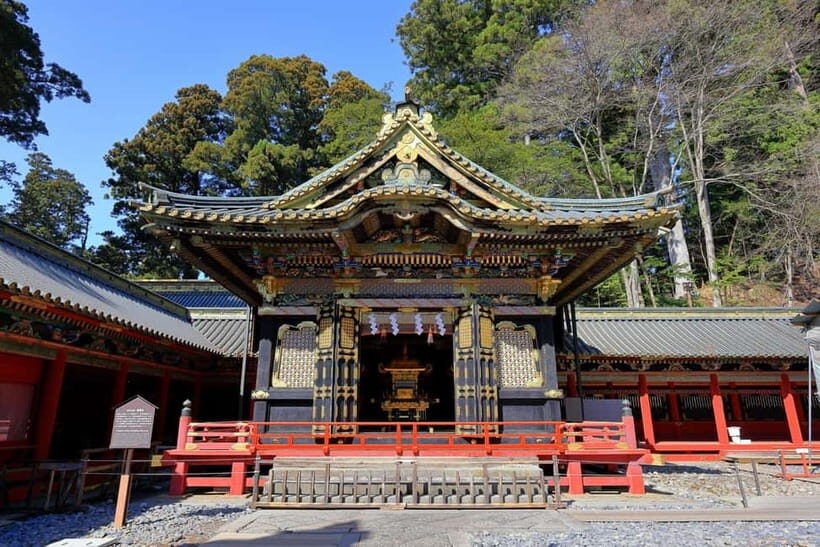
- Toshogu Shrine UNESCO: ornate gold details plus the wise monkeys tied to a proverb
- Shinkyo Bridge panoramic views: that deep red curve across the Daiya River from the bus
- Kegon Falls near 100 meters: dramatic drop, best enjoyed from the observation deck and photo stops
- Lake Chūzenji at Mount Nantai: volcanic alpine calm, good for a slower stroll and photos
- Bilingual guidance you can ask questions: guides like Melody, Jorge, and Francisco are repeatedly praised for clear explanations
From Ginza To the Mountains: The Long Coach Ride That Helps
This is an 11-hour day trip, and it starts in Ginza with a comfortable, air-conditioned coach. The ride out of Tokyo matters more than you might think. As the city gives way to mountain roads, the mood shifts fast—less traffic noise, more breathing room, and plenty of time to settle in.
Expect a major chunk of the day on the bus. The schedule includes a long drive time, plus short transfers between stops. That can sound like a lot, but it’s also what makes the day doable for most people. You’re not juggling trains, buses, timetables, and walking from station to station. You’re just meeting the group, then moving place to place with the guide.
One small practical win: there’s often a planned roadside stop on the way that can help you handle essentials. In past tours, guests have mentioned a stop where you can withdraw cash and grab breakfast before you hit the main sites. If you plan to buy snacks or lunch items separately, this kind of timing can save you from scrambling later.
You can also read our reviews of more tours and experiences in Tokyo.



Shinkyo Bridge Panoramic Views: The Red Threshold Moment
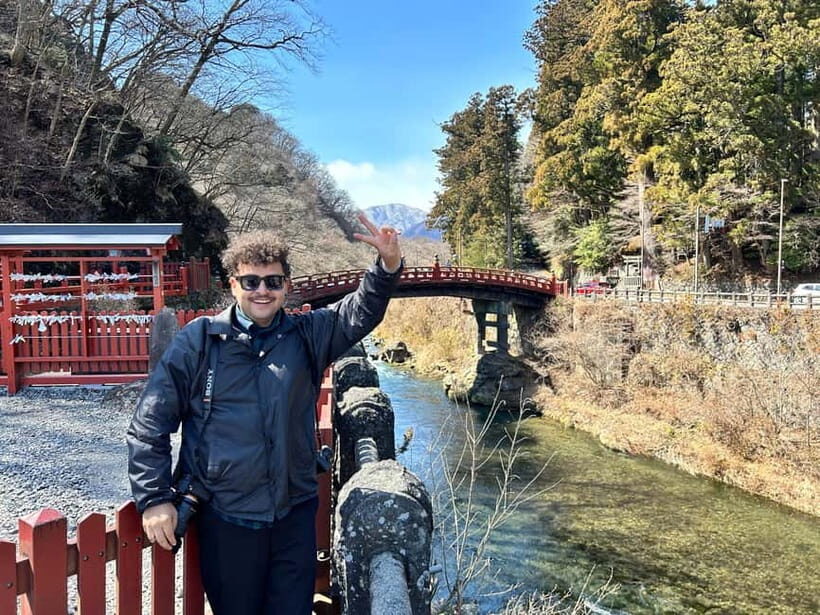
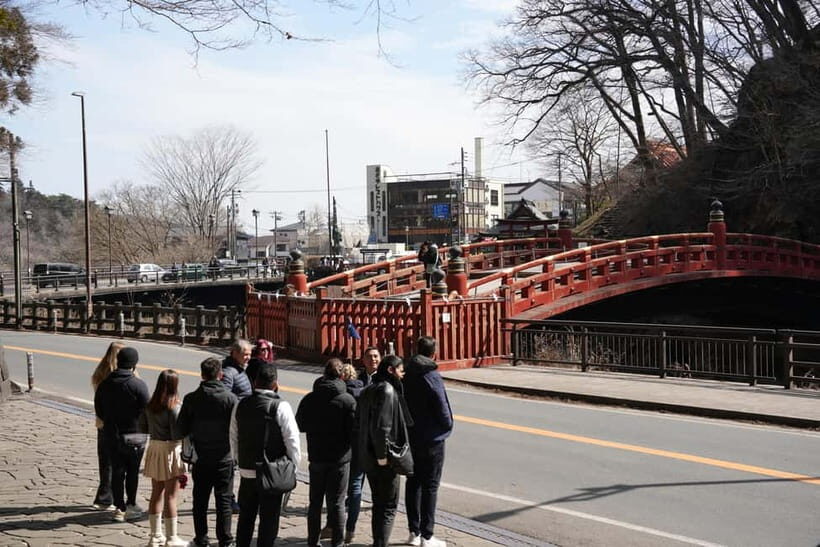
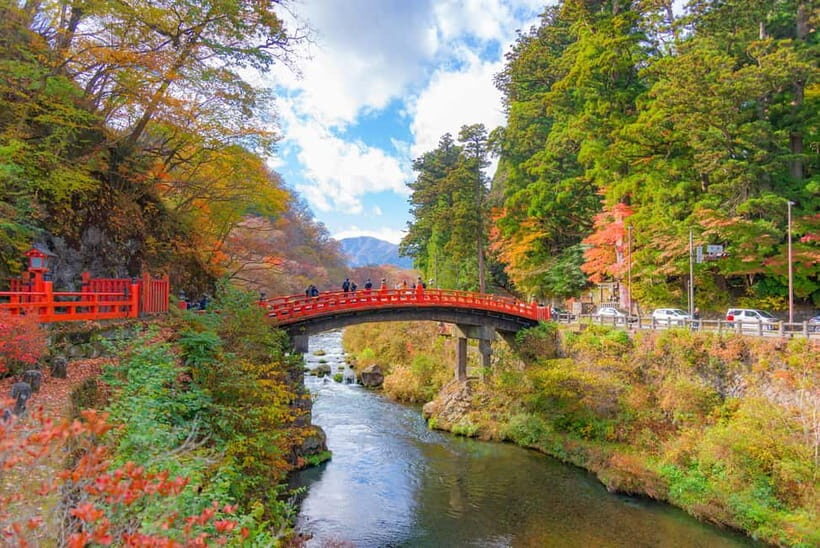
Your first big Nikko visual hits right away: Shinkyo Bridge. From the bus, you get a panoramic view of the bridge’s deep red color, curving over the Daiya River. It’s one of those places that works even if you only get a quick look, because the contrast is instantly clear—architecture in vivid red against the natural mountain backdrop.
Think of Shinkyo Bridge as the emotional setup for the day. Once you see it, you’re not just touring. You’re entering a zone where shrines and temples feel like part of the landscape, not just an added stop. The bridge is often described as a symbolic threshold to Nikko’s spiritual heart, and that idea lands in a very visual way.
If you care about photos, be ready. Bus views are great, but they’re time-limited. Keep your camera in reach so you can shoot quickly without digging through your bag while the bus is rolling or stopping.
Toshogu Shrine UNESCO: Gold Details, Wise Monkeys, and Guided Timing
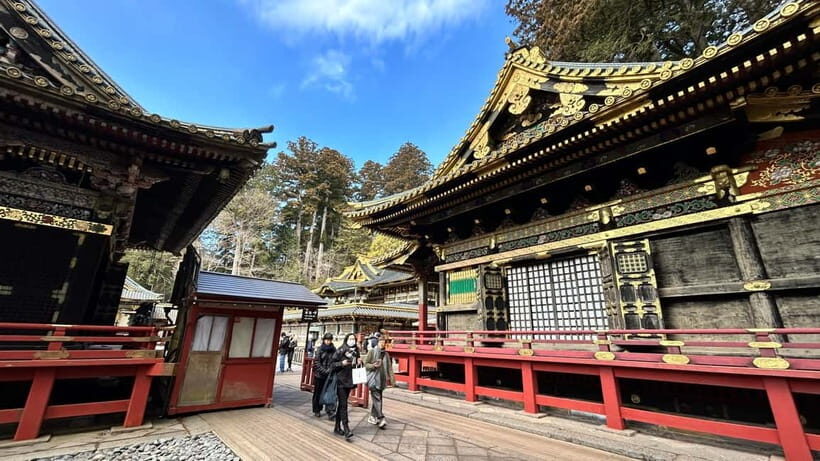
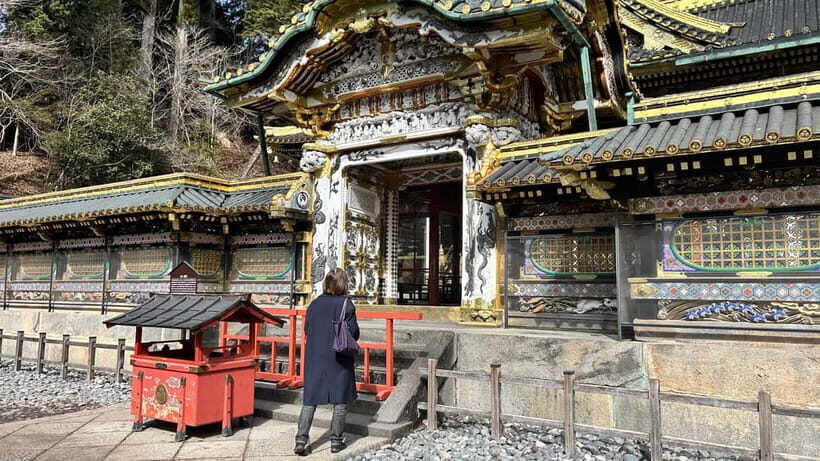
Toshogu is the star attraction of the day, and it’s also the part where a good guide pays off most. This UNESCO World Heritage Site is famous for ornate decoration, vibrant gold accents, and the famous trio of wise monkeys tied to a traditional proverb.
You’ll spend about 2.25 hours with a guided visit, which is long enough to slow down. That matters here. Toshogu rewards attention: carvings, colors, and symbolic details that you’ll miss if you rush or only glance. Guides like Melody, Jorge, Eric, and Beru are repeatedly praised for explaining what you’re seeing in plain language—so you can look at the shrine rather than just move through it.
If you choose the Toshogu ticket option
If you book the option that includes Toshogu entrance, you’ll have full access as part of the tour plan. For many people, this is the easiest path: less deciding, less hunting for the right entrance, and more time focused on the temple experience itself.
If you do not choose the ticket option
You’ll still be in the area with time to explore nearby on your own. Some guests strongly recommend buying the entrance so you can see the full scope of the site. At the same time, one review noted the temple ticket can feel overpriced compared with buying online separately. So here’s the practical way to think about it:
- Choose the included ticket if you want zero friction and guided timing.
- Consider buying separately if you’re price-sensitive and comfortable handling the decision yourself.






What you should watch for
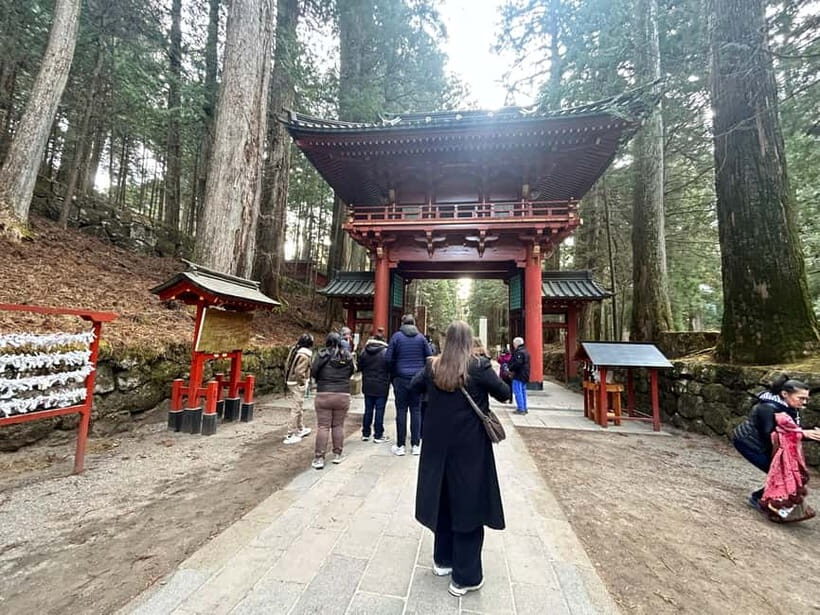
Toshogu is not just one building. It’s an experience of symbols. Some guides specifically highlight the meaning behind shrine images and the stories connected to the complex. That’s the difference between seeing Toshogu and understanding why it’s famous.
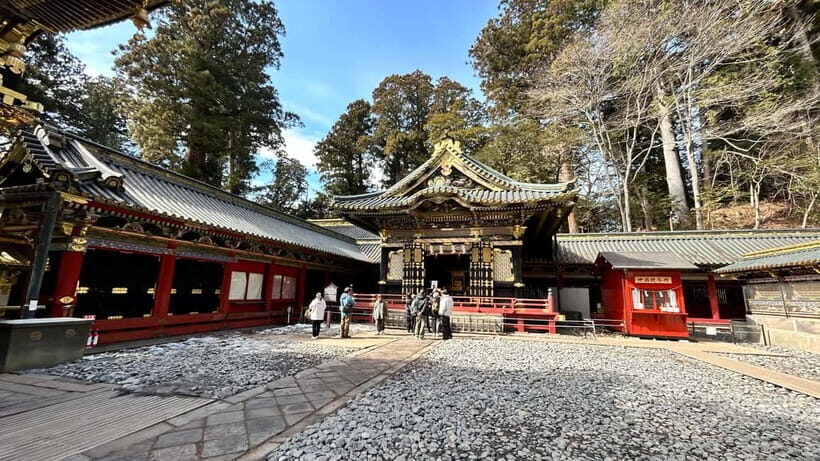
Also, walking time can add up. Bring comfortable shoes. Even if the route isn’t long, the surfaces and stairs can be tiring, especially after a long coach ride.
Kegon Falls + Lunch: When the Mountains Show Off
Next comes Kegon Falls. This is one of Japan’s most striking waterfall views, with a nearly 100-meter cascade dropping into the valley. You’ll have lunch and free time together here, totaling about 85 minutes—enough to eat, then slow down and take in the falls without feeling rushed.
The key is the observation deck area. That’s where the falls really make sense: you see the whole drop, and you can get the spray-and-rock feeling without climbing into anything risky. Photos are the obvious reason, but it’s also a mental reset. After hours of shrine detail, water noise and open air feel like a different kind of culture—one that’s less about symbols and more about scale.
Seasonal note: January and February changes
In January and February, Kegon Falls and Lake Chūzenji are replaced by a panoramic view of Rinnoji Temple and the Futarasan Shrine. That means your day still has spiritual stops, but it won’t match the standard waterfall-and-lake version.
If you’re traveling in winter and waterfalls are your priority, double-check what month you’re going. The same tour can be spiritually rich even without Kegon Falls, but it’s not the same visual payoff.
Lunch: good enough to make the day feel complete
Lunch is included only on the premium option. When it is included, you’ll be eating at a local restaurant in Nikko. The value here is timing and convenience. After a long ride, having lunch planned keeps you from wasting free time hunting for something open, affordable, and easy.
If lunch is not included, plan to use your free time for food efficiently. Bring some cash if you expect to pay separately. A guest also mentioned a cash withdrawal stop earlier on the route, which hints that many on-the-ground purchases work best with ready money.
Lake Chūzenji Stroll: Volcanic Calm at Mount Nantai’s Base
Lake Chūzenji is the slower, softer part of the day. You’ll have about 40 minutes of free time there. The setting is described as an alpine lake formed by volcanic activity, with forested hills and misty vistas near Mount Nantai.
This is where you shift gears. At Kegon Falls, you’re reacting to power. At Lake Chūzenji, you’re looking for mood. If the weather is clear, the scenery can feel photo-friendly in an easy way—less frantic framing, more steady composition. If it’s misty, that can actually help. The lake doesn’t need sunshine to look atmospheric.
Even 40 minutes is enough for a simple walk and a few viewpoints, as long as you don’t try to do everything. The trick is to pick one direction or one path, then commit. You’ll enjoy it more than if you bounce between spots chasing the perfect angle.
And remember: winter swaps apply. In January and February, Lake Chūzenji is replaced, just like Kegon Falls.
Photography and Comfort: Small Prep That Makes the Day Better
This day is full, so comfort matters more than you’d expect. Here’s what I’d pack for the best experience:
- Comfortable shoes (you’ll walk around shrine areas)
- Hat and sunscreen (sun can hit even on a mountain day)
- Water (easy to underestimate how thirsty you get)
- Camera (obvious, but the schedule moves fast)
For photos, one practical tip: move your body before you move your camera. At places like Toshogu and the bridge views, it’s easy to shoot from the same spot. Try standing a bit off to the side, then compare. Many guides point out specific photo spots and timing. If your guide does that on your day, listen closely—those suggestions often save you from wandering after the bus timer starts.
Also, bus windows help a lot for quick shots during scenic drive sections. One guest specifically liked the large windows. You might not always get the exact angle, but having a stable viewing spot makes a difference.
Price and Value: What You’re Paying For at $89
The price is listed as $89 per person, with day-long coach transport, a bilingual guide, and entrance and lunch depending on the option you choose. So what’s the real value?
You’re paying for three things:
- Time saved versus piecing together the route yourself
- A guide who handles the flow, especially at Toshogu where the details matter
- A structured day that still gives you free time to photograph and wander
At $89, the question isn’t just whether you like waterfalls and shrines. It’s whether you want a guide-led day trip that feels efficient without feeling like a rush. The high rating and repeated praise for guides like Melody, Jorge, Beru, Francisco, and drivers such as Hashimoto-san, Waku, and Ejima-san point to one theme: the team keeps timing smooth and explanations clear.
If you love DIY travel, you might decide to go independently to save money on ticket choices. But if you want to avoid logistics and get the meaning behind what you’re seeing, this kind of guided day trip often feels like good value.
A balanced reality check
Some guests called out that the temple ticket option may feel pricier than buying separately online. That doesn’t make the tour bad—it just means you should choose the ticket option thoughtfully based on what you value: convenience versus cost.
Who This Nikko Day Trip Best Fits (and Who Should Skip It)
This is a strong fit for:
- First-time Nikko visitors who want the main sites—Toshogu, Kegon Falls, and Lake Chūzenji—in one day
- People who prefer guided context, especially for Toshogu’s symbols and stories
- Travelers who don’t want to deal with transfers, station navigation, or ticket lines while on a time crunch
It’s less ideal if:
- You hate long coach rides and strict schedules
- You want a slower, multi-day Nikko visit where you can return to favorite spots
One important limitation: it’s not suitable for wheelchair users based on the provided info. If mobility is an issue, plan for walking on uneven shrine grounds and stairs.
Should You Book This Nikko Tour?
If your goal is a complete Nikko highlights day—Toshogu’s UNESCO splendor, Shinkyo Bridge views, Kegon Falls scale, and Lake Chūzenji’s calm—this tour is an easy yes. The big reason is that it pairs structure (coach timing and guided explanations) with breathing room (free time at the falls and the lake).
I’d book it if you like learning while you look, and you want the trip to run without headaches. I’d reconsider if you’re traveling in a month when Kegon Falls and Lake Chūzenji are swapped out, or if you’re very sensitive to the way ticket options affect the total cost.
FAQ
How long is the Nikko day trip?
The total duration is 11 hours.
Where does the tour start in Tokyo?
The meeting point is in Ginza, with starting location options listed as Ginza Inz 2.
Is Toshogu Shrine admission included?
Entrance to Toshogu Shrine is included only if you select the option that includes it; otherwise you’ll have free time to explore independently.
Is lunch included?
Lunch is included only on the premium option.
What happens to Kegon Falls and Lake Chūzenji in winter?
In January and February, the visit to Kegon Falls and Lake Chūzenji is replaced with a panoramic view of Rinnoji Temple and the Futarasan Shrine.
What languages are the guides?
The guide provides live commentary in English and Spanish.
Is this tour suitable for wheelchair users?
No, it’s not suitable for wheelchair users.
What should I bring for the day?
Bring comfortable shoes, a hat, a camera, sunscreen, and water.