REVIEW · TOKYO
Tokyo History: Sensoji Temple & Asakusa District Private Tour
Book on Viator →Operated by Withlocals · Bookable on Viator
Tokyo’s oldest temple is a great starting point. This private, 3-hour Asakusa history walk pairs big landmarks with smaller street-level details, all guided by a real local who can answer your questions on the spot. I like that it’s truly private (just you and your guide), and I also appreciate the offering at Senso-ji included in the experience.
The one thing to keep in mind is that this is a walking tour with moderate fitness needs, and there’s no hotel pickup. You’ll be moving on foot through temple grounds and shopping streets, and some of the fun stops are great for browsing or buying snacks or crafts on your own.
In This Review
- Key highlights and smart reasons to go
- Why Asakusa works so well for a private history walk
- Price and what you’re really paying for (at $139.63 per person)
- Starting at Kaminarimon: Nakamise Shopping Street and the 18th-century vibe
- Through Hozomon: gate rituals, a quick taste of age manju, then into the temple area
- Senso-ji Temple: experiencing incense, then using your guide to read the space
- Asakusa backstreets near Hanayashiki and the melon pan moment
- Edo Taito Traditional Crafts Center: seeing Tokyo makers, not just shoppers
- Kappabashi Dogugai: food model makers for anyone who loves menus and design
- What a local private guide changes (and why the guides matter)
- Timing, walking comfort, and how to make the most of 3 hours
- Who should book this Asakusa private tour
- Should you book? My take
- FAQ
- How long is the Tokyo History: Sensoji Temple & Asakusa District Private Tour?
- Is this tour private or shared?
- Where does the tour start?
- Is the tour ticket mobile-based?
- Are entrance fees included for stops like Senso-ji Temple and Nakamise Street areas?
- What’s included besides the guide?
- Are food and drinks included?
- Do I need hotel pickup or drop-off?
- What fitness level is required?
- Is there free cancellation?
Key highlights and smart reasons to go
- Private guide, customized pace: You get a true one-on-one format instead of being swept along with a crowd
- Senso-ji’s incense moment: The tour pauses before you enter so you can experience the smoke-and-tradition ritual
- Nakamise Street shopping street since the 1700s: Great place to compare old-school snacks, sweets, and souvenirs
- Kappabashi for food-model makers: A surprisingly visual stop if you like restaurants, menus, or design
- Crafts center stop: You can see traditional skills and, on weekends, might catch live craft demonstrations
- CO2-neutral tour: Carbon emissions are offset, and it’s built into the tour format
Why Asakusa works so well for a private history walk
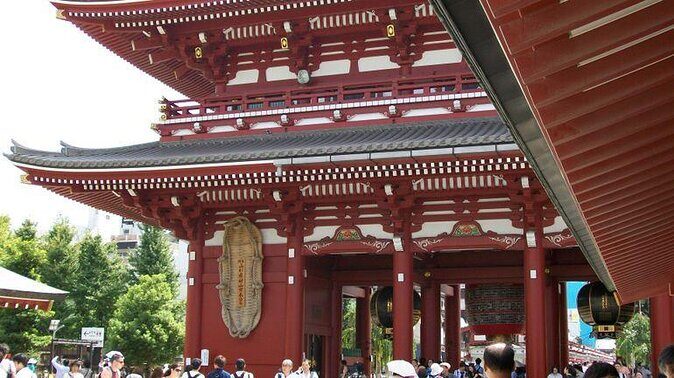
Asakusa is one of the easiest places in Tokyo to understand without needing a textbook. The streets feel older because they’ve kept repeating the same routines for generations: approach a gate, pause at a shrine, shop for treats, and wander toward a craft or food stall. In a normal visit, you can absolutely see Senso-ji and Nakamise. The difference on this tour is the way your guide connects what you’re seeing to why it’s there.
I love how the pace stays human. You’re not stuck waiting for a group timeline, and your guide can slow down when you want to read details on a gate, notice how people behave in a temple space, or ask about customs. It helps you get your bearings fast, then explore with confidence.
The other reason Asakusa fits a private format is that it has layers. One street can feel like a postcard, then two turns later you’re in quieter lanes where Tokyo looks more like a lived-in neighborhood than a museum. You’ll see both sides on this route.
You can also read our reviews of more private tours in Tokyo



Price and what you’re really paying for (at $139.63 per person)
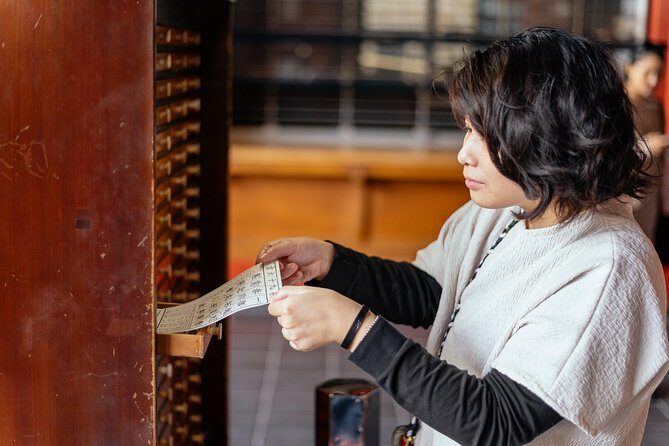
At $139.63 per person for about 3 hours, you’re not paying for entrance tickets. The major stops are free to enter, including Senso-ji and the shopping streets along the way. So where does the value come from?
You’re paying for:
- A private local guide (your time, your questions, your pace)
- Interpretation that makes the sights easier to understand
- A built-in small temple offering at Senso-ji
- CO2-neutral handling with emissions offset
For solo travelers or couples, a private walking tour can still feel like good value when you compare it to paying separately for a guide plus adding extra time to figure things out on your own. And if you’re traveling with someone who likes history and culture but doesn’t want to spend the whole day reading maps, the structure helps.
If you’re the type who enjoys walking through markets and looking closely at objects, you’ll get more out of the price. If you mainly want to take fast photos and move on, you might find a shorter self-guided plan works better.
Starting at Kaminarimon: Nakamise Shopping Street and the 18th-century vibe
The tour begins at Kaminarimon, the famous thunder gate area, where Asakusa’s “arrival sequence” starts. From there you walk into Nakamise, a traditional shopping street with a long track record—at least since the 18th century, and it shows.
What you’ll do here:
- Stroll past lanterns and statues
- Browse souvenirs and local items
- Look for street-food and sweet treats
What makes this stop worth your time is the sensory mix. Nakamise is tourist-famous, yes, but it still feels useful. It’s the place where you understand how the temple and shopping culture connect: people come to Senso-ji, and then they shop, snack, and bring home something small and edible. Even if you don’t buy much, it helps you understand what local visitors treat as part of the experience.
A practical tip: if you’re sensitive to crowds, aim for earlier morning timing in general (the tour is only 3 hours, so you’ll feel it quickly if it’s packed).
Through Hozomon: gate rituals, a quick taste of age manju, then into the temple area
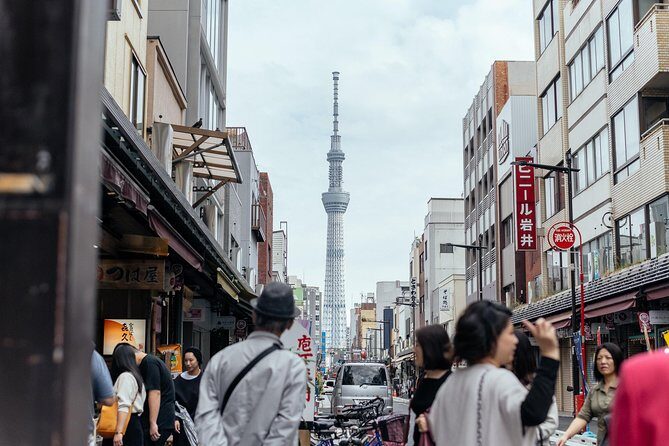
Next you’ll move to Hozomon, the second gate approach that sets the tone before you go deeper into Senso-ji. This is where your guide’s role really matters. A temple complex isn’t just architecture; it’s also behavior—where to pause, how people move, and what you’re supposed to notice.
During this segment you can expect:
- A stop at a store to try an age manju in a flavor of your choice (the tour describes this as part of the experience)
- Following your local host through the gate that leads into the temple
The “age manju” detail is small, but it’s smart. It gives you a chance to experience a classic snack in context, rather than treating food as an afterthought. Also, sweets and fried snacks are part of why this area keeps pulling people back.
One consideration: the tour includes the temple offering, but it doesn’t list food and beverages as included. So if you want the age manju or other treats, budget for purchases.
Senso-ji Temple: experiencing incense, then using your guide to read the space
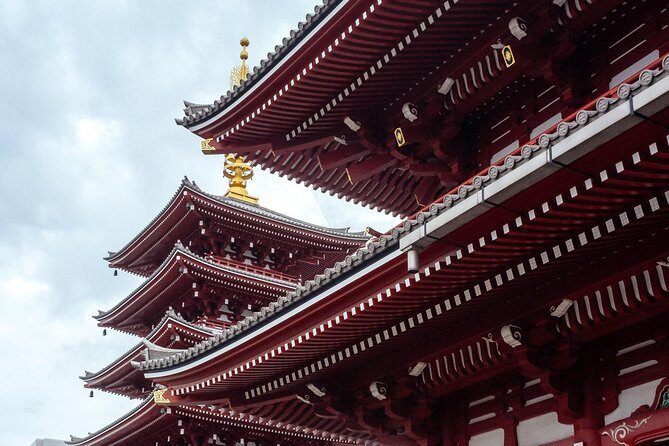
Senso-ji is considered Tokyo’s oldest temple, dating back to year 628. That kind of age can sound abstract until you walk through the space and feel how routines have been maintained.
Here’s what you’ll do:
- Stand at the incense moment before entering
- Watch the smoke situation as it wafts over you (yes, it’s meant to be part of the experience)
- Learn what you’re seeing as you move through the temple grounds
The big value is your guide’s ability to translate details into meaning. Temple buildings are visually dense: gates, carvings, symbols, and patterns on surfaces. Without guidance, you might see impressive architecture and move on. With a private guide, you can slow down and actually understand why certain areas matter.
Your guide also brings you the included small offering at Senso-ji. That’s the kind of practical cultural touch that helps the stop feel interactive, not just observational.
If you care about customs, this is also where you can learn how to behave respectfully while still enjoying the scene. Your guide can explain what’s normal and what’s not, which makes the experience smoother for first-timers.
You can also read our reviews of more historical tours in Tokyo
Asakusa backstreets near Hanayashiki and the melon pan moment
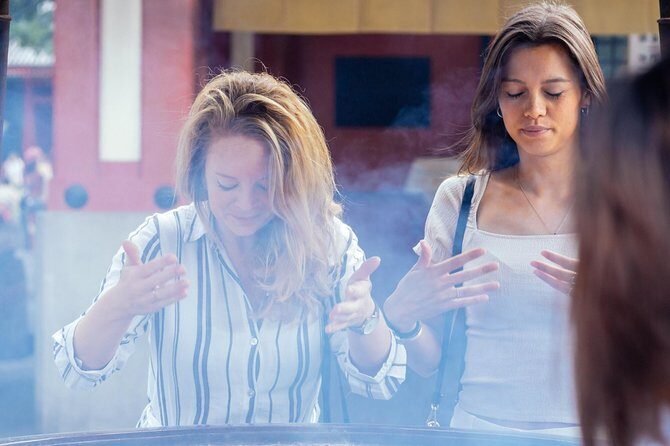
After the main temple area, the tour shifts into smaller streets and nearby landmarks that feel less “big attraction” and more “daily Tokyo.” One stop passes by Asakusa Hanayashiki, an area known for freshly made melon pan bread.
In practical terms, this is a breather segment. It’s shorter, and it’s a nice change of pace from the larger temple and shopping flow. You’ll also see how the neighborhood sits right next to famous sights. That contrast is one of Asakusa’s best lessons: Tokyo history isn’t always separated from everyday life.
If you like food, this is a strong point to pause and pick up something warm. Just remember the tour doesn’t promise food as included, so treat this as an opportunity rather than a guarantee.
Edo Taito Traditional Crafts Center: seeing Tokyo makers, not just shoppers
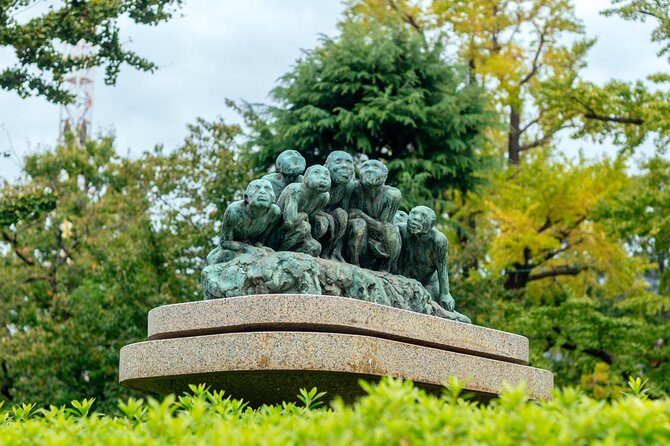
Next up is a cultural stop tied to how Tokyo makes things. At the Edo Taito Traditional Crafts Center (also referred to as the Edo Shitamachi Traditional Crafts Museum), you’ll look at items created by Tokyo’s craft artists.
What you can expect:
- Time to browse cool handcrafted goods
- A chance to see craft work in action on weekends (the experience notes that on weekend visits you may see someone performing the craft in front of you)
This stop works because it changes the shopping story. Nakamise is mostly about buying ready-to-eat snacks and souvenirs. The crafts center is about the process and skill behind objects. It’s a good place for you to buy something smaller and more personal, too, if you want a real “I understood what this is” souvenir rather than a generic magnet.
A minor drawback: if you’re in Tokyo for only a few days and you’re allergic to indoor browsing, this could feel like a pause. But for many people, it’s the perfect mid-tour reset.
Kappabashi Dogugai: food model makers for anyone who loves menus and design
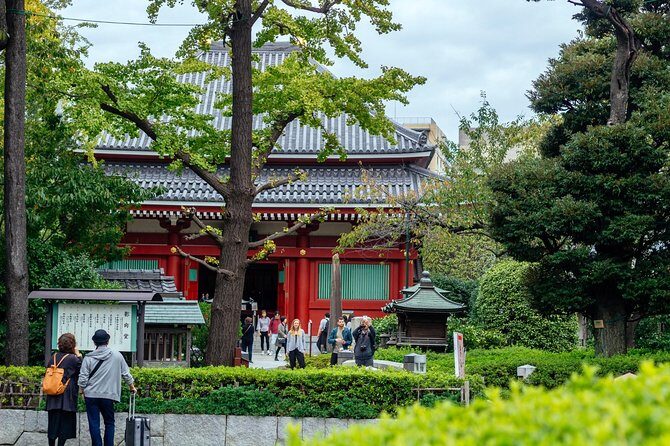
Then you’ll reach Kappabashi Street, specifically Kappabashi Dogugai—where restaurants’ food models are created. If you’ve ever seen those hyper-realistic plastic food displays in windows, this is the place behind the magic.
This is why it’s worth including:
- You’ll see how food-model culture exists beyond being a gimmick
- It’s highly visual, so it’s easy to enjoy even if you’re not shopping for anything big
- It helps you notice Tokyo’s design and display habits, which is part of how the city communicates
One more practical upside: Kappabashi is a shopping street where your questions about utensils, tools, and restaurant supplies make sense. It’s a fun place to look for little kitchen items or novelty pieces if you cook at home.
Also, the tour lists Kappabashi as two similar stops on the schedule. Translation: you’ll likely have time to explore the street in more than one pass, or at least enough time to keep it from feeling rushed.
What a local private guide changes (and why the guides matter)
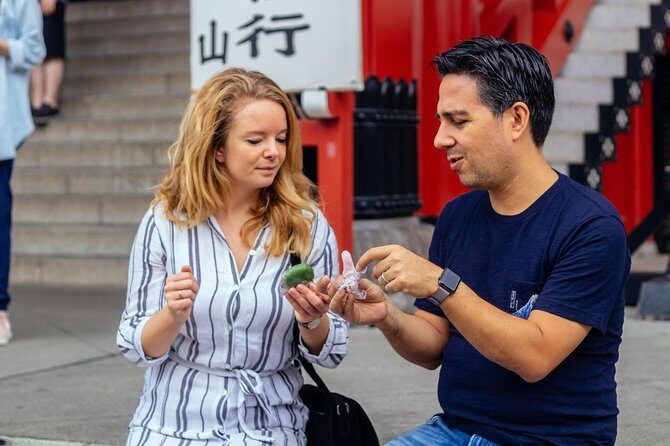
A big reason this tour keeps earning perfect scores is the guides’ flexibility and the way they adapt to what you care about. The names that show up in the experience are things like Abu, Shelina/Sheilina, Gulay/Gülay, Carlos, William, and RamKy.
Even if you never meet a guide with your exact preferences, you can use this private format to tailor the day. For example:
- If you want deeper explanations at Senso-ji, your guide can slow the temple walk
- If you’re more of a “show me where locals buy things” type, you can ask where to linger on Nakamise and Kappabashi
- If you’re traveling with a family member or someone who gets tired easily, you can request a calmer pace (the tour is designed for moderate fitness, so it’s already a walking format with breaks)
One cool cultural bonus that some people have experienced is witnessing ceremonies in the temple area—like a Shinto wedding blessing. Those moments are never guaranteed, but in a private setting, your guide can also help you notice and understand what you’re seeing when timing lines up.
If you’re the type who asks lots of questions, this is a good fit. If you prefer silence and just enjoy walking, that’s fine too. You can choose how much talk you want.
Timing, walking comfort, and how to make the most of 3 hours
This is about 3 hours, with scheduled segments like roughly:
- Nakamise and Kaminarimon: around 20 minutes
- Hozomon: around 20 minutes (including the age manju store stop)
- Senso-ji: around 20 minutes
- Asakusa Hanayashiki area: around 15 minutes
- Craft center: around 15 minutes
- Kappabashi: around 15 minutes (plus an additional similar Kappabashi stop)
It’s not a “sit and watch” tour. You’re moving, stopping, and listening. The good part is the tour doesn’t try to cram too many far-flung sights into the timeframe. It keeps you in Asakusa, which means you spend your time understanding the neighborhood rather than commuting across Tokyo.
Comfort tip: wear shoes you’re happy walking in for a few hours. The tour specifies moderate physical fitness, and you’ll be on uneven temple paths at times and in crowded shopping areas.
Who should book this Asakusa private tour
You’ll likely enjoy this most if:
- You want Senso-ji and Asakusa without the stress of planning every turn
- You like markets and streets as much as monuments
- You prefer a guide who can answer questions and adjust the pace
- You want a cultural experience that includes more than just photos—especially the included offering step
This also fits well for first-time Tokyo visitors who feel overwhelmed by the city’s size. Asakusa is focused. The tour helps you see Tokyo’s past and daily life in the same walk.
If you’re an advanced Tokyo explorer who already knows Asakusa inside-out, you might find the route familiar. But even then, a private guide can still be valuable for customs, etiquette, and interpretation of details you might otherwise skip.
Should you book? My take
If you want an organized but human walk through Asakusa—starting at Kaminarimon, moving through Hozomon, experiencing Senso-ji in a respectful, ritual-aware way, then continuing to crafts and Kappabashi food-model street—this tour is an excellent choice. The best part isn’t just that it hits big sights. It’s that the guide helps you understand what those sights mean and how the neighborhood works.
I’d book it if you value cultural context and you’re willing to walk. I wouldn’t book it if you’re trying to do Tokyo with minimal walking, or if you only want the quickest photo stops with no interest in traditions.
FAQ
How long is the Tokyo History: Sensoji Temple & Asakusa District Private Tour?
It runs for approximately 3 hours.
Is this tour private or shared?
It’s a private tour. Only your group participates, meaning it’s just you and your local guide.
Where does the tour start?
The meeting point is 2-chōme-16-11 Kaminarimon, Taito City, Tokyo 111-0034, Japan.
Is the tour ticket mobile-based?
Yes, the tour includes a mobile ticket.
Are entrance fees included for stops like Senso-ji Temple and Nakamise Street areas?
Admission tickets for the listed stops are free, and the tour notes admission ticket free for the segments.
What’s included besides the guide?
The tour includes a CO2-neutral component (emissions are offset) and a small offering at Sensoji Temple.
Are food and drinks included?
Food and beverages are not listed as included. You’ll likely have opportunities to purchase items during the walk.
Do I need hotel pickup or drop-off?
No. Hotel pickup and drop-off are not included.
What fitness level is required?
You should have a moderate physical fitness level because it’s a walking tour.
Is there free cancellation?
Yes, free cancellation is available. You can cancel up to 24 hours in advance for a full refund.