REVIEW · TOKYO
Japanese Sake Tasting and Masu Crafting Experience in Tokyo
Book on Viator →Operated by Manga lesson by Professional Manga artists · Bookable on Viator
Sake plus manga? It works, and it’s in Ikebukuro. This 1.5-hour, English-led session pairs a guided sake tasting (5–6 varieties, including a hot pour) with light snacks, then sends you home with a hand-decorated traditional wooden masu cup.
I like how the format is simple and friendly: you get clear guidance on how to taste sake, not just a random flight of drinks. I also love the extra creative piece—decorating your own masu with Japanese brush pens—so the evening ends with a take-home souvenir that feels personal, not generic.
One thing to plan around: there’s no vegetarian or vegan option listed, and the menu can vary by season. If you have allergies, you’ll want to message ahead since allergy-friendly options exist but you must inform them in advance.
In This Review
- Key Highlights You’ll Actually Feel
- Entering The Ikebukuro Room Where Sake Meets Manga
- Timing, Location, and Why the 1.5 Hours Works
- Your Guided Sake Tasting: 5–6 Styles and the Hot Sake Moment
- How the host keeps it understandable in English
- Snacks That Teach Pairing, Not Just Filling Your Glass
- What you should consider about food
- Decorating Your Own Masu Cup: Your Take-Home Keepsake
- What You Get for $60: Value Through Instruction and a Take-Home Cup
- Who This Sake and Masu Workshop Is Best For
- Should You Book Manga Dojo Tokyo’s Sake Evening?
- FAQ
- What do you taste during the session?
- How long is the experience?
- Is the tour in English?
- Where do I meet?
- Is there a vegetarian or vegan option?
- Is there an age requirement for drinking?
Key Highlights You’ll Actually Feel
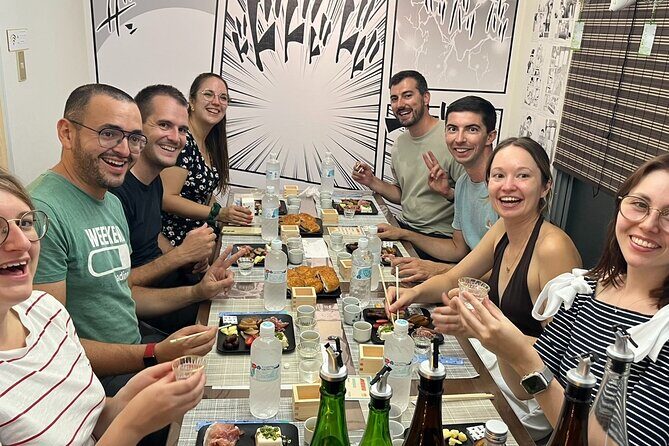
- English-led instruction focused on how sake is made and how to taste it
- 5–6 sake pours with temperature differences, including kanzake (hot sake)
- Snack pairings served alongside each tasting so you can notice flavor shifts
- Make-your-own masu cup using Japanese brush pens, yours to keep
- Small group size (max 8), which makes questions and conversation easy
- Manga atmosphere at Manga Dojo Tokyo, with a host involved in manga workshops
Entering The Ikebukuro Room Where Sake Meets Manga
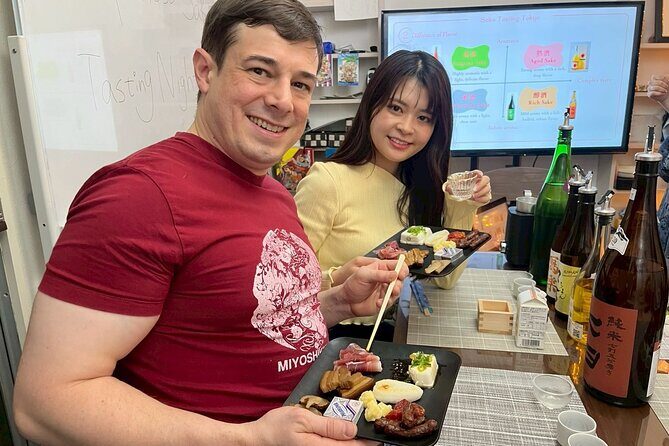
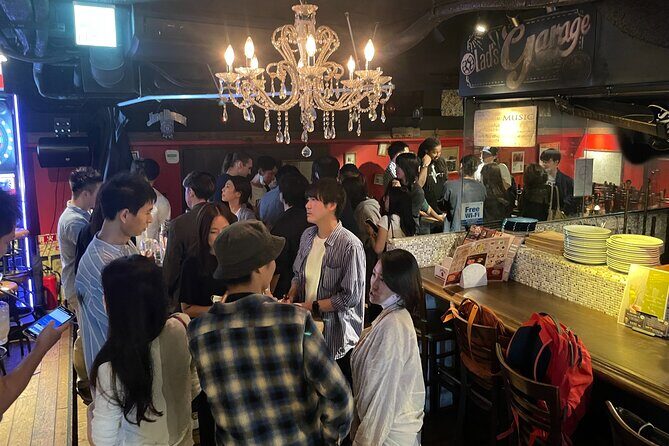
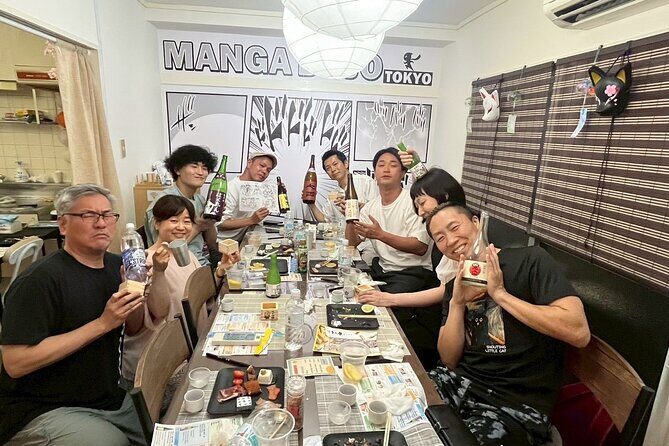
This experience doesn’t feel like a stiff tasting room. It’s held at Manga Dojo Tokyo, a creative venue near Ikebukuro Station, and the vibe comes from the setting as much as the sake. One review even described it as a room in an apartment near Animate, with a manga exhibit and a host who’s also tied to manga workshops.
That matters, because sake can feel intimidating if you only associate it with bottles in shops or fancy restaurants. Here, you’re guided through the basics first, then taste in order. You’ll get the sense that the point isn’t to impress anyone with tasting jargon—it’s to help you notice differences and figure out what you like.
You can also read our reviews of more food & drink experiences in Tokyo


Timing, Location, and Why the 1.5 Hours Works
The session starts at 6:00 pm and runs about 1 hour 30 minutes. That timing is practical in Tokyo: it slots nicely between daytime sightseeing and evening meals, and you’re not rushing through too many stops.
It’s also a small-group format (up to 8 people). In a setting like this, small groups tend to make the explanation stick. You can ask follow-ups, and the host can adjust pacing based on what you’re tasting.
The meeting point is Manga Dojo Tokyo:
Japan, 170-0013 Tokyo, Toshima City, Higashiikebukuro, 1-chōme 316 三昌ビル 602.
You’ll use a mobile ticket. Confirmation comes within 48 hours of booking, subject to availability. Also, this experience is popular enough that it’s often booked about 68 days in advance, so if you see a time that fits your schedule, it’s worth locking it in.
Your Guided Sake Tasting: 5–6 Styles and the Hot Sake Moment
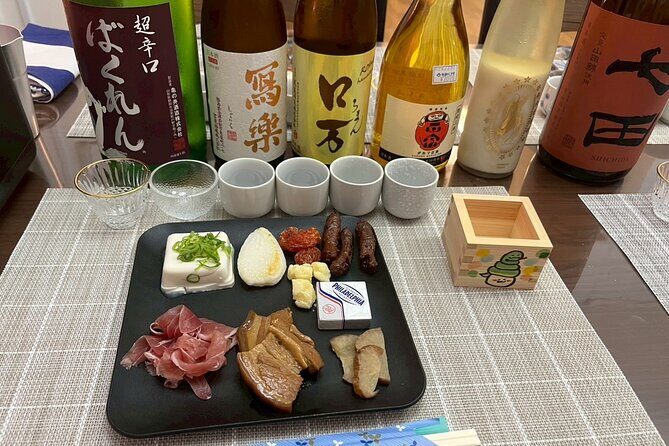
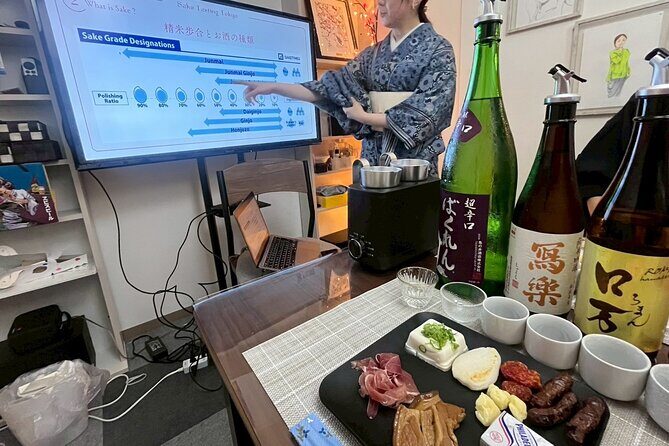
The tasting portion is the core of the evening, and you’ll sample 5–6 distinct sake varieties. The host explains the basics of sake—how it’s made and how to taste it—then you try each one with guidance.
Here’s what makes this more useful than a basic flight: you’re not only comparing flavors at one temperature. The lineup includes hot sake (kanzake), which is an important lesson for first-timers. Heat changes aroma and how flavors land on your palate, so you start realizing that sake isn’t one fixed taste. It’s a beverage that shifts with serving temperature.
If you’ve ever wondered why one sake tastes light and fruity while another feels more rounded or savory, this portion is where it clicks. The tasting order and the temperature contrast help you connect what you smell and taste to the style in the glass, instead of guessing randomly.
How the host keeps it understandable in English
The session runs in English, and the tone is friendly: clear explanations plus time to react. One review mentioned how even Japanese participants reacted with surprise at specific distinctions like the difference between ginjo and daiginjo. That’s a good sign you’re not getting a watered-down overview.
And from the reviews, the host’s personality shows up. One person specifically named Aki-san and noted that there was both sake tasting and manga-themed content in the room. That blend matters because it makes the learning feel like a conversation instead of a lecture.
Snacks That Teach Pairing, Not Just Filling Your Glass
You’ll be served light snacks alongside the sake. The important part is that the pairings aren’t random. You’re sampling so you can notice how food affects aroma and flavor perception.
That teaching-by-doing is highlighted in the feedback. One review said they were surprised by a pairing of curry bread and sake. It’s the kind of combo that sounds odd until you taste it—and then you remember that sake can work with flavors beyond the usual “Japanese appetizers” stereotype.
Another review emphasized that the appetizers were excellent and that the pairing choices helped them learn how different snacks work with different sake types. Even if you don’t remember every detail afterward, you’ll leave with a more confident sense of what to order next time.
You can also read our reviews of more drinking tours in Tokyo



What you should consider about food
There are two practical points:
- There’s no vegetarian or vegan option listed.
- Allergy-friendly options exist, but you have to inform them in advance if you have allergies.
If you’re allergic, don’t wait until you arrive. Message ahead so the snack choices can match your needs.
Decorating Your Own Masu Cup: Your Take-Home Keepsake
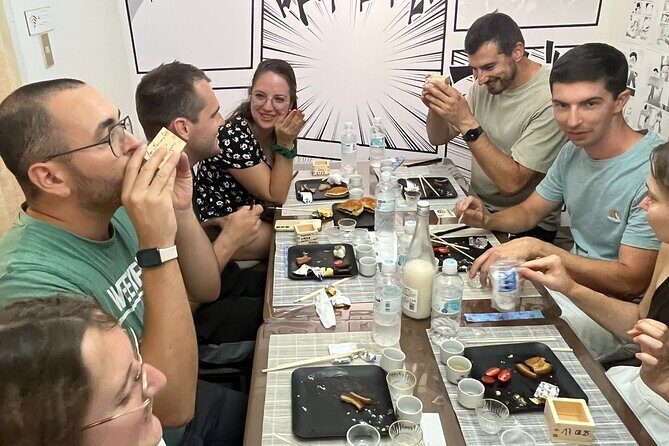
After the tasting, you switch from tasting mode to making mode. You decorate your own masu—a traditional wooden sake cup—using Japanese brush pens. This part is hands-on and creative, and it’s honestly a great fit after tasting because you’re using a different part of your brain.
This is also why the experience feels like more than a drinks lesson. Your decorated cup becomes a physical reminder of the styles you sampled and the flavors you liked. When you look at it later, it’s easier to remember what you enjoyed rather than leaving with just a mild buzz and vague impressions.
The brush-pen activity is simple enough for beginners, and it encourages you to slow down. If you’re the type who likes doing something with your hands while learning about culture, this is the best part to look forward to.
What You Get for $60: Value Through Instruction and a Take-Home Cup
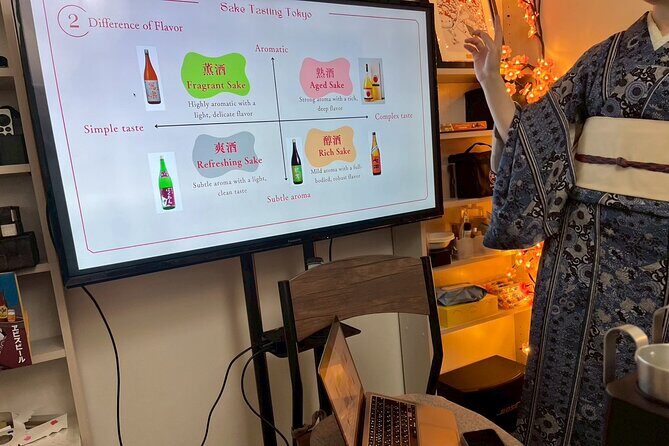
At $60 per person, you’re paying for a lot more than the sake itself. You’re getting:
- Guidance on sake basics and tasting technique
- 5–6 sake varieties
- Snack pairings
- A short, structured format that fits a busy Tokyo schedule
- A masu cup you decorate and keep
That’s the value equation. In Tokyo, buying single bottles on impulse is easy. The tougher part is learning what you like and how to order it again. Here, you taste across styles, then create a souvenir tied to the experience.
Also, the session is mobile-ticketed, scheduled at 6:00 pm, and capped at a maximum of 8 people. That small-group structure usually means you get more personal attention per minute, which matters when the point is learning (not just drinking).
Who This Sake and Masu Workshop Is Best For
This fits best if you:
- Want a guided introduction to Japanese sake without needing prior knowledge
- Like learning through taste plus short explanations
- Enjoy cultural activities that go beyond eating and drinking
- Prefer a smaller, calmer setting with conversation
It’s a strong pick for solo travelers because the group size is small and the activity structure keeps things moving. Couples often like it too because it’s interactive, not just sitting across a table. Small groups of friends also work well since you’ll compare impressions of different sake types.
If you’re a total non-drinker, this isn’t a perfect fit because alcohol tasting is central to the format. Also note Japan’s legal drinking rules: alcohol is prohibited for anyone under 20.
Should You Book Manga Dojo Tokyo’s Sake Evening?
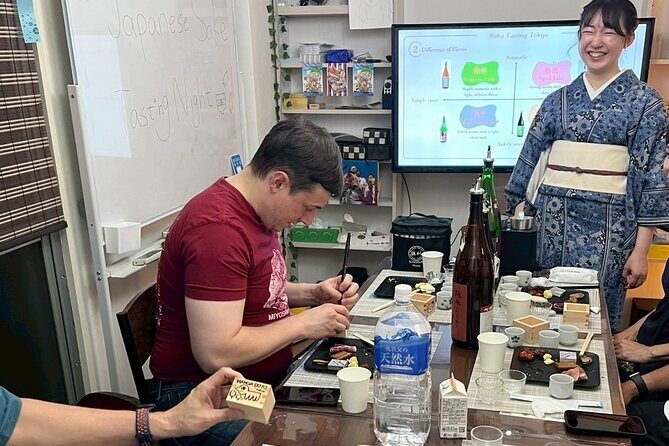
If you’re choosing between a random sake tasting and something that also gives you a take-home craft, I’d book this one. The combination of hot and chilled tasting, snack pairing, and a masu you decorate makes it feel complete for the time and price.
You might skip it only if:
- You need a vegetarian or vegan menu (none is listed)
- You have allergies and haven’t already planned to message in advance
- You prefer long formal tastings instead of a short, social, instruction-led session
One practical bonus: since there’s free cancellation up to 24 hours before the start, you can book with less stress and adjust if your Tokyo plans change.
FAQ
What do you taste during the session?
You’ll sample 5–6 different sake varieties, including hot sake (kanzake).
How long is the experience?
It lasts about 1 hour 30 minutes.
Is the tour in English?
Yes, the session is conducted in English.
Where do I meet?
You meet at Manga Dojo Tokyo, Japan, 170-0013 Tokyo, Toshima City, Higashiikebukuro, 1-chōme 316 三昌ビル 602.
Is there a vegetarian or vegan option?
No vegetarian or vegan options are offered.
Is there an age requirement for drinking?
Japanese law prohibits drinking alcohol for anyone under age 20.