REVIEW · NAGOYA
Nagoya: Shirakawa-go, Gujo, Hida Takayama Historic Day Tour
Book on GetYourGuide →Operated by WONDER STYLES CO.,LTD. · Bookable on GetYourGuide
Early buses, big scenery.
This Nagoya day tour turns three very different places into one smooth plan, with a live English/Chinese-speaking guide keeping you on track. I like that it’s structured enough to feel stress-free, but still gives you real breathing room to walk and take photos. My other favorite part is the range of scenery across the year, from snowy village nights to spring blossoms and autumn colors. The main thing to consider is the trade-off: it’s an 11-hour day, so your time at each stop is limited and traffic can shift schedules on weekends and holidays.
One part rural Japan, one part mountain town, one part preserved old streets.
That mix is exactly why a bus tour makes sense here—you’re not piecing together multiple transfers, and you still get the must-sees. Just know the tour doesn’t include meals or some key admission tickets, so you’ll want a little cash and a simple plan for what you’ll pay for on the ground.
If you’re choosing between DIY and a guided day, this tour is a practical middle road: comfortable transport, guided navigation, and seasonal highlights built into the route. And yes, if you go in winter, you really should plan for snow.
In This Review
- Key points to know before you go
- Getting from Nagoya: an 11-hour plan that starts fast
- Gujo Hachiman: a historic-feeling town with different faces by season
- Spring: river blossoms and craft streets
- Summer: Gujo Odori and night energy
- Autumn: red leaves and cozy shopping streets
- Winter: snow quiet and warm-looking craft corners
- Hida Takayama: old streets, festival timing, and a more relaxed pace
- Spring: massive float energy in April
- Summer: a cooler base for combining culture and comfort
- Autumn: fall foliage plus more festival spectacle in October
- Winter: snow streets paired with comfort food
- Shirakawa-go: gassho village with a four-season photo strategy
- Spring: thatched roofs return, fields wake up
- Summer: rice-green scenery around the thatched houses
- Autumn: after the harvest, gold meets mountain color
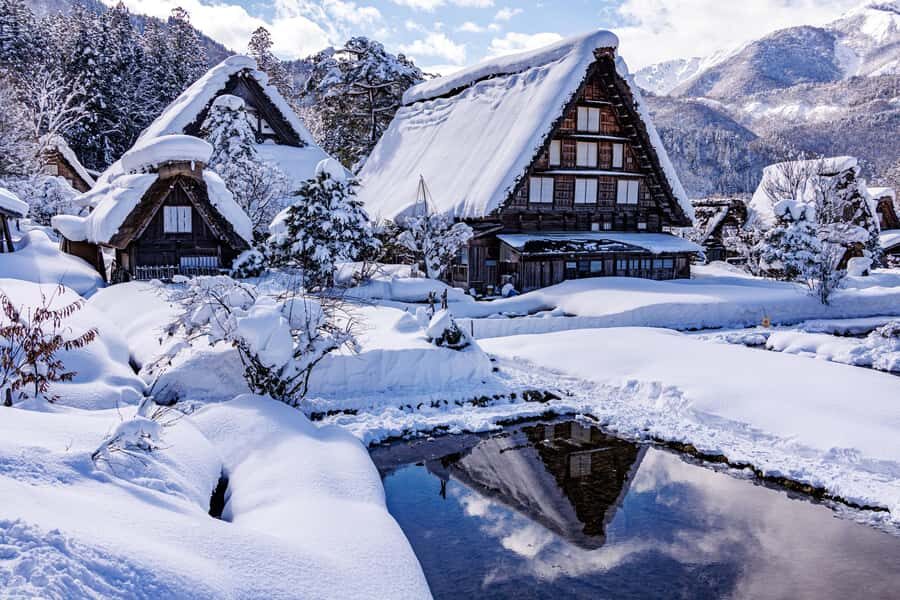
- Winter: snow-covered fairy-tale village and nighttime illumination
- Food and money: what’s included vs. what you’ll handle on your own
- How the day’s timing affects what you can enjoy
- Value check: is $61 a fair price for three towns?
- Who should book this tour (and who might skip it)
- Should you book the Nagoya: Shirakawa-go, Gujo, Hida Takayama Historic Day Tour?
- FAQ
- What time does the Nagoya tour meet and depart?
- Where is the meeting point?
- How long is the tour?
- Which language(s) is the guide available in?
- What is included in the price?
- Are meals included?
- Are tickets for Takayama Jinya and Gujo Castle included?
- What should I bring?
- Is the tour wheelchair accessible?
Key points to know before you go
- Three famous stops in one day: Shirakawa-go, Gujo Hachiman, and Hida Takayama without the headache of connections
- Seasonal “pick your mood” planning across winter snow, spring blossoms, summer festivals, and autumn foliage
- Guided stress relief with an English/Chinese live guide, plus time set aside for walking and photos
- Extra costs on-site: meals and certain admissions (like Takayama Jinya and Gujo Castle) are not included
- A real time crunch: you get free time, but it’s not a slow, linger-all-day kind of itinerary
Getting from Nagoya: an 11-hour plan that starts fast
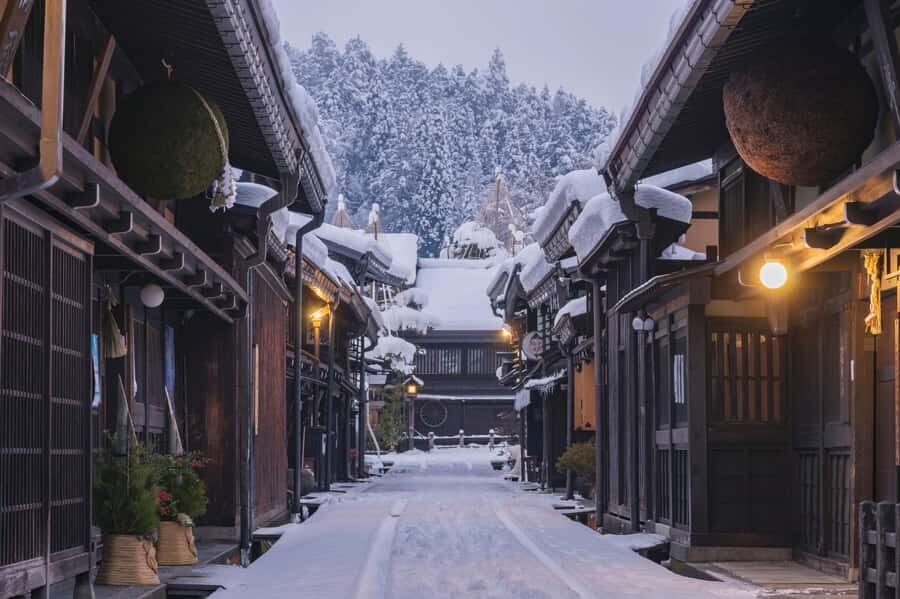
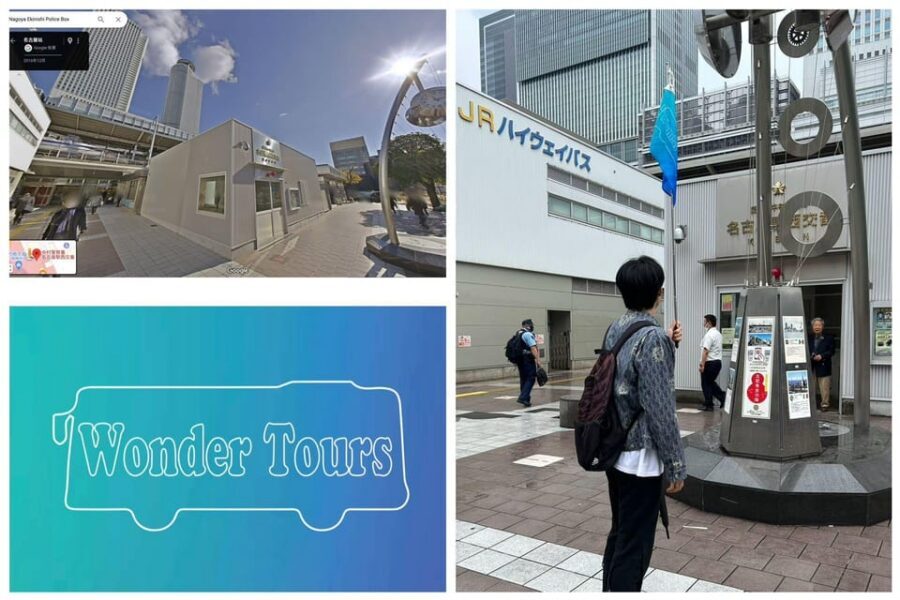
This tour departs early from the meeting point in front of the Nagoya Ekinishi Police Box (you’ll see a Wonder Tour flag). Meet-up is at 8:20, departure at 8:30, and you’re back at Nagoya Station later the same day. Expect the day to feel long but organized—your schedule is laid out so you can see a lot without spending your energy on logistics.
Transportation runs by bus/coach. The ride times between towns are short enough to stay comfortable, but long enough that the day can feel like one big loop: Nagoya → Gujo → Takayama → Shirakawa-go → back to Nagoya. The operator also notes that Japan regulates driver rest time, so your travel time can be adjusted. Translation: you’ll still keep moving, but don’t assume every minute will land perfectly on the clock.
Practical stuff you’ll thank yourself for:
- Bring cash for on-site purchases and any admissions you choose to add.
- Bring food since meals aren’t included.
- You can bring one suitcase (max 30kg) stored in the bus trunk. Don’t treat the trunk like a vault for valuables.
You can also read our reviews of more historical tours in Nagoya

Gujo Hachiman: a historic-feeling town with different faces by season
You’ll stop in Gujo for about 1 hour, which means this is a “walk and soak it in” moment more than a full exploration. The tour does include a guided approach and time to wander, so you can match your pace to the season.
What makes Gujo special is how the same place changes mood throughout the year:
Spring: river blossoms and craft streets
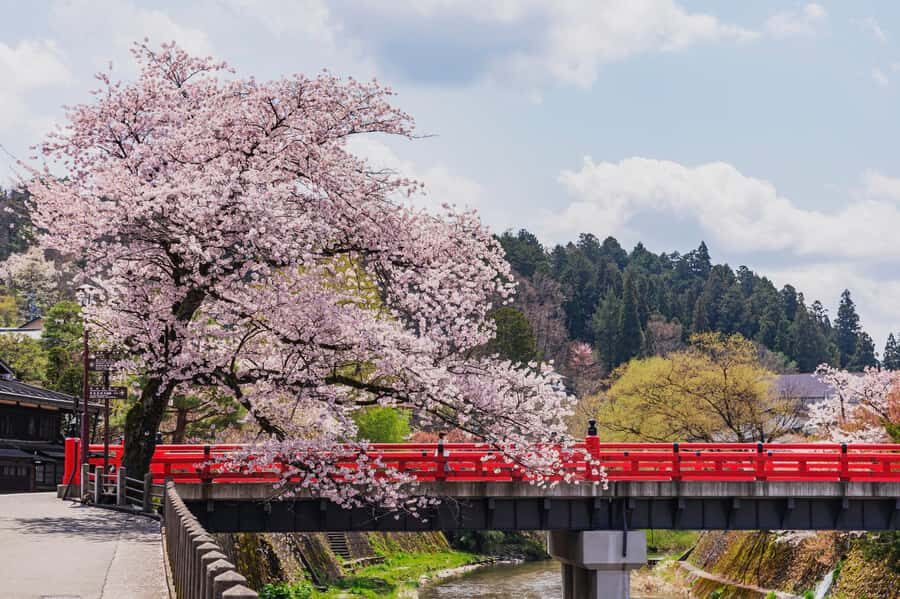
In spring, Gujo leans into cherry blossom season. The Yoshida River area and nearby craft streets are the kind of scenery that rewards a slow walk and a few photos from different angles. If you like the idea of old Japan with a softer, flowery atmosphere, spring is a strong choice.
Summer: Gujo Odori and night energy
Summer is when Gujo can feel almost electric. The big highlight is Gujo Odori, including the popular overnight dance. The tour’s timeline includes time for sightseeing and free time, so you’ll likely catch the town’s active vibe—especially if you’re traveling during the period when the festival is running. There’s also an emphasis on the cooler river atmosphere at night, which is a smart way to stay comfortable in warmer months.
Autumn: red leaves and cozy shopping streets
When autumn hits, Gujo turns into a red-leaf-and-crafts kind of day. You get the combination of mountain-town colors plus traditional shops and local food. With only one hour, you’ll want to pick a simple route: pick one main street to walk, then spend the rest of your time taking photos and grabbing a snack.

Winter: snow quiet and warm-looking craft corners
Winter is serene here. The historic streets take on a simple, snow-covered calm, and traditional crafts shops add warmth to the feel. One of the best pieces of advice for winter travel is straightforward: plan for snow and keep layers ready. A December trip described the experience as wonderful, but only because they came prepared for the conditions.
One note: Gujo’s castle admission is not included in the tour price. The stop is still great without it, but if castle time is a must for you, you’ll want to budget for tickets separately.
Hida Takayama: old streets, festival timing, and a more relaxed pace
Next comes Hida Takayama, with about 2 hours for visit and free time. That extra half hour versus Gujo matters—you’ll have more room to walk the older town streets and slow down.
Takayama is famous for festival culture, and the timing changes what you’ll experience. Even if you’re not there for the exact festival dates, the old-town layout makes it easier to enjoy the atmosphere.
Spring: massive float energy in April
In spring, the Spring Takayama Festival (April) brings float parades through the old streets. If you love seeing traditional craftsmanship in motion—wood, figures, and the sheer scale of the floats—this is a prime season.
Summer: a cooler base for combining culture and comfort
The tour notes summer weather as a reason families and visitors often find it easier to do more walking. Translation: you still get the old-town experience, but it’s not as punishing as some other regions in peak heat.
Autumn: fall foliage plus more festival spectacle in October
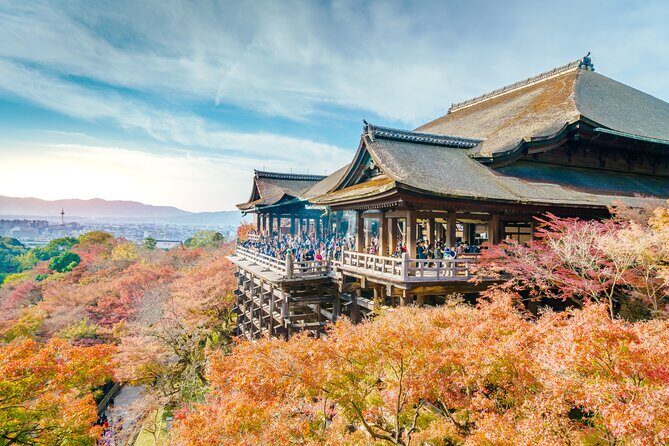
Autumn brings the Autumn Takayama Festival (October) and scenery that mixes red tones with the visual drama of festival floats. If you want classic Japan vibes—old streets, crisp air, and colors—this is another top pick.
Winter: snow streets paired with comfort food
Winter Takayama is built around cozy routines: snow-covered old streets plus the promise of Hida beef cuisine and the idea of pairing the day with hot springs. The tour itself doesn’t include meals or hot-spring time, but the seasonal story helps you plan your priorities for the day.
Also important: Takayama Jinya admission isn’t included. You can still enjoy Takayama’s streets, but if you want that specific site, bring extra budget.
Shirakawa-go: gassho village with a four-season photo strategy
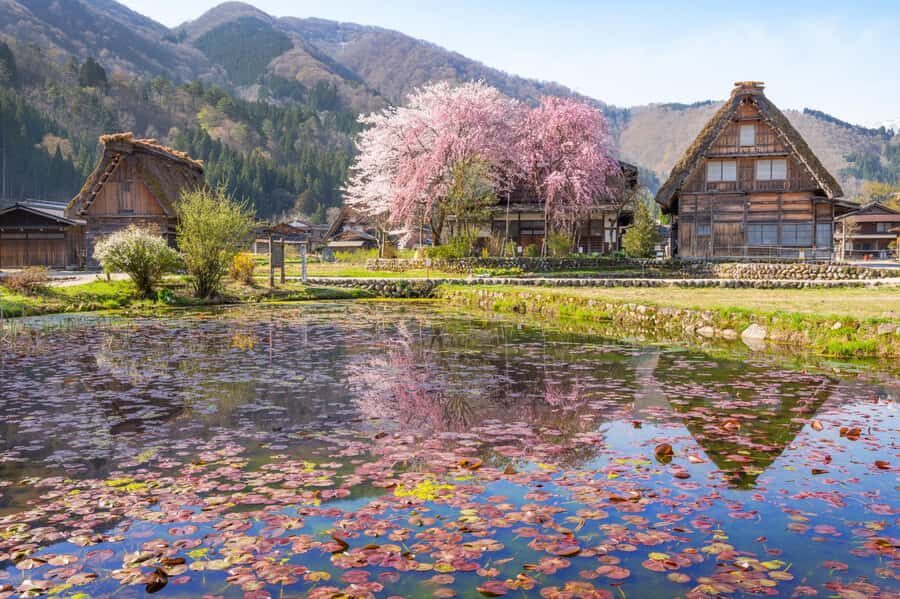
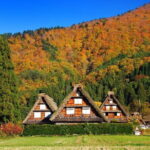
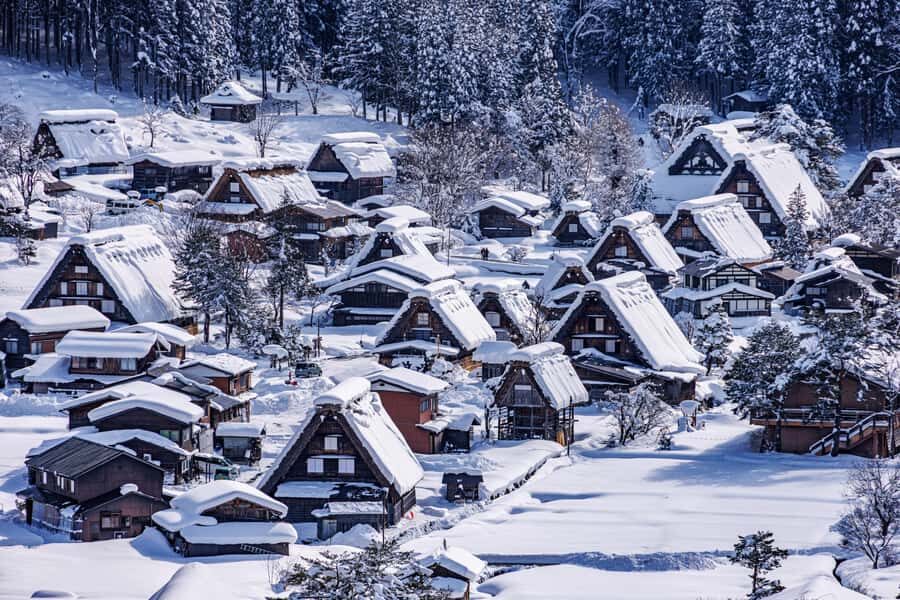
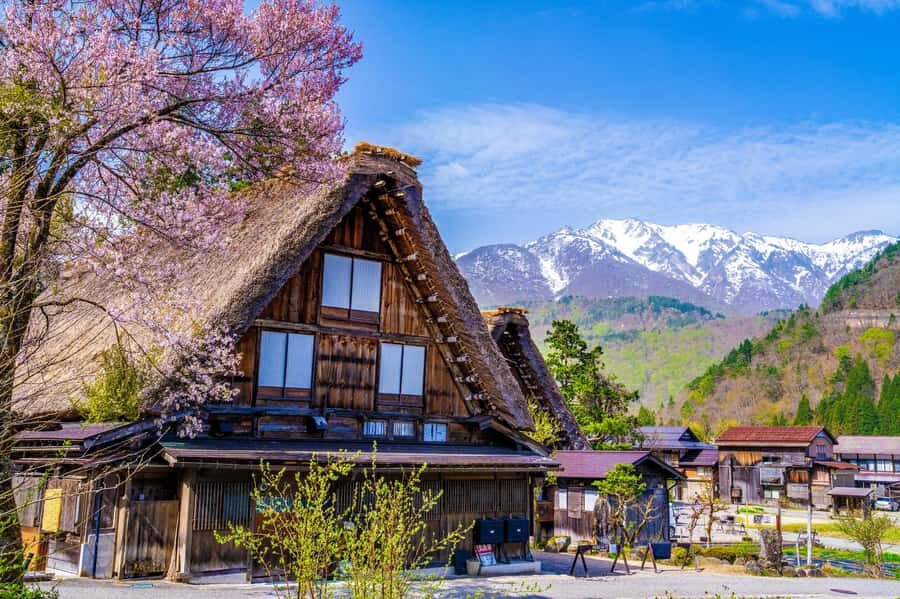
The highlight stop is Shirakawa-go, with around 1.5 hours total, including a photo stop. This is the kind of place where timing changes everything because the village’s famous thatched houses look wildly different across seasons.
You’re visiting a World Heritage Site, and the village layout is designed for walking and photographing from multiple viewpoints. Even with limited time, a focused plan makes a huge difference.
Spring: thatched roofs return, fields wake up
As snow melts, the thatched roofs reappear and rural fields start bursting with flowers. If your ideal photos include a softer, lighter countryside palette, spring is your season. The tour’s setup also makes it easier to move quickly from main views to background shots without getting lost.
Summer: rice-green scenery around the thatched houses
Summer frames the village with lush green rice paddies. That combination—dark wood and thatch against bright green—tends to look striking in daytime photos. This is also a good time if you want a classic countryside feel without snow gear.
Autumn: after the harvest, gold meets mountain color
Autumn blends golden fields and mountain foliage. It’s one of the best seasons for photos that show depth—foreground thatch, midground fields, and background mountain tones. If you like images that feel warm and grounded, plan for this time window.
Winter: snow-covered fairy-tale village and nighttime illumination
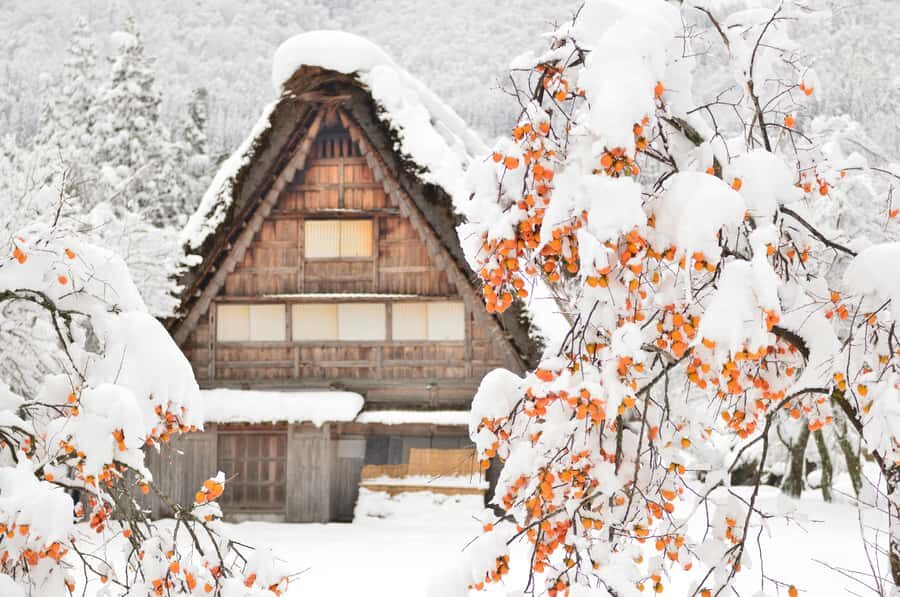
Winter turns the village into a snow-filled fairy-tale scene. The big seasonal draw is the nighttime illumination event from January to February, which the tour highlights as truly magnificent. If you go in December or January, keep your expectations realistic: snow can slow walking, and you’ll want to stay careful on paths and steps.
One practical point from experience with snow seasons: December travel can be beautiful, but it’s not the time to rely on light clothing. Layers, warm socks, and gloves aren’t “nice to have” here.
Food and money: what’s included vs. what you’ll handle on your own
The tour includes roundtrip transportation and an English/Chinese-speaking guide. That’s a big value piece on a long day. It means you’re not figuring out directions, timing, or where to go first once you arrive.
But meals and key admissions aren’t included:
- Meals and beverages: you’ll need to handle this yourself
- Takayama Jinya ticket: not included
- Gujo Hachiman Castle ticket (noted as Gujo castle admission): not included
Because meals are on you, I recommend a simple approach: bring snacks or something filling for the road, then pick one meal stop you really want during free time. That way you’re not spending every moment hunting for food when your schedule is already tight.
Also, bring cash. The tour explicitly says to bring cash, so treat that as your clue.
How the day’s timing affects what you can enjoy
This is a smart itinerary, but it’s still a bus day. You’ll get free time at each stop—about 1 hour in Gujo, 2 hours in Takayama, and 1.5 hours in Shirakawa-go. That’s plenty to see the main sights, but not enough to go deep into every corner or add extra long detours.
Two reality checks to keep your expectations aligned:
- Traffic and bus driver work-hour rules can shift timing, especially on weekends and holidays. The operator even notes that site time may be adjusted due to road conditions.
- If you show up late, you can’t rely on the group waiting—refunds or changes won’t apply if you arrive late or don’t arrive.
So how do you make this work well for you?
- Decide what matters most at each stop: photos, a specific site, or just walking the old streets.
- Keep your daypack small so you can move fast.
- In winter, plan for slower walking and shorter photo sessions if conditions get slippery.
Value check: is $61 a fair price for three towns?
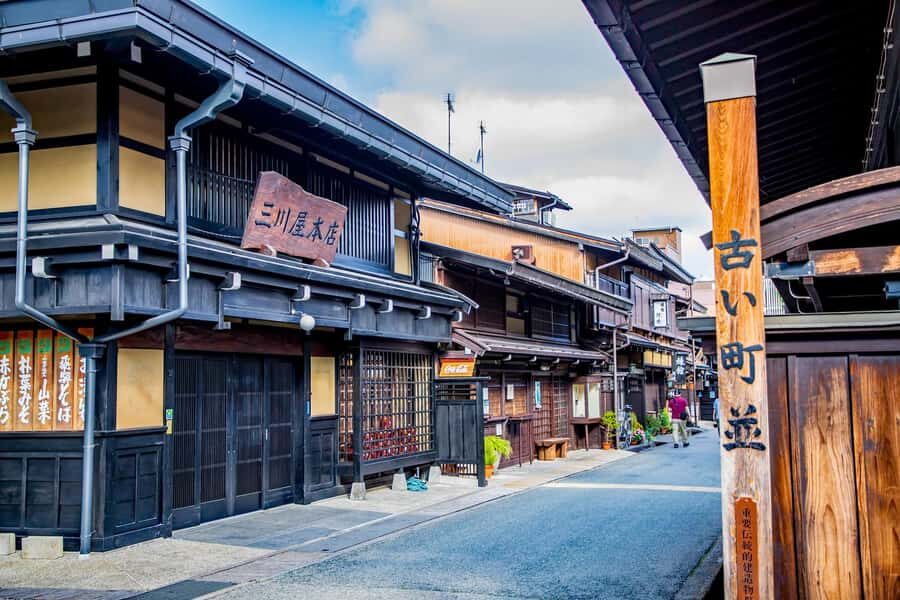
At $61 per person for an 11-hour day that includes transportation plus a bilingual guide, the value is strongest if you’d otherwise struggle with getting from Nagoya to all three places efficiently. On this route, the “you don’t have to coordinate anything” part matters.
Where the price can feel less complete is what you add yourself:
- meals
- tickets for Takayama Jinya and Gujo castle
- souvenirs
Still, that’s normal for day tours. The big win is that you’re getting a guided route that hits multiple headline destinations without you building the plan from scratch.
If you want maximum time in one place, then yes, this might feel rushed. But if your goal is to check off Shirakawa-go + Takayama + Gujo in one shot, this is a practical and cost-effective way to do it.
Who should book this tour (and who might skip it)
This tour is a good match if you:
- want a guided day trip instead of complicated train transfers
- enjoy seeing seasonal Japan—especially if you like the idea of different photos in different months
- prefer structured free time rather than trying to plan every minute
It might not be ideal if you:
- want lots of museum time or long meals at each destination
- hate time limits and prefer slow travel
- want admissions included in the base price
Should you book the Nagoya: Shirakawa-go, Gujo, Hida Takayama Historic Day Tour?
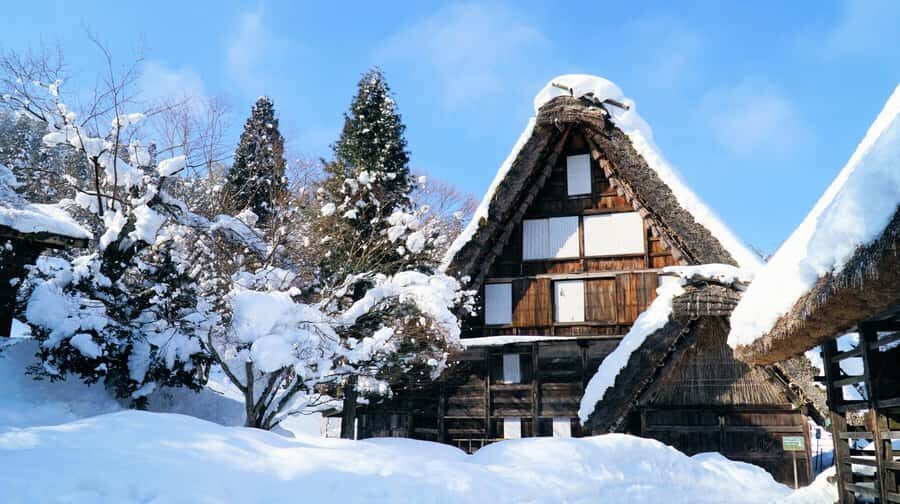
I’d book it if you’re aiming for a “big highlights” day with minimal planning effort. The combination of World Heritage Shirakawa-go, old streets in Hida Takayama, and the season-driven vibe of Gujo Hachiman is exactly what makes this route worth doing by bus.
Go with a little realistic mindset: bring cash, bring food, and treat free time as photo-and-walk time, not a multi-hour wander session. If you do that, you’ll come away with the kind of day-trip memories that feel complete.
And if you’re traveling in winter, take the snow prep seriously. It turns the village into something special, but only if you’re ready for the conditions.
FAQ
What time does the Nagoya tour meet and depart?
Meet-up is at 8:20, and the bus departs at 8:30.
Where is the meeting point?
You meet in front of the Nagoya Ekinishi Police Box, and the guide will be holding a Wonder Tour flag.
How long is the tour?
The tour duration is 11 hours.
Which language(s) is the guide available in?
The live guide offers English and Chinese.
What is included in the price?
Roundtrip transportation and an English/Chinese-speaking guide are included.
Are meals included?
No. Meals and beverages are not included, so you’ll need to plan food separately.
Are tickets for Takayama Jinya and Gujo Castle included?
No. Takayama Jinya admission and Gujo castle admission are not included.
What should I bring?
You should bring food and cash.
Is the tour wheelchair accessible?
Yes, the tour is wheelchair accessible.