REVIEW · OSAKA
Osaka Okonomiyaki Cooking Experience!
Book on Viator →Operated by C Flat - Okonomiyaki cooking experinece! · Bookable on Viator
Osaka’s comfort food starts with your hands. This small-group okonomiyaki cooking class in a local hostel (near Nagahoribashi) lets you cook Osaka-style savory pancakes and miso soup with the host, Keiko and her family, and city locals invited into the mix. I love the personal pace of a max 6-person class and the easy conversation that makes the food feel like part of everyday Osaka life. One heads-up: ingredients can include refined sugar, and there’s a real chance of cross-contamination since it’s a shared group cooking space.
Keiko runs this since 2015, and the vibe stays relaxed: you cook, you ask questions, and then you sit down together to eat what you made. The class starts at 4:00 pm, lasts about 2 hours, and it’s set up so you can repeat the dish at home with a simple method.
In This Review
- Key Highlights You’ll Actually Care About
- Entering Keiko’s Hostel Kitchen by Nagahoribashi
- The Main Event: Miso Soup and Osaka-Style Okonomiyaki
- What Happens During the 2-Hour Session (Without the Hype)
- Small Group Means Personal Attention (and Better Conversation)
- Dietary Requests: Yes, But Read the Fine Print
- The Fun Extras: Aprons, Handmade Bags, and Useful Take-Home Info
- Price and Logistics: Is $49.55 Good Value?
- Who Should Book This Class (and Who Might Not)
- Should You Book This Osaka Okonomiyaki Class?
- FAQ
- How long is the Osaka okonomiyaki cooking class?
- What group size should I expect?
- Where do I meet for the class?
- What will we cook and eat during the class?
- Can the class accommodate dietary needs like vegan or halal?
- Is there an option to do the class at night?
- What kind of ticket do I receive?
- What is the cancellation policy?
Key Highlights You’ll Actually Care About
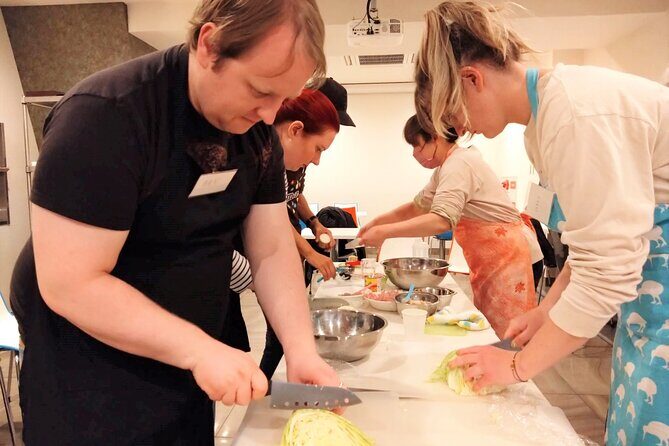
- Small group size (max 6) for real hands-on help
- Osaka-style okonomiyaki plus miso soup, cooked from scratch
- Local conversation included, not just cooking instructions
- Dietary requests can be supported (vegan/vegetarian/halal), with clear notes about sugar and cross-contact
- Keiko teaches the simplest at-home method, and you may get written info after the class
- Fun extras, including kimono-material aprons and small handmade bags
Entering Keiko’s Hostel Kitchen by Nagahoribashi
This class meets at 1-chōme-1-3 Higashishinsaibashi, Chuo Ward, and it’s close to public transport (you’ll be near Nagahoribashi subway). Starting in a hostel setting changes the feel right away. You’re not shuttled between attractions, and you’re not stuck watching from the sidelines in a restaurant kitchen.
The time is set for an afternoon start: 4:00 pm. And if you’re traveling on a schedule that hates afternoon plans, there’s also the option for a night class depending on the days. The activity ends back at the same meeting point, which keeps your evening simple.
The environment matters. A hostel kitchen is casual, practical, and built for people to mingle. That makes it easier to ask questions mid-cook instead of saving them for the end.
You can also read our reviews of more cooking classes in Osaka
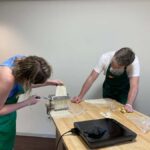
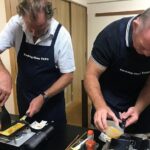
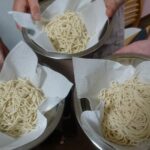
The Main Event: Miso Soup and Osaka-Style Okonomiyaki
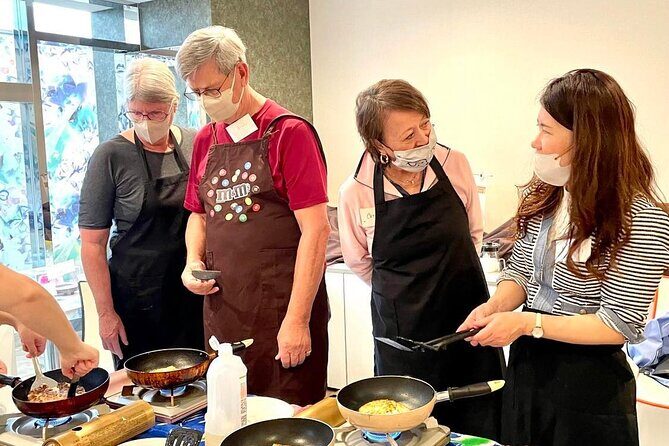
You come to class wondering if you’ve had okonomiyaki already. You leave knowing how to make it the Osaka way. The menu centers on two hits:
1) Miso soup
It’s not just a side. It sets the stage for how Japanese meals balance flavors, and it’s part of the home-style learning goal: you’ll leave with the basics you can repeat.
2) Okonomiyaki, Osaka-style savory pancakes
Keiko teaches what she calls the simplest method so you can cook at home. In class, you don’t just learn ingredients and theory. You cook as a group, with guidance as you go.
One useful detail from the teaching style: you’ll also hear how this dish can vary by region, including comparisons to Hiroshima-style okonomiyaki. That helps you understand what you’re tasting instead of treating it like a one-off snack.
What Happens During the 2-Hour Session (Without the Hype)
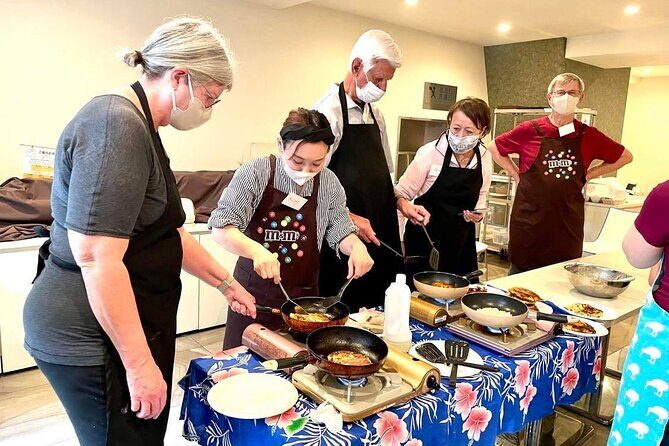
Expect a smooth flow built around doing, not watching.
First, you’ll get oriented in the hostel space and meet your host team. In the reviews, Keiko is consistently described as patient and clear, with Sachiko also helping during the cooking. This matters because okonomiyaki is a hands-on dish—small technique differences affect the final texture.
Then you’ll cook miso soup and move into your okonomiyaki batter and toppings. You’ll learn how to put it together step by step, and you’ll likely be able to adjust based on your needs. The class is designed so you can ask questions while you’re actively cooking, which is when most people learn fastest.
Finally, you sit down and eat what you made together. Many classes like this end with a rushed bite somewhere nearby. Here, the setup encourages you to slow down: eat, chat, and make sense of what you just cooked.
Small Group Means Personal Attention (and Better Conversation)
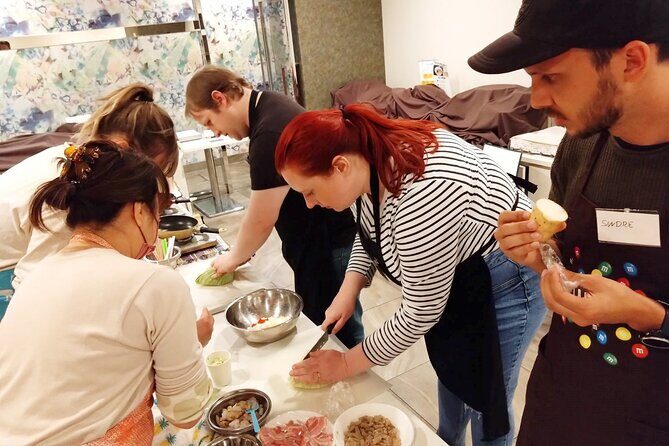
This is capped at 6 travelers, and that small number shows up in how the class feels. With a bigger crowd, someone always falls behind. With this group size, you get more than just general instruction—you get correction when you need it.
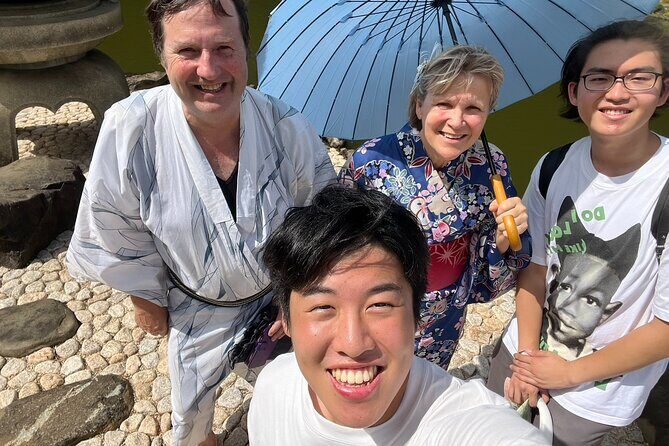
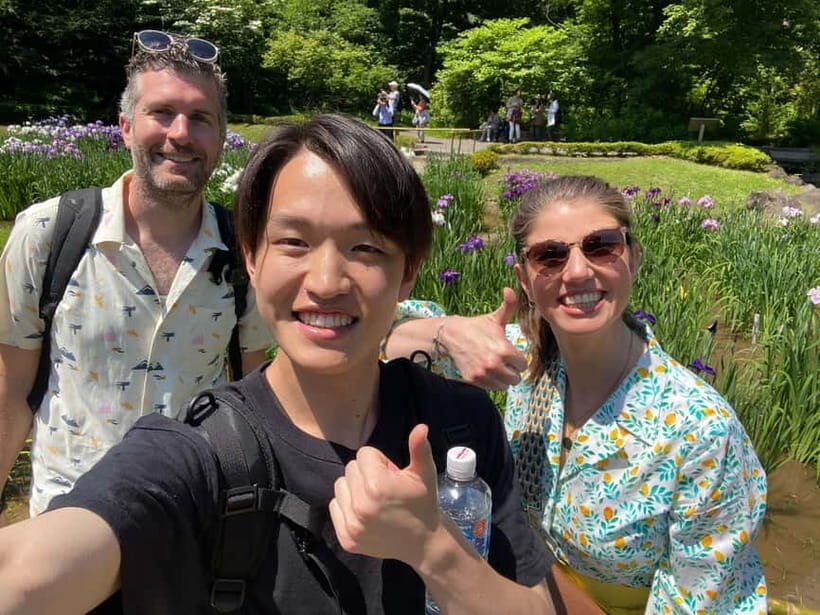
Reviews repeatedly point to the same pattern: Keiko teaches, her family supports, and everyone still gets time to interact. There’s a social element built into the meal. Reviews mention locals being invited, and even people who arrived alone found it easy to talk without awkwardness.
If you want a class where you can practice everyday Japanese in a low-pressure way, this kind of hostel-based language setting can help. Reviews also mention opportunities to practice and share experiences, which is a big part of the value.
Dietary Requests: Yes, But Read the Fine Print
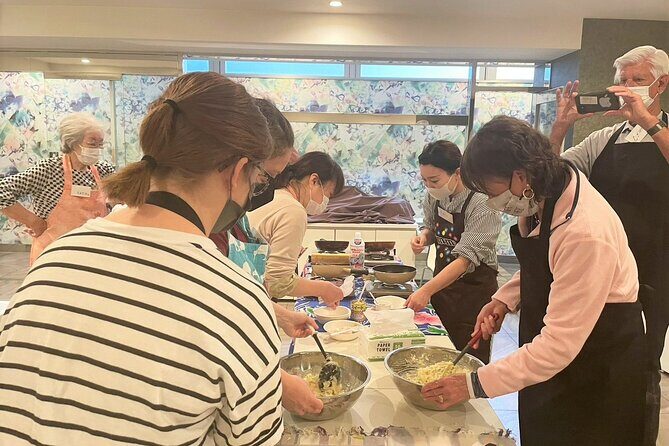
This is one of the most helpful parts of the class description: Keiko says she can accommodate requests such as vegan, vegetarian, and halal. That’s a strong point if you’re trying to avoid playing guessing games with ingredients in a busy Osaka restaurant.
Now the realistic part. The class notes that:
- Ingredients may contain refined sugar
- There’s a possibility of cross-contamination because it’s a group lesson
So if your dietary needs are strict for medical reasons, don’t treat this like a private, fully segregated cooking studio. Instead, message your needs clearly before the day arrives and ask what can be adjusted.
Good sign: the teaching style includes options, and reviews describe strong catering for at least some vegan participants. Still, the cross-contact note stays important.




The Fun Extras: Aprons, Handmade Bags, and Useful Take-Home Info
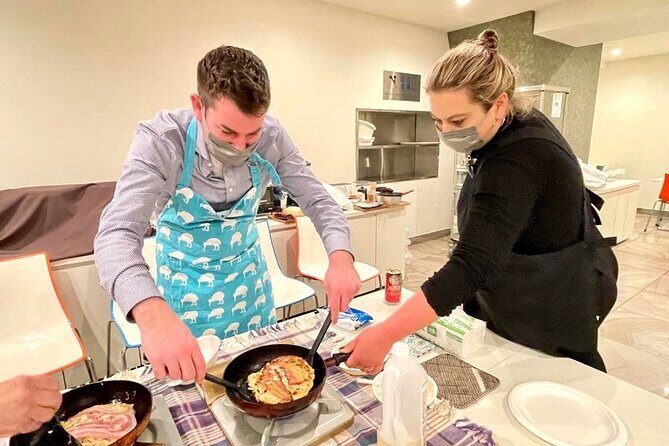
Cooking classes are often either educational or fun. This one tries to be both.
You may get to wear an apron made from kimono material. Multiple reviews mention cute, handmade items as souvenirs, including small bags made from used kimono fabric. One person even described receiving a free tote bag gift.
But the best “take-home” is what you can actually reproduce. Keiko teaches you a simplified at-home approach, and at least some participants report receiving written information after the class. One review also notes they wanted the recipe and hadn’t received it yet, so I’d treat the written info as something you should follow up on if it’s not sent promptly.
Practical takeaway: the at-home method is the point. If you’re the type who buys ingredients at home only to forget the steps, this class is built to prevent that.
Price and Logistics: Is $49.55 Good Value?
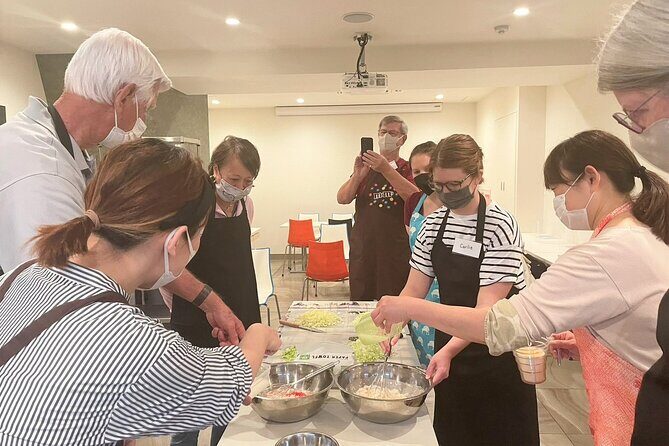
At $49.55 per person for about 2 hours, this class can be good value if you care about three things: hands-on cooking, eating together, and learning how to make a dish you’ll actually repeat.
Here’s why it pencils out:
- It’s a small group with personal guidance (not a big ticket “watch and snack” model).
- You cook miso soup and okonomiyaki and get to eat what you make.
- You’re paying for more than food. You’re paying for the teaching and the local conversation factor that turns dinner into a cultural moment.
If you just want the cheapest possible okonomiyaki, street stalls will beat this price. But if you want an easy, structured way to learn Osaka-style technique and then bring it home, this is a sensible use of money.
Also keep timing in mind: the experience is typically booked around 45 days in advance on average. If you’re traveling during a busy stretch, don’t wait until the last minute.
Who Should Book This Class (and Who Might Not)
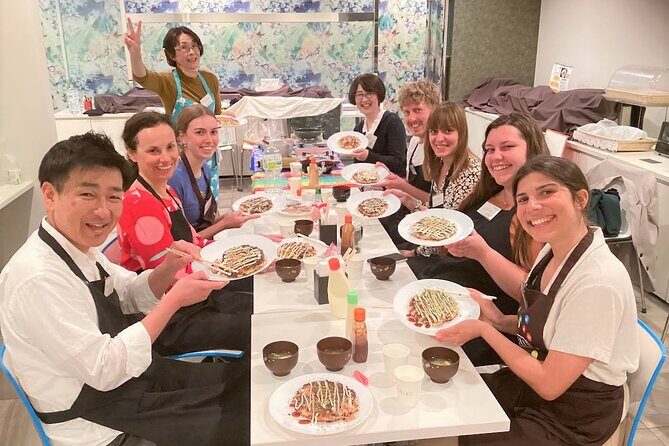
This is ideal for:
- People who love food but also want a clear method they can repeat at home
- Solo diners who want conversation without needing to force it
- Couples or families who like a relaxed, friendly group pace
- Anyone interested in Osaka food beyond the usual restaurant scenes
It might be less ideal if:
- You’re only interested in sampling lots of different dishes and don’t want a structured class
- You need strict dietary safety guarantees with zero cross-contact risk
The class isn’t trying to be flashy. It’s trying to be useful.
Should You Book This Osaka Okonomiyaki Class?
If you’re in Osaka and you want an experience that mixes cooking skill with real local conversation, I think this is a smart choice. The small group size, hands-on pace, and focus on the simplest at-home method make it feel like more than just dinner.
I’d book it if you’re comfortable with a shared cooking environment and you’re willing to plan around the notes about sugar and cross-contamination. If that fits your needs, you’ll leave with okonomiyaki technique you can actually use back home, plus a story that starts with Osaka comfort food and ends with people you met in the kitchen.
FAQ
How long is the Osaka okonomiyaki cooking class?
It runs for about 2 hours.
What group size should I expect?
The experience is limited to a maximum of 6 people.
Where do I meet for the class?
You’ll meet at 1-chōme-1-3 Higashishinsaibashi, Chuo Ward, Osaka, near Nagahoribashi subway station.
What will we cook and eat during the class?
You’ll learn simple recipes for miso soup and Osaka-style okonomiyaki, and you’ll eat what you cook.
Can the class accommodate dietary needs like vegan or halal?
You can request vegan, vegetarian, or halal accommodations. The experience also notes that ingredients may contain refined sugar and there is a possibility of cross-contamination due to group lessons.
Is there an option to do the class at night?
Yes, a night option may be available depending on the day.
What kind of ticket do I receive?
You receive a mobile ticket.
What is the cancellation policy?
Free cancellation is available if you cancel at least 24 hours before the start time for a full refund. If you cancel less than 24 hours before, the amount paid is not refunded.