REVIEW · TOKYO
1 Day Private Charter Tokyo Tour (Green Number Plates)
Book on Viator →Operated by Live Nippon · Bookable on Viator
One day. Tokyo hits hard. This private green-number-plate charter helps you skip the train shuffle and ride in air-conditioned comfort while an English-speaking guide explains what you’re seeing (and why it matters).
I love the sense of control. You’re not stuck with the clock or the crowd—you can linger when something grabs you, like the temple streets in Asakusa or the hush at Meiji Jingu. I also love the guide approach: in past days with guides such as Ahmed and Zia, the day stays clear and organized, with English that’s easy to follow.
The one thing to plan for: it’s a packed highlight run, and entry fees aren’t included at some stops (so extras can pop up if you want to go inside).
In This Review
- Key highlights worth knowing
- Why a private charter with a green number plate feels like Tokyo on easy mode
- The “big day” route: how the 8 hours actually plays out
- Asakusa: Senso-ji and Nakamise Street snack street therapy
- Tokyo Skytree time: skyline views if you’re paying the entry
- Imperial Palace area: quick context with light walking
- Meiji Jingu: where Tokyo slows down for a reset
- Harajuku’s Takeshita Street: fashion chaos, easy people-watching
- Shibuya Crossing and Hachiko: the movie-poster reality check
- Shinjuku Gyoen National Garden: the best garden stop in season (and not cheap if you want in)
- Guide support: how “driver also guides” can shape your experience
- What you’re paying for: $400 per group up to 5 people
- Best fit: who this private Tokyo charter is made for
- Practical tips to get more from your 8-hour day
- Should you book this private Tokyo charter?
- FAQ
- How much does the private Tokyo charter cost?
- How long is the tour?
- Is hotel pickup included?
- What’s included in the price?
- Are entry tickets included for the attractions?
- What happens if weather is poor?
Key highlights worth knowing
- Air-conditioned private vehicle so Tokyo traffic turns from a problem into just another part of the day
- English-speaking guide support for context, not just directions
- Classic Tokyo mix: temples, shrines, neighborhoods, and skyline views
- Made-for-limited-time pacing with frequent, short stops you can actually handle
- Rain plan in real life, with advice and alternates when weather changes your walking comfort
- Some paid attractions like Tokyo Skytree and Shinjuku Gyoen, so budget for entry if you want them
Why a private charter with a green number plate feels like Tokyo on easy mode
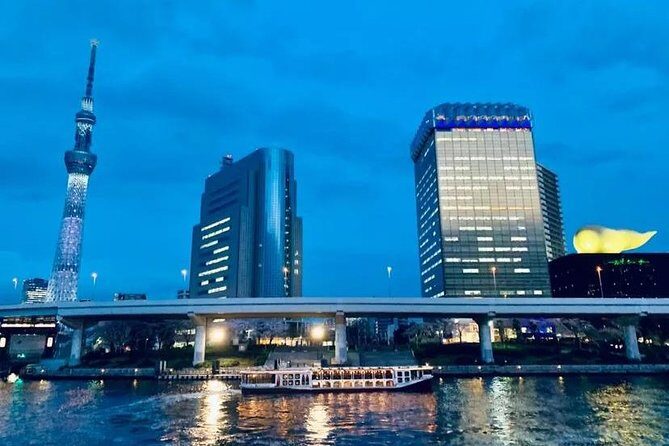
Tokyo can be gorgeous and chaotic in the same breath. The biggest win here is simple: you ride together in an air-conditioned vehicle with a guide-led plan, so you’re not constantly figuring out transfers, platforms, and rail crowding.
For first-timers, this matters. When you’re new to the city, the challenge isn’t just seeing sights—it’s understanding where things sit relative to each other. Private transport helps you get that mental map fast, especially when the day includes both older neighborhoods (Asakusa) and modern icons (Shibuya, Takeshita Street).
Also, you don’t have to treat the whole day like a checklist. Because it’s private, you can adjust timing to your group’s energy level. In real bookings, guides like Ahmed and Zohaib were praised for staying flexible—meaning the day doesn’t fall apart the moment weather or personal interests change.
You can also read our reviews of more private tours in Tokyo



The “big day” route: how the 8 hours actually plays out
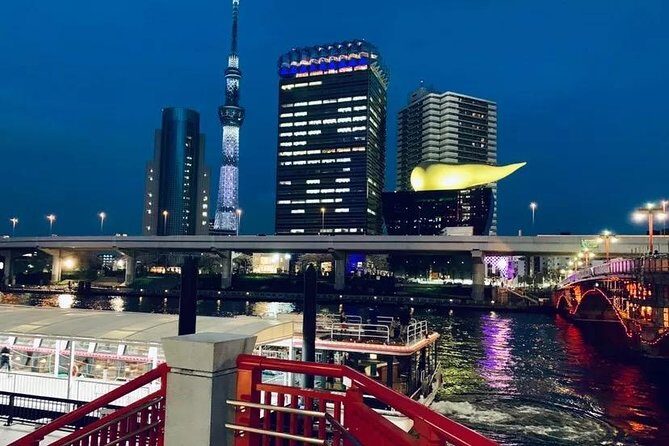
You’ve got about 8 hours for a very “Tokyo sampling platter” day. The stops are spread across central Tokyo in a way that keeps you from zig-zagging endlessly. Think: you’re moving in clusters—Asakusa first, then shifting west/south toward Shibuya/Harajuku, then up toward Shinjuku’s garden area.
That flow is useful for you because it reduces decision fatigue. You don’t have to pick between a temple morning or a neighborhood afternoon. You get both, plus landmark photo stops that anchor the day—like Shibuya Crossing and Hachiko—without forcing you into marathon walking.
Still, it’s not a slow stroll tour. You’ll cover a lot of ground, with most stops lasting around 10–60 minutes. If your group wants long, unhurried museum-style time, you may feel the pace. If you want a strong first overview, it’s a good match.
Asakusa: Senso-ji and Nakamise Street snack street therapy
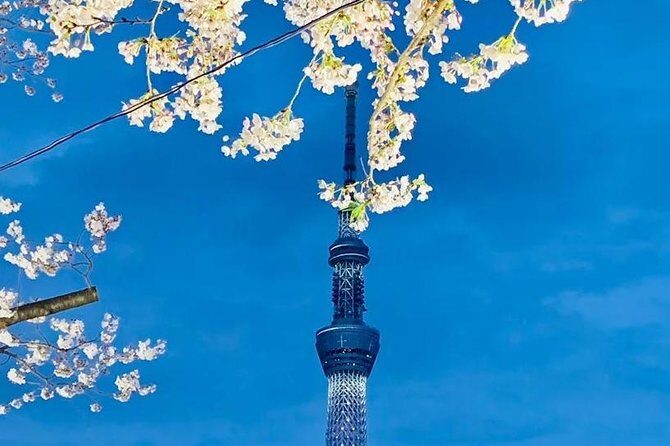
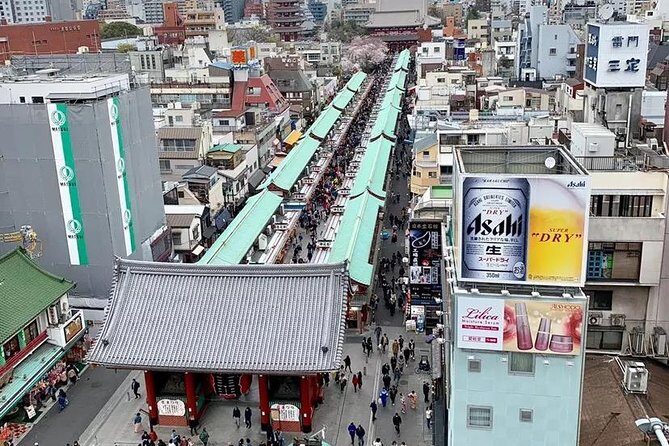
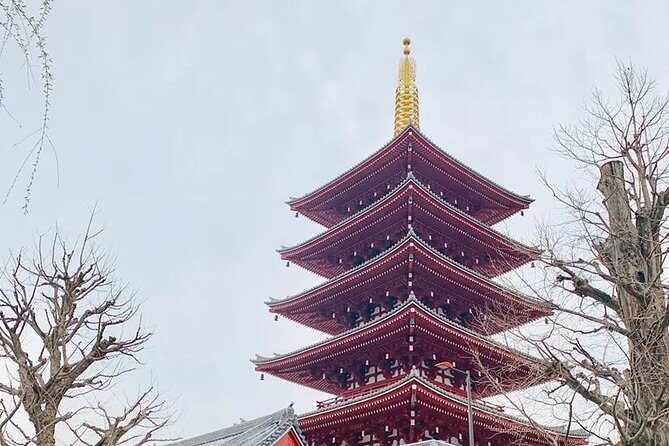
Your day often kicks off at Senso-ji Temple in Asakusa. This is one of Tokyo’s signature Buddhist temples and a great place to start because the whole area has that old-town energy: incense, lanterns, and the sense that you’re stepping into a different Tokyo layer.
Expect about an hour here, with the temple itself included at no entry cost. That’s a smart move early in the day because you’re likely still fresh and ready to soak in the atmosphere before the crowds and heat fully kick in.
Then you’ll hit Nakamise Shopping Street near Kaminarimon. This is the classic approach to Senso-ji—the street of snacks, souvenirs, and quick browsing. It’s usually short (around 15 minutes), which is good. You get the vibe and a few essentials without turning it into a full shopping session.
Tip for your day: If you enjoy taking photos, Asakusa is prime. Plan to move at a gentle walking pace, even if you’re tempted to sprint for the biggest shots. You’ll catch more details than you think.
Tokyo Skytree time: skyline views if you’re paying the entry
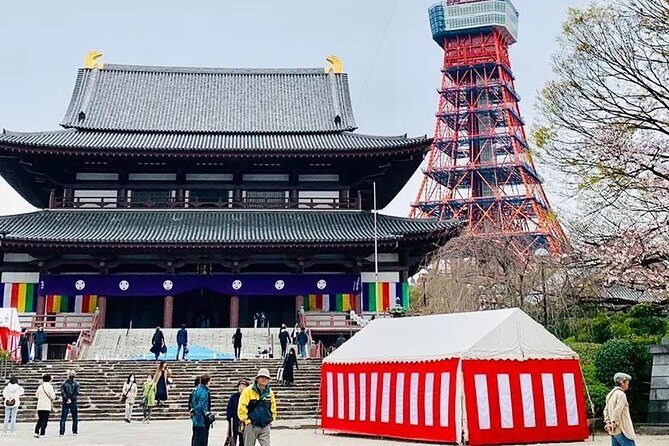
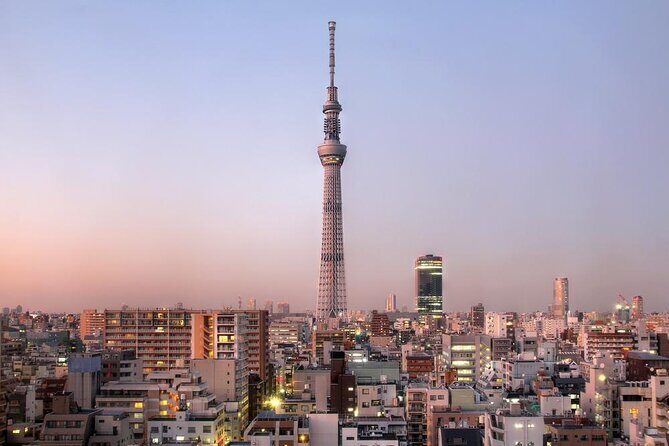
Next up is Tokyo Skytree, which is one of the city’s major skyline anchors. The time set aside is about an hour, but here’s the key point: entry is not included.
So, you should treat Skytree as a choice. If seeing Tokyo from above is your thing—and you want those panoramic angles—this is worth budgeting for. If your group prefers cultural sites and street-level Tokyo, you might skip going up and just use the time as a transition point.
One reason Skytree can feel extra worthwhile on a private day: you’re not burning time fighting for train connections. You can arrive, decide quickly, and keep moving.
Imperial Palace area: quick context with light walking

The day includes the Imperial Palace area, usually with a small walk outside. The time set aside is short (around 10 minutes), and entry is free.
This stop works best as a context anchor. It’s not the kind of place you “master” in 10 minutes, but it gives you a reference point for Japan’s modern story. If you’re the type who likes your city-sightseeing with a little meaning, this tiny section pays off.
If you want more time here, you can ask your guide about adjusting your plan—private days are built for that kind of request.
A few more Tokyo tours and experiences worth a look




Meiji Jingu: where Tokyo slows down for a reset
Then you shift to Meiji Jingu Shrine, dedicated to Emperor Meiji and Empress Shōken. The stop is typically about 30 minutes, and entry is free.
Meiji Jingu is one of those places that balances perfectly with everything else in the day. After temples and shopping streets, it offers a calmer rhythm: tree-lined paths, a more “inward” feeling, and a sense that you’re stepping away from traffic noise even though you’re still in Tokyo.
This is also a great stop for photos that feel more peaceful than postcard-posed. You’ll often find that spending a little more time here makes the rest of the day easier.
Harajuku’s Takeshita Street: fashion chaos, easy people-watching
You’ll have time at Takeshita Street in Harajuku, usually around 30 minutes. It’s pedestrian, full of fashion boutiques, cafes, and quick-hit shopping energy.
This stop is valuable for you even if you don’t buy anything. It’s a fast way to experience how Tokyo youth culture looks and moves, and it helps you understand why Shibuya later feels like the future.
Also, short timing is smart. Takeshita Street can keep pulling you forward, and that’s fun—just know you only have a limited window before the day shifts gears.
Shibuya Crossing and Hachiko: the movie-poster reality check
You’ll get to Shibuya Crossing (about 15 minutes). It’s a famous intersection that shows up in pop culture a lot, and the benefit of seeing it in person is that you can feel how Tokyo organizes movement so people can flow instead of collide.
Then you’ll visit Hachiko, the famous dog statue associated with Shibuya Station. Plan around 30 minutes. It’s an easy, meaningful photo stop, and it gives your day a human story in the middle of all the landmarks.
This pair works well back-to-back. Crossing gives you the modern Tokyo icon. Hachiko adds warmth and tradition, even though you’re standing in the middle of city speed.
Shinjuku Gyoen National Garden: the best garden stop in season (and not cheap if you want in)
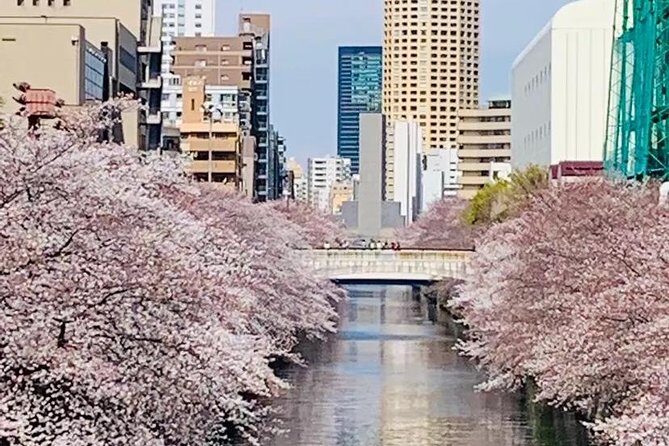
The day ends with Shinjuku Gyoen National Garden, usually around an hour. Entry isn’t included, and it’s often highlighted as a top choice for cherry blossom season.
Even if you’re not traveling in spring, this garden stop is still a smart palate cleanser. You’ve been moving between shrines, streets, and stations; a garden gives your brain somewhere to land.
Practical note: since entry fees aren’t included, decide ahead of time whether your group wants to go inside or just use it as a photo/area stop. If you love gardens, it’s the kind of extra that can feel worth it.
Guide support: how “driver also guides” can shape your experience
One of the most praised parts of this charter is the guide quality—especially the way guides keep the day organized. Names that came up repeatedly in real bookings include Petteri, Ahmed, Zia, Zohaib, Shoaib, and Mukarram.
Here’s the pattern you should expect: the driver may also serve as your guide, but they might not stay with you inside every attraction. Instead, they often give instructions before you enter and help with logistics as you move between stops. That can be totally fine—if you’re comfortable exploring independently for a bit.
This is also where flexibility shines. In rainy conditions, guides were praised for adjusting. Umbrellas showed up, walking plans shifted, and alternate ideas were offered when garden walking got annoying. In a city like Tokyo, that kind of adaptation is more valuable than a rigid script.
What you’re paying for: $400 per group up to 5 people
At $400 per group (up to 5 people), this is priced like a true private charter, not like a cheap bus tour. To see the value, do the quick math:
- If you book a full group of 5, that’s about $80 per person.
- If you book with fewer people, the per-person cost rises, but you still get private transport.
What makes it feel fair for many groups is that your paid time covers the logistics of getting across Tokyo with an air-conditioned vehicle plus guided cultural context. You’re not just paying to sit in a car—you’re paying for a smoother, less stressful day.
Then factor in admissions. Entry isn’t included for attractions, which means you should budget extra if you plan to go into places like Tokyo Skytree and Shinjuku Gyoen. For many groups, the total day cost is still reasonable because you’re only paying for a couple paid entries, not turning everything into paid ticket math.
Best fit: who this private Tokyo charter is made for
This tour setup is especially good if:
- You’re on your first trip to Tokyo and want a strong orientation day
- You hate overcrowded trains and want comfort during transfers
- You’re traveling with family members who need a slower pace (or shorter walking)
- You want a guided day but still like some personal freedom at each stop
- You’re trying to “hit the classics” without spending your whole trip planning routing
It may feel less perfect if your group wants a deep, slow study of one neighborhood, or if you’d rather build the day around paid attractions only. Here, the goal is balance across major highlights.
Practical tips to get more from your 8-hour day
Here are the small things that matter most on a private charter day like this:
- Wear comfortable shoes. Even with short stops, Tokyo sidewalks add up.
- Plan for weather changes. Rain happens, and it can change how long you enjoy garden time or street walking.
- Have a couple “must-dos” ready. The best results come when you can say what matters most early (temples, shrines, neighborhoods, skyline).
- Decide in advance about paid stops. If Skytree and Shinjuku Gyoen are priorities, budget for entry so you don’t have to rush the decision.
If you do those four things, the day feels like a win: efficient, comfortable, and actually enjoyable rather than frantic.
Should you book this private Tokyo charter?
Book it if you want a first-time Tokyo overview that skips the worst parts of train logistics and gives you guided context in an air-conditioned car. The structure is strong: Senso-ji and Asakusa for old Tokyo, Meiji Jingu for calm, Takeshita and Shibuya for modern energy, and Shinjuku Gyoen for a finishing reset.
Skip it or reconsider if your group hates packed schedules, or if you’re trying to keep costs strictly low because some key attractions require paid entry.
If you’re traveling with limited time and want to leave Tokyo with a clear sense of where things are, this is the kind of day that earns its keep.
FAQ
How much does the private Tokyo charter cost?
It costs $400 per group (up to 5 people).
How long is the tour?
The tour is about 8 hours.
Is hotel pickup included?
Pickup is offered.
What’s included in the price?
You get private transportation and an air-conditioned vehicle.
Are entry tickets included for the attractions?
No. Entry to any place is not included, so you should expect extra costs for paid attractions.
What happens if weather is poor?
The experience requires good weather. If it’s canceled due to poor weather, you’ll be offered a different date or a full refund.