REVIEW · NARA
E-Bike Nara Highlights – Todaiji, Knives, Deer, Shrine, and Gems
Book on Viator →Operated by Japan Tour Adventure · Bookable on Viator
Nara by e-bike is a smart way to see a lot without feeling rushed. This tour strings together the big icons—Todaiji, Nara Park deer, Kasuga Shrine—plus stops most people skip, like the knife shop at Kikuichi and the peaceful photo spot at Ukimido. You’ll pedal mainly where the scenery feels made for slow touring, not stressful city traffic.
Two things I especially like: first, the pacing and mix of guided moments with time to look around, which helps when you’re juggling big sights and crowds. Second, the added context that turns checklists into understanding—whether it’s the story behind Todaiji’s massive bronze Buddha hall or the Shinto meaning people connect to at Kasuga Taisha. I also like that guides (names like Robert and Remi show up often in feedback) are praised for staying on top of comfort and bike safety.
The main thing to consider is that the tour depends on good weather and it’s shared, so you should expect English priority for group guiding (French isn’t guaranteed unless you contact in advance). Also, you’ll be cycling and stopping often—so if you’re hoping for a mostly hands-off, sit-and-watch experience, this is more active than that.
In This Review
- Key highlights worth getting excited about
- E-Bikes Make Nara Park Feel Manageable
- Getting Started at Nara Rent-a-Cycle (and What to Know Before You Go)
- Stop 1: Nara Park Deer Time With Less Traffic
- Stop 2: Todai-ji Namdaimon Gate and Its Guardian Feel
- Stop 3: Todaiji Temple and the Daibutsuden Bronze Buddha Moment
- Stop 4: Kikuichi Knife Shop—What a Knife Visit Can Add
- Stop 5: Kasuga Taisha Lantern Path and Shinto Context
- Stop 6: Ukimido—A Quiet Wooden Bridge Photo Pause
- Pacing, Breaks, and Group Size: How the Day Actually Feels
- Price and Value: Where the $92.24 Makes Sense
- Language and Timing: How to Match This Tour to Your Day
- Who Should Book This E-Bike Nara Highlights Tour
- Should You Book This E-Bike Highlights Tour?
- FAQ
- What’s included in the tour price?
- How long is the e-bike tour?
- Where does the tour start and end?
- Is a French-speaking guide guaranteed?
- Are meals included?
- What if the weather is poor or the minimum number of travelers isn’t met?
Key highlights worth getting excited about
- E-bikes for hills and distance so you can see more in one afternoon without frying your legs
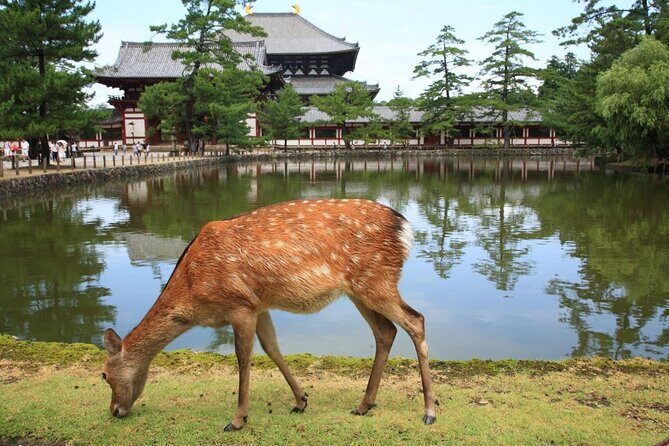
- Todaiji’s Namdaimon and Daibutsuden at a comfortable, structured pace
- Deer-time at Nara Park with snacks (deer cookies) to make it fun and easy
- Kikuichi knife shop visit with guidance on Japanese cutlery and what to look for
- Kasuga Taisha lantern path plus Shinto background that makes the atmosphere click
- Ukimido’s wooden bridge for a calmer break and memorable photos
E-Bikes Make Nara Park Feel Manageable
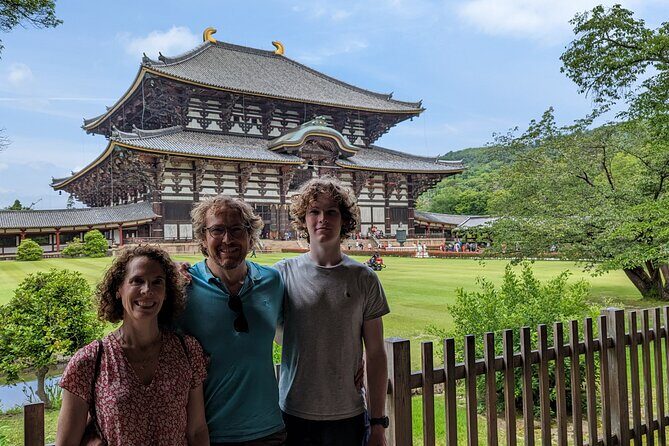
Nara is gorgeous, but the routes between the big sights can add up fast—especially when you’re dealing with uneven ground, crowds, and the occasional uphill slog. An e-bike solves that in a very practical way: you keep the freedom of exploring, while still making real progress between stops.
This tour is built for that “see the best without suffering” sweet spot. In about 3.5 hours, you hit the major landmarks and two extras that change how Nara feels: the knife maker shop and the quiet Ukimido pause. Multiple guides are noted for keeping the ride comfortable, including safety-focused guidance during cycling and rest breaks.
If you’re traveling with limited time, this is the kind of plan that saves your energy for the parts you’ll want to linger over—like the lantern corridor at Kasuga and the temple details at Todaiji.
You can also read our reviews of more cycling tours in Nara

Getting Started at Nara Rent-a-Cycle (and What to Know Before You Go)
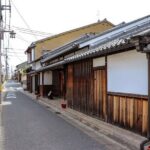
The meeting point is at 奈良レンタサイクル2115-1 Takamaichichō, Nara, and the tour loops back there at the end. It’s listed as near public transportation, which matters because you don’t want to burn time hunting for the rental area.
You’ll get a mobile ticket, and the tour includes your e-bike plus the core admissions. There are also snacks (deer cookies) for the park segment, and souvenir photos taken during the tour that are available online later. Since food and drinks aren’t included, you’ll want to plan around that—either eat before you start or grab something after, because the itinerary is mostly sights and short cycling legs.
One more reality check: it’s a shared tour with a maximum group size of 12, so you’ll get a more personal vibe than giant buses, but it still moves at a group pace. If you’re booking solo, there’s a minimum of two guests rule that can affect whether the session runs.
Stop 1: Nara Park Deer Time With Less Traffic
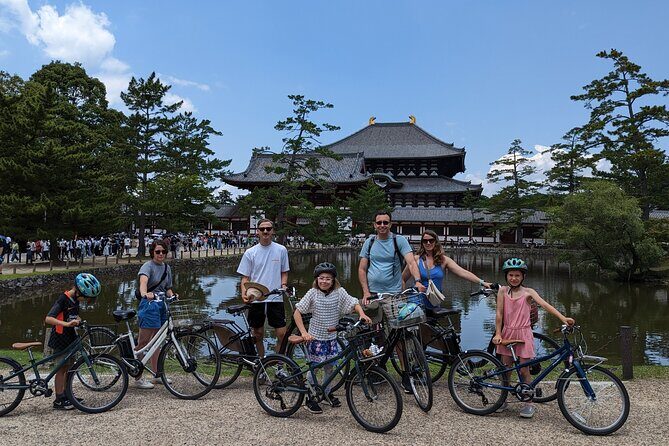
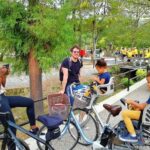
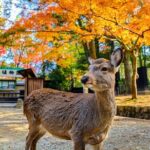
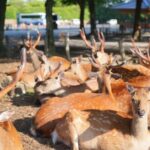
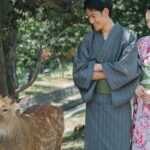
Nara Park is the heart of the experience, and the best part is how the city and nature blend together right under your wheels. You’ll cycle through the park area and see deer up close in a way that feels natural rather than staged.
You also avoid most traffic by following your guide, which is huge. It keeps the ride calmer and lets you focus on the experience—watching deer wander near paths, noticing where people pause for photos, and feeling like you’re in an open-air setting instead of commuting across a city.
You’ll also get deer cookies during this part. That small inclusion does a lot: it gives you a simple way to interact with the deer and helps make your first minutes in the park feel fun right away. If it’s warm, an e-bike also makes a noticeable difference because you can stay relaxed while you stop often to look and take pictures.
Stop 2: Todai-ji Namdaimon Gate and Its Guardian Feel
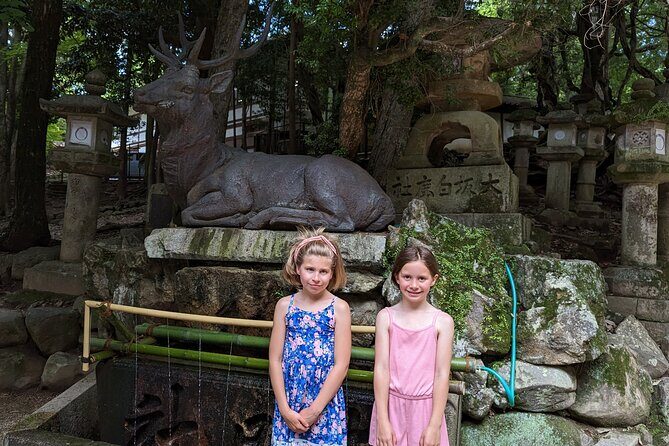
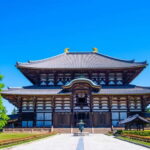
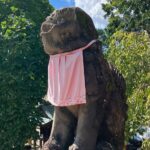
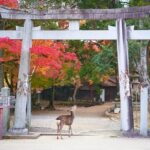
From Nara Park, the ride transitions into the Todaiji temple domain. Your next stop is the Todai-ji Namdaimon (Grand South Gate), where you’ll spend time with the gate’s standout architecture and the fierce guardians.
This stop is a good breather. You’ve just had the playful chaos of deer park energy, and now you shift into something more ceremonial. The gate works like a visual threshold—once you’re standing there, you understand why Todaiji is considered a heavyweight among Japan’s temple landmarks.
The guidance here is mainly about what you’re looking at: how the gate symbolizes the temple area, and why the guardians matter. It’s short, but it sets you up for the bigger moment coming next.
Stop 3: Todaiji Temple and the Daibutsuden Bronze Buddha Moment

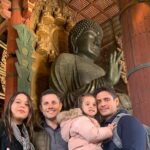
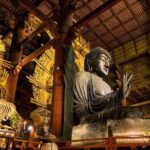
At Todaiji Temple, you’ll get your temple time in a structured chunk. The highlight is the Daibutsuden, where you can see the biggest bronze Buddha statue in the country. That size is the thing you can’t fully appreciate until you’re inside and your sense of scale resets.
One of the most talked-about moments is the chance to go through the Buddha’s nostril. It’s a quick, playful ritual that feels memorable because it’s so specific. It turns a huge landmark into something personal and silly-in-a-good-way.
This is also where the tour’s “learn while you look” style pays off. Instead of being dropped at a temple and left with a guide map, you get enough context to understand what the space is, not just where it is. It makes the experience more than photos, especially if you care about how religion and art show up in everyday places.
Practical tip: plan for crowds. If you’re sensitive to busy interiors, arrive with patience and keep your expectations realistic. The time block gives you room to look without feeling like you’re constantly rushing.
A few more Nara tours and experiences worth a look
Stop 4: Kikuichi Knife Shop—What a Knife Visit Can Add
Not every Nara tour includes Japanese cutlery, so this stop changes the rhythm. You’ll visit the original shop tied to Kikuichi, the knife maker with a long reputation, including background connected to katana-making.
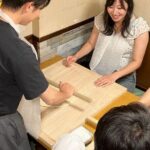
You’ll get an introduction to Japanese knives and advice on what to consider. That matters because a knife shop can feel confusing if you don’t know what questions to ask. Here, you’re guided toward understanding the basics—what different knives are for and how buyers typically think about them.
One reason I like this stop: it feels local in a different way than temples. It’s craft, trade, and cultural technique in a compact setting. If you’re the kind of traveler who likes bringing home a story you can touch, this is one of the more meaningful souvenir options on the route.
Also, it’s a nice change of pace after Todaiji. You shift from spiritual scale to precision details, and it keeps the day from turning into nonstop monuments.
Stop 5: Kasuga Taisha Lantern Path and Shinto Context

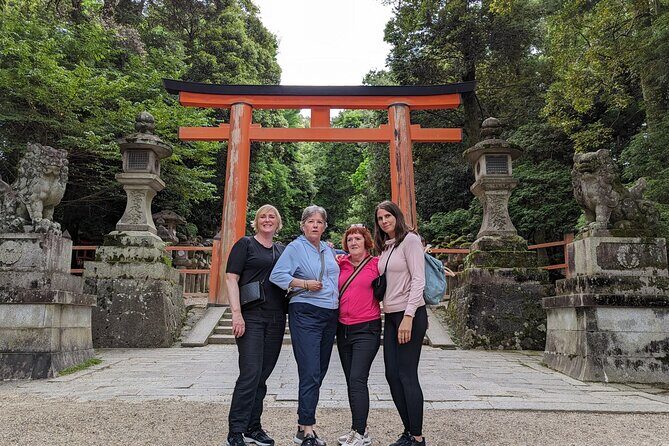
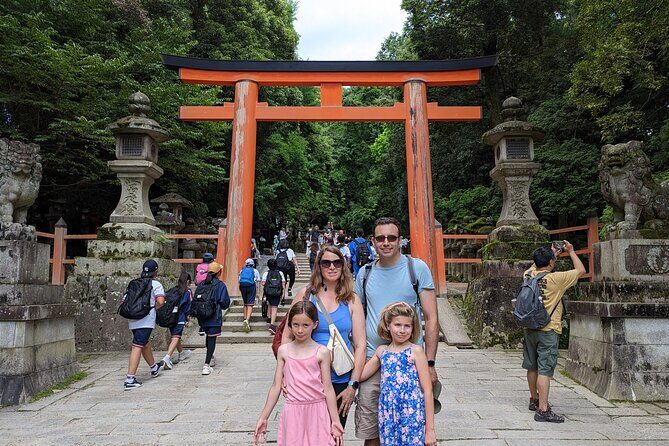
Then you move to Kasuga Grand Shrine (Kasuga Taisha). This stop is not only scenic—it’s also one of the best places on the route to understand Shinto through atmosphere.
You’ll spend time learning about the spirit of Kasuga, which you can think of as nature’s presence expressed through shrine culture. The tour also gives a general introduction to Shinto so the visit feels less like a sightseeing stop and more like a meaningful place people still connect with.
The lantern path is the star here. You’ll see the beautiful lantern arrangement that makes the shrine feel timeless, especially when you’re walking through the corridor and noticing how the light and repetition guide your steps.
This stop is worth your attention if you like places that feel quiet and intentional. Even if you’re traveling fast, give yourself a few minutes to slow down here—Kasuga rewards that.
Stop 6: Ukimido—A Quiet Wooden Bridge Photo Pause
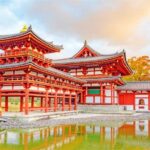
Ukimido is the kind of stop that makes you appreciate the “hidden” part of the route. It’s a famous photo spot associated with weddings, but you don’t need that context to enjoy it. The real draw is the calm setting at the south side of Nara Park.
You’ll walk onto a wooden bridge and find a peaceful atmosphere that contrasts nicely with the earlier crowds at major landmarks. This is also one of the best times to reset—shoes on, water break if you brought any, cameras ready.
Even if you’re not obsessed with wedding photos, this is where the day stops feeling like an assignment. You can just breathe and enjoy the scene.
Pacing, Breaks, and Group Size: How the Day Actually Feels
The itinerary is built around short, focused segments—cycling and then a focused look at each place. That’s one reason people repeatedly highlight the tour length as ideal for fitting into a late morning or early afternoon slot.
With a maximum of 12 travelers, you’re not stuck in a huge crowd. You’ll still share space, of course, but you’re more likely to hear the guide over the noise and to get your questions answered.
What I’d plan for: some stops include brief orientation and then a window to explore on your own. That mix is a real benefit. It keeps you from feeling like you’re being marched, but it also prevents you from missing the most interesting details—like what to pay attention to at the gate, or what makes the Todaiji Buddha moment special.
Guides are also praised for being careful about comfort and safety on the bikes. That matters because Nara Park is shared with pedestrians, and you want to feel confident while you’re riding and stopping.
Price and Value: Where the $92.24 Makes Sense
At $92.24 per person, the value is mostly about what’s included. You’re paying for:
- the e-bike
- a local guide
- entrance tickets for the included sites
- deer cookies
- souvenir photos shared online afterward
If you were to do this independently, the costs usually creep up fast: e-bike rentals add up, admissions aren’t free, and you’d spend time figuring out routes and finding less crowded approaches. Here, the tour bundles the core logistics and focuses your day on the best sequence.
Is it expensive compared to a solo walk? Sure. But Nara can be tiring, and the e-bike does more than help you “go faster.” It keeps you comfortable enough to enjoy the details—temple architecture, lantern path framing, and the knife shop conversation—rather than just surviving the day on foot.
It’s also a smart choice if you want a compact day that still feels like you got the real Nara highlights.
Language and Timing: How to Match This Tour to Your Day
The tour offers a bilingual local guide, but French isn’t guaranteed for shared groups. English is prioritized when groups mix. If French is important to you, you’ll want to contact ahead of time to improve your odds.
Timing-wise, the experience is about 3 hours 30 minutes. That makes it easy to build your day around it: do this as a main afternoon activity, then plan dinner afterward. Reviews often call it a highlight because it balances structure with enough breathing room to actually enjoy each stop.
Also, the experience is weather-dependent. If conditions aren’t good, you should expect the operator to offer a different date or a refund.
Who Should Book This E-Bike Nara Highlights Tour
This tour is a strong fit if you:
- want the big sights without a long day of walking
- like short, guided context paired with time to look on your own
- want something different than temples-only, thanks to the Kikuichi knife shop
- appreciate a calm break at Ukimido instead of only racing from crowd to crowd
It’s also ideal for first-timers in Nara who don’t want to guess the best order of stops.
You might skip it if you prefer slow, wandering temple days with no cycling, or if you hate being on a bike around pedestrians. And if you’re a solo traveler, double-check that the tour meets its minimum group requirement for the date you want.
Should You Book This E-Bike Highlights Tour?
If you want a smart, efficient Nara day that still feels human—deer time, Todaiji’s scale, lantern atmosphere, craft at Kikuichi, and a quiet Ukimido pause—this is a very easy yes. The inclusion of e-bike use, entrance tickets, and deer cookies turns it into a “show up and enjoy” plan, not a puzzle.
Book it especially if you’re short on time, don’t want to over-walk, or you like your travel days to include one unexpected stop that isn’t just another temple photo.
FAQ
What’s included in the tour price?
The tour includes use of an e-bike, a bilingual local guide, entrance tickets, snacks (deer cookies), and souvenir photos taken during the tour that are available online.
How long is the e-bike tour?
The duration is approximately 3 hours 30 minutes.
Where does the tour start and end?
It starts at 奈良レンタサイクル2115-1 Takamaichichō, Nara, and ends back at the same meeting point.
Is a French-speaking guide guaranteed?
For French requests, French is not guaranteed for a shared tour. English is prioritized when multiple nationalities are in the group, and you should contact ahead to improve your chances.
Are meals included?
No. Food and drinks are not included.
What if the weather is poor or the minimum number of travelers isn’t met?
The experience requires good weather. If it’s canceled due to poor weather, you’ll be offered a different date or a full refund. If the minimum number of travelers isn’t met, it may be rescheduled or fully refunded.
If you want, tell me your travel month (and whether you prefer temples, nature, or shopping/craft), and I’ll help you slot this into a realistic Nara day plan.