REVIEW · UJI
Kyoto tea town for matcha lovers
Book on Viator →Operated by フルダイニング料理教室 · Bookable on Viator
If you love green tea, Uji is your kind of day. This Matcha Town Walking Tour strings together tea shops, shrine sights, and hands-on matcha moments in Japan’s tea country, with a real tea ceremony to close the day.
I particularly like the focus on what makes Uji matcha different: you’re not just sampling sweets, you’re learning how tea culture connects to the place itself. And I also love the small group setup (up to 7 people), which helps the guide slow down when questions pop up and keeps you from feeling rushed through the walking portions.
One possible drawback: it’s a 5 to 5.5 hour walk-and-learn format with a moderate fitness level, so plan for heat and comfort, especially on warmer days.
In This Review
- Key highlights to know before you go
- Kyoto’s tea day that starts with Uji Station
- How the walking pace really affects your enjoyment
- Uji Shrine: where the tour grounds tea in place
- Tsuen Main Branch: an old shop and matcha skewers
- Tea houses and tea fields: the day’s “in-between” magic
- Lunch at a tea house: tea dishes that keep it real
- Making matcha: hands-on grinding that changes everything
- The tea ceremony at a traditional tea house
- Price and value: what $157.65 buys you in real terms
- Who this tour suits best in Uji
- Practical tips for your day in Uji
- Should you book this Uji matcha town tour?
- FAQ
- How long is the Kyoto tea town for matcha lovers walking tour?
- Where does the tour meet, and where does it end?
- How big is the group?
- What are the main stops included in the tour?
- Is lunch included?
- What should I expect during the matcha experience?
- What is the cancellation and weather approach?
Key highlights to know before you go
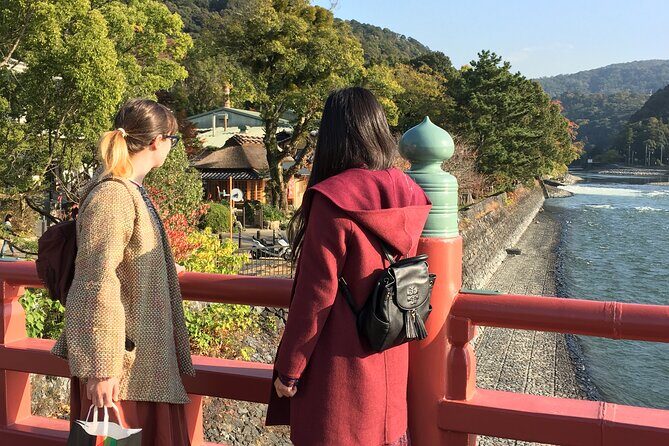
- Uji Shrine stop with tea-country context for a quick, scenic taste of local heritage
- Tsuen Main Branch, an over-850-years-old tea shop, with matcha skewers to taste
- Lunch at a tea house featuring tea dishes, not just dessert-style snacks
- Hands-on matcha making, including grinding your own matcha
- Authentic Japanese tea ceremony at a traditional tea house
- Small group size (max 7) for a more personal pace
Kyoto’s tea day that starts with Uji Station
This is a Kyoto-area experience that actually lives in Uji, the tea town just outside Kyoto city. Instead of spending your whole day inside one attraction, you get a walking route through the historic tea district, with frequent chances to taste and ask questions along the way.
The tour runs about 5 to 5.5 hours, starting at 9:30 am and ending back where you meet. That time window matters because you’ll get enough tea culture to feel like a full day, but not so much that the day turns into a blur. With a maximum group size of 7 travelers, it’s also the kind of day where you can hear your guide without playing “guess the next sentence.”
Price is $157.65 per person. For some people, that’s high for a walking tour. The twist here is that the day includes more than stories: it includes tastings, a sit-down lunch with tea dishes, matcha making, and an actual tea ceremony.
You can also read our reviews of more tours and experiences in Uji.
How the walking pace really affects your enjoyment
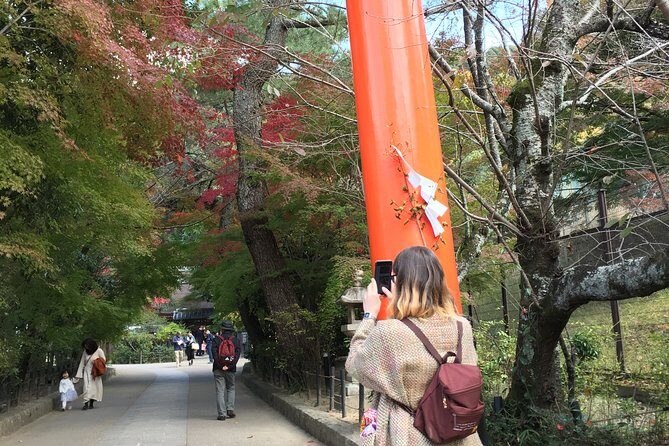
This is a walking tour in a historic area, so wear shoes you’re comfortable in for a few hours. The tour calls for moderate physical fitness, which usually means you should be okay with steady walking and some uneven ground—but you’ll still want to travel prepared.
If you’re going in warmer months, you’ll thank yourself for simple basics: water, sun protection, and a light layer you can adjust. One important reality check from experience with this kind of day is that it can feel hot during outdoor stretches. The upside is that the itinerary includes breaks built around tea houses, tastings, and the tea ceremony, so it’s not constant movement without stops.
Also, since the day begins at Uji Station and stays close to public transportation access points, you’re not stuck guessing your way through Kyoto-side transit. The meeting address is Uji Station, 1716 Uji Uji-a, Uji, Kyoto 611-0021.
Uji Shrine: where the tour grounds tea in place
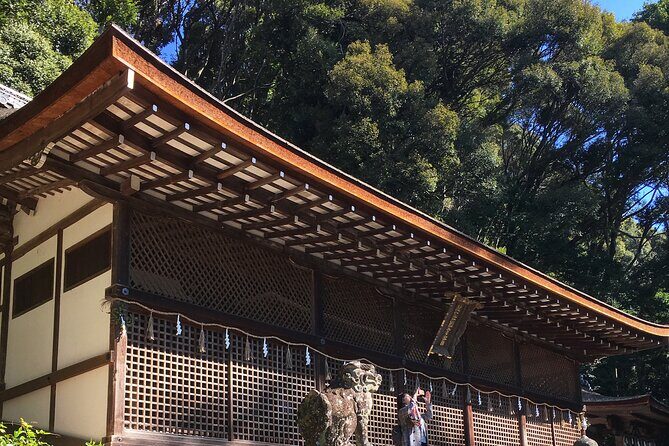
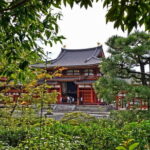
Your first stop is Uji Shrine, scheduled for about 20 minutes with free admission. It’s the kind of stop that works well early in the day: quick enough to keep momentum, meaningful enough to set the tone.
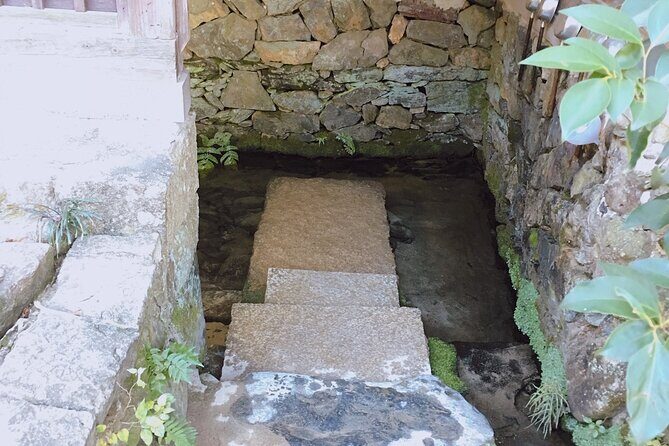
The tour frames Uji Shrine through a tea-country lens, including Uji’s reputation for exceptionally good water. That may sound like trivia, but it’s actually useful context. Tea is sensitive to processing and environment, and water quality is part of why this region became so closely associated with green tea culture.
What to do during this stop:
- Look for how the shrine setting fits into the tea district mood.
- Use the time to take photos without feeling behind schedule.
- If your questions come early, this is a good moment to ask your guide before the day gets tastier and busier.
Tsuen Main Branch: an old shop and matcha skewers
Next you visit Tsuen Main Branch, described as one of Uji’s oldest tea shops, operating for over 850 years. This stop is short—about 10 minutes—but it’s designed for a focused tasting moment.
What makes it memorable is the matcha connection through food. You get a chance to taste matcha rice cake skewers made with pure matcha powder. That’s a smart pairing for first-time visitors: it’s not only bitter tea in a cup. You’re tasting how matcha’s flavor changes when it’s folded into something more savory and chewy.
A small timing note: because the stop is brief, don’t wait until you’re at the counter to decide what you want to try. If you’re sensitive to strong tea flavors, start with small tastes and see how you like it before going for extra.
Tea houses and tea fields: the day’s “in-between” magic
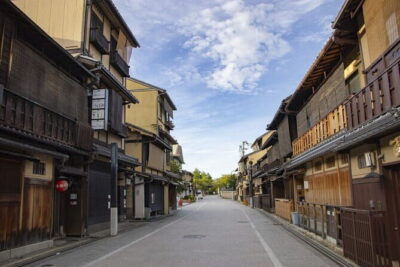
Between the big ticket moments, the tour moves through the everyday tea landscape of Uji—tea houses and tea fields—plus additional historic shrine experiences beyond the first named stop. This is where the day becomes more than a tasting menu.
Why this section matters for you:
- You get a sense of how tea culture is part of the town’s layout, not just something sold in souvenir shops.
- You learn the story behind tea in a way that fits the setting, instead of hearing it as generic history.
The “walking + looking + short teachings” rhythm also keeps things from getting heavy. Instead of one long lecture, you get multiple small context boosts tied to what you’re actually seeing—shrines, streetscapes, and tea-related spaces.


Lunch at a tea house: tea dishes that keep it real
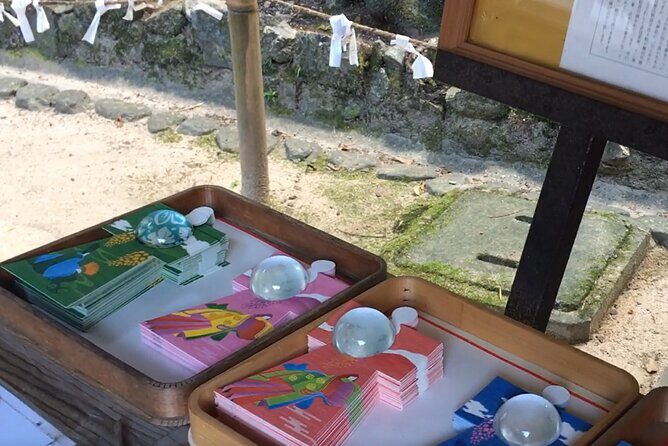
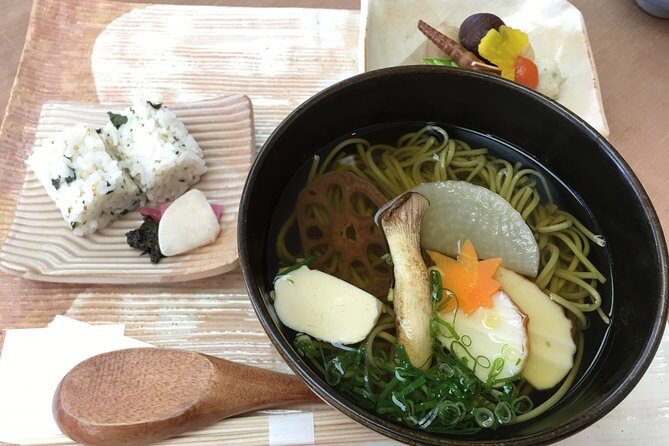
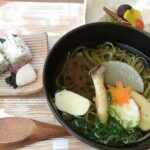
For lunch, you stop at a famous tea house and enjoy tea dishes. This is one of the biggest value signals in the itinerary, because lunch is usually where tea experiences either feel like a snack break or turn into an actual meal you’ll enjoy.
Tea dishes also help balance the day. If you’re a matcha lover, it’s easy to end up in a loop of green desserts only. Here, lunch is part of a broader tea-food culture rather than just sweet add-ons.
What I like about this setup is the pacing: lunch comes after you’ve had a shrine stop and an older tea-shop tasting, so you’ve built appetite through walking and curiosity. Then you sit down, refuel, and head into the hands-on segment with less fatigue.
If you’re picky about textures or you’re sensitive to strong flavors, it helps to approach lunch with the mindset of tea cuisine rather than expecting a Western-style menu. This is tea country food, not a generic cafeteria stop.
Making matcha: hands-on grinding that changes everything

After lunch, the tour shifts from tasting to making. The experience includes an authentic Japanese tea ceremony at a traditional tea house, and before that, you get the kind of hands-on matcha moment that makes everything else click.
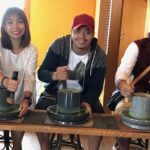
Multiple highlights from participants point to grinding matcha yourself—using a stone mill—before the ceremony. That detail matters. When you grind matcha, you understand why it tastes the way it does: the texture changes, the aroma wakes up, and you stop thinking of matcha as just a powder you buy.
For you, the practical benefit is simple: you’ll remember the process when you later order matcha in cafes. You’ll notice differences in grind, sweetness, and how matcha behaves when prepared carefully.
This is also where the tour’s cultural side becomes practical. You’re not just told how tea culture works—you experience the steps your guide explains, which makes the ceremony feel intentional rather than performative.
The tea ceremony at a traditional tea house
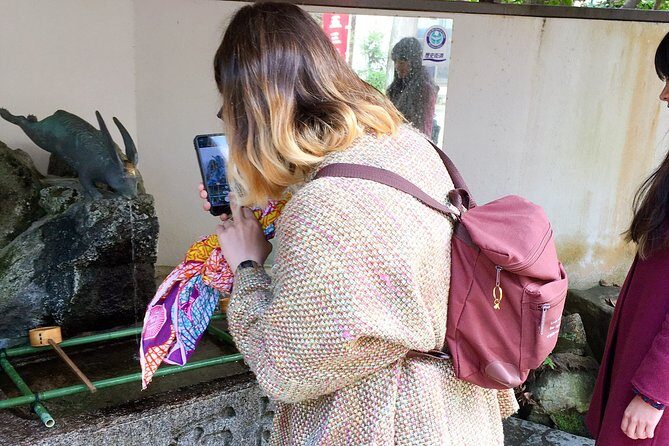
The ceremony is the centerpiece. It’s described as an authentic Japanese tea ceremony at a traditional tea house, which is exactly what you want if your interest goes beyond tasting sweets and wants to understand the ritual.
What you can expect:
- You’ll learn the art of tea ceremony as a lived practice, not just a show.
- The ceremony ties back to what you learned earlier: the origins of tea, the role of preparation, and how Uji fits into that story.
One reason people rave about this part is because it’s interactive in a way that feels respectful. You aren’t just watching from a distance. You’re participating enough that you can connect the earlier facts—tea origins and Uji’s tea identity—to the physical act of making and serving.
Price and value: what $157.65 buys you in real terms
Let’s talk money in a practical way. $157.65 per person is not a bargain price for a half-day walk. But it’s also not paying just for a guide with a clipboard.
Here’s what you’re getting in the package:
- Multiple tastings, including a stop at a shop described as over 850 years old
- Lunch included, at a tea house, with tea dishes
- Hands-on matcha preparation (including grinding with a mill)
- An authentic tea ceremony experience at a traditional tea house
- A tight group size (max 7), which usually means more attention and less waiting around
So if you’re the type who values hands-on learning, food that’s part of the tea culture, and a real ceremony, the price starts to feel more justified. If you only want casual matcha sampling and zero ceremony structure, you might feel it’s pricey for what you personally care about.
Who this tour suits best in Uji
This is tailor-made for:
- Matcha lovers who want more than one dessert and actually want the making process
- People who enjoy small group days with a guide who can answer questions and keep a natural pace
- Anyone who likes pairing food with cultural context, especially tea culture and historic shrine atmosphere
It can be a great fit for families too, since the format includes tasting, sitting down for lunch, and a guided ceremony that isn’t physically demanding in the way some workshops can be. The main caution is the moderate walking and time on your feet, so if you need a low-impact day, you may want to pick something shorter in duration.
Practical tips for your day in Uji
These are simple, but they make a noticeable difference:
- Bring water and sun protection. Uji can get hot in warmer months, and much of your time is outdoors.
- Wear comfortable walking shoes. You’re on a route, not in one indoor room.
- Keep your photo device ready early. The shrine stop and tea-shop street views are easier to capture before you’re full of matcha and moving into the ceremony.
- Plan your expectations for the lunch. It’s tea dishes, so treat it as part of the tea experience, not just a quick meal between sites.
Also, since the day includes an actual tea ceremony, you’ll get the most from the experience if you approach it with curiosity and a calm pace—less rushing, more paying attention to what your guide is explaining.
Should you book this Uji matcha town tour?
I think it’s an excellent booking choice if you meet two conditions: you genuinely like matcha, and you want a structured cultural experience that includes hands-on making plus an authentic tea ceremony. The small group size, the mix of tastings and lunch, and the focus on Uji’s tea identity make it feel like a real half-day “tea education” instead of a quick stop-and-buy.
I’d skip or reconsider if you’re mainly looking for free time to wander on your own, or if you’re not interested in the ceremony side and only want light tasting. In that case, you may feel the cost doesn’t match your priorities.
If you’re excited by the idea of grinding your own matcha, eating tea dishes for lunch, and ending with a ceremony in a traditional setting, this tour is the kind of day that sticks with you long after you’re back in Kyoto.
FAQ
How long is the Kyoto tea town for matcha lovers walking tour?
It lasts about 5 hours to 5 hours 30 minutes.
Where does the tour meet, and where does it end?
The tour starts at Uji Station (611-0021 Kyoto, Uji, Uji-u, 1716) and ends back at the meeting point.
How big is the group?
The tour has a maximum of 7 travelers.
What are the main stops included in the tour?
You’ll visit Uji Shrine and Tsuen Main Branch, plus other tea-related locations such as tea houses and tea fields, and you’ll experience an authentic Japanese tea ceremony at a traditional tea house. Lunch is at a famous tea house.
Is lunch included?
Yes. Lunch is included at a famous tea house, and you’ll enjoy tea dishes.
What should I expect during the matcha experience?
You’ll taste matcha treats (including matcha rice cake skewers) and you’ll experience an authentic Japanese tea ceremony. Some participants also describe making and grinding matcha as part of the experience.
What is the cancellation and weather approach?
You can cancel for a full refund up to 24 hours before the experience starts. If weather is poor, the experience may be canceled and you’ll be offered a different date or a full refund.