REVIEW · UJI
Uji and Wazuka Matcha Farm Half Day Private Guided Tour
Book on Viator →Operated by Matcha Tourism · Bookable on Viator
Matcha at the source beats souvenir cups. This private tour is a smart way to see Uji River landmarks and then head into Wazuka’s tea farms for hands-on learning and tastings. I especially like how the day mixes iconic sights with real producer stories. One possible drawback: the farm access can be bumpy and muddy, so your shoes matter.
You get a full 4 hours with a guide and a comfortable air-conditioned vehicle, plus a real lunch instead of a vague snack stop. It also helps that it’s a private setup, so your pace stays yours, not a bus schedule. If you’re sensitive to uneven ground or you want a very leisurely walk, plan accordingly.
Your guide is Masae, and her style comes through as friendly, organized, and very focused on how tea actually gets grown and made. You’ll be in the tea heartland that’s been producing high-quality matcha for over 800 years, and—per the tour story—once reserved for the Imperial Family.
In This Review
- Key things to know before you go
- Uji River Start: bridges, shrine stops, and easy tea-town strolling
- The ride to Wazuka: why that change of scenery matters
- Tea farm walk in Wazuka: what to expect on the ground
- Tea tasting: the part that makes matcha stick in your brain
- Bento lunch: a real break, not a rushed filler
- Price and value: is $360 per person fair for a private 4-hour tour?
- Who should book this Uji and Wazuka matcha tour?
- Practical tips so your day stays comfortable
- Should you book this Uji and Wazuka matcha tour?
- FAQ
- How long is the Uji and Wazuka Matcha Farm private tour?
- Is this tour private?
- What does the tea tasting include?
- Is lunch included?
- Where is the meeting point?
- Do I need to pay for admission at the stops?
- What should I wear for the farm walk?
- Is transportation included?
- How does cancellation work?
- What ticket format will I receive?
Key things to know before you go
- Uji landmarks first: Uji River stroll, Uji Shrine, and the historic Ujibashi Bridge area.
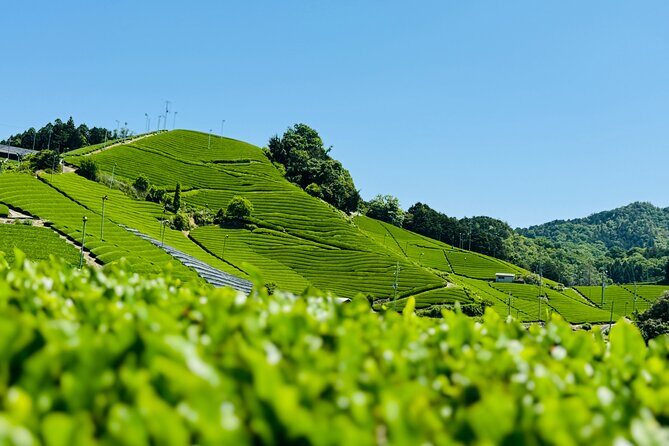
- Wazuka tea-village focus: rolling tea country and a shift from sightseeing to tea craft.
- Tea tasting built in: coffee/tea plus tasting of at least 3 different kinds of green tea and matcha.
- Lunch is included: Japanese bento set, with a vegetarian option if you request in advance.
- Comfort + access: private transportation with A/C, but expect muddy farm paths.
- Local guide energy: Masae-style teaching that turns matcha from a drink into a story you can picture.
Uji River Start: bridges, shrine stops, and easy tea-town strolling
The day begins in Uji, a place where tea culture feels woven into normal life, not packaged for tourists. Starting near JR Uji Station is convenient, and the walk along the Uji River gives you quick context for why this area became such a tea center. In the little town stretch, you’ll find shops and matcha cafes where you can skim menus and get your bearings fast.
Next comes a brief stop at Uji Shrine, one of the oldest in Japan (according to the tour info). Even if you keep this part short, it adds a calm, traditional layer before you jump into the more practical, hands-on tea world.
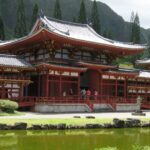
Then you’ll visit Ujibashi Bridge, described as one of Japan’s oldest bridges. It’s a fast photo stop, but it’s also useful. The bridge anchors the whole Uji story: long-standing craft, long-standing place, and long-standing routines—tea included.
Practical tip: this first half of the tour is scenic and walkable, but it’s also tight on time, so keep moving and let your guide set the rhythm. If you’re hoping to browse every shop in Uji, ask Masae if you’ll have a moment for extra shopping later.
You can also read our reviews of more tours and experiences in Uji.
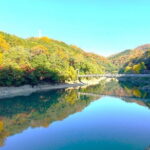
The ride to Wazuka: why that change of scenery matters
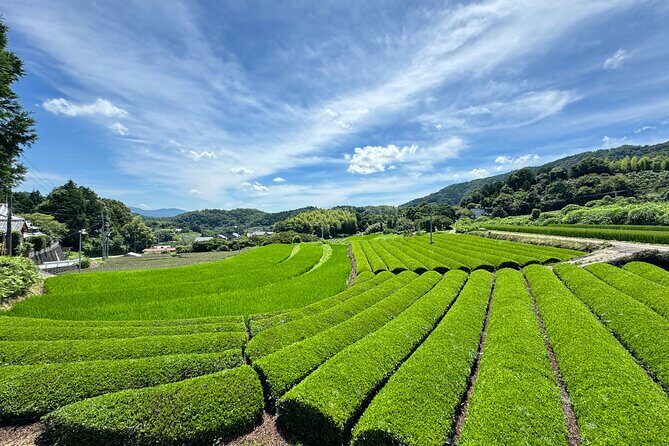
After Uji, you head toward Wazuka, and you’ll feel the shift right away. Wazuka is described as a tea paradise hidden in rolling green hills, with production in the valley for 800+ years. For me, the big value here is contrast. You go from town landmarks to a working tea setting where the day’s learning makes more sense.
You’ll ride in an air-conditioned vehicle, which is a quality-of-life win in Japan, especially if the weather is hot or humid. You’re not standing around waiting for transfers. You’re moving from stop to stop with a guide who can explain what you’re seeing as you go.
There’s also a “magnificent viewpoint” included. Even if you only spend a short window there, it helps you understand the geography—mountains, valley, and river—because tea farming depends on conditions like these. It’s harder to grasp why matcha tastes a certain way if you only hear about it and never look at where it’s grown.
Tea farm walk in Wazuka: what to expect on the ground
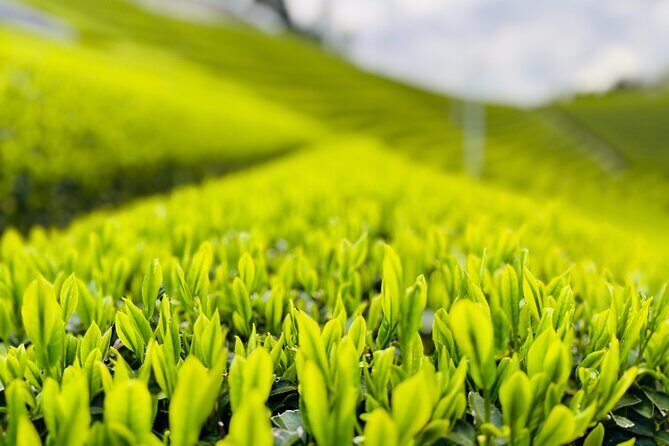
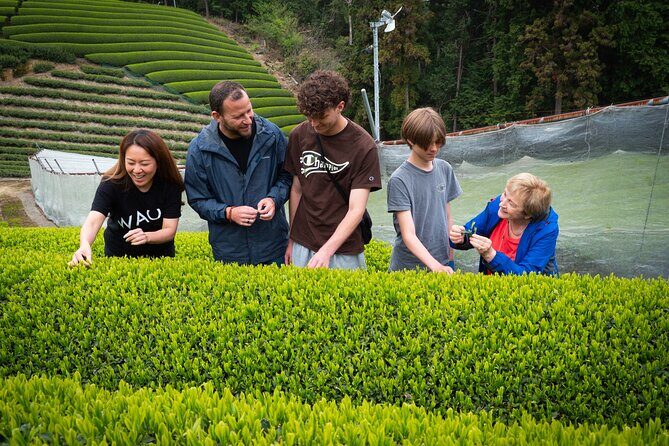
This is the main event, and it’s more than a photo op. You’ll do a tea farm walk in Wazuka’s countryside, where you can see the plants and learn the basics of how farming and matcha production connect.
The tour includes a guided walk plus local-style explanation through the day. Masae’s teaching style (from what people consistently note) focuses on turning the process into something you can understand. That matters because matcha can seem mysterious when it’s only in a cup.
The other key point: farm access can be bumpy and muddy. That’s not a deal-breaker, but it is a real consideration. I’d wear shoes you don’t mind getting a little dirty, and I’d avoid slippery soles. If you arrive in dress shoes, you’ll spend the walk thinking about grip instead of learning.
What you’ll get out of the farm walk:
- a better sense of the farming environment
- practical context for what makes matcha different from regular green tea
- time to ask questions while you can still picture the fields
Tea tasting: the part that makes matcha stick in your brain
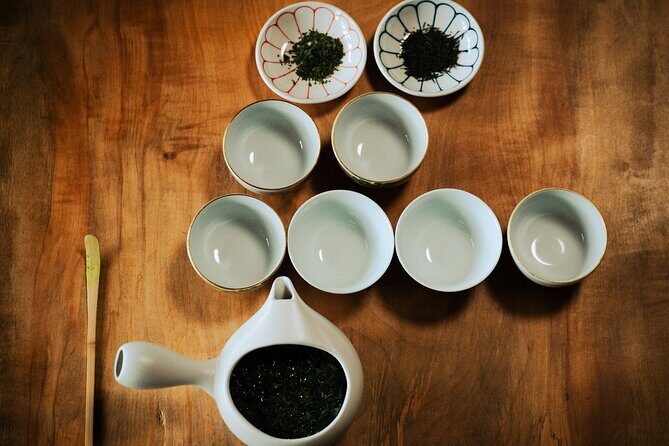
Included with the tour is coffee and/or tea, plus a tasting of at least 3 different kinds of green tea and matcha. This is where you translate the morning into taste memory.
Instead of only sampling one sweet, creamy matcha, you get multiple points of comparison. That helps you start noticing differences that you’d normally miss—like how the flavor changes by type, not just by sugar or foam.
A good way to use the tasting time is to treat it like mini training:
- taste once, then take one step back and notice aroma
- taste again and focus on bitterness and finish
- ask your guide what you’re supposed to notice in that specific tea
Masae’s approach is especially helpful here because she ties flavor back to the farming and production story. If you’ve ever ordered matcha in Japan and wondered why it tastes different place to place, this part can answer that question in a concrete way.
And yes, you’ll likely want to buy tea afterward if you find a style you love. The tour includes shopping time in the Uji area atmosphere, and tasting tends to make purchases feel less random.
Bento lunch: a real break, not a rushed filler
Lunch is included as a Japanese bento lunch set, and there’s a vegetarian option if you request in advance. That’s a useful detail because it protects you from the classic problem on tea tours: walking through countryside and then having to hunt for food that fits your diet.
I like that lunch is part of the included package because it keeps the day smooth. You can walk, taste, and learn without constantly recalculating hunger.
Also, bento timing works well mid-tour. By then, your senses have been busy—scenery, shrine and bridge impressions, and the tea talk. Eating gives your brain a reset before more tea-related experiences and shop browsing.
If you’re vegetarian, make the request early. The tour info specifically says the vegetarian option requires advanced request, so don’t count on it being available on the spot.
You can also read our reviews of more private tours in Uji

Price and value: is $360 per person fair for a private 4-hour tour?

At $360 per person for about 4 hours, this is not a budget activity. But it is a focused private experience with real inclusions.
Here’s what you’re paying for, in plain terms:
- private guiding with Masae
- private transportation with A/C
- tea tasting of at least 3 different kinds
- coffee and/or tea
- lunch (Japanese bento set)
- multiple included stops and a farm walk
- admission ticket noted as free for the Uji-area highlights in the schedule
For some people, the value comes from learning. For others, it’s about time. If you’re staying in Kyoto and you don’t want to juggle trains, taxis, and local schedules, paying for the private vehicle is part of the value equation.
If you’re traveling as a group, ask about the mentioned group discount when you book. Private tours often become easier to justify when costs split between friends or family.
My practical take: this price makes the most sense if you care about matcha enough to want depth—farm walk, tastings, and guided context. If you mostly want quick sightseeing, there are cheaper ways to do Uji. But if you want the source-side tea experience, this is priced like one.
Who should book this Uji and Wazuka matcha tour?
This tour fits best if you’re one of these:
- a matcha lover who wants more than one cup and a quick photo
- a culture-minded traveler who also enjoys how crafts are made
- a solo traveler who prefers guided direction
- a family group that wants a planned half-day with lunch included
It may be less ideal if:
- you strongly dislike walking on uneven, muddy ground
- you only want landmark photos with minimal time in rural settings
- you don’t drink green tea at all (the tasting is a core feature)
Also, it’s a smart pick for people who want a private pace. The tour is designed for your group only, which means you can ask questions without feeling rushed by a crowd.
Practical tips so your day stays comfortable
A few small moves will make the experience smoother:
- Wear shoes for muddy farm paths. Avoid slick sneakers and sandals.
- Bring layers. Tea country can shift from sunny to cooler air quickly.
- Plan on spending extra time if you love the taste. The schedule is structured, but shopping and snack stops are on you once you’re out.
- Budget for snacks and drinks on the street. Those are not included in the package.
If you have a vegetarian diet, request it in advance for the bento. That’s specifically mentioned, and it’s the kind of request that’s easy to forget until the last minute.
Should you book this Uji and Wazuka matcha tour?
If you want a half-day that combines classic Uji sights with a real tea-farm experience—and you’ll appreciate tasting multiple types of green tea and matcha—this is a strong match. The included bento lunch plus the private guide and transportation make it feel like a complete experience, not a string of random stops.
I’d book it if:
- matcha matters to you
- you like learning from the people connected to the product
- you want a guided, low-stress plan with comfort in transit
I’d think twice if you hate muddy paths or you only care about quick photo ops. In that case, you might prefer a lighter, self-guided Uji plan.
FAQ
How long is the Uji and Wazuka Matcha Farm private tour?
It runs for about 4 hours.
Is this tour private?
Yes. It’s a private tour/activity, and only your group will participate.
What does the tea tasting include?
The tour includes coffee and/or tea and tasting of at least 3 different kinds of green tea and matcha.
Is lunch included?
Yes. Lunch is a Japanese bento lunch set, and there is a vegetarian option if you request in advance.
Where is the meeting point?
You start at Itoh Kyuemon – JR Uji Station / SaboUmonji-16-1 Uji, Kyoto 611-0021, Japan.
Do I need to pay for admission at the stops?
The Uji highlights listed in the schedule show admission ticket free, and the Wazuka-cho stop also notes admission ticket free.
What should I wear for the farm walk?
The farm access can be bumpy and muddy, so wear shoes that handle uneven ground and possible dirt.
Is transportation included?
Yes. The tour includes private transportation, including an air-conditioned vehicle.
How does cancellation work?
Free cancellation is available. You can cancel up to 24 hours in advance for a full refund, and changes within 24 hours of the start time aren’t accepted.
What ticket format will I receive?
You get a mobile ticket.