REVIEW · UJI
Uji: Private immersion into Kyoto’s tea and reglious culture
Book on Viator →Operated by Pinpoint Traveler, Inc · Bookable on Viator
Tea in Uji feels different. This private guided route connects green-tea rituals with Buddhist sites, starting with a real gyokuro tea tasting before you head to UNESCO grounds. I like that the tour gives you a calm, structured way to learn tea culture without turning it into a rushed checklist, and you’ll see the story of tea and spirituality unfold step by step.
I also like the balance between quiet places and vivid experiences: the Byodo-in Temple hall on a man-made lake plus the museum, then a stroll through the old pilgrimage street lined with tea shops. One possible drawback: the route includes a lot of stairs, so bring comfortable shoes and be ready for uneven walking.
In This Review
- Key moments that make this Uji tour worth your time
- Why Uji feels calmer than central Kyoto
- Price and pacing: what you’re really paying for
- Getting there: the morning start at Keihan Uji Station
- Stop 1: Takumi-no Yakata and the gyokuro tea lesson
- Stop 2: Ujigami Shrine and the spring water story
- Stop 3: Koshoji Temple and the tea-to-Zen connection
- Stop 4: Byodo-in Temple—Heian beauty on a man-made lake
- Stop 5: Byodo-in Omotesando—tea shops on the old approach street
- Stop 6: Uji Park and the cormorant fishing tradition
- What to bring (and what to skip) for a smooth tea day
- Who this tour fits best
- Should you book this Uji tea-and-spirituality tour?
- FAQ
- What is the duration of the Uji tea and religious culture tour?
- Where does the tour start, and when?
- What tea experience is included?
- Which UNESCO sites are included?
- Is admission to the Byodo-in museum included?
- What else do you visit besides the tea house and Byodo-in?
- Is food included besides the tea stop?
- Is there any physical requirement?
Key moments that make this Uji tour worth your time
- Gyokuro at Takumi-no Yakata: a hands-on-style lesson, including steaming leaves in progressively warmer water
- Ujigami Shrine: UNESCO site with Uji’s underground spring water bubbling up on-site
- Koshoji Temple (old Soto Zen in Kyoto): a stop that links Zen traditions to the tea ceremony story
- Byodo-in Temple + museum: a Heian-period setting you can take your time with
- Byodo-in Omotesando + Uji Park: tea-shop aromas on the old approach street, then a riverside break with cormorant fishing tradition
Why Uji feels calmer than central Kyoto
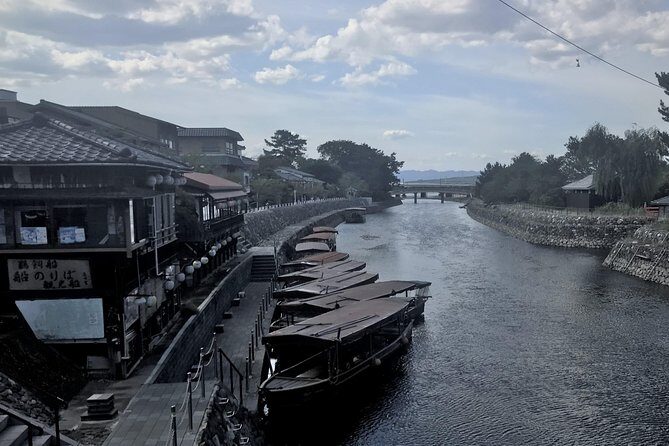
Uji is close enough to do from Kyoto, but it doesn’t have the same high-pressure feeling. You’ll trade crowds for river air and a slower rhythm, which matters because tea culture isn’t something you absorb while sprinting between stops.
The best part is that Uji lets you understand tea beyond the taste. Here, the places you visit connect directly to how tea became part of Japanese spiritual life, so your tea tasting doesn’t feel random. It feels like the front door to the rest of the day.
You can also read our reviews of more private tours in Uji
Price and pacing: what you’re really paying for
At $162.41 per person for about 4 hours, this tour is priced like a guided, small-group experience, not a cheap bus day. The value comes from the structure: you’re not just visiting temples, you’re also getting a scheduled tea house experience and admission to Byodo-in (temple + museum).
Two other details help: the group stays small (up to 8 travelers) and you get a mobile ticket, which usually means less time fussing with paperwork. One more practical note: food and drinks outside the tea experience aren’t included, so plan for a break or quick purchase on your own after the tour.
Getting there: the morning start at Keihan Uji Station
The tour meets at the Keihan Uji Station Information Centre (Otsukata area, 713 on the building in the details). Starting at 9:00 am, you’ll beat the later rush that can make tea-shop streets feel like a shopping corridor instead of a cultural walk.
You’ll end back at the meeting point, which is handy when you’re continuing your day in Kyoto. Also, since it’s near public transportation, you don’t need a private driver to make the trip smooth.
If you want the day to feel easy, this is the move: arrive a few minutes early, get oriented around the station area, then let your guide set the pace.
Stop 1: Takumi-no Yakata and the gyokuro tea lesson
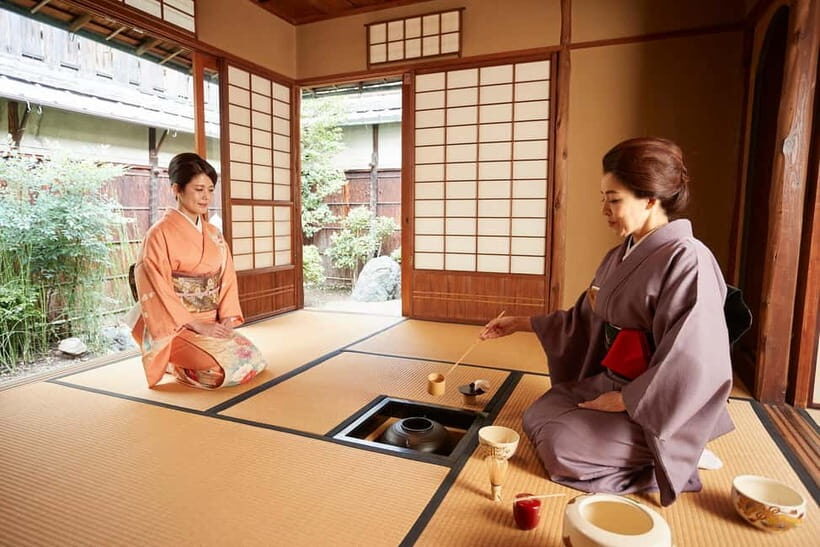
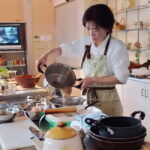
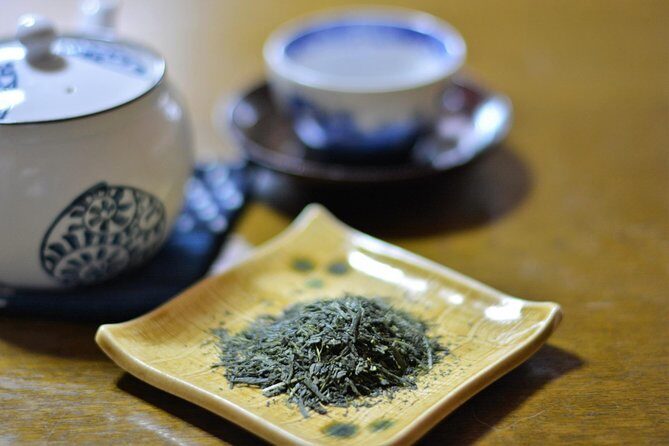
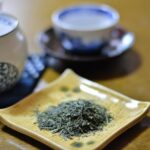
Your tour begins with Takumi-no Yakata, where you’ll do a guided gyokuro experience. Gyokuro is often described as Japan’s higher-grade green tea, and this stop makes you understand why by treating tea as technique, not just a product.
What you do here matters. You’ll learn how gyokuro leaves are handled and steamed in increasingly warm water as part of the tasting process. That pacing is the point: you’re not just drinking tea, you’re seeing how heat changes what you taste.
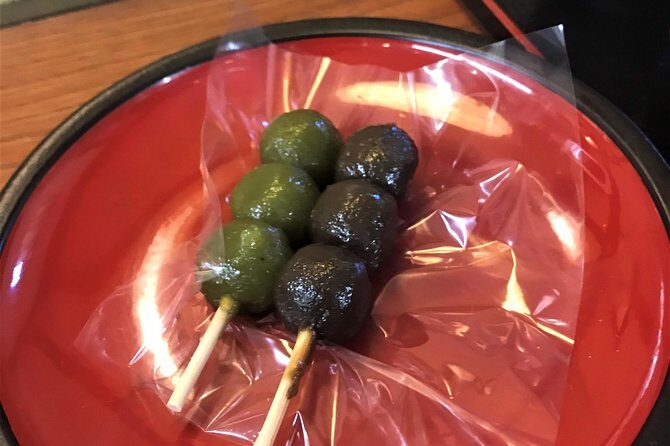
You’ll also get Japanese sweets along with the tea, which helps balance the flavors. The sweets aren’t an afterthought; they’re part of the overall tasting rhythm.
A small heads-up: this is a tea experience, so if you’re the type who wants lots of food, you may feel a little hungry until the rest of the tour finishes. I suggest planning a hearty breakfast, then treating this as your cultural break.
Stop 2: Ujigami Shrine and the spring water story
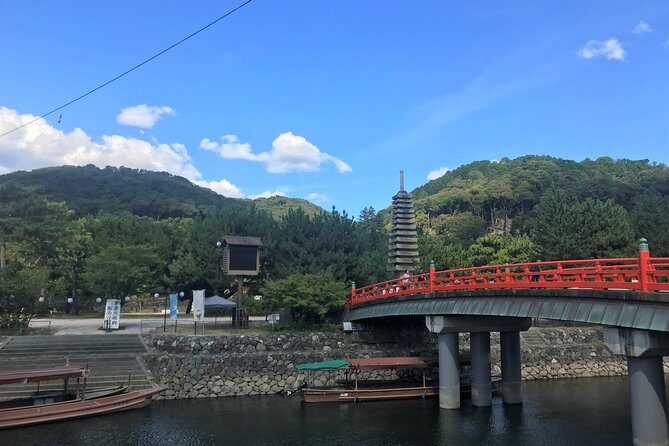
Next up is Ujigami Shrine, described as the oldest original shrine in Japan and also a UNESCO site. It’s a powerful stop because it connects place to ritual, and you’ll notice how physical details become cultural meaning here.
One standout detail: the shrine houses the last of Uji’s underground spring water, which naturally bubbles up to the surface. That’s not just scenery. It’s a reminder that Uji’s identity is tied to water, and water is tied to tea—both in flavor and in the idea of purity and care.
This is also where the tour’s tone becomes clear. Instead of turning temples into photo stops, your guide keeps you oriented to what you’re seeing: the purpose of the site, how it fits into local history, and what to look for beyond the obvious.

Stop 3: Koshoji Temple and the tea-to-Zen connection
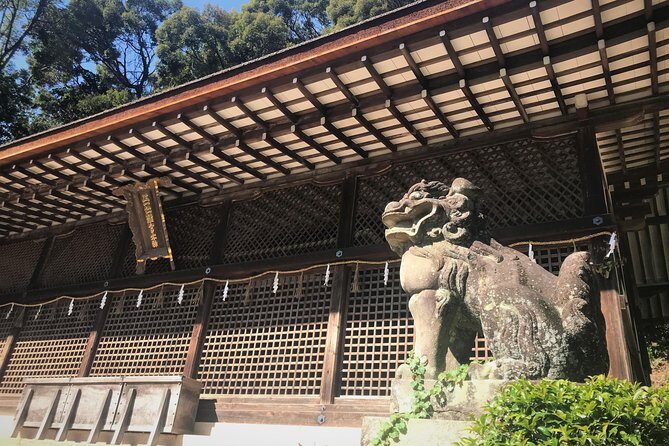
At Koshoji Temple, you’ll visit the oldest Soto Zen temple in Kyoto. This stop explains how Zen traditions helped shape the tea ceremony in Japan, connecting spiritual practice to daily ritual.
If you’ve ever wondered why tea feels so formal in Japan, this is the missing link. You’ll hear how ideas from Zen—discipline, mindfulness, and practice—became part of how people treated tea. In other words, the ceremony isn’t only about taste. It’s about the attention you bring.
The stop is shorter (about 30 minutes), but it’s a focused chapter in the day. Expect to leave with a clearer mental model of the tea-buddhism overlap, not just a sense that both exist.
Stop 4: Byodo-in Temple—Heian beauty on a man-made lake
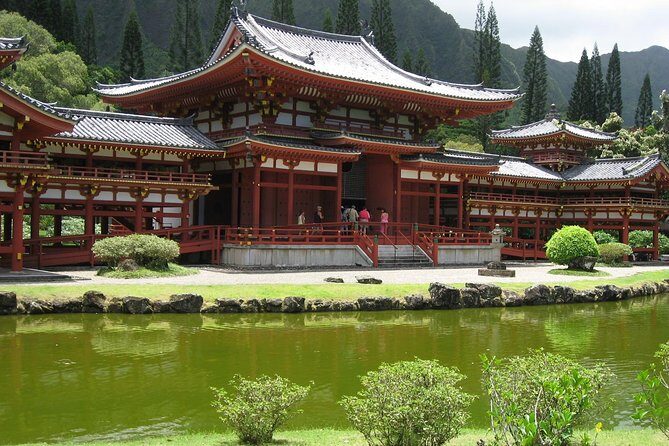
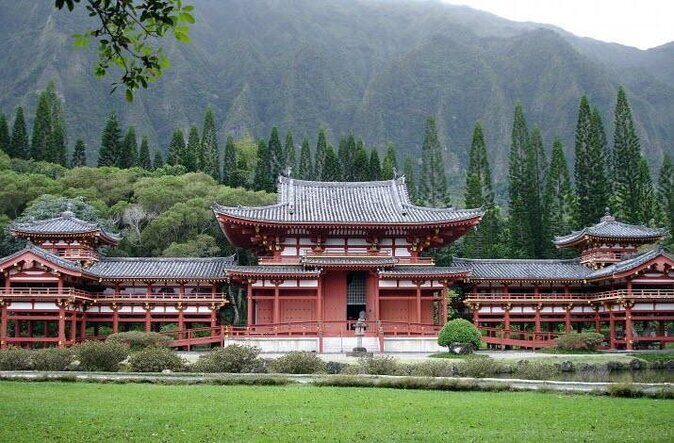
Then you arrive at Byodo-in Temple, dating back to the Heian period. This is one of the big anchors of the route, and for good reason: the main hall sits on a man-made lake, giving the whole scene a composed, almost staged balance.
You’ll have about 45 minutes here, including access to the temple and the museum. The museum is especially valuable because it helps you see the site with context. Without it, you can admire the architecture and still miss why the place became important.
There’s also a little detail that makes Byodo-in feel oddly familiar. One guide point that sticks: the 10 yen coin is connected to this temple area. Even if you don’t care about coins, it’s a great way to make the site feel more tangible and less like “something you read about.”
Stop 5: Byodo-in Omotesando—tea shops on the old approach street
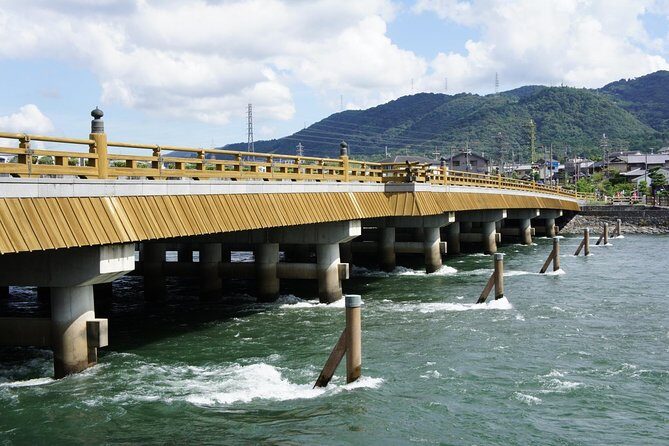
After the temple, you walk down Byodo-in Omotesando, the historic pilgrimage street leading to the grounds. This is where the day shifts from sacred stillness to sensory street life.
The street is lined with tea shops, including places with roots going back to medieval times (the point is: this isn’t a modern strip). Your guide will help you notice the range of teas produced in the region, and you’ll likely catch strong tea aromas as you pass.
This section is where I like to slow down a little, even in a small-group tour. Look at labels, read descriptions, and compare what you smell. You’ll understand tea better after the gyokuro stop, and you’ll be able to choose more confidently if you want to buy something.
Stop 6: Uji Park and the cormorant fishing tradition
To finish, you head to Prefectural Uji Park, a riverside area shaped like an island in the river. It’s a lighter, scenic break after temple walking, and it gives your legs a chance to reset.
One of the most interesting details here is the mention of cormorant fishing with birds—an ancient tradition tied to the river’s history. Even if you don’t see every element of the process at that exact moment, you’ll understand what the river meant to local life.
Uji’s river isn’t just scenery. It’s described as the lifeblood for trade with the capitals of Kyoto and Nara, moving tea, sake, and goods across the region. That “river explains everything” feeling is part of why the tour lands well. The last stop turns the day from spiritual learning into a fuller sense of local life.
What to bring (and what to skip) for a smooth tea day
This tour doesn’t include food beyond what’s served with the tea experience. So if you’re the type who gets cranky without a snack, plan for it.
Here’s what I’d do:
- Wear comfortable walking shoes because the itinerary includes many stairs
- Bring cash if you want to buy tea or small snacks during the Omotesando stretch (you may find some spots prefer it)
- Bring a small bottle of water, since temples and tea houses can add up to a warm 4 hours
- If you’re sensitive to steps, tell your guide in advance so the pace can be adjusted
One more practical note: this experience ends back where it started. That’s good for planning your next stop, and it keeps the day from turning into transit.
Who this tour fits best
This is a strong match if you want:
- A tea ceremony lesson that explains the process, not just the story
- UNESCO-level sites in a smaller, guided format
- A clear connection between tea and Buddhism across multiple locations
It may be less ideal if you struggle with stairs or long, uphill temple walks. The tour is manageable for most people with moderate physical fitness, but you should be honest with yourself about step fatigue.
Also, because it’s a small group (max 8) and the stops are time-boxed, it suits people who like a gentle structure. If you prefer total freedom to linger for hours in one place, you might feel slightly “managed” even though the pacing is relaxed.
Should you book this Uji tea-and-spirituality tour?
I’d book it if your ideal day in Kyoto includes learning something real, not just collecting photos. The pairing of gyokuro tasting with Byodo-in (temple + museum) and the two temple stops that connect tea to Zen is a smart way to make sense of Japanese tea culture. You get calm scenery, a story you can follow, and enough time at each place to actually notice what you’re seeing.
I’d pass or choose another option if stairs are a deal-breaker for you or if you need a longer food break built into the schedule. Since food isn’t included beyond the tea stop, you’ll also want to plan where you’ll eat after.
If you want a Kyoto-adjacent day that feels quieter and more meaningful, this Uji route is one of the better choices in both pacing and content.
FAQ
What is the duration of the Uji tea and religious culture tour?
It runs for about 4 hours.
Where does the tour start, and when?
It starts at 9:00 am at the Keihan Uji Station Information Centre (Kyoto, Uji, Otsukata area) and ends back at the same meeting point.
What tea experience is included?
You’ll do a gyokuro tea house experience with a tasting and a Japanese sweet, at Takumi-no Yakata.
Which UNESCO sites are included?
The tour includes Ujigami Shrine and Byodo-in Temple, both UNESCO World Heritage sites.
Is admission to the Byodo-in museum included?
Yes. Admission to the temples and the museum at Byodo-in is included.
What else do you visit besides the tea house and Byodo-in?
You’ll also visit Koshoji Temple, Byodoin Omotesando, Uji Park (Prefectural Uji Park), and Ujigami Shrine.
Is food included besides the tea stop?
Food and drinks outside of the tea experience aren’t included, so you’ll likely want to plan for your own meal after the tour.
Is there any physical requirement?
The tour is described as suitable for travelers with moderate physical fitness, and it includes many stairs, so it may need adjustments if stairs are a concern.