REVIEW · UJI
Slow Cycling Tour at Uji’s Matcha Green Tea Fields and Heritage
Book on Viator →Operated by BROMPTON SLOW CYCLING TOURS · Bookable on Viator
Matcha, temples, and a Brompton bike route through Uji. This 4.5-hour slow cycling tour uses a BROMPTON rental plus an English-speaking local navigator to take you from tea culture basics straight into centuries-old shrine and temple lanes. I especially liked how the guide ties what you’re seeing to how Uji became one of Kyoto’s tea powerhouses, so the ride feels like a story you can pedal along.
I also love the feel of the day: small group size (up to 6) and mostly easy-going riding that lets you linger instead of race. The one consideration is simple: you need good weather, because the experience can be shifted or refunded if conditions are poor.
In This Review
- Key highlights you’ll actually feel on the ride
- Why slow cycling in Uji works so well
- Price and what you’re really paying for
- Getting started at Chatsubo Postbox Japan and what to bring
- Tea and Uji Town Exchange Center Chazuna: the matcha warm-up
- Uji Shrine and Ujigami Shrine: the 1,700-plus year side of town
- Asagiri Bridge: a quick photo stop with real timing
- Koshoji Temple and the Kotosaka slope walk
- Amagase Dam and the Uji River trail: the calm part of the loop
- Byodo-in Omotesando: choosing Phoenix Hall or a tea break
- The Brompton factor: why it’s more than just a bike
- Lunch, snacks, and how the guide can help your plan
- Should you book this Uji slow cycling tour?
- FAQ
- How long is the Uji slow cycling tour?
- What is included in the price?
- What entrance fees might cost extra?
- Is lunch included?
- How big is the group?
- Where do we meet, and where does the tour end?
- Do I need to bring a bike or helmet?
- Is the tour only in good weather?
Key highlights you’ll actually feel on the ride
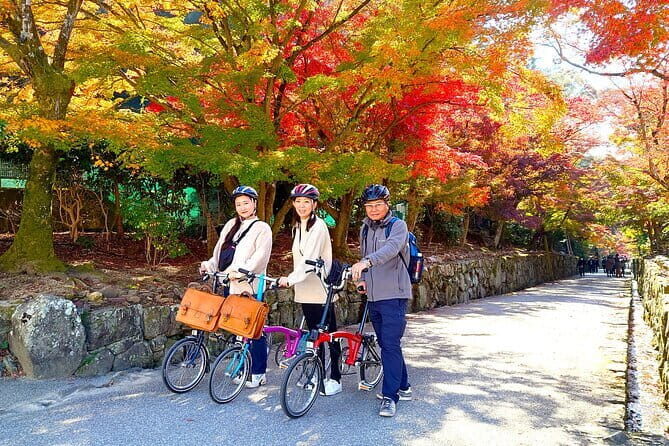
- BROMPTON bike + guide combo: you get the mobility of a bike with the context of someone who knows where to stop and what matters
- Matcha-focused start in town: a stop at the Tea and Uji Community Center Chazuna sets the tone for everything you see after
- Quiet Uji shrines, not a zoo: Uji Shrine, Ujigami Shrine, and the calmer temple rhythm make photos and pauses easier
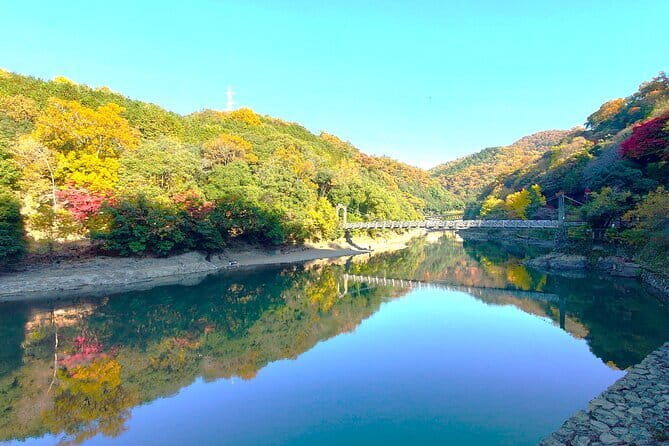
- River-side serenity at Amagase: a nature trail along the Uji River leads to a tranquil wooden bridge viewpoint
- Optional major sights, not forced fees: you choose whether to pay for Chazuna and the Byodo-in Phoenix Hall
- Food built into the pace: your navigator can point you toward a lunch stop that fits your preferences, including dietary needs
Why slow cycling in Uji works so well
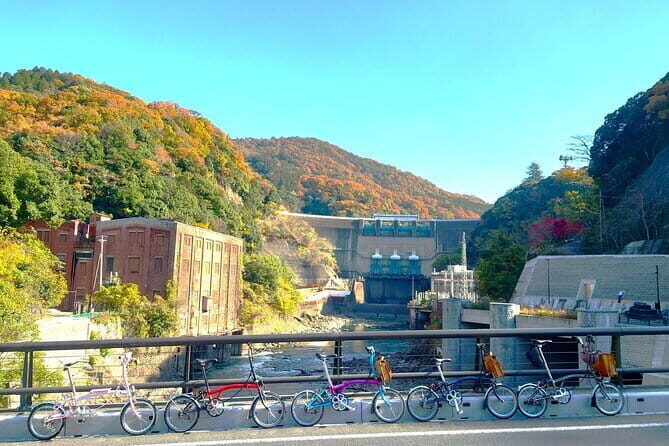
Uji sits south of Kyoto, and it has two faces. One is tea—matcha fields, processing, and shops with serious pride. The other is old Japan—shrines and temples with deep roots and calmer back streets than you’ll find in the center of Kyoto.
What I like about doing Uji by bike is that slow cycling changes your relationship with the place. On foot, you can end up feeling “we’ll see everything” stress. On buses or taxis, you miss the gradual transitions: a tea-related explanation becomes a temple stop, which becomes a river view, which becomes a place you can photograph without backtracking. This tour is designed around that easing pace. You ride easy, stop often, and let the guide’s local knowledge set the tempo.
And yes, the Brompton angle is fun in a practical way. It’s compact, photo-friendly, and it makes you feel like you’re traveling lightly—even though you’re still riding through a full half-day route.
You can also read our reviews of more tours and experiences in Uji.
Price and what you’re really paying for
At $130.46 per person for about 4 hours 30 minutes, this isn’t a “budget ticket,” but it’s not just paying for wheel rentals either. Your price includes:
- bike rental and the riding setup (helmet and wheeled-transport bag/equipment)
- an English guide/navigator fee
- group handling as part of a small tour (max 6)
Then there are optional add-ons:
- insurance (option 500 yen)
- Chazuna entrance (option 600 yen)
- Byodo-in Phoenix Hall entrance (option 700 yen)
- snacks (your navigator can recommend places)
From a value standpoint, I think the cost makes sense if you care about context and time-saving. Uji can be straightforward to reach, but it’s harder to “read” without a guide who can point out the significance of the shrines, the tea story behind each stop, and the best scenic segments to ride. If you’re the type who likes meaningful stops (not just ticking sights), you’ll feel like you got your money’s worth.
Getting started at Chatsubo Postbox Japan and what to bring
The tour meets at Chatsubo Postbox Japan near Uji Station, at Umonji 1716. It starts at 10:00 am and ends back at the same meeting point, so you don’t have to think about transport at the end.
You also don’t need to bring cycling gear. The tour provides bike equipment like a helmet and transport bags for wheeled storage. If you’ve been to Japan and you’ve ever tried to carry bags while sight-seeing, this part matters. The setup is built for a smooth day.
What you should bring is mostly comfort stuff:
- a water bottle (not listed, but it’s smart for an outdoor, sun-and-stop ride)
- weather-appropriate clothing since the tour depends on good conditions
- your camera/phone for the photo stops (you’ll have several chances)
Tea and Uji Town Exchange Center Chazuna: the matcha warm-up
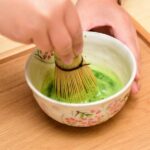
Your ride begins at Tea and Uji Town Exchange Center Chazuna. This is a focused entry point into Kyoto-area tea culture and history. Even if you already like matcha, I find this kind of start makes the rest of the day click. After a short intro, you can look at temples and landmarks with tea-related context in the back of your mind.
This stop is planned for about 45 minutes, and the Chazuna entrance ticket is optional (option 600 yen). That’s a nice flexibility for your budget and attention span. If you want maximum tea detail, you’ll likely pay. If you’d rather spend more time riding or sightseeing elsewhere, you can skip the ticket and still use the time to get oriented.
One practical tip: if you’re a matcha fan, treat this part like your foundation. Later, when you pass Uji’s cultural sites, you’ll understand why matcha isn’t just a drink here—it’s part of identity.
Uji Shrine and Ujigami Shrine: the 1,700-plus year side of town
Next, you head to Uji Shrine. It’s a historic shrine believed to be beneficial for academic success and childbirth. The admission is free, and the stop is about 30 minutes. That timing is good: long enough for a calm walk and photos, not so long that you feel stuck in one spot.
Then comes Ujigami Shrine, paired with Uji Shrine. This stop highlights a specific detail that makes it feel alive rather than generic: a spring called Kirihara Water is still flowing from the grounds. It’s also about 30 minutes and free.
This is where a guide earns their fee. Without local context, shrine visits can feel like you’re repeating a checklist. With a good navigator, you notice the details—placement, meaning, and the way the town’s identity shows up in these sacred spaces. And because this tour is slow cycling, you’re not arriving with the stress of rushing from one crowd zone to another.
You can also read our reviews of more historical tours in Uji
Asagiri Bridge: a quick photo stop with real timing
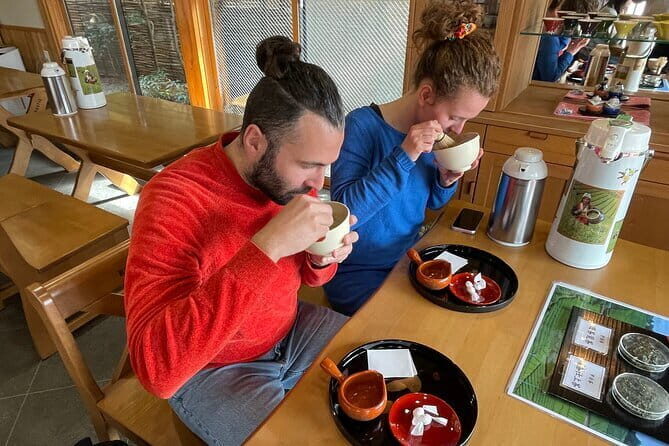
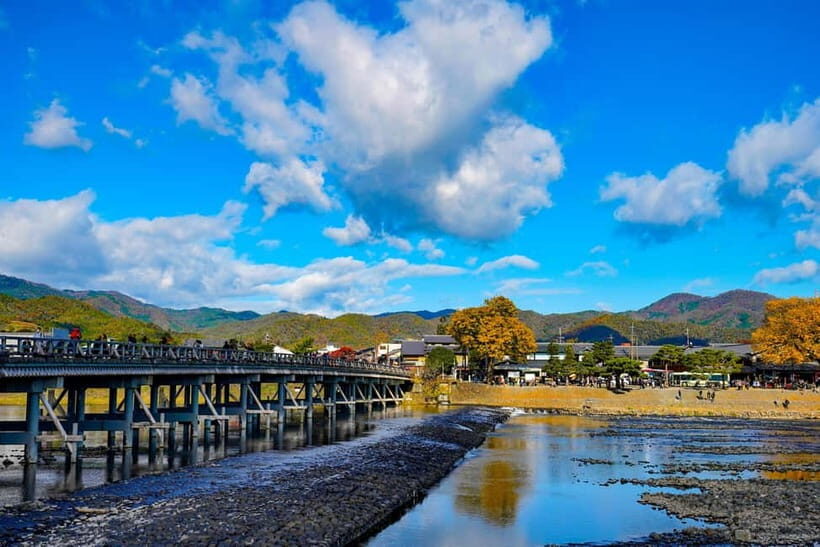
You’ll pause at Asagiri Bridge for about 15 minutes. This is a smaller, quick stop, and it’s free. But it’s timed well. Short bridge breaks are perfect for resetting your eyes after shrine and temple streets, and they give you a change of scenery without losing too much ride momentum.
If you’re traveling with a camera habit (or just want a few good pictures), treat this like your “pause and compose” moment. Bridges over water always look good, and in Uji you get that calm river atmosphere that Kyoto tourists sometimes miss.
Koshoji Temple and the Kotosaka slope walk
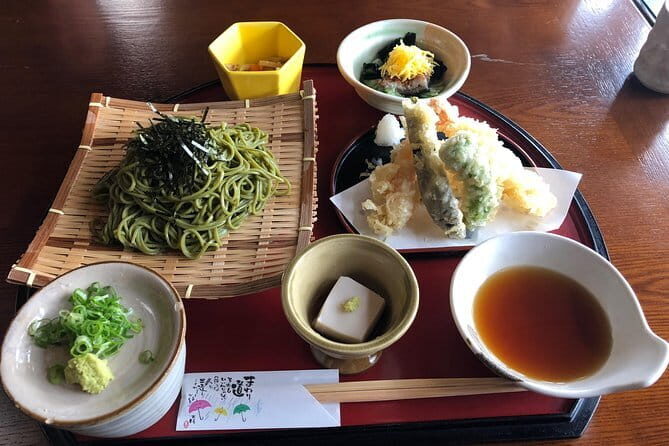
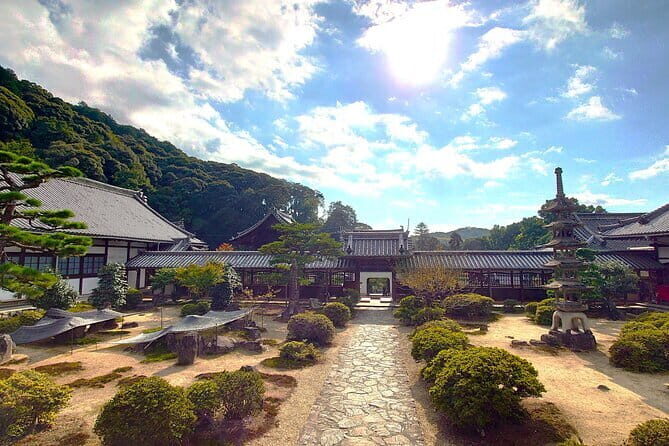
After the bridge, the tour heads to Koshoji Temple (often spelled Koushoji). It’s a Zen temple with about 800 years of history, and the stop lasts around 30 minutes. Admission is free.
The standout feature here is the Kotosaka slope leading from the stone gate to the temple grounds. It’s described as a beautiful path made with stone walls. That’s the kind of detail that makes a short temple visit feel “worth stepping into,” because you get a physical sense of the place rather than just a single building view.
If you care about atmosphere, this stop is a good one to slow down for. Zen spaces tend to reward quiet attention. And because the tour keeps group size small, you’re less likely to feel like you’re moving through a bottleneck.
Amagase Dam and the Uji River trail: the calm part of the loop
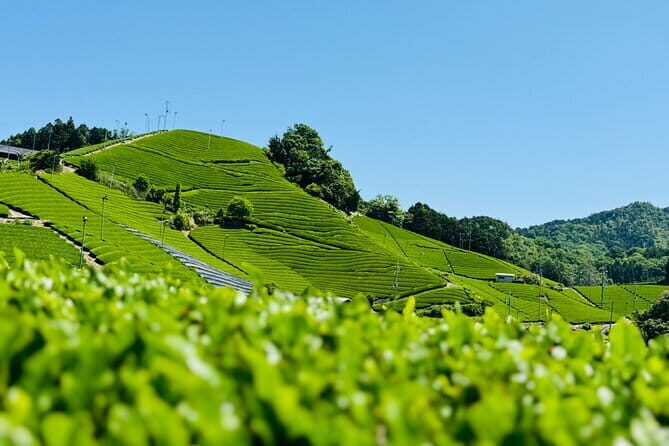
One of the most relaxing segments is the ride to the Amagase Dam area. The plan includes a nature trail along the Uji River, then reaching the wooden Amagase Bridge. The view of the valley is described as so tranquil that Kyoto’s hustle feels distant.
This portion lasts about 1 hour and is free. I really like it because it’s not just a “look at water” moment. It’s the combination of a gentle ride and a walk along a river trail, which makes the scenery feel earned. You’re moving through it, not just parked beside it.
Also, this is where slow cycling shines for non-experts. If your legs aren’t used to sustained cycling, the relaxed pace and planned stops help you enjoy the day without turning it into a workout you regret.
In hot weather, a river route with shaded stretches can be a relief, too. Even if the listing doesn’t spell out shade percentages, the design of the stop suggests a scenic, gentler tempo rather than a “burn time” ride.
Byodo-in Omotesando: choosing Phoenix Hall or a tea break
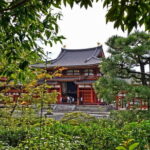
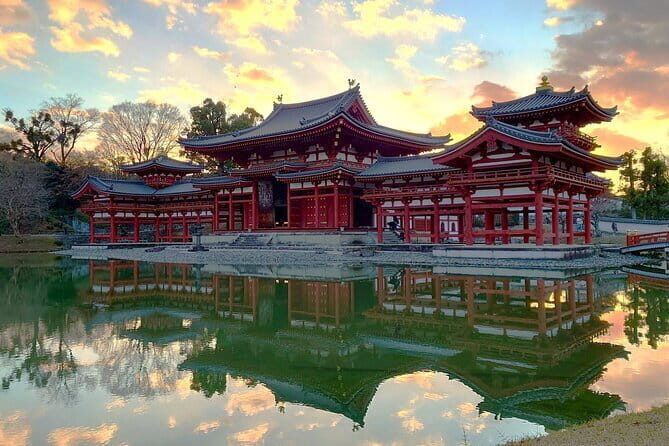
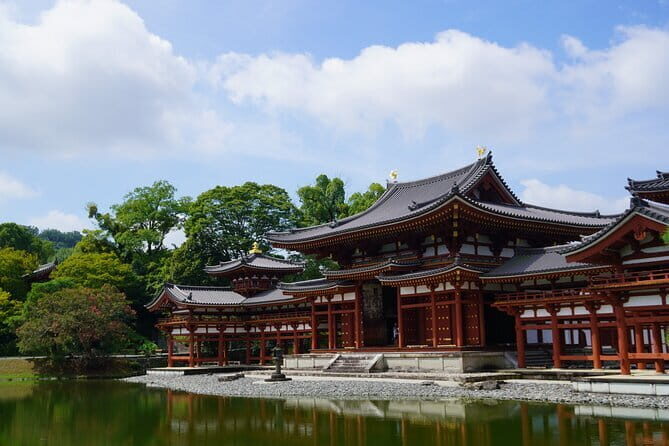
As you return toward the city, the route includes Byodo-in Omotesando, with a planned stop of about 1 hour. Admission to the Phoenix Hall itself is optional (option 700 yen), while you can also use this window to stop for tea in Uji’s tea shops.
This is a smart design choice because Byodo-in can be a highlight, but not every visitor wants the same kind of day. If you want the full UNESCO experience, pay the Phoenix Hall fee. If you’d rather enjoy a local tea break and browse at a slower speed, you can put your time there.
Either way, this is a good ending zone. It ties Uji’s tea identity to its cultural landmarks. And it helps your last hour feel like a graceful finish instead of a rushed dash back to the station.
The Brompton factor: why it’s more than just a bike
A “bike tour” can mean a lot of things. Some are active and long. Some are basically a guided ride with minimal stops. Here, the Brompton matters because it fits the itinerary style.
Small-bike mobility means you can:
- take photos while you’re staged at stops
- move smoothly between the kinds of places people actually visit (shrines, bridges, temple approach paths)
- avoid the feeling of being stuck in the wrong transport mode when the route tightens up
The day is also called slow cycling for a reason. Most travelers can participate, and the pacing is built for sightseeing comfort rather than athletic endurance. If you’re visiting Kyoto and you’re curious about doing more than temples-and-walking, this is a bike experience that doesn’t force you into “all legs, no time” mode.
Lunch, snacks, and how the guide can help your plan
Snacks and refreshment costs are not included. Your navigator will suggest restaurants based on your preferences. That flexibility is useful because dietary needs vary, and Uji’s food scene can be full of surprises.
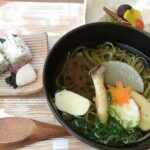
One review detail stood out as practical: people found a lunch stop that worked for vegan and gluten-free needs, and they described it as delicious. That’s the kind of guidance you want from a local guide—knowing which shops can meet real constraints without turning your lunch hour into a search mission.
If you have dietary requirements, it’s worth saying it clearly at the start. The tour structure is set up for the navigator to help match you with a good option.
Should you book this Uji slow cycling tour?
Book it if you want a Uji day that blends matcha education with scenic temple and river time, without turning your trip into a sprint. I’d especially recommend it if:
- you like guided context (not just sightseeing photos)
- you want a small group day (max 6)
- you want a bike experience that’s relaxed, not punishing
- matcha is a priority and you’d like to understand why Uji matters
Skip it or be cautious if:
- you’re traveling at a time when weather might be unstable, since the experience depends on good conditions
- you prefer independent touring where you control every stop and pace with no guide planning
For most people visiting Kyoto and wanting a memorable change of scenery south of town, this tour is a strong fit. You get Uji’s tea story, a calm rhythm of heritage sites, and a bike you’ll be happy to pose with at the scenic moments.
FAQ
How long is the Uji slow cycling tour?
The tour runs for about 4 hours 30 minutes.
What is included in the price?
Your price includes bicycle rental, an English guide/navigator, and riding equipment such as a helmet and a bag for wheeled transport.
What entrance fees might cost extra?
Chazuna entrance fee (option 600 yen) and the Byodo-in Phoenix Hall entrance fee (option 700 yen) are not included.
Is lunch included?
Lunch and snacks for refreshments are not included. Your navigator will suggest places based on your preferences.
How big is the group?
The tour has a maximum of 6 travelers.
Where do we meet, and where does the tour end?
You meet at Chatsubo Postbox Japan near Uji Station (Umonji 1716) and the tour ends back at the same meeting point.
Do I need to bring a bike or helmet?
No. Bicycle rental and helmet/equipment are provided.
Is the tour only in good weather?
Yes. The experience requires good weather, and if it’s canceled due to poor weather, you’ll be offered a different date or a full refund.