REVIEW · UJI
Experience Authentic Japanese Home Cooking in Kyoto
Book on GetYourGuide →Operated by Live Foods Academy · Bookable on GetYourGuide
Kyoto tastes different when you cook it yourself. In a 2.5-hour private class in a traditional Japanese townhouse over 100 years old, you learn to make dashi with real katsuobushi and kombu and you practice delicate Japanese knife skills. I also love the focus on everyday Japanese home cooking inspired by Katsuo Doi, with additive-free seasonings instead of restaurant shortcuts. One consideration: this specific home location doesn’t accept men, though you may be able to arrange an alternate kitchen by messaging the provider.
Getting there is easy. You meet near Subway Shijo Station, then the host leads you to the townhouse area in the Sanjo zone, roughly a 10-minute walk from Sanjo Keihan/Subway Sanjo. From there, the instructor—often described as Kayo—runs the session in clear English, guiding you step by step as you move from broth to main dishes and soup.
What you end up with matters. You’re not just watching a demo; you’re making the food, setting the table, and eating your own cooking—like a warm, Kyoto-family meal. The big payoff is that the techniques are repeatable at home, even if your kitchen is smaller and your knives are less charming than theirs.
In This Review
- Key highlights worth your attention
- Entering Kyoto’s 100-year townhouse kitchen
- Making dashi from katsuobushi and kombu
- Dashi-maki tamago and the art of knife control
- Simmered vegetables, seasonal flavors, and miso soup
- Chicken teriyaki the home-cooking way
- Eating what you cooked, with brand tips you can use
- Price and value of a $122 private cooking day in Kyoto
- Who should book this class in your Kyoto itinerary
- Should you book authentic Japanese home cooking in Kyoto?
- FAQ
- Where do I meet for this cooking class?
- How long is the experience?
- What does the class cost?
- Is this class private?
- What dishes will I cook during the class?
- Do we make dashi with bonito flakes and kelp?
- Will I learn how to use Japanese knives?
- Is instruction available in English?
- Can men participate at this location?
- Is the class suitable for young children?
Key highlights worth your attention
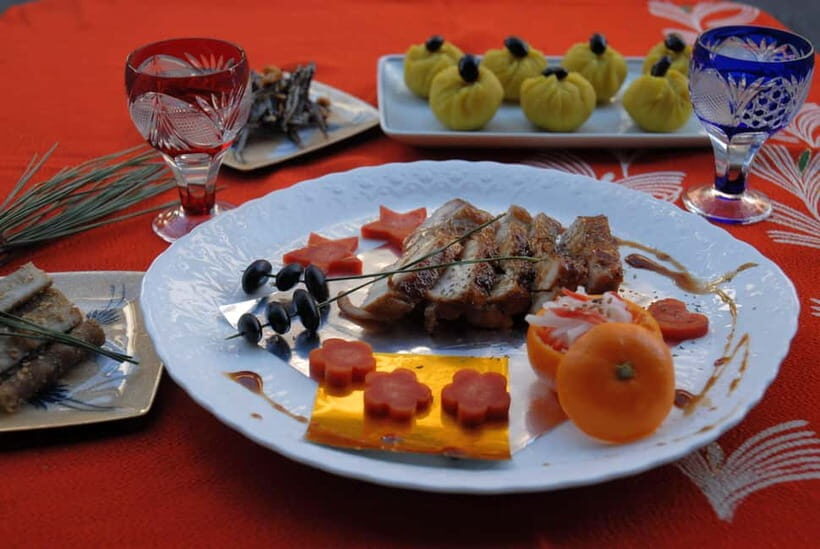
- Real dashi ingredients: katsuobushi and kombu, made from scratch
- Hands-on knife practice: guidance for delicate Japanese knives, not just “be careful”
- Home-style menu you can repeat: dashi-maki tamago, chicken teriyaki, simmered vegetables, miso soup
- Seasonal cooking mindset: seasonal vegetables and flavors, not one-size-fits-all
- Table-setting and plating: you learn how Japanese meals are presented at home
- A 100+ year townhouse: the setting is part of the lesson, not just decoration
Entering Kyoto’s 100-year townhouse kitchen
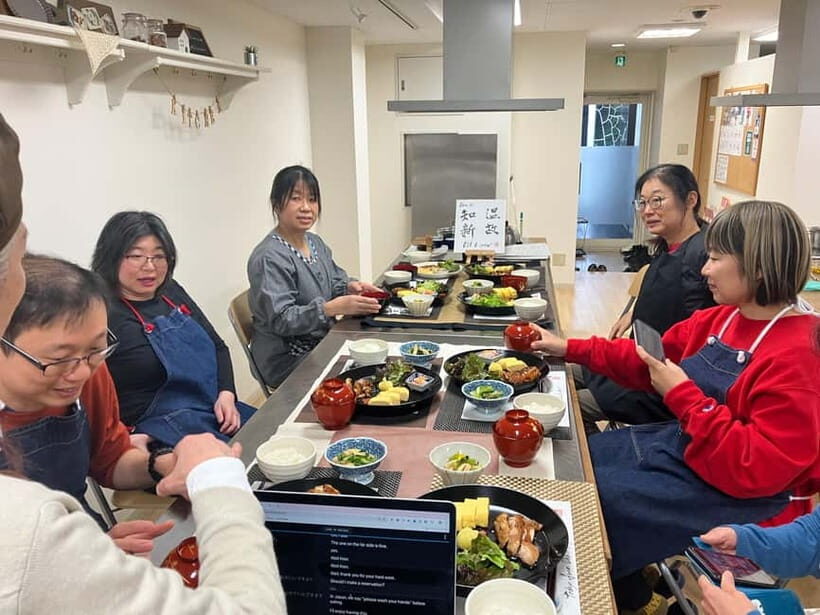
This class is set up like a real home lesson, not a kitchen show. You start in the Sanjo area, and the provider notes that they’ll come to the station to pick you up after your reservation is confirmed. In practice, plan to be flexible for a short walk and a quick handoff from station area to the townhouse.
The location choice feels intentional. Kyoto has plenty of cooking classes, but few give you the sense of stepping into daily life. A townhouse that’s over 100 years old changes the pace: the kitchen feels smaller, calmer, and more focused. You’ll likely notice details you’d miss in a studio classroom—how tools are kept, how space is used, and how the meal naturally becomes the center of attention.
You’ll also want to know the social rules before you book. This particular location does not accept men. If you’re traveling as a man, you can message to ask about a separate rental kitchen option. The format is otherwise private group, so you’re not squeezed into a large class where you only get a few minutes at the cutting board.
Finally, consider who this works best for. If you want a hands-on skill session—broth making, omelet technique, simmering, knife comfort—this is a strong match. If you’re only looking for a quick food tasting without cooking, you might feel a little too involved. The class is built for you to actually cook.
You can also read our reviews of more tours and experiences in Uji.

Making dashi from katsuobushi and kombu
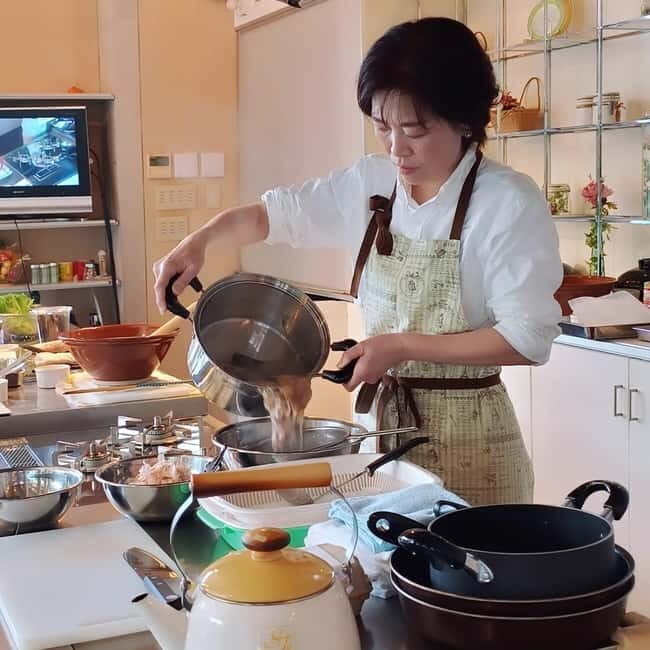
If Kyoto has a flavor backbone, it’s dashi. This lesson starts exactly where Japanese home cooking does: with the broth base made from katsuobushi (bonito flakes) and kombu (kelp). You’ll make the soup stock and then use that same dashi across multiple dishes. That’s a big deal for your future cooking at home—one investment of technique, then several payoffs.
The aroma is part of the experience, and the class philosophy here is very clear: making dashi should feel both relaxing and practical. As the broth simmers, you’re learning more than a recipe. You’re learning what to look for—how the ingredients behave, how the kitchen smells when it’s working, and what “good dashi” means in everyday Japanese terms.
Why this matters for value: a lot of visitors leave Japan knowing how to order food, but not how to recreate the taste. Dashi is the bridge. Once you understand the core broth, miso soup becomes easier. Rolled omelet becomes less mysterious. Even simmered vegetables feel like they have direction instead of just flavor powder.
You’ll also hear the class philosophy tied to Katsuo Doi, one of Japan’s well-known home-cooking experts. The point isn’t academic. It’s a simple idea: Japanese households make delicious food that supports health, using everyday ingredients and methods—not gimmicks, not heavy sauces.
You should be prepared for one small reality of cooking classes: the most important work happens before the dishes look impressive. Dashi may not be visually dramatic, but it’s the foundation. If you enjoy learning fundamentals, you’ll feel right at home here.
Dashi-maki tamago and the art of knife control
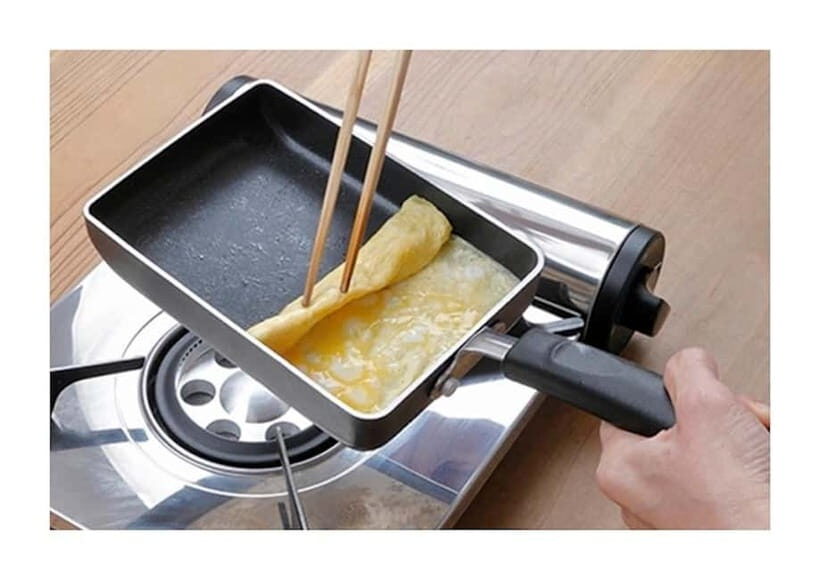
After you build dashi, the class shifts from broth to technique-heavy comfort food: dashi-maki tamago, a rolled omelet using freshly made dashi. This is where you get the most “I can’t believe I made that” momentum.
The omelet itself is straightforward in concept, but tricky in execution—rolling evenly, managing heat, and working at a rhythm that doesn’t turn the egg into scrambled chaos. The class helps you get there with step-by-step guidance, so you’re not left to figure it out from a single instruction card.
Knife skills are folded into the lesson too. You’ll learn how to use delicate Japanese knives, and that piece is genuinely useful. Even if you don’t become the kind of person who buys three different santoku knives, you’ll leave with better control, safer habits, and a sense of why Japanese knife technique changes the cooking experience. Clean cuts help with even cooking and better texture, especially with vegetables.
This is also where that “home cooking” philosophy shows up. Dashi-maki tamago isn’t fancy in the restaurant sense. It’s meant to be nourishing, repeatable, and comforting—something you can make when you want a satisfying meal without complicated steps.
One practical drawback to consider: if you’re expecting a slow, sightseeing-style lesson with lots of chatting and minimal physical work, this part can feel hands-on and skill-focused. You’ll be working at the counter and learning by doing. If you like that style, you’re going to have a good time.
Simmered vegetables, seasonal flavors, and miso soup
Once the omelet is underway, you move into the “steady rhythm” dishes: simmered vegetables and miso soup. The class uses seasonal ingredients, so the vegetables and flavors you work with will reflect what’s currently available. That seasonal approach is a real part of Japanese cooking—not just a marketing line.
Simmered vegetables teach a different kind of patience. You learn how to treat vegetables so they stay pleasant in texture while taking on flavor from the broth and seasonings. This is one of those skills that sounds simple but is hard to fake. A good simmer respects timing and heat; too hot and you lose texture, too gentle and you don’t get flavor absorption.
Then comes miso soup. You’re using the dashi base you made earlier, which ties the whole lesson together. When your broth is already deep and aromatic, miso doesn’t need to carry the entire flavor load. It becomes balanced, soft, and consistent—exactly the kind of soup you want as part of a home meal, not just a salty afterthought.
You’ll also learn about Japanese ingredients and cooking techniques as you go. Even if you know Japanese cooking basics, this class can sharpen your understanding of how ingredients work together. And if you’re totally new, the step-by-step structure helps you avoid the common beginner trap of feeling lost.
One thing I like about this setup is that the dishes cover multiple flavor types: savory broth (dashi), egg richness (tamagoyaki), vegetable sweetness and texture (simmered dishes), and the comforting saltiness and aroma of miso soup. You finish with a meal that feels complete, not like a tasting flight of unrelated items.
Chicken teriyaki the home-cooking way
Next up: chicken teriyaki, made with traditional flavors. Teriyaki can be a confusing word outside Japan. Some versions are glossy, syrupy, and heavy. Here the focus is on a home-style result that fits the rest of the meal you’re building—balanced, not overpowered.
You’ll cook the chicken and learn the traditional flavors behind it. This is also where additive-free seasoning matters. If you’ve only had teriyaki made from highly processed bottled mixes, you’ll notice the difference when flavors are built from real ingredients and used with intention. The class philosophy leans on Japanese families’ everyday practices—food that works with rice, soup, and vegetables in the same sitting.
This part also benefits from the earlier lesson structure. By the time you reach chicken teriyaki, you’ve already practiced making a broth base and cutting vegetables. That means you spend less time fumbling and more time focusing on timing and finishing.
Then there’s the table piece. You’ll plate the dishes beautifully and set the table. This sounds like a small detail, but it changes how you remember the meal. Japanese home dining is about balance and arrangement. When you learn to present food intentionally, you start cooking with the mindset of hosting—even when you’re only cooking for yourself.
If you’re traveling solo, you may also like the rhythm of it. You’re not waiting around for your turn to watch. You’re creating each component, then bringing them together into one coherent meal.

Eating what you cooked, with brand tips you can use
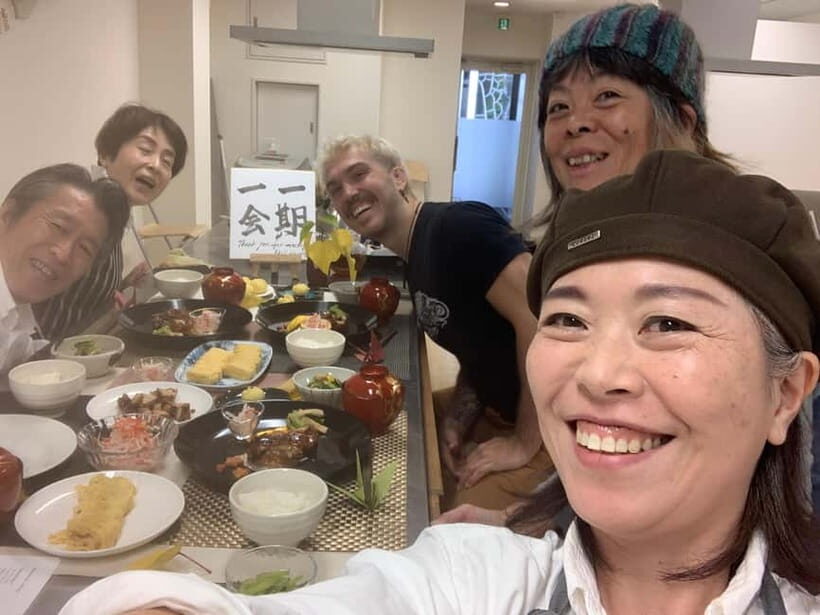
At the end, you sit down to eat what you made. That’s important because home cooking isn’t just technique—it’s taste and adjustment. You can likely tell right away if your dashi balance is off, if the omelet needs a slightly different roll technique, or if simmered vegetables are taking too much or too little flavor.
One highlight from past participants: they valued the instructor’s advice about good brands and what to buy so the dishes stay consistent at home. That’s the kind of practical detail that turns a class into a tool you can use later, not just a nice memory.
You also leave with transferable skills. The menu might look like a list of Japanese comfort foods, but the real training is in the workflow:
- build a base (dashi)
- treat each dish with the right technique (rolling, simmering, seasoning)
- keep flavors aligned across the meal
If you’re the type who cooks a lot when you travel, this is a great fit. If you rarely cook at home, it can still work—you’ll likely come away with a clear short list of what to make first. Dashi-based dishes are an easy starting point because the flavor foundation is reusable.
One more note: dashi soup set is not included. That’s fine, but it means you might want to shop strategically after the class. If you’re buying ingredients to recreate the recipes, ask what to pick while it’s fresh in your mind.
Price and value of a $122 private cooking day in Kyoto
Let’s talk money, because cooking classes can swing wildly in price in Kyoto. This one is $122 per person for a full day experience that focuses on about 2 hours 30 minutes of active instruction, cooking, and eating.
What you get for that price is more than a meal. You get:
- all menus and materials
- rental of aprons and cloths
- a professional cooking instructor in English
- knife guidance plus hands-on cooking
- a private group format
So the question becomes: does $122 buy you real skill and enough food to count as a real experience? Here, yes, because the dishes cover multiple cooking techniques and you handle the process, not just watch it. Most importantly, the class teaches foundational Japanese flavor (dashi) and integrates it into multiple dishes. That multiplies the value of the time you spend.
The setting also has value. Cooking in a traditional townhouse over 100 years old is not just atmosphere. It makes the class feel like a home lesson. That kind of environment is hard to replicate with a standard studio setup.
Two cost notes for your planning: merchandise is not included, and a dashi soup set is also not included. If you want to take ingredients home, budget a little extra for shopping based on whatever the instructor recommends.
Is it worth it compared to cheaper cooking classes? If you want knife skills plus dashi fundamentals plus a full meal with table-setting and plating, the price feels reasonable for what you’re doing and how long you’re there.
Who should book this class in your Kyoto itinerary
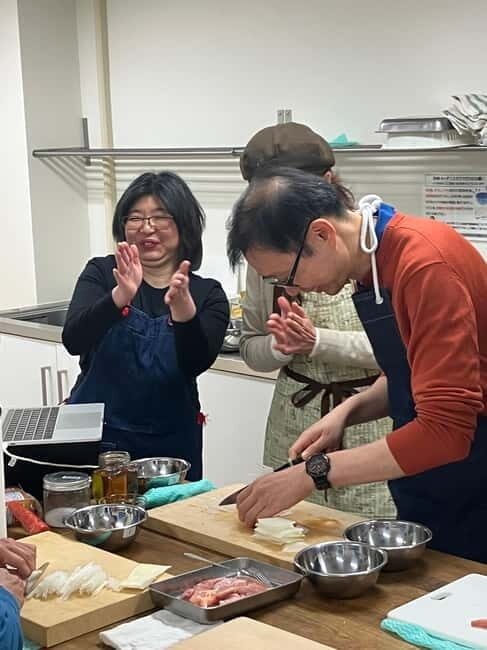
This class is ideal if your Kyoto trip includes culture-and-food days and you want a more personal angle. It’s especially strong if you’re already the kind of visitor who walks to sights and then wants one hands-on moment to slow down.
Location-wise, it’s convenient for sightseeing. The townhouse area is within a 15–20 minute walk of major spots like Heian Shrine, Gion, Yasaka Shrine, and Kyoto Imperial Palace. That makes it easy to plan a morning at one site, then come here for lunch-or-afternoon cooking, then return to the streets.
In terms of learning style, it fits you if you like:
- step-by-step instruction
- practicing technique right away
- learning what ingredients actually do
It may not be ideal if you want a quick food sample only, or if you’re traveling with kids under 6 (the class isn’t suitable for children under 6).
And remember the access rule. Men can’t participate at this location. If you are traveling with a partner where one person is eligible and the other is not, confirm options early by messaging the provider.
A practical strategy: schedule this when you’re not rushing. Kyoto is easier when you’re not trying to do five things in one afternoon. The class is focused and skill-based, and you’ll get more out of it if you arrive rested, not sprinting between landmarks.
Should you book authentic Japanese home cooking in Kyoto?
I think you should book this class if you want more than a tasty meal. The real reason is the combination: dashi from real bonito and kombu, hands-on cooking across a full menu, and knife guidance you can practice later. If you like fundamentals, you’ll feel the momentum as each dish uses what you learned first.
I would skip it if the men-only restriction affects you, or if you dislike active learning. Also, if you’re in Kyoto for a very tight schedule and can’t spare the 2.5 hours, you might feel it’s too concentrated.
If you decide to go, go with the right mindset: treat it like a home lesson, ask questions while it’s still happening, and pay attention to the ingredient tips so you can recreate the taste without guessing.
FAQ
Where do I meet for this cooking class?
You meet at Subway Shijo Station, then walk about 10 minutes to reach the class area.
How long is the experience?
The class takes about 2 hours 30 minutes.
What does the class cost?
The price is $122 per person.
Is this class private?
Yes, it’s a private group experience.
What dishes will I cook during the class?
The menu includes dashi, dashi-maki egg (rolled omelet), chicken teriyaki, simmered vegetables, miso soup, and plating/table-setting.
Do we make dashi with bonito flakes and kelp?
Yes. You’ll make soup stock using bonito flakes (katsuobushi) and kelp (kombu).
Will I learn how to use Japanese knives?
Yes. You’ll learn how to use delicate Japanese knives as part of the cooking instruction.
Is instruction available in English?
Yes. The cooking instructor is English-speaking.
Can men participate at this location?
No. Men can’t participate at this location, though a separate rental kitchen may be arranged if you contact the provider.
Is the class suitable for young children?
No. It is not suitable for children under 6 years old.