REVIEW · UJI
Uji Tea Ceremony and UNESCO Heritage Walking Tour
Book on Viator →Operated by TripGuru · Bookable on Viator
The day starts with a tea-scented walk. I like how this tour pairs a UNESCO stop at Byodoin Temple with a hands-on Japanese tea ceremony at Taihoan, so you don’t just see Uji—you get the story behind it. The main thing to consider is the tea ceremony segment can feel short, so if you want a long, unhurried ritual, plan for that up front.
I also love the small group size (max 9) and the way the guide ties each place together in plain English. You may even hear names like Naoki, Nobumasa Myake, Katsuhiko, or Maru guiding the experience, and the common thread is that they help you understand what you’re looking at while keeping the walk moving.
One more practical point: this is a good-weather walking experience. If conditions aren’t right, the tour may be rescheduled or refunded, so it helps to book with flexibility.
In This Review
- Key things that make this Uji tour worth your morning
- Why Uji works so well for a tea-and-temple morning
- Meeting at Uji Station and how the 3-hour pace actually feels
- Byodoin Temple and the Phoenix Hall: what you should focus on
- Taihoan tea ceremony: learning matcha culture at the source
- Suspension bridge time at Asagiri Bridge: short, scenic, worth it
- Uji Shrine and Ujigami Shrine: the quiet meaning behind the route
- Uji Bridge finish: tasting matcha and local treats after the story
- Price and value: is $70 a good deal for Uji?
- Who this Uji tour suits best (and who should adjust expectations)
- Practical tips so you enjoy the whole route
- Should you book this Uji Tea Ceremony and UNESCO Heritage Walking Tour?
- FAQ
- How long is the Uji Tea Ceremony and UNESCO Heritage walking tour?
- What is included in the tour price?
- What is the start time and meeting point?
- Where does the tour end?
- Is the tour free to cancel if plans change?
- What happens if the tour can’t run due to weather?
Key things that make this Uji tour worth your morning
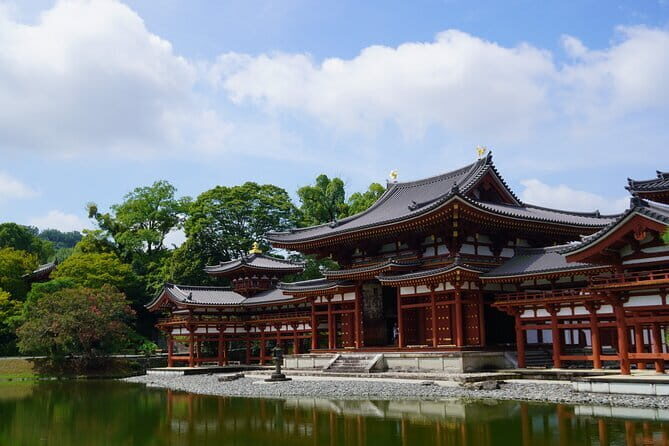
- UNESCO access at Byodoin Temple with admission included and time to focus on the Phoenix Hall
- Tea ceremony at Taihoan tied to the origin story of Japan’s green tea
- Easy scenic breaks with suspension bridge views instead of nonstop trudging
- Shrine time with quiet context at Uji Shrine and Ujigami Shrine
- A satisfying finish at Uji Bridge with green tea and local treats to try after you learn the culture
Why Uji works so well for a tea-and-temple morning
Uji sits in that sweet spot: close enough to Kyoto for an easy day, but still different. It’s the kind of place where you can go from grand temple architecture to small, everyday tea culture in a short time.
What makes this tour a smart choice is the mix. You get a major historical site, then you shift to a living tradition (tea), then you slow down again at bridges and shrines. That pacing matters if you’re trying to understand Uji rather than just ticking landmarks.
You can also read our reviews of more walking tours in Uji
Meeting at Uji Station and how the 3-hour pace actually feels

You meet at Uji Station (611-0021 Kyoto, Uji, Uji Uji-uchimo 1716) at 9:45am, and the tour ends at Uji Bridge (Otsukata Uji, Kyoto 611-0021). It’s set up like a focused loop: you walk between nearby sites, stop often enough to absorb the details, and still keep the day efficient.
The walk is described as a heritage walking tour, but the time at each stop is controlled. You’ll spend about an hour at Byodoin Temple, then move on to Taihoan for the tea ceremony, followed by shorter photo and shrine visits, and finally a longer finish at Uji Bridge. With a maximum of 9 people, it’s easier to ask questions and keep the group together.
If you’re bringing kids or anyone who gets tired on long sightseeing days, this kind of structured timing can be kinder than a full-day independent plan.
Byodoin Temple and the Phoenix Hall: what you should focus on
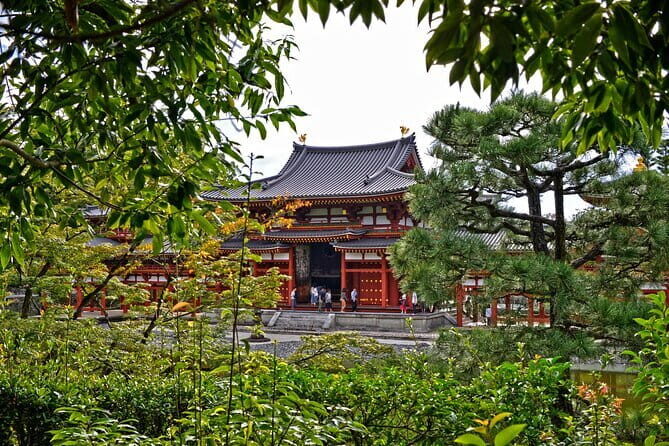
Your first stop is Byodoin Temple, a UNESCO World Heritage Site. You’ll have about 1 hour, and entrance is included. The star attraction here is the Phoenix Hall, with over a thousand years of history tied to Uji’s cultural importance.
Here’s how to make the most of that hour:
- Spend a few minutes looking outward first, not at your feet. The hall and its setting make sense together.
- Then shift to details—architecture and how the space feels—because that’s where the historical context clicks.
- Ask your guide what to look for. This is one of those temples where explanations change the experience.
A common highlight in guide-led temple visits is the museum time and the way it frames the site. If your group includes time to connect the museum perspective to what you see at the temple, you’ll leave with more than photos—you’ll leave with understanding.
Taihoan tea ceremony: learning matcha culture at the source
Next comes Taihoan, tied to the birthplace story of Japan’s green tea. This is the heart of the tour if you want more than a snack stop.
You should expect about 30 minutes of tea ceremony, with the experience described as an authentic ceremony and time to learn how the tea preparation works. In practical terms, that means you’ll be learning the steps, the mindset, and the etiquette that surrounds tea.
Two things I especially like about choosing this ceremony as part of a guided route:
- You learn while you’re there. Tea culture is hard to fully grasp from a menu or a short demo. This gives you a real sequence to follow.
- You connect it to the place. Taihoan isn’t just a venue; it’s presented as tied to the early story of green tea in Japan, which adds meaning when you taste afterward.
Possible drawback: the ceremony portion can feel brief compared with a longer standalone class. If you’re the type who wants a slow, multi-course tea education, you may want to treat this tour as an introduction, then plan a deeper matcha session later.
Suspension bridge time at Asagiri Bridge: short, scenic, worth it

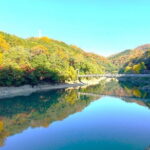
Between the big indoor moments, you get a breather at Asagiri Suspension Bridge and the Tachibara Suspension Bridge area. This is a shorter stop (about 15 minutes), and admission is free.
This isn’t the place to expect a long hike. It’s a photo and viewpoint stop—perfect for:
- stretching legs after temple and ceremony seating
- grabbing that river-and-bridge scenery that makes Uji feel like its own world
- slowing down long enough to notice how Uji’s geography shapes its tea culture and daily life
If you’re traveling in a season with nicer light (and some people mention autumn color timing), the bridges can be extra pretty. Even without that, the structure and the views are a nice contrast to temple architecture.
You can also read our reviews of more historical tours in Uji
Uji Shrine and Ujigami Shrine: the quiet meaning behind the route
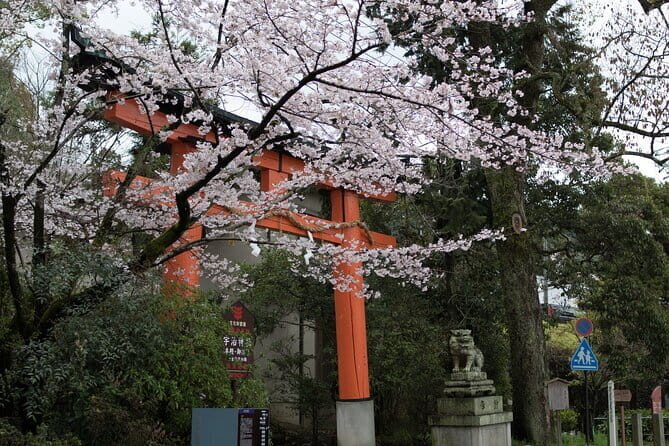
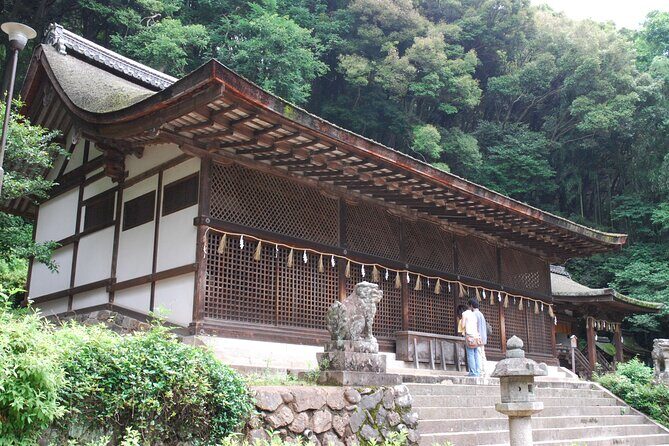
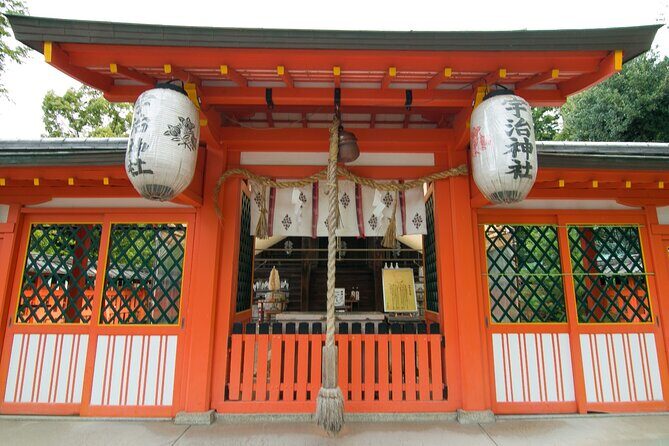
The tour includes shrine visits: Uji Shrine and Ujigami Shrine. You’ll have about 20 minutes, and these stops are free of admission fees in the tour description.
Why these shrines matter on this specific tour: they sit inside the wider theme of sacred space and tradition. After Byodoin and Taihoan, these shrines help you see that Uji’s identity isn’t only about tea—it’s also about reverence, ritual, and the way communities preserve spiritual sites.
To get value from this part:
- Keep your pace calm. Shrines reward patience more than speed.
- Let your guide explain the cultural significance before you rush to take pictures.
- Notice how the tone changes from the busier main temple areas.
This segment is short enough to stay comfortable, but long enough to feel that you’ve paid attention rather than just passed through.
Uji Bridge finish: tasting matcha and local treats after the story
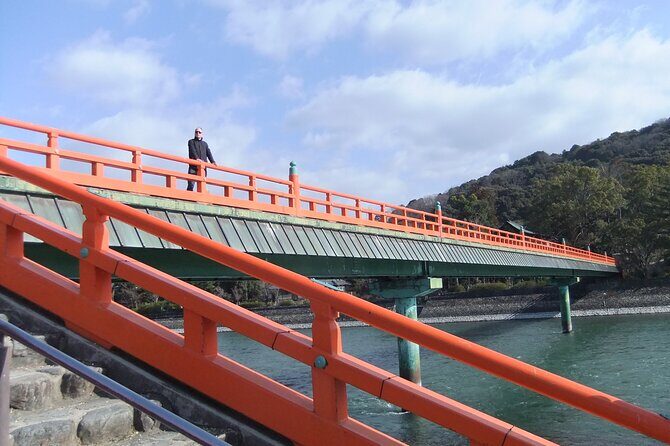
The tour ends at Uji Bridge, with about 45 minutes to enjoy the area. Admission isn’t listed here, and the focus shifts to local food and tea culture.
The tour description is clear that you’ll get a chance to taste Uji’s green tea and local delicacies at the finish. I like this design because it comes at the end, when your brain is already in Uji mode. Instead of eating and then learning later, you learn first—then taste with context.
Practical advice:
- If you have dietary needs, use this time to ask questions right away while you’re still near the food options.
- If you’re a matcha fan, this is a great moment to compare flavors and textures to what you experienced in the ceremony.
Because specific items aren’t listed in the provided details, treat this as a tasting window where you choose what fits your appetite and budget.
Price and value: is $70 a good deal for Uji?
At $70 per person for about 3 hours, the value comes from what’s actually included, not from the headline number.
Here’s what you’re buying:
- English-speaking guide (this is the real multiplier for history and etiquette)
- Byodoin Temple admission included
- Tea ceremony time at Taihoan
- A guided walk that connects the sites, plus scenic bridge viewing and shrine context
If you attempted to DIY this route, you’d still need to handle:
- finding the right sequence of stops
- dealing with interpretation on your own (especially at temples and during the ceremony)
- lining up the tea ceremony experience without getting lost in logistics
The group discount and mobile ticket are bonuses, but the bigger value is the guide’s ability to turn places into understanding. When a guide is good, you stop seeing isolated dots on a map and start seeing how Uji connects them.
Who this Uji tour suits best (and who should adjust expectations)
This works well if you want:
- a guided introduction to Uji tea culture plus UNESCO temple sights
- a smooth half-morning time plan that doesn’t feel chaotic
- small-group attention (max 9), which helps with questions and pacing
It may be less ideal if:
- you’re expecting a long, deep tea masterclass (the ceremony time is set and not described as extended)
- you hate walking. This is not a marathon, but you are moving between multiple sites over the morning
For couples, families, and solo visitors, it’s a solid “get the meaning fast” option. If you’re staying near Kyoto, it’s also a smart way to see Uji without feeling like you’re juggling trains and schedules all day.
Practical tips so you enjoy the whole route
A few small things can make a big difference on a walking-focused morning in Uji.
- Wear comfortable shoes. Bridges and temple approaches add up more than you think in 3 hours.
- Bring a light layer. Mornings can shift temperature, and you’ll spend time outside between stops.
- Arrive a few minutes early at Uji Station at 9:45am. That makes it easier for your group to regroup smoothly.
- Since the experience requires good weather, keep an eye on conditions and plan around rescheduling if needed.
Also, if you care about matcha or tea education, use the tasting finish at Uji Bridge as your “notes in your mouth” moment. Compare what you learned during the ceremony with what you taste at the end.
Should you book this Uji Tea Ceremony and UNESCO Heritage Walking Tour?
Yes—if your goal is a guided Uji experience that connects UNESCO temple architecture, Taihoan tea tradition, and real local tea culture in one compact morning. The price makes sense when you count the included entrance, the guided interpretation, and the tea ceremony time.
If you’re the type who wants an extended tea workshop, book this as your first taste of the ritual, then look for a longer ceremony class elsewhere. But for most people, this is a very efficient way to understand Uji and leave with both photos and context.
If your schedule allows flexibility on weather, it’s even better. A short morning in good conditions beats a bigger plan that gets delayed.
FAQ
How long is the Uji Tea Ceremony and UNESCO Heritage walking tour?
It lasts about 3 hours.
What is included in the tour price?
You get an English-speaking guide, 30 minutes of tea ceremony, and entrance fees to Byodoin (Byodo-in). The tour also includes the guided sightseeing stops described in the route.
What is the start time and meeting point?
The tour starts at 9:45am at Uji Station (611-0021 Kyoto, Uji, Uji Uji-uchimo 1716, Japan).
Where does the tour end?
The tour ends at Uji Bridge (Otsukata Uji, Kyoto 611-0021, Japan).
Is the tour free to cancel if plans change?
Yes. Free cancellation is available if you cancel at least 24 hours before the start time for a full refund.
What happens if the tour can’t run due to weather?
The experience requires good weather. If it’s canceled because of poor weather, you’ll be offered a different date or a full refund.