REVIEW · TOKYO
Experience a western twist on Japanese sake snacks
Book on Viator →Operated by Shinbashi Tamakiya · Bookable on Viator
Tsukudani tastes better when someone guides you. This private Tokyo snack experience turns Japanese preserved seafood into a guided tasting, with sake or wine pairings and context that makes each bite click. You’ll learn why tsukudani has lasted since Edo-period times, then try it in both old-school and more modern styles.
What I like most is the private format. You get a real back-and-forth while you taste, and the host works the table around your interests, including how you should eat the snack and how to match it to alcohol. A second big win is the range: you’re not stuck on one basic flavor, you get a sequence of traditional and contemporary tsukudani ideas, plus rice with furikake and even versions using pasta and nuts.
One consideration: the tastings come with alcohol pairings (wine or sake), so if you’re avoiding alcohol you’ll want to say so ahead of time. Otherwise, plan to enjoy the pairing as part of the experience.
In This Review
- Key Highlights You’ll Care About
- A Western Twist on Japanese Sake Snacks, Done in Tokyo’s Tsukudani Temple
- Walking Into Shinbashi Tamakiya (Founded 1782) Like You Mean It
- How the Pairing Works: Sake or Wine, and Why That Matters
- Your Private Tasting Timeline: From Shop History to “Secret Sauce”
- The Tsukudani Flights You’ll Actually Eat (Traditional, Then Modern)
- “How to Eat It” Is Part of the Meal, Not a Lecture
- What You Get (and What You Don’t)
- Price and value: $36.24 for 90 minutes of guided flavor
- Logistics That Matter: Timing, Mobile Tickets, and Where to Show Up
- Who Should Book This Tsukudani Tasting (and Who Might Skip It)
- Should You Book Shinbashi Tamakiya’s Tsukudani Private Tasting?
- FAQ
- How long is the tsukudani private tasting?
- Where is the meeting point?
- Is this experience private?
- What do I eat during the tasting?
- Are sake or wine included?
- Can I choose a morning or afternoon time?
- How much does it cost?
- What is the cancellation policy?
Key Highlights You’ll Care About
- Shinbashi Tamakiya, founded in 1782, serving tsukudani in an old Tokyo shop
- Sake or wine pairing included, with guidance on how to match flavors
- A true private tasting, only your group, built around your schedule (morning or afternoon)
- Secret sauce + three signature tsukudani, so you get more than random bites
- Traditional and modern twists, including rice with furikake plus pasta and nuts
- A “how to eat it” lesson, not just tasting and walking away
A Western Twist on Japanese Sake Snacks, Done in Tokyo’s Tsukudani Temple
Tsukudani is one of those foods that sounds simple until you taste it—and then you realize it’s basically Japanese flavor engineering. It’s preserved seafood cooked down until it becomes intensely savory, often balanced by sweetness, soy depth, and the salty comfort you associate with a good snack.
At Shinbashi Tamakiya (in Shinbashi), the point isn’t to turn tsukudani into a “trend.” It’s to show how it started, how people ate it, and how today’s cooks keep reworking the idea while staying respectful to the base technique. That’s what makes this feel like a great Tokyo food stop rather than a one-note tasting.
You can also read our reviews of more food & drink experiences in Tokyo


Walking Into Shinbashi Tamakiya (Founded 1782) Like You Mean It
The meeting point is right at Shinbashi Tamakiya in Minato City: 4-chōme254 石田ビル 1階, Shinbashi, Tokyo 105-0004, Japan. If you’re using transit, you’ll be glad it’s near public transportation, since you’re doing this as part of a day of exploring.
Inside, the experience is designed to be calm and focused. With a private tasting, you’re not squeezed into a fast-moving line with strangers, and you’re more likely to ask the questions that pop up while you’re eating. The atmosphere matters here because tsukudani is subtle in a way that rewards attention—texture, salt level, sweetness, and the way the seafood aroma changes from bite to bite.
Also, the shop’s founding year (1782) isn’t just trivia. It sets the tone: tsukudani isn’t treated like a gimmick. It’s treated like a craft that has been refined over generations.
How the Pairing Works: Sake or Wine, and Why That Matters
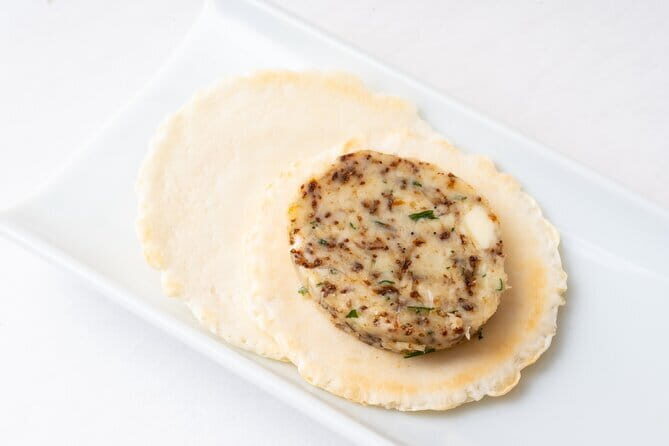
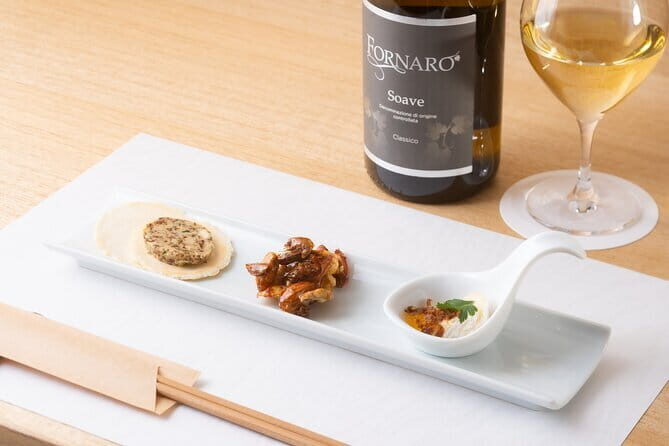
You get all tsukudani tastings with wine or sake pairings, and you don’t just receive alcohol with food like an afterthought. The host encourages you to think about matching flavors and encourages you to propose your own pairing style—basically, you’re learning by doing.
Here’s what I think is smart about that approach: tsukudani is salty and concentrated, so your drink can either fight the flavor or sharpen it. A good pairing helps you taste different layers: the sweetness, the umami, the sea-cured funk, and the way fat or starch changes what you perceive as savory.
So while the menu will include both traditional and modern versions, the pairing angle makes each version feel different instead of repetitive. It turns a snack list into a sequence of flavor experiments.
Your Private Tasting Timeline: From Shop History to “Secret Sauce”
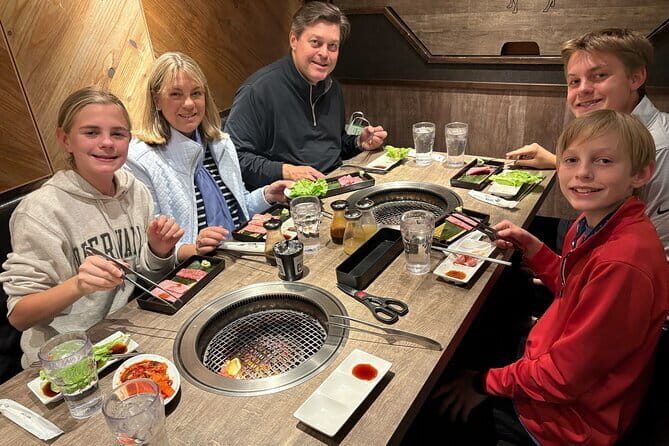
This experience is about 1 hour 30 minutes of structured tasting, designed to fit comfortably into a busy Tokyo itinerary. You also choose a morning or afternoon slot, which is huge if you’re trying to coordinate with other plans.
The pacing usually goes like this:
- You start with the shop’s history and how the tsukudani dish became part of Japanese food culture.
- Then you move into tasting, including the shop’s secret sauce.
- After that, you go through the tasting set in a sequence that highlights contrasts.
The shop history and the dish history matter because tsukudani is tied to preservation—food you can store, food that traveled through seasons. When you understand that origin, the modern add-ons (like pasta and nuts) stop feeling random. They start feeling like today’s way of honoring the same comfort-food problem: how to make preserved seafood enjoyable again and again.
And then comes the practical part: tasting the secret sauce and sampling the shop’s three signature tsukudani. That’s a nice structure because it gives you clear anchors. You can remember what the “core” flavors are, then notice how each variation shifts the balance.
The Tsukudani Flights You’ll Actually Eat (Traditional, Then Modern)
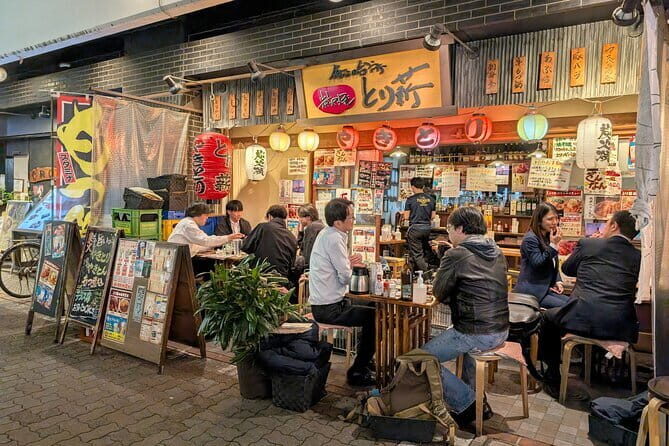
Tsukudani can be chewy, sticky, flaky, or spoonable depending on how it’s prepared and cooked down. In this tasting, you’ll sample traditional and modern versions so you don’t just learn one style of seafood preservation.
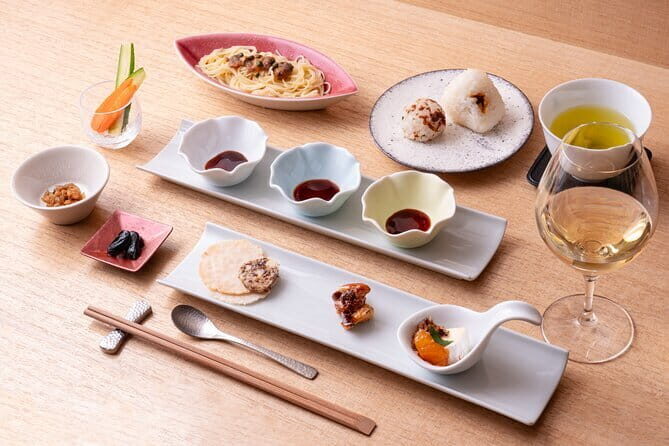
After the shop’s context and secret sauce, you try the three signature options first. This is the part I’d treat as your baseline. If you’re new to tsukudani, those bites help you learn what to expect from the “family resemblance”: salty sea depth, sweet soy-like notes, and that cooked-down richness.
Then you shift into the more playful side:
- Rice with tsukudani and furikake seasonings: this is where the snack stops being just a side and becomes a meal concept. Furikake adds color and extra aroma (often sesame and dried ingredients), and it changes the bite from concentrated seafood into something more layered and comforting.
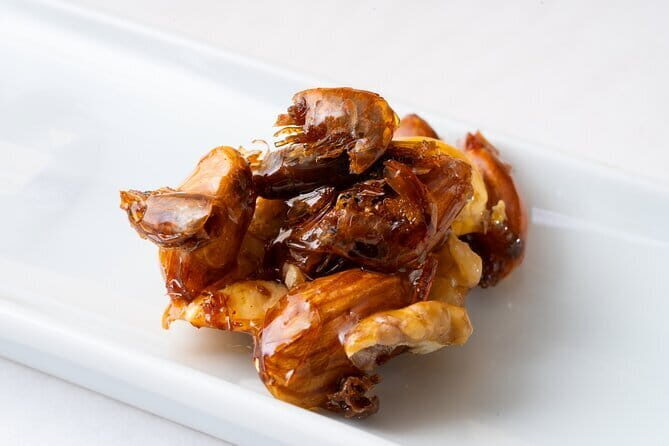
- Tsukudani with various ingredients such as pasta and nuts: this is the western twist you came for. It’s not trying to replace Japanese food; it’s using familiar textures to carry the tsukudani flavor into a different format.
The value here is that you taste tsukudani in more than one “serving language.” Some people think of tsukudani only as a topping; others might think it’s too salty or too old-fashioned. This format gives you a chance to correct that assumption through comparison.
You can also read our reviews of more drinking tours in Tokyo




“How to Eat It” Is Part of the Meal, Not a Lecture
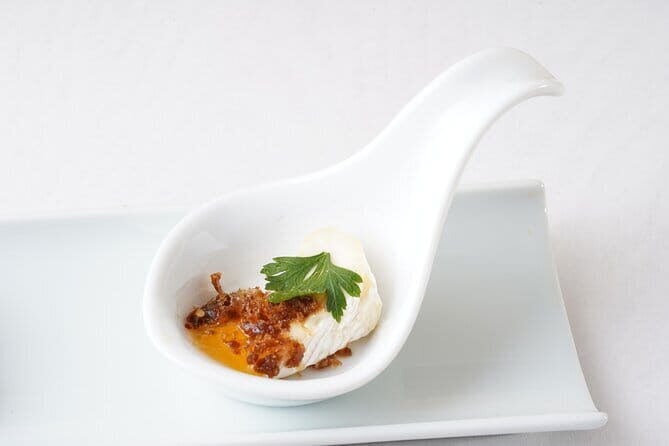
One of the most useful things in this kind of tasting is instruction on how to eat the food so you can actually taste it. Here, the host talks through how to approach it—how the flavors behave and how the pairing influences the experience.
You’ll also get help with the idea of arranging tsukudani to match with your choice of wine or sake, which is more than polite guidance. It pushes you to notice patterns: when sweetness helps, when salt dominates, and when aroma becomes the main character. Even if you don’t consider yourself a pairing person, this kind of coaching turns you into a faster, more confident taster.
What You Get (and What You Don’t)
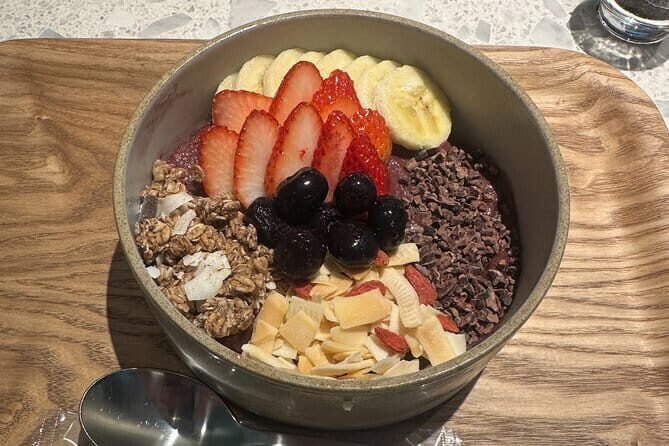
Included in your $36.24 per person price:
- Brunch (the tasting comes as a food experience, not just small samples)
- Alcoholic beverages (wine or sake pairings)
- Snacks (all tsukudani tastings plus food components like rice and other modern-style variations)
Not included:
- Other personal expenses
Price and value: $36.24 for 90 minutes of guided flavor
This isn’t “cheap,” but it also isn’t overpriced when you consider what’s included: multiple tsukudani tastings, a structured sequence, and alcohol pairings, in a private setting.
In Tokyo, a guided private food experience with tastings can easily add up fast. Here, you’re paying for three things at once: the food, the pairing coaching, and the shop-specific expertise tied to an established tsukudani maker. If you love food but hate standing in lines, the private format is where the cost starts to feel reasonable.
Logistics That Matter: Timing, Mobile Tickets, and Where to Show Up
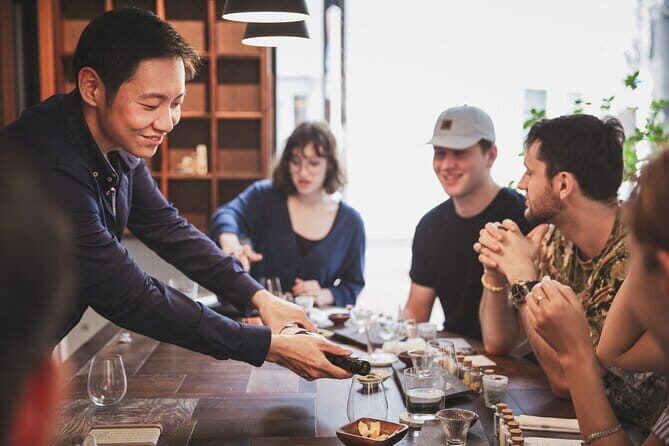
This activity runs about 1 hour 30 minutes. You’ll choose either a morning or afternoon slot, which helps you avoid stacking too much on one day.
You’ll get a mobile ticket, which is practical in a city where you don’t want to mess with paper forms. If you’re planning your day, give yourself a little buffer time to arrive at Shinbashi Tamakiya and settle in. When a tasting is this focused, being early is like a free upgrade to the experience.
Who Should Book This Tsukudani Tasting (and Who Might Skip It)
I think this works especially well if:
- You like learning what you’re eating, not just eating it
- You want a Japanese snack experience with a clear story and modern twists
- You enjoy sake or wine pairings and want help doing it the right way
- You prefer private food time over crowded group sessions
It might not be your best match if:
- You strictly avoid alcohol, since wine or sake pairings are part of the tasting
- You’re only looking for a quick street snack and nothing else
Should You Book Shinbashi Tamakiya’s Tsukudani Private Tasting?
Yes—if you want a Tokyo food stop that feels intentional. This is the rare tasting where history isn’t just displayed on a wall; it’s built into the sequence of bites, and the pairing isn’t treated like a bonus—it’s part of the tasting logic.
If you’re curious about tsukudani but worry it might be too salty or too old-school, this is a smart way to test that fear. You’ll get both traditional and modern versions, plus rice with furikake and western-leaning combinations like pasta and nuts, so you can find the version that actually fits your tastes.
FAQ
How long is the tsukudani private tasting?
It lasts about 1 hour 30 minutes.
Where is the meeting point?
The tour starts at Shinbashi Tamakiya, 4-chōme254 石田ビル 1階, Shinbashi, Minato City, Tokyo 105-0004, Japan.
Is this experience private?
Yes. It’s a private tour/activity, and only your group participates.
What do I eat during the tasting?
You try tsukudani in traditional and modern versions, including all tsukudani tastings, the shop’s secret sauce, three signature tsukudani, rice with tsukudani and furikake, and tsukudani paired with ingredients such as pasta and nuts.
Are sake or wine included?
Yes. The tastings include wine or sake pairings, along with alcoholic beverages.
Can I choose a morning or afternoon time?
Yes. You can choose either morning or afternoon tastings.
How much does it cost?
The price is $36.24 per person, and it includes brunch, alcoholic beverages, and snacks.
What is the cancellation policy?
You can cancel for free up to 24 hours in advance for a full refund, based on the experience’s local time.