REVIEW · KYOTO
Kyoto/Osaka: Nara, Fushimi Inari Taisha, Arashiyama Bus Tour
Book on GetYourGuide →Operated by Japan Visionary Tour · Bookable on GetYourGuide
Three temples, one day, zero map stress. What I like most is the easy flow between Nara Park deer and the red torii tunnel of Fushimi Inari Taisha, with an English-speaking guide helping you hit the right spots without getting tangled up in train transfers.
The trade-off is time. With only about 1 hour in Nara and a packed Arashiyama block, you’ll see the big moments, but you can’t really slow-walk your way through everything.
In This Review
- Key things that make this tour tick
- The $52 value: Nara + Fushimi Inari + Arashiyama in one ride
- Nara Park: feeding deer and spotting the etiquette fast
- Fushimi Inari Taisha: the vermilion torii gates and prosperity vibes
- Arashiyama’s two-part approach: bamboo forest calm, then more shrines and views
- Bamboo Forest: the classic Zen pause
- Nonomiya Shrine: love and academics, with the Kuroki Torii
- Tenryu-ji (optional extra fee): UNESCO Zen gardens
- Togetsukyo Bridge and Kimono Forest: views plus quick photo wins
- Togetsukyo Bridge: classic Arashiyama river views
- Kimono Forest: the 600-pillar art installation
- Arashiyama foot bath: the practical finish to a long day
- How the bus tour pacing feels in real life
- Who should book, and who should plan it independently
- Should you book this Kyoto/Osaka day trip? My take
- FAQ
- FAQ
- How long is the Kyoto/Osaka Nara and Arashiyama bus tour?
- What time does the tour depart from Osaka and Kyoto?
- Where is the meeting point?
- Can I choose where I get dropped off?
- What is included in the price?
- Are meals included?
- Is Tenryu-ji Temple included?
- What languages will the guide speak?
- What should I bring?
- Is the tour suitable for wheelchair users?
- Can I cancel for a full refund?
Key things that make this tour tick
- Nara Park deer interaction: you’re not just watching them—you get shika senbei (deer crackers) to feed and enjoy.
- Fushimi Inari’s famous torii tunnel: thousands of vermilion gates up the mountainside, with a real sense of atmosphere as you walk.
- Arashiyama in a single afternoon: bamboo forest calm plus shrine and temple stops without you planning routes.
- Nonomiya Shrine for love and academics: the small stop is tightly focused on blessings, including the Kuroki Torii.
- Optional Tenryu-ji Temple: UNESCO Zen temple grounds if you want to add the Sogenchi Garden.
- Practical guide energy: recent experiences praise guides who stay organized, keep departures smooth, and even help the group get moving on time.
The $52 value: Nara + Fushimi Inari + Arashiyama in one ride
For a one-day plan that hits three of the hardest-to-choose Kyoto area icons, this tour pricing can make sense. At $52 per person, you’re paying for the big stuff people usually struggle with: getting between neighborhoods, keeping a group together, and having an English-speaking guide explain what you’re looking at.
The included pieces matter here. You get an air-conditioned vehicle, an English-speaking guide (English and Chinese are offered), and the usual trip overheads like taxes and parking. Food and drinks are not included, so you’ll still need to budget a little for snacks or meals while you’re on your own breaks.
The most important value point for me: you get a day that’s planned down to the timing, so you can spend your energy on walking the sights—not figuring out which station, bus, or transfer will get you there.
You can also read our reviews of more tours and experiences in Kyoto.


Nara Park: feeding deer and spotting the etiquette fast
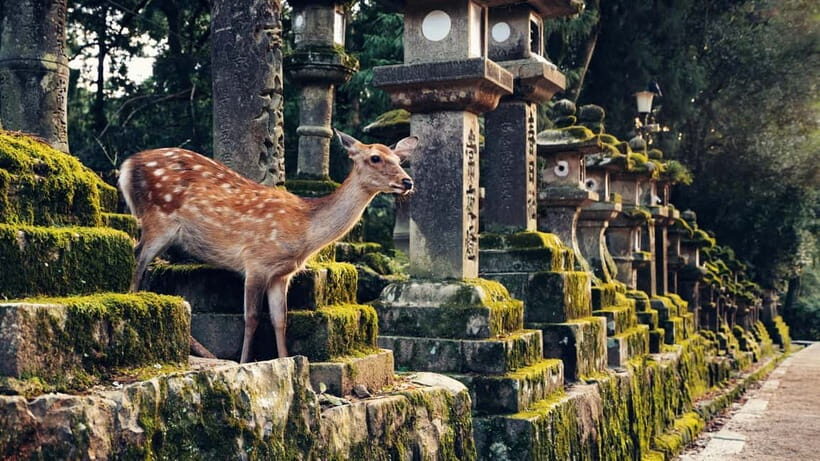
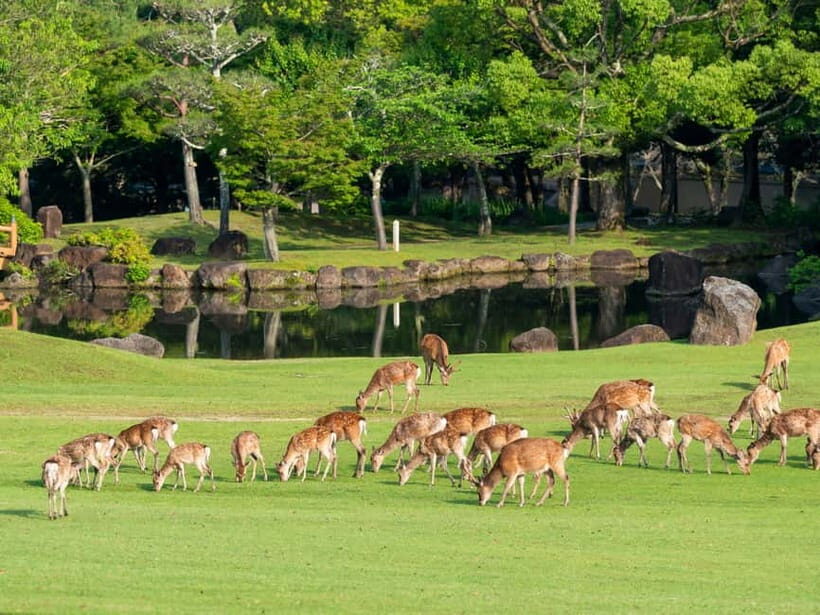
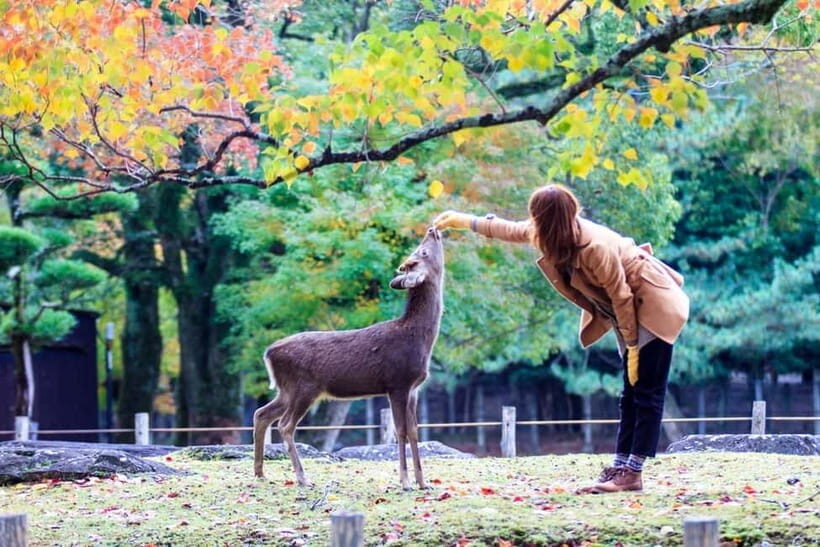
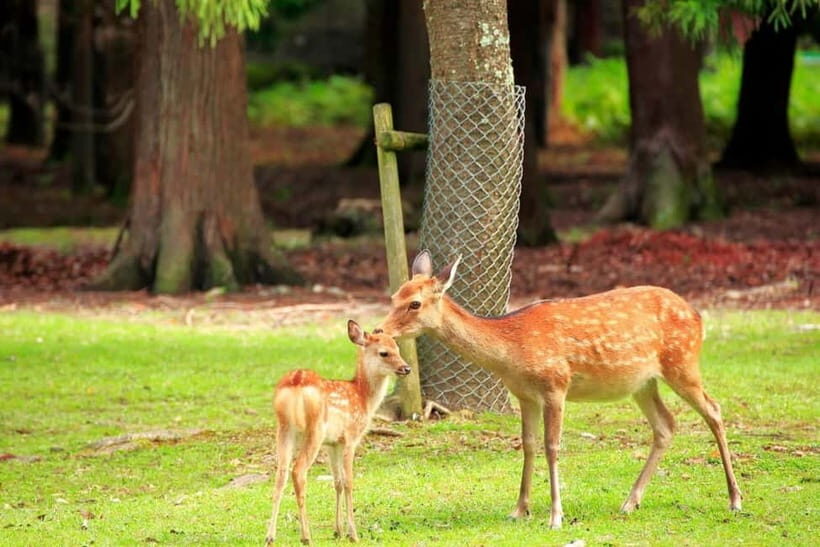
Nara Park is the part of this day that feels almost instantly Japan. The deer don’t just hang around as background scenery—they roam freely as the famous messengers of the gods. And because the tour gives you shika senbei (deer crackers), you’re not stuck watching from a distance.
You’ll get about 1 hour here, which is a good length for this kind of stop. Short enough that you don’t feel trapped in lines, long enough that you can actually enjoy the deer for what they are rather than rush-photo-and-leave.
Here’s how I’d approach it:
- Wear comfortable shoes because you’re going to move and weave around people.
- Keep your crackers ready, but don’t treat it like a free-for-all—stay calm, move slowly, and let the deer come to you.
- If a deer is approaching, stand still for a second. Sudden movement makes everything messier.
The charm is that Nara is playful without trying too hard. The mood is light, and the interaction is memorable in a very basic way: you’ll remember the moment because your hands are involved.
The only real consideration is crowd flow. Nara Park can get busy, and that can slightly shrink how relaxed your time feels if you’re hoping for solitude.
Fushimi Inari Taisha: the vermilion torii gates and prosperity vibes
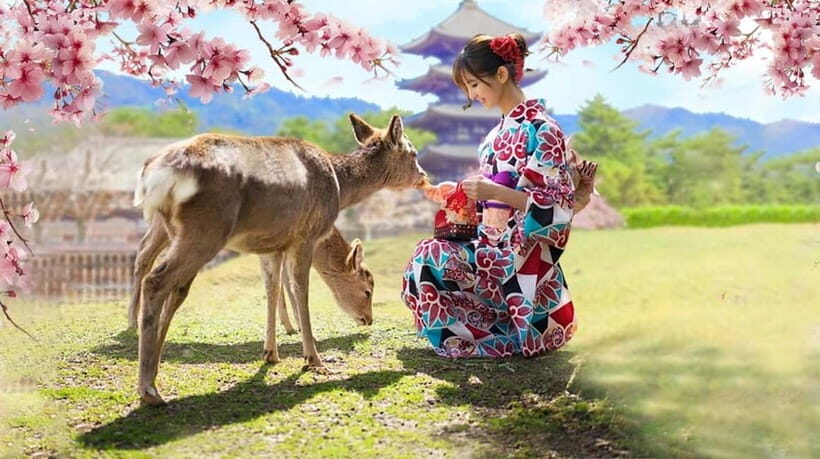
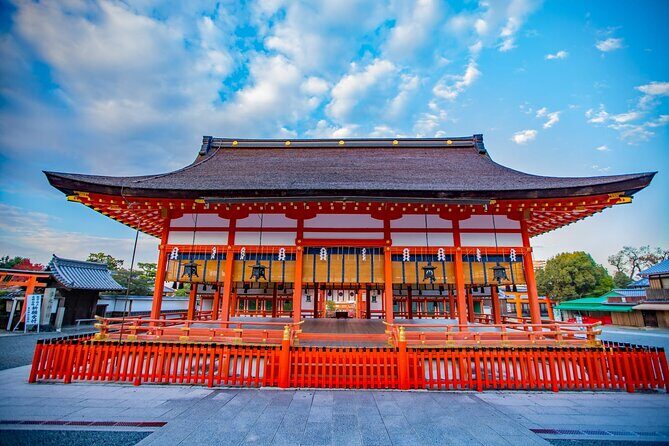
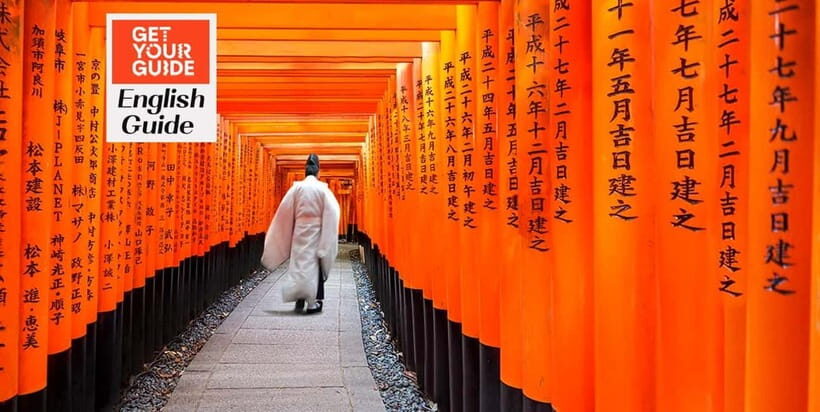
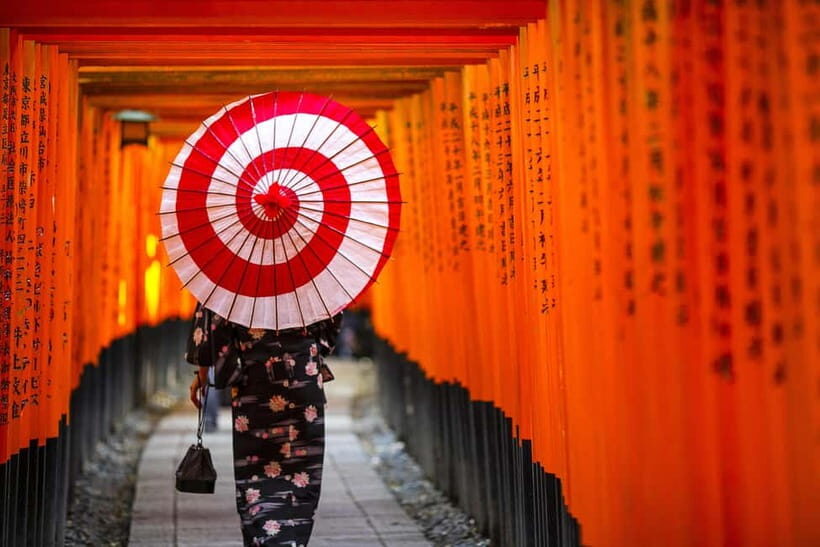
Next comes the part many people list as a top Kyoto must-see: Fushimi Inari Taisha. This is the shrine known for prosperity, and the reason it’s so famous is the scale of its torii gates. You’re walking into that sea of vermilion posts—the tunnel effect is real, and it adds mystery fast.
You’ll have about 1 hour and 10 minutes, including photo stops and time to walk. That sounds short until you realize Fushimi Inari isn’t one single view. It’s a moving sequence: each turn changes the perspective, and the gates start to feel like a passage deeper into another world.
A helpful mindset: don’t just aim for one photo. Let the route carry you. As you walk, you’ll notice how the atmosphere changes—narrowed paths, framed views between gates, and the feeling that the shrine is guiding your pace.
Also, this stop is one of the most “story-friendly” areas on the day. A good guide can connect the dots between the name of the shrine, the idea of prosperity, and the way the gates function in the space. Based on past guide styles on this kind of route, you’ll likely get clear context without lecture-mode.
If you’re sensitive to stairs or uneven ground, this is the stop to watch. The torii network climbs as you go, so wear grippy shoes.
Arashiyama’s two-part approach: bamboo forest calm, then more shrines and views
Arashiyama is the “slow your brain down” zone on this itinerary. The tour gives you about 2 hours 30 minutes for this whole area, broken into several sight blocks plus some free time.
Bamboo Forest: the classic Zen pause
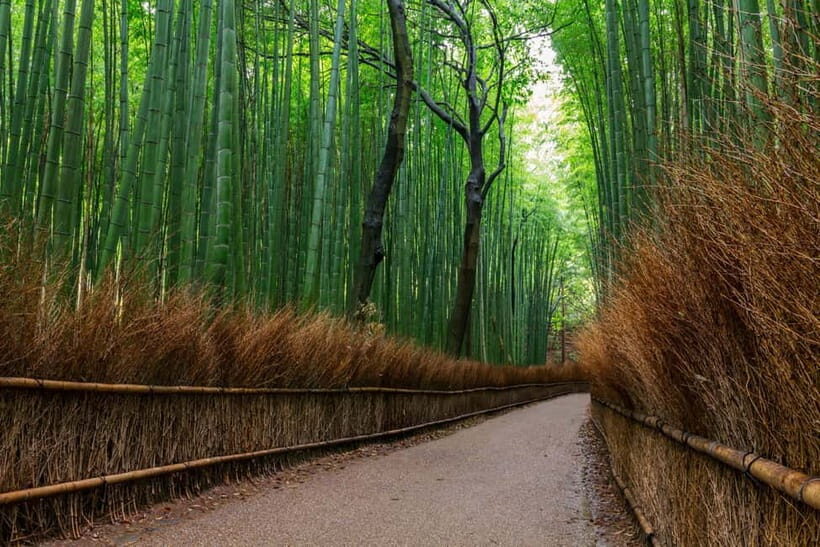
You’ll spend a short dedicated slot in the bamboo forest. In just 15 minutes, you can’t cover every angle of the grove, but you can still experience the main thing: sunlight filtering through tall stalks and the quiet rhythm of walking underneath.
Don’t overthink it. You’re there for the atmosphere. Stand for a minute, look up, and let your eyes adjust. If you take photos, aim for a couple that show height and layering—those give the forest its real character.

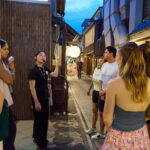
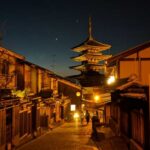
Nonomiya Shrine: love and academics, with the Kuroki Torii
Then you’ll move to Nonomiya Shrine, a Heian-period site known for both love and academic blessings. The highlight here is the Kuroki Torii, an unpainted gate that rises quietly within the Arashiyama bamboo setting.
This is the kind of stop that works well in a tour because it’s focused. You get the meaning and you get a specific visual to look for, rather than feeling lost in a large complex.
Tenryu-ji (optional extra fee): UNESCO Zen gardens
You’ll also have the option of Tenryu-ji Temple for an extra fee. Tenryu-ji is UNESCO-listed, and the big reason people make the detour is the Sogenchi Garden, known for borrowed scenery and striking seasonal color (the garden’s reputation is especially tied to autumn hues).
If you like gardens and want a break from pure walking, this is a smart add. If you’re less interested in temple gardens, you might skip it and use your Arashiyama free time for food or more wandering.
This is also a spot where guide pacing helps. A good guide keeps everyone together so you don’t spend half your time waiting at entrances.
Togetsukyo Bridge and Kimono Forest: views plus quick photo wins
Once you’re done with the bamboo-and-shrine rhythm, the tour shifts back toward iconic photo geography.
Togetsukyo Bridge: classic Arashiyama river views
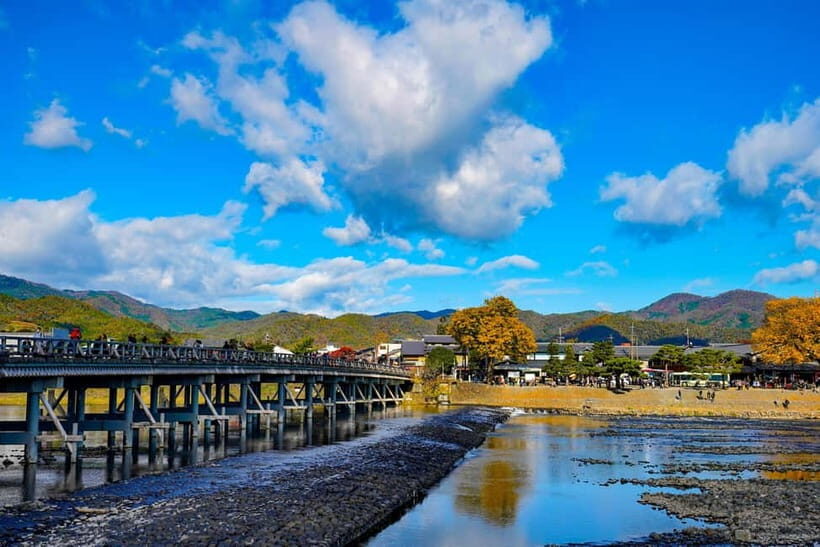
At Togetsukyo Bridge, you’ll get about 15 minutes of sightseeing and walking. From here, the views open up across Arashiyama. You may also catch rickshaws passing by—one of those small details that helps the area feel like old Japan even while you’re standing in 2026.
This isn’t a long stop, so I’d treat it as a “reset and shoot” moment rather than a deep explore.
Kimono Forest: the 600-pillar art installation
Next up is the Kimono Forest photo stop. It’s described as an art installation with 600 colorful pillars patterned in Kyoto’s Kyo-Yuzen textile designs. The point is fun and color, and it’s quick.
If you love photos, this is one of your fastest wins on the day. If you don’t care about photo ops, you can keep your expectations light and just enjoy the bright contrast against the quieter shrine and bamboo settings.
Arashiyama foot bath: the practical finish to a long day
At the end of your Arashiyama block, you’ll have free time near Arashiyama Station, including an Arashiyama foot bath. This is a small thing, but it’s a smart ending. After hours of walking, your feet notice everything.
If you’re deciding whether to soak, here’s my rule: if your feet feel fine, do a quick stop and enjoy the novelty. If your feet feel tight or sore, plan to use the foot bath because it’s the easiest way to feel human again before heading back.
You’ll also have a bit of wiggle room to explore local food and casual restaurants. The tour highlights mention looking out for the Rilakkuma Tea House, which is the kind of place that can turn into a fun detour if you’re already wandering nearby.
How the bus tour pacing feels in real life
This route is built for first-timers and busy schedules. You depart Osaka at 8:00 AM, then you also depart Kyoto at 9:00 AM. That means you’re starting early enough to make the day feel full, but not so early that you’re dealing with complete grogginess for hours.
The stop order is what makes it work:
- Nara gives you the playful deer moment early.
- Fushimi Inari hits next, before the day gets too late and the gates feel even more crowded.
- Arashiyama wraps it up with the calm bamboo and scenic views.
The pacing is also why people tend to rate this tour well. When a guide is organized, you spend less time wondering where you need to be and more time actually looking.
Based on what’s been praised, the better guides on this kind of Kyoto itinerary are:
- attentive about timing and regrouping,
- good at keeping the mood fun with humor,
- and clear about what to do and when to return to the bus.
If you want the easiest day possible, that’s your best match.
Who should book, and who should plan it independently
This tour fits best if you’re:
- seeing Kyoto and Osaka for the first time and want a stress-reduced sampler,
- short on time but still want the headline sights in one day,
- happy to walk, take photos, and then move on when the group moves.
You might consider doing things on your own if:
- you want to stay in one place for half a day (this route is not that kind of slow),
- you’re very sensitive to walking time between temple areas,
- or you prefer to control your own photo pace minute by minute.
One more practical note: this tour isn’t suitable for wheelchair users or people with mobility impairments, and you’ll want to assume uneven walking in shrine and temple areas.
Should you book this Kyoto/Osaka day trip? My take
I’d book it if you want a one-day plan that covers Nara Park, Fushimi Inari Taisha, and Arashiyama without the usual headaches of transit planning. For $52, you’re essentially buying convenience plus interpretation: an English-speaking guide, a comfortable ride, and a schedule that keeps the day from dragging.
I wouldn’t book it if you’re the type who needs long stays in fewer spots. This itinerary hits the major icons, but it does it in a way that moves you along. If that sounds like your ideal day—go for it.
FAQ
FAQ
How long is the Kyoto/Osaka Nara and Arashiyama bus tour?
It runs about 9 to 10 hours total.
What time does the tour depart from Osaka and Kyoto?
The tour departs Osaka at 8:00 AM and departs Kyoto at 9:00 AM.
Where is the meeting point?
There are two possible starting locations depending on the option booked: Harimaya Nippombashi (1-chome) or Kyoto Station Hachijo Entrance Square Sunken Garden.
Can I choose where I get dropped off?
Yes. You can choose Osaka or Kyoto when you reserve. If you don’t specify, the drop-off defaults to the same point as pickup.
What is included in the price?
Included: an English-speaking tour guide, an air-conditioned vehicle, and all taxes, parking fees, gas fees, and handling charges.
Are meals included?
No. Food and beverage are not included.
Is Tenryu-ji Temple included?
Tenryu-ji Temple is an extra-fee stop (self-guided). Everything else listed for the day is part of the planned route.
What languages will the guide speak?
The live guide offers English and Chinese.
What should I bring?
Bring comfortable shoes, an umbrella, water, and comfortable clothes.
Is the tour suitable for wheelchair users?
No. It is not suitable for wheelchair users or people with mobility impairments.
Can I cancel for a full refund?
Yes. You can cancel up to 24 hours in advance for a full refund.