REVIEW · HIROSHIMA
Hiroshima Peace Memorial Park: A Guided Tour
Book on GetYourGuide →Operated by Shera Alvi · Bookable on GetYourGuide
History hits harder with a guide. In Hiroshima Peace Memorial Park, a small-group English tour helps you connect the dots between the Atomic Bomb Dome and the memorials that followed. You get context before you feel the weight of the site.
I love the way the pacing works. You get guided stops at the big landmarks, then enough time to look, take photos, and absorb what you’re seeing. I also really liked the human touch from guide Shera Alvi, including how he checks in with the group and shapes the walk around you.
One consideration: in just 2 hours you cover a lot of ground and a lot of heavy themes. It’s walking in a park, so wear supportive shoes and plan to slow down with your own reflections when you need it.
In This Review
- Key highlights worth your attention
- A guided walk through Hiroshima’s most important memorial ground
- Meeting at the Atomic Bomb Dome and keeping the pace realistic
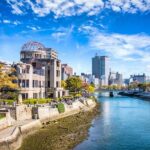
- Atomic Bomb Dome: the first punch of context and detail
- Clock Tower of Peace and Bell of Peace: meaning you can feel in minutes
- Cenotaphs and memorial names: why the story includes many groups
- Hiroshima National Peace Memorial Hall and the Peace Flame: where facts meet reflection
- Children’s Peace Monument: remembering young victims without reducing their stories
- Korean Atomic Bomb Victims Memorial and the Memorial Tower: resilience in named remembrance
- Prayer Fountain and Gates of Peace: the walk’s emotional exit ramp
- Price and value: is $19 worth it?
- What to bring (and what not to bring)
- Who this tour suits best
- Should you book this Hiroshima Peace Memorial Park tour?
- FAQ
- How long is the Hiroshima Peace Memorial Park guided tour?
- Where do I meet the guide?
- What language is the tour guide in?
- Is this tour suitable for wheelchairs?
- How big is the group?
- What should I bring?
- Is food allowed during the tour?
- Who is this tour not suitable for?
Key highlights worth your attention
- Atomic Bomb Dome orientation: you’ll know what you’re looking at before you start photographing.
- Clock Tower of Peace + Bell of Peace: short stops that add meaning fast, without dragging.
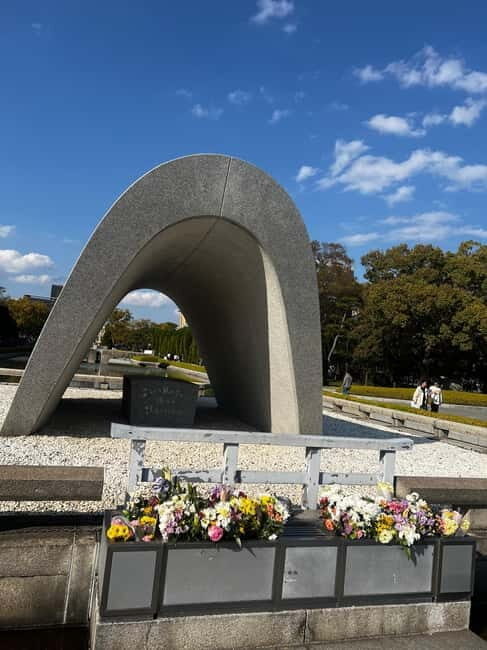
- Cenotaphs for different victims: you see remembrance that includes more than one community’s story.
- Children’s Peace Monument + Peace Flame: hope is built into the route, not tacked on at the end.
- Multiple memorial structures: Memorial Tower for Mobilized Students plus the Korean Atomic Bomb Victims Memorial keep the story broad.
- Small group (up to 10): the guide can keep the tone focused and the pace manageable.
A guided walk through Hiroshima’s most important memorial ground
Hiroshima Peace Memorial Park is not a “quick sights” stop. It’s a place where the details matter—what’s preserved, what’s named, and what people ask you to remember. A guide makes that easier, because you get the timeline and the logic of the grounds while your feet are still fresh.
I like tours like this because they do two jobs at once. They help you find your footing fast, and they help you read the memorials instead of just viewing them. And with an English live guide, Shera Alvi leads the day with a calm, direct style that keeps the information clear and the atmosphere respectful.
You can also read our reviews of more guided tours in Hiroshima

Meeting at the Atomic Bomb Dome and keeping the pace realistic
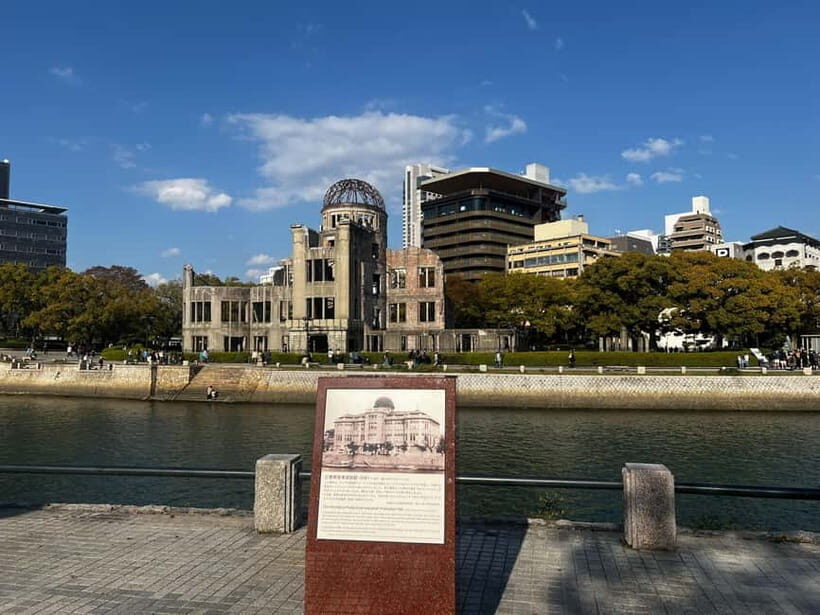
You meet at the Atomic Bomb Dome, at coordinates 34.395483, 132.453592. That matters because the day starts at the most iconic point, and from there the tour naturally flows through the park’s key memorials.
The whole experience is 2 hours and limited to 10 participants, so it’s not rushed like a big-group bus tour. Still, it’s not a sit-down museum tour either—this is walking around an outdoor memorial complex. Bring comfortable shoes and water, and keep your camera ready since photography is allowed.
Also, the timing is structured around short guided visits (often around 10 minutes, with longer time on a couple of major points). That format works well here. You get enough explanation to understand what you’re about to see, then you get your own quiet moment before moving on.
Atomic Bomb Dome: the first punch of context and detail
The tour begins at the Atomic Bomb Dome, with a guided visit that gives you the groundwork. This is the stop where most people feel the site before they fully understand it, and that’s exactly why the guide’s intro helps.
Instead of just pointing and moving, Shera Alvi explains what the Dome signifies and why it has such lasting power in Hiroshima’s public memory. You’ll likely notice people photographing and silently studying at the same time. With a guide, you don’t have to guess what matters most—your attention gets directed to the right details first.
Practical tip: use the Dome orientation time to decide how you want to frame your photos. From there, the park has multiple viewpoints and memorial structures, so you’ll want to remember what you liked about your first angle.
Clock Tower of Peace and Bell of Peace: meaning you can feel in minutes
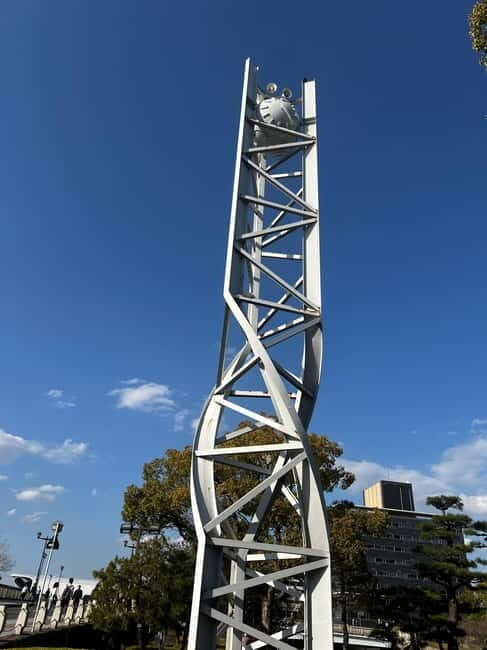
After the Dome, the route moves to the Clock Tower of Peace for a guided stop. Short visits like this can be underwhelming in other places, but here the value is in how the guide connects symbols to the larger story.
Then comes the Bell of Peace, Hiroshima. Bells in memorial spaces aren’t random. They’re used to represent reflection and a call toward peace, and hearing about that intent makes the act of standing there feel different. You’re not just seeing an object; you’re participating in a shared moment of remembrance.
I like these two stops because they’re fast but meaningful. If you’re worried about getting “memorial-fatigued,” the guide’s cadence helps you reset at each point instead of waiting until the museum.
Cenotaphs and memorial names: why the story includes many groups
The emotional center of the park isn’t one monument. It’s the way several memorial sites name victims and acknowledge different experiences.
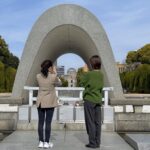
You’ll visit the Korean Atomic Bomb Victims Cenotaph. This stop adds a crucial layer to your understanding: the impact of the atomic bombing is remembered here not as a single-category tragedy, but as something that reached beyond one population. The guide’s explanations help you see why this naming matters.
Next, you’ll pause at the Cenotaph for the A-bomb Victims. This is where the tone becomes the most solemn. Standing there with a guide’s context helps you focus your attention instead of letting your mind float to whatever your own assumptions are. It’s a moment for quiet reflection, and the tour builds it into the flow rather than treating it like a quick “photo stop.”
Later in the walk, you’ll also encounter the Hiroshima Victims Memorial Cenotaph as part of the memorial sequence. Together, these pauses create a rhythm: learn a piece, stand in silence, then continue. That rhythm is a big reason I’d recommend doing the tour guided rather than self-guided from landmark to landmark.

Hiroshima National Peace Memorial Hall and the Peace Flame: where facts meet reflection
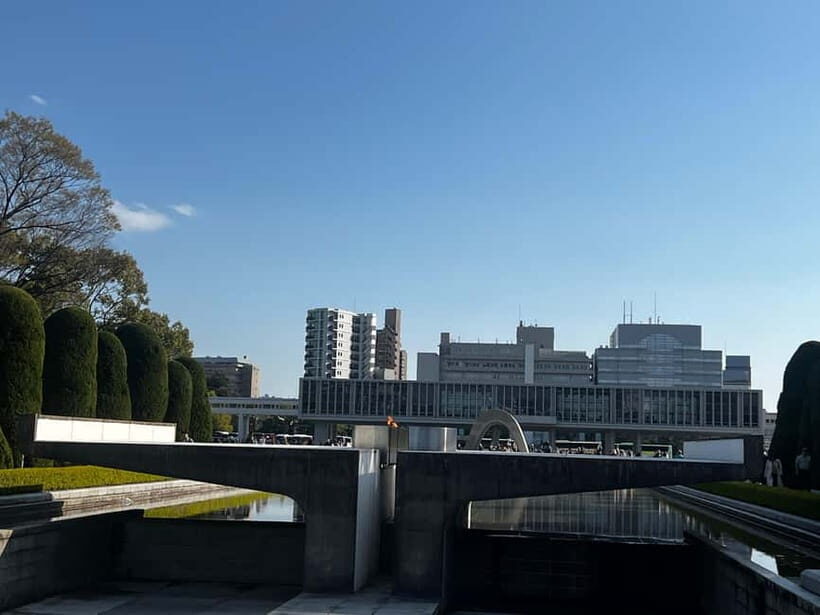
The Hiroshima National Peace Memorial area (including the Peace Memorial Hall) is the place where the story becomes more detailed. In a short guided window, you’ll connect the August 6, 1945 events with the aftermath, and you’ll see how the park’s other monuments feed into what the museum spaces are trying to communicate.
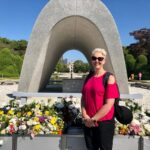
Then the tour shifts toward the Peace Flame, a symbol of hope for a nuclear-free world. You might think of “hope” as something you feel after the heavy parts, but here it’s placed where you still have the weight in your chest. That placement changes how you read it. The flame becomes less like a slogan and more like a promise people are still trying to keep.
The guide’s job here is to prevent you from treating the flame as just another pretty sight. With the explanation you get during the stop sequence, you’ll understand why this symbol is part of Hiroshima’s long effort to push peace forward.
Children’s Peace Monument: remembering young victims without reducing their stories
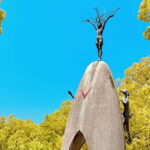
One of the most powerful parts of this tour is the Children’s Peace Monument. The park doesn’t ask you to look only at buildings or dates—it asks you to remember the human scale of what happened, including the youngest victims.
A good guided stop helps you hold the right kind of focus. You don’t just read the name or see the artwork; you learn what the monument is meant to convey and why children are centered in this remembrance. Even if you’ve read about Hiroshima before, this stop often lands differently because it’s designed to stay personal.
Then the tour adds another reflective stop with the Prayer Fountain and the idea of ongoing remembrance rather than one-time commemoration. If you’re the type of person who needs meaning in a physical form, this is the part where the park delivers it.
Korean Atomic Bomb Victims Memorial and the Memorial Tower: resilience in named remembrance
The route includes the Korean Atomic Bomb Victims Memorial and also references the Memorial Tower for Mobilized Students as part of the broader memorial structures in the park.
This matters because it widens the lens. Instead of treating Hiroshima as a single historical package, the tour shows that remembrance includes multiple communities and roles—people who lived through the bombing, people connected to the war effort, and people whose stories were later highlighted in memorial form.
I appreciated how the guide ties this together. It’s easy to feel overwhelmed by the number of monuments, but Shera Alvi keeps the logic clear so you don’t just walk past stones and plaques.
Prayer Fountain and Gates of Peace: the walk’s emotional exit ramp
Near the end, you’ll visit the Prayer Fountain and finish at the Gates of Peace. This is a good way to end: you move from the center of solemn memorial sites to a concluding space that signals continuation, not just closure.
Finishing at the Gates makes it feel like you’re leaving a meaningful place with a purpose. It’s also practical—you have a clear endpoint inside the park instead of wandering around trying to find your way out while your emotions are still high.
Price and value: is $19 worth it?
At $19 per person for a 2-hour small-group tour, the value is strong—mostly because you’re paying for guidance across a set of major sites in a short window.
Self-guided is possible here, but it’s easy to miss connections between monuments. A guided format helps you get the “why” behind the Dome, the intent behind symbolic sites like the Peace Flame, and the reason multiple cenotaphs exist. That’s the real cost saver: you spend less time guessing, and more time understanding what you’re standing in front of.
Also, you get an English live guide and a group size capped at 10. That combination matters. In a smaller group, it’s easier for a guide to keep explanations at your pace and respond when questions come up.
What to bring (and what not to bring)
Bring:
- Comfortable shoes (you’ll be walking through the park)
- Camera (photography is allowed)
- Water
Don’t bring:
- Food is not allowed during the tour
That last point is practical. Plan to eat before or after, then keep the focus on the memorial grounds. With no food break built in, you’ll move through the stops steadily.
Who this tour suits best
This experience fits you if you want:
- A structured walk that covers the park’s key monuments in two hours
- Explanations in English without getting lost in museum-only details
- A small group experience with a guide who interacts with the group
It may not suit you if:
- You’re looking for a low-emotion, casual photo loop
- You need long breaks or lots of sitting time (this tour is designed around short guided stops)
- You have heart problems (not suitable per the activity guidance)
- You’re traveling with kids under 6 years (also not suitable)
Wheelchair accessible is listed, but since the route still involves walking, plan around your mobility needs and the time spent on your feet.
Should you book this Hiroshima Peace Memorial Park tour?
If you’re visiting Hiroshima for the first time and you want to understand what you’re seeing—not just collect photos—this is a smart booking. The price is reasonable for the number of major memorial stops, and the small group format keeps the guide’s attention where it belongs.
I’d especially recommend it if you’re the type who benefits from context. This park can be heavy and easy to interpret incorrectly if you go in cold. With Shera Alvi’s approach, you’ll get the timeline, the meaning behind the memorial symbols, and the names that anchor remembrance.
If your goal is purely sightseeing with zero structure, you can still visit the park on your own. But if you want the park to make sense as you walk, book the guided tour and give it your full attention.
FAQ
How long is the Hiroshima Peace Memorial Park guided tour?
The tour lasts 2 hours.
Where do I meet the guide?
You meet at the Atomic Bomb Dome (34.395483, 132.453592).
What language is the tour guide in?
The tour is guided in English.
Is this tour suitable for wheelchairs?
The activity is listed as wheelchair accessible.
How big is the group?
The tour is a small group limited to 10 participants.
What should I bring?
Bring comfortable shoes, a camera, and water.
Is food allowed during the tour?
No. Food is not allowed.
Who is this tour not suitable for?
It is not suitable for children under 6 years and people with heart problems.