Kawaguchiko is your quiet doorway to Mt. Fuji. This private tour focuses on the calmer corners of the Fuji Five Lakes area, with a local guide who can adjust the day to your pace. I love the way it mixes nature, shrines, and everyday local stops without rushing. I also like that you get a full guide narrative in English, with practical history you can actually use. One thing to think about: pickup is only in Kawaguchiko and Fujiyoshida, so plan your start point accordingly.
You’ll do a smooth 6-hour loop with a comfortable car and stops that feel designed for getting views plus meaning, not just photos. The route includes Kawaguchi Asama Shrine, Lake Shoji, and a guided visit in the Aokigahara forest area. The only real trade-off is timing and expectations: the tour is short, and lunch (and the Mt. Fuji 5th station option) cost extra.
Finally, this is a “go slower” kind of day. You’ll spend real time at key spots, including guided segments, plus a regional food break in Fujiyoshida. Bring cash, and keep an eye on the activity notes if you have any mobility or health constraints.
In This Review
- Key highlights worth your attention
- Why this Kawaguchiko drive feels local, not staged
- Meet Yuki: what you gain with an English-speaking local guide
- Stop-by-stop: from Kawaguchi Asama Shrine to Lake Shoji
- Fujikawaguchiko photo stop
- Kawaguchi Asama Shrine (guided, about 20 minutes)
- Saiko Nenba-hama photo stop (about 10 minutes)
- Lake Shoji photo stop (about 15 minutes)
- Aokigahara forest: what the guided 20-minute walk adds
- Fujiyoshida food break and sightseeing window
- Price and what you get for $387 per group (up to 5)
- Timing, pickup limits, and planning your start
- What to bring (and the rules that matter on a practical day)
- Bring
- Wear and carry
- Vehicle rules
- Who this tour fits best (and who should skip it)
- Good fit
- Consider skipping or rethinking if you…
- Should you book this Mt. Fuji hidden-corners drive?
- FAQ
- Where does the tour pick up?
- How long is the tour?
- What is the group size?
- What’s included in the price?
- Is lunch included?
- Can I visit Mt. Fuji’s 5th station?
- What languages do you get on this tour?
- What should I bring?
- Is the tour wheelchair accessible?
- What’s not allowed during the tour?
Key highlights worth your attention
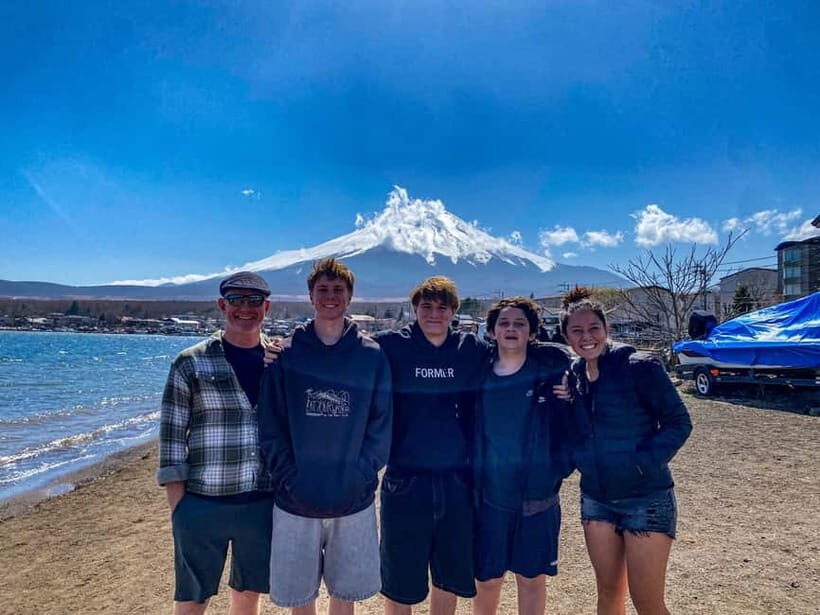
- Private car + English-speaking guide for a no-rush day
- Mt. Fuji viewpoints away from the biggest crowds in the Fuji Five Lakes region
- Kawaguchi Asama Shrine + guided Aokigahara forest time for culture and atmosphere
- Lake Shoji and other scenic stops designed for short, satisfying photo breaks
- Fujiyoshida regional food time plus an easy sightseeing window
- Up to 5 people per group keeps it good value for small families and friend groups
Why this Kawaguchiko drive feels local, not staged
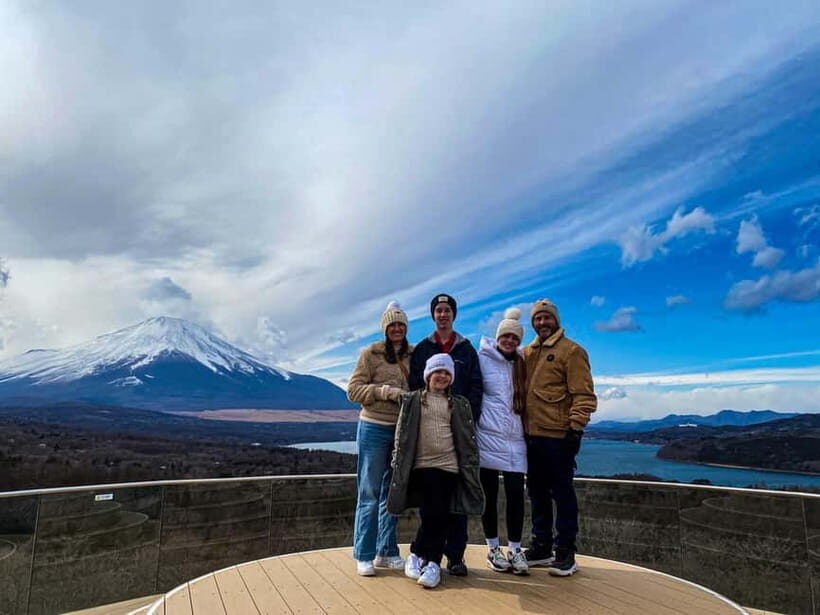
The best part of this tour is the overall vibe. You’re not speed-running Mt. Fuji from one famous dot to the next. Instead, you’re moving through the Kawaguchiko and Fujiyoshida area like someone who actually lives there would: shrine, lake, forest, then food and time to breathe.
I especially like that the day is described as flexible. That matters, because weather and visibility can change fast around Mt. Fuji. You also get a schedule that’s structured enough to feel efficient, but not so tight that you’re constantly checking a phone timer.
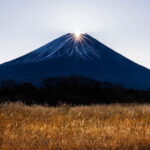
And yes, the views are the point. But you’re also getting stories tied to the places you stop, which makes the day feel more like traveling with context rather than just collecting snapshots.
You can also read our reviews of more guided tours in Fujikawaguchiko

Meet Yuki: what you gain with an English-speaking local guide
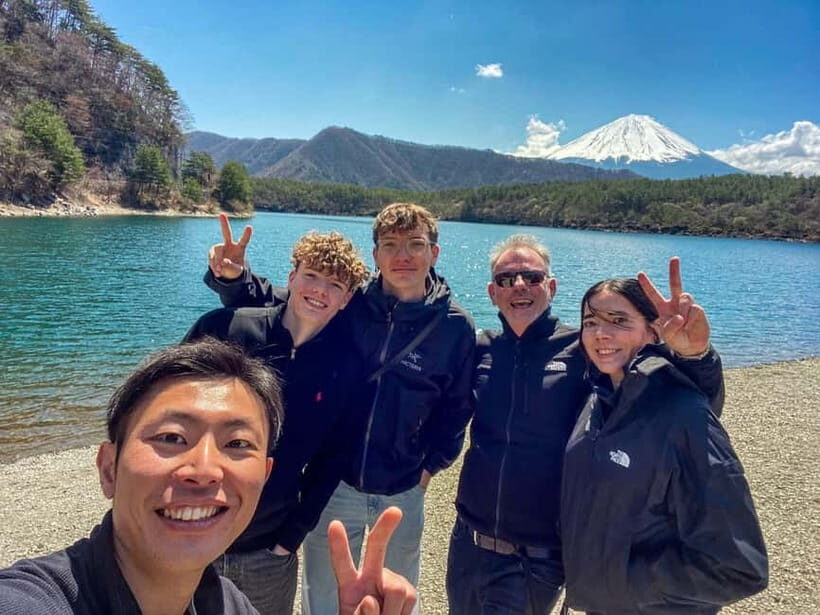
This tour runs with an English-speaking guide and driver as a private pair. In the experiences I looked at closely, Yuki shows up again and again as the guide name tied to high satisfaction. People really value his English and his ability to explain what you’re seeing in a way that stays human, not textbook.
Here’s the practical benefit: when you understand why a shrine, forest path, or viewpoint matters, you take better photos and enjoy the walk more. You’re also less stressed. You don’t have to translate signs, guess bus timing, or wonder if you’re missing a better angle nearby.
Also, the guide doesn’t treat the itinerary like a robot script. If your group wants slightly more time at one stop, the day can adjust. That flexibility can turn a rainy day from annoying to surprisingly good, as long as you’re willing to roll with what the weather gives you.
Stop-by-stop: from Kawaguchi Asama Shrine to Lake Shoji
This is a 6-hour route built around short scenic pauses plus a couple of guided segments that anchor the day.
Fujikawaguchiko photo stop
You start with a quick 10-minute photo stop in Fujikawaguchiko. It’s short by design, so you can get oriented and catch any early Mt. Fuji visibility before the day moves on.
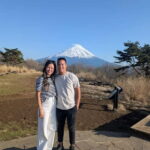
If Mt. Fuji is out, this is the moment to grab your first “there it is” view. If it’s clouded, don’t panic. The tour is spaced with additional nature and shrine stops that often give better chances later.
Kawaguchi Asama Shrine (guided, about 20 minutes)
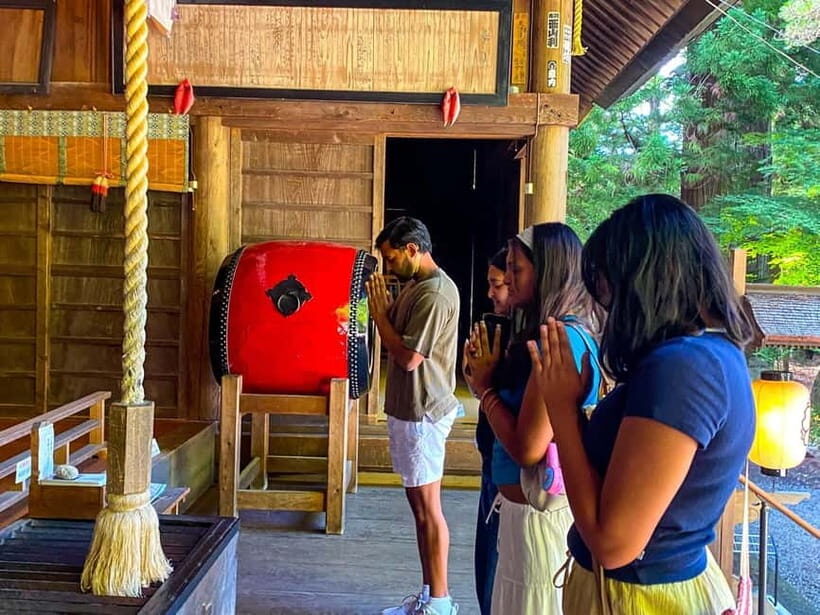
Next is the Kawaguchi Asama Shrine with a guided visit. A shrine stop is more than cultural decoration. It gives you a sense of how the Fuji area frames nature in local life—what people honor and why the mountain matters beyond scenery.
The guided timing is also a sweet spot. You’re not stuck for hours, but you’re not rushing past details either. You can ask questions, and you’ll walk away understanding what you just saw.


Saiko Nenba-hama photo stop (about 10 minutes)
Then you get another 10-minute photo stop at Saiko Nenba-hama. This one is geared toward quick lake-and-mountain perspectives. It’s the kind of stop that works well even if your energy level is mixed, because it’s structured and brief.
Lake Shoji photo stop (about 15 minutes)
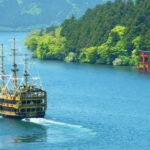
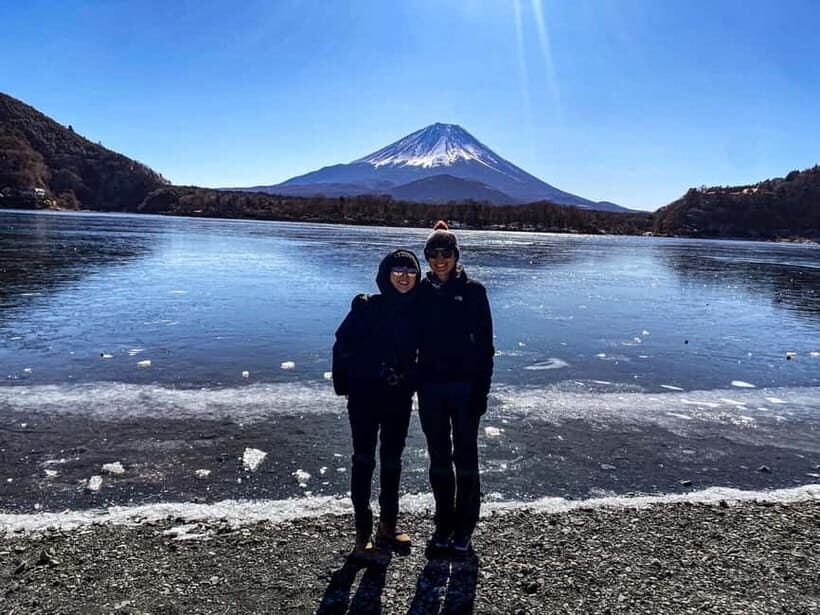
After that, you’ll spend around 15 minutes at Lake Shoji. This is a classic “pause and look” stop. Lake Shoji is often quieter in feel than the most famous lake viewpoints, which is exactly what you’re paying for with a local-guided route.
Bring your best patience here. You want to take a few shots from different angles rather than just one-and-go. Even in short time windows, small repositioning makes photos look more intentional.
Aokigahara forest: what the guided 20-minute walk adds
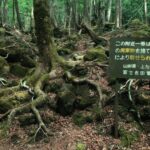
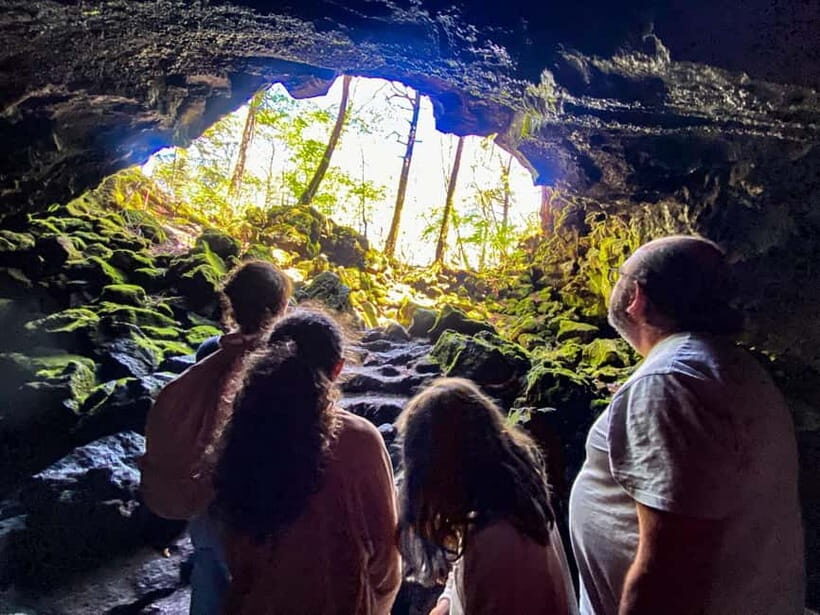
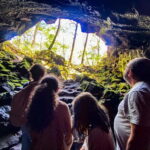
The tour’s next guided portion is the Aokigahara forest area (about 20 minutes). The big value of this segment isn’t just scenery. It’s the way a guided stop changes how you experience a place like this.
Twenty minutes sounds short, but that’s actually helpful for most people. It’s enough time to slow your pace, notice trees and path character, and listen to context—without turning the day into a long hike.
Practical note: the tour has rules about what’s allowed, and high-heels are specifically not permitted. Wear sensible shoes you can walk in comfortably. If you’re sensitive to motion or longer outdoor walking, you’ll want to manage expectations since this is still an outdoor segment even if it’s not long.
Fujiyoshida food break and sightseeing window
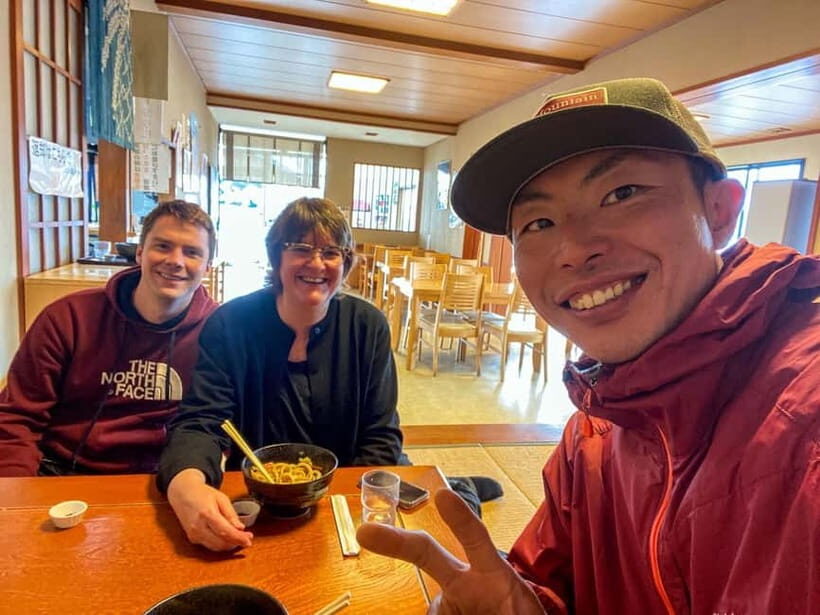
Food time is built into the day in a way that doesn’t eat your whole schedule. In Fujiyoshida, you’ll have about 30 minutes for regional food, then another 30 minutes for a break and sightseeing.
This is where the tour stops feeling like a drive-by. You can refuel, try something locally oriented, and then decide how you want to spend your last chunk of time—more looking, more photos, or just sitting with a view and letting the day settle.
If you’re the kind of person who likes to snack your way through a trip, the timing works well. If you need a proper meal, plan for the fact that lunch isn’t included and you’ll likely spend in the range of 1,000 to 2,000 yen per person.
Price and what you get for $387 per group (up to 5)
At $387 per group up to 5 people for a 6-hour private tour, this is priced for people who want convenience and a guide, not just a generic ride.
Think of it this way: you’re paying for three things at once:
- Private transportation via a dedicated car
- An English-speaking guide, not a self-guided app
- A day structure that gets you to multiple meaningful spots without transit headaches
For couples, the math can still make sense because you’re effectively buying a tailored day instead of piecing together buses and paying for separate admissions. For small families or friend groups, it becomes stronger value because the cost is shared across up to five people.
Two add-ons can affect your final total:
- Lunch is optional, typically 1,000–2,000 yen per person
- The Mt. Fuji 5th station is optional, with an entrance fee of 2,800 yen
If you want the 5th station and visibility is good, that can be a worthwhile upgrade. If not, you’re still getting a full Fuji-area nature and culture day without needing the big altitude stop.
Timing, pickup limits, and planning your start
Your tour pickup is from Fujikawaguchiko, and the operator notes that pickup is only available in the Kawaguchiko and Fujiyoshida areas. That’s the single biggest logistics detail you should lock in early.
The day runs for about 6 hours, so don’t schedule it too close to anything that requires a strict travel buffer. You’ll want time before pickup to settle in and not rush.
Also, season matters. The tour mentions seasonal scenery, and around Mt. Fuji, that can mean everything from cloud cover to how clear the views feel. The flexibility with your route helps, but no guide can change the sky—so a calm weather plan is smart.
What to bring (and the rules that matter on a practical day)
This tour is straightforward, but it has clear “know before you go” notes.
Bring
- Cash (this is specifically mentioned as what you should bring)
Wear and carry
- Avoid high-heeled shoes
- Don’t bring luggage or large bags
- No drones
- No pets (service assistance dogs are allowed)
Vehicle rules
Smoking indoors and in the vehicle isn’t allowed. Alcohol and drugs are not permitted. The list is strict, so if you’re traveling with anything unusual, it’s worth checking before you leave.
If you’re traveling light (small bag, comfortable walking shoes), you’ll probably find the day easy and low-friction.
Who this tour fits best (and who should skip it)
This is a private day, so it’s easiest when your group fits the activity and comfort requirements.
Good fit
- Small groups (up to five) who want a calm Mt. Fuji day with a real guide
- People who like a mix of shrines, forests, and lakes, not just one highlight
- Anyone who benefits from English explanations and a flexible schedule
- Families who want shorter stops and a guide who can keep things flowing (Yuki is repeatedly praised for this kind of pacing)
Consider skipping or rethinking if you…
- Use a wheelchair (not suitable)
- Follow vegan or vegetarian diets (not suitable)
- Have food allergies or gluten intolerance (not suitable)
- Have motion sickness
- Need a fully accessible format (the notes also include limitations for visually impaired people)
- Are over 200 cm (6 ft 6 in) or over 110 kg (243 lbs)
- Are over 95 years
- Have a cold (not suitable)
That’s a lot of specific limits. It’s also a sign the tour is set up for a particular kind of day and group needs. If you’re on the edge of any of these points, message the provider before booking.
Should you book this Mt. Fuji hidden-corners drive?
Book it if you want a private, local-feeling Mt. Fuji day that stays calm and meaningful. The strongest reasons to say yes are the combo of English guidance, less-crowded atmosphere, and the way the stops connect: shrine culture, lakeside pauses, and a guided forest walk.
Skip it or consider alternatives if your group needs full accessibility support, has dietary restrictions like vegetarian or vegan, or you’re likely to struggle with outdoor walking segments or motion in a car.
My decision checklist is simple:
- Do you want a guide-led route rather than DIY planning?
- Are you starting from Kawaguchiko or Fujiyoshida so pickup is easy?
- Can your group handle the short guided walks and outdoor stops comfortably?
- Are you okay with lunch being optional and possibly paying extra for the 5th station?
If you said yes to those, this tour is the kind of day that tends to feel more satisfying than the famous-sights-only approach.
FAQ
Where does the tour pick up?
Pickup is available in the Kawaguchiko and Fujiyoshida areas, with the pickup location listed as Fujikawaguchiko.
How long is the tour?
The tour duration is 6 hours.
What is the group size?
It’s a private group with a group price set for up to 5 people.
What’s included in the price?
The tour includes a private car and an English-speaking guide & driver.
Is lunch included?
No. Lunch is optional, and it typically costs 1,000–2,000 yen per person.
Can I visit Mt. Fuji’s 5th station?
Yes, but it’s optional. The entrance fee is 2,800 yen.
What languages do you get on this tour?
The guide is available in English and Japanese.
What should I bring?
You should bring cash.
Is the tour wheelchair accessible?
No. The tour is not suitable for wheelchair users.
What’s not allowed during the tour?
The tour does not allow drones, pets, and luggage or large bags, and it also lists restrictions like no smoking in the vehicle or indoors, and no high-heeled shoes.