REVIEW · FUJIKAWAGUCHIKO
From Tokyo Private Mount Fuji & Hakone Day Trip With Pick Up
Book on GetYourGuide →Operated by Travel Cottage · Bookable on GetYourGuide
Fuji in one day is a gamble, but it’s a fun one. This private trip is built for maximum sightseeing comfort: door-to-door pickup from central Tokyo and a luxury vehicle (Land Cruiser, Crown, or Welfare) that keeps you relaxed on the long ride. I also like the flexibility, because you can adjust the pacing and photo stops with your English-speaking driver guide—people have praised drivers like Raza and Hadi for keeping things smooth and safe.
One thing to plan for: the trip is heavy on sights, but meals and any paid admission are not included, and perks like Wi‑Fi and coffee/tea may not always be available as promised.
In This Review
- Key things to know before you go
- Why this Fuji–Hakone private day trip feels worth it
- Pickup logistics: the part that can make or break the day
- What luxury transport changes on a long day
- Mount Fuji Station: your first big view (and the weather reality check)
- Lake Kawaguchiko: reflections, lakeside time, and easy strolling
- Oishi Park: the flower stop that works in every season
- Hakone Ropeway: volcanic views from above (and ticket planning)
- Hakone Shrine by Lake Ashi: the red torii photo moment
- The fast photo breaks: Lake Ashi, Yamanashi, and where they fit
- Gotemba Premium Outlets: shopping with a scenic break
- What’s included vs what you’ll pay for
- Languages, group size, and comfort details that matter
- Who should book this (and who should skip it)
- Should you book it? My take for your decision
- FAQ
- How long is the Mount Fuji and Hakone day trip?
- What’s the price for this private tour?
- Where can the tour pick you up in Tokyo?
- Are meals included?
- Are entry tickets included for attractions?
- Does the tour offer Wi‑Fi and drinks in the vehicle?
- Is the tour suitable for everyone?
Key things to know before you go
- Private, door-to-door pickup in Tokyo’s 23 Wards, so you skip station transfers and walking
- Luxury vehicle options (Land Cruiser, Crown, or Welfare) for the long Tokyo–Fuji–Hakone drive
- Multiple Fuji/Hakone photo angles in a single day: Mount Fuji Station, Lake Kawaguchiko, Oishi Park, Lake Ashi
- Hakone Ropeway + Hakone Shrine give you volcanic views plus that classic red torii-at-the-lake scene
- Stops are time-boxed (lots of one-hour blocks), so comfy shoes matter
- Extra costs are likely because paid tickets and meals aren’t included
Why this Fuji–Hakone private day trip feels worth it
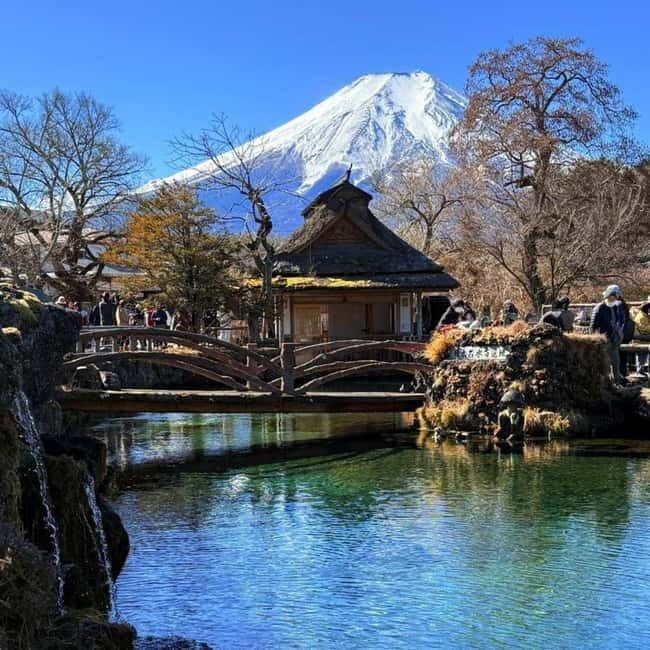
A Tokyo day trip to Mount Fuji and Hakone can be rushed if you’re on public transport. What makes this one different is the format: you’re not fighting schedules, crowds, or multiple transfers. You roll out from your pickup spot, then the driver handles the driving while you focus on views, photos, and short walks.
I like the balance of “iconic stops” and “time to actually look.” You’re not just passing through. You get a set amount of time at each place—usually around an hour—so you can take in the scenery and still keep the day from feeling like a sprint.
The price—$340 per group up to 6—lands in the sweet spot if you have 3–6 people. In that range, private transportation can feel closer to “worth it” than “crazy expensive,” especially compared with adding taxis, reserved transport tickets, and your time.
You can also read our reviews of more private tours in Fujikawaguchiko
Pickup logistics: the part that can make or break the day
This tour is private, so it runs on your group schedule—not a bus full of strangers. Pickup is available to accommodations (including Airbnb) within Tokyo’s 23 Wards, including Shinjuku, Shibuya, Minato, Chiyoda, and more. Pickup is not provided from airports or ports.
You’ll choose from pickup areas like Shinjuku City, Kanagawa, Shibuya, and Tokyo, and drop off at one of the same options. The practical rule to remember: you should wait in the lobby about 10 minutes early, and the driver will wait no longer than 60 minutes after the scheduled pickup time. In real life, that means you should plan for elevator time and getting everyone out the door.
This matters because the day is about 10–11 hours including commuting. If you start late, you can lose one of the tighter stops (and the whole day shifts).
What luxury transport changes on a long day
The difference between a normal day trip and a luxury private one is mostly mental. The drive between Tokyo, the Fuji area, and Hakone is long, and traffic can be unpredictable. Having an air-conditioned vehicle and a driver who handles route decisions makes it easier to stay calm.
Vehicle choices listed are Land Cruiser (2024 model option), Majestic Crown, and Welfare. Your group also benefits from private space, which helps when you’re traveling with family or you just want fewer interruptions.
One note from the details provided: Wi‑Fi and coffee/tea are listed as available, but at least one booking experience flagged that those extras may not always show up the way they appear in the description. If those perks are the deciding factor, I’d treat them as a bonus—not a guarantee.
Mount Fuji Station: your first big view (and the weather reality check)
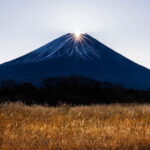
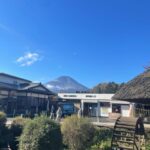
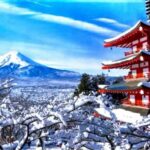
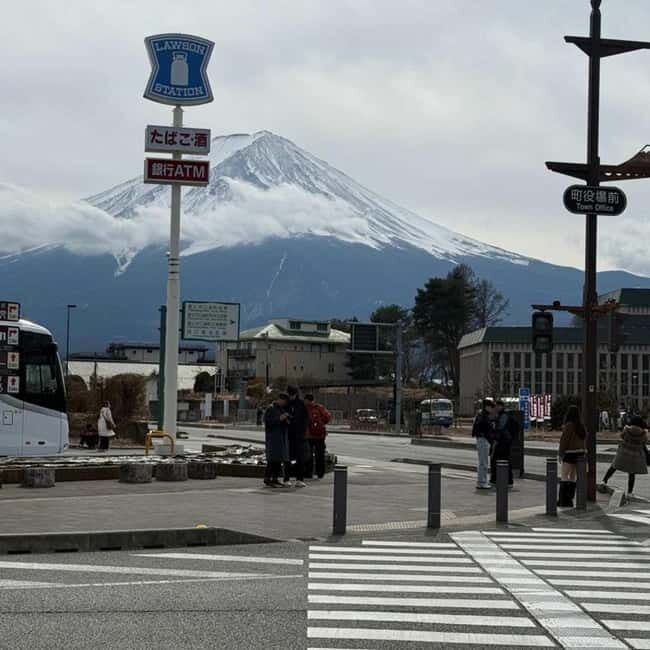
The day starts with a visit to Mount Fuji Station, where you spend about an hour taking in Japan’s highest peak (3,776 meters). Mount Fuji is famous for its symmetrical cone shape, and on clear days the views can be dramatic right from the station area.
Here’s the practical part: in Japan, Fuji visibility is weather-dependent. Even if your schedule is perfect, clouds can erase the mountain. What you can control is choosing a tour that still gives you meaningful stops even if Fuji isn’t cooperating—and this one does, because the day continues through the Fuji Five Lakes region and into Hakone.
If you want to maximize your odds of seeing Fuji, dress for changing conditions and be ready for quick photo moments. Clouds can move faster than you think.
Lake Kawaguchiko: reflections, lakeside time, and easy strolling
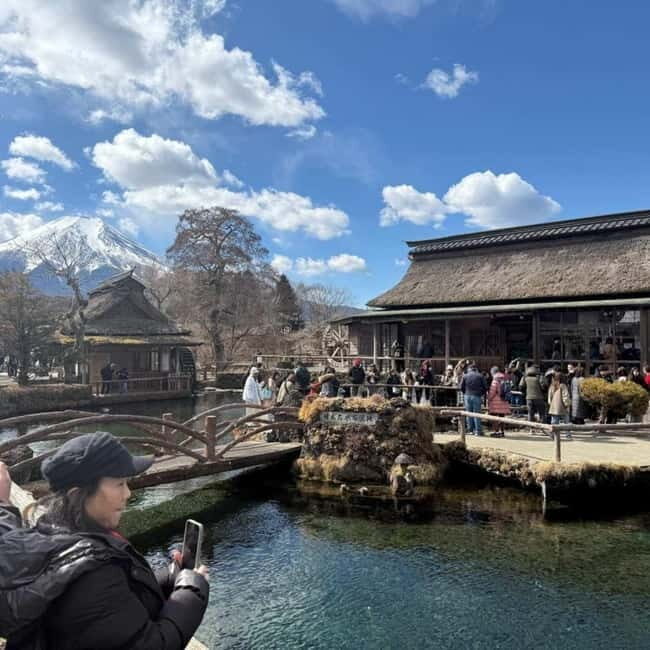
After the station stop, you head to Lake Kawaguchiko, one of the Fuji Five Lakes. You’ll have about an hour to explore, with the big draw being the chance of Mount Fuji reflections on clear days. Even when reflections aren’t perfect, the lake setting still gives you that “Fuji region” feeling—open views, fresh air, and space to breathe.
This stop is also a good reset point. You’ll likely be taking photos, but you’ll also have time for a gentle walk and a breather before the garden stop.
Practical tip: bring your camera and wear shoes you don’t mind walking in. It’s not a marathon, but the day is designed around multiple short walks.
A few more Fujikawaguchiko tours and experiences worth a look
Oishi Park: the flower stop that works in every season
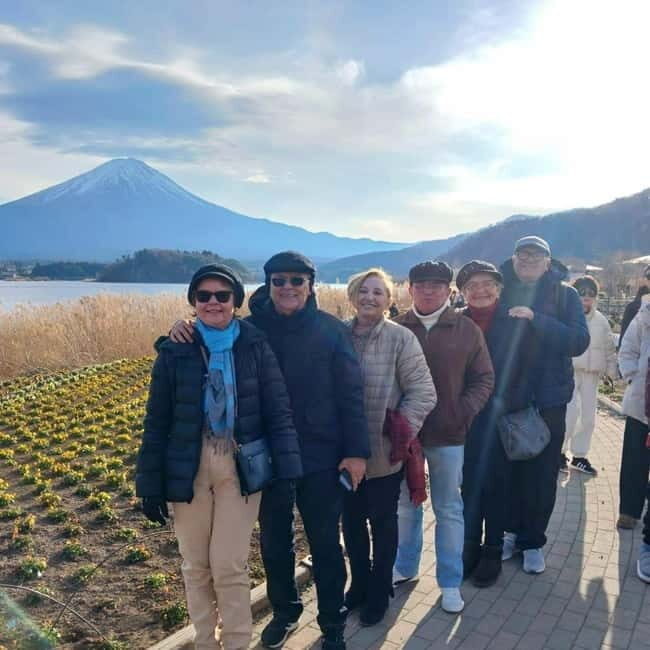
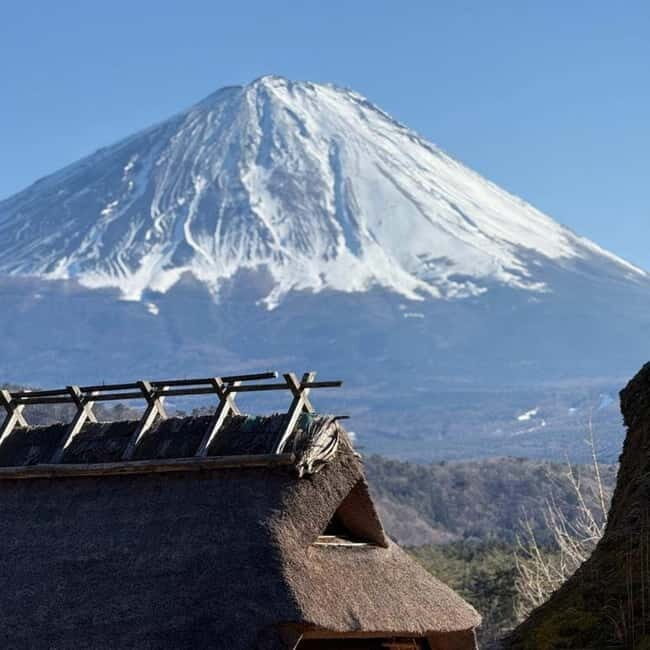
Next comes Oishi Park, on the northern shore of Lake Kawaguchiko. This is known for seasonal flower displays, which is a smart choice because it adds color even if your Fuji view is partial.
You get about an hour here, which is enough to wander the paths, grab photos with the lake and mountain viewpoints in the background (when visible), and slow down for a change of scenery.
I like this stop because it shifts the focus from “big peak in the distance” to “small details up close.” If you’re the type who enjoys gardens and even just taking your time, this is a good place to do it.
Hakone Ropeway: volcanic views from above (and ticket planning)
Then it’s up into Hakone with the Hakone Ropeway, a scenic aerial tramway with panoramic views over volcanic terrain and the Lake Ashi area. You’ll ride between Sounzan and Togendai, and the time slot is about an hour.
Because paid admissions are not included, plan for extra costs for attractions you pay on-site. The Ropeway is the kind of item that commonly requires a ticket, so budget for it rather than assuming it’s covered.
What you’ll enjoy most here is the change in perspective. You’ll go from lake views and gardens to a more dramatic “how does the earth look from here?” viewpoint. It’s one of those experiences that feels different from the rest of the day.
Hakone Shrine by Lake Ashi: the red torii photo moment
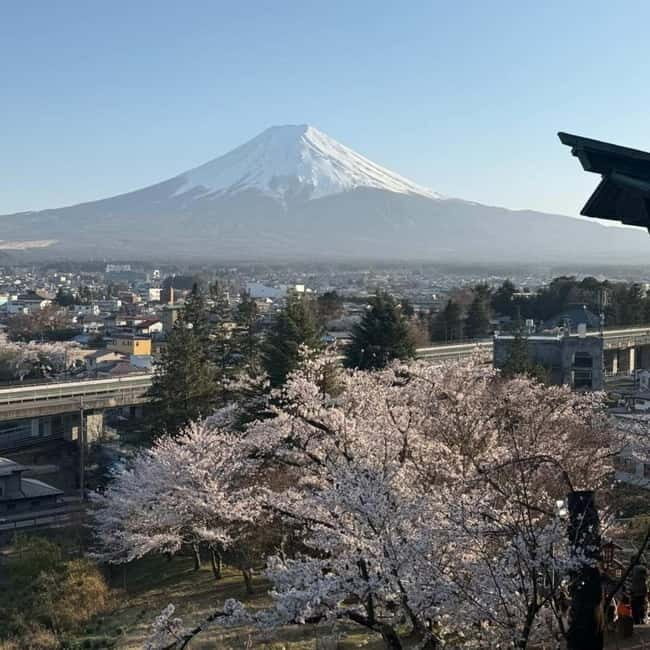
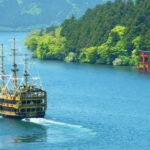
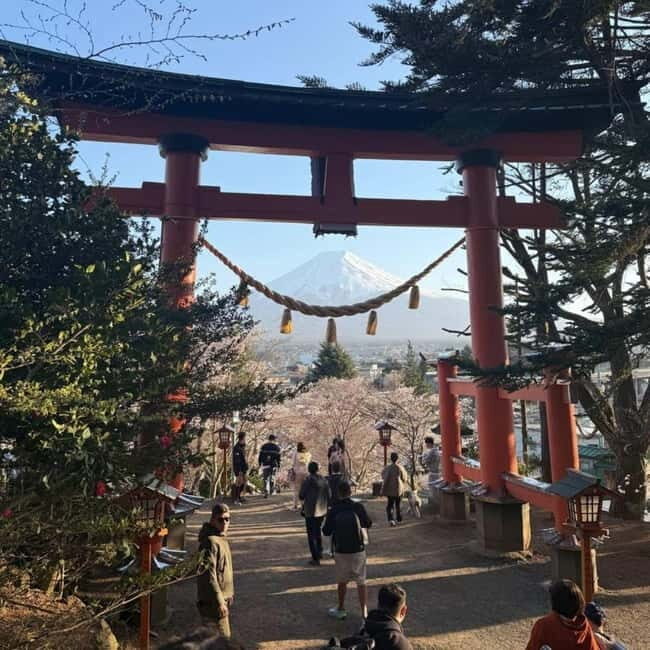
Your final major sightseeing stop is Hakone Shrine, set in the forest by Lake Ashi. You’ll have about 45 minutes to explore (the time details vary between sources you’re given, so think roughly 45–60 minutes).
The standout is the shrine’s iconic red torii gate near the water. If the light is right, the contrast is beautiful and very photogenic.
This stop is more than photos, though. It’s also a chance to slow down. The shrine grounds are a different pace from the Fuji stations and parks, and you’ll likely appreciate the quieter vibe before heading back toward Tokyo.
The fast photo breaks: Lake Ashi, Yamanashi, and where they fit
Beyond the headline stops, the day includes shorter sight moments and scenic breaks. You’ll spend time at Lake Ashi for photos and guided sightseeing, and there are also photo/visit blocks tied to Yamanashi Prefecture during the drive.
What these breaks do is keep the day from feeling like a straight line. They help you get extra look-outs without adding huge new travel time. Still, because the total day is time-boxed, these are not long wandering opportunities. Think of them as “grab the view, enjoy it, then move on.”
If you’re hoping for lots of unplanned stops, this is where the flexibility of a private tour can help. You can ask your driver to prioritize certain photo points—just keep expectations realistic because traffic and timing still matter.
Gotemba Premium Outlets: shopping with a scenic break
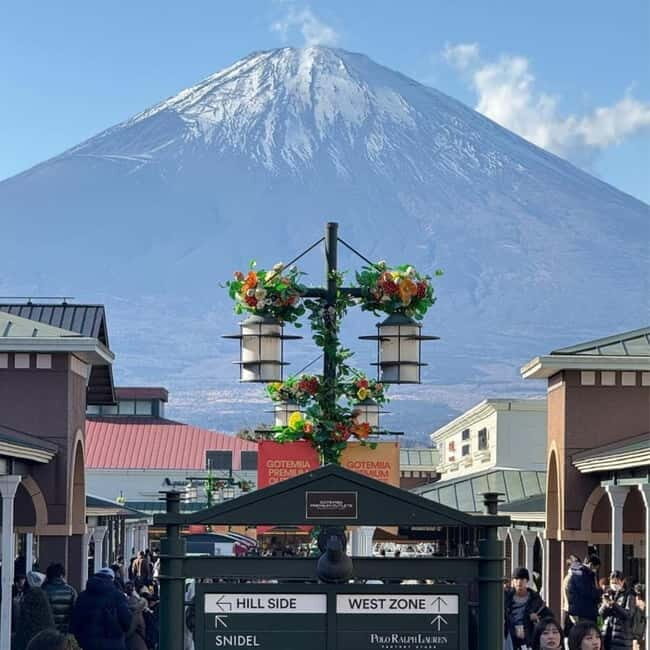
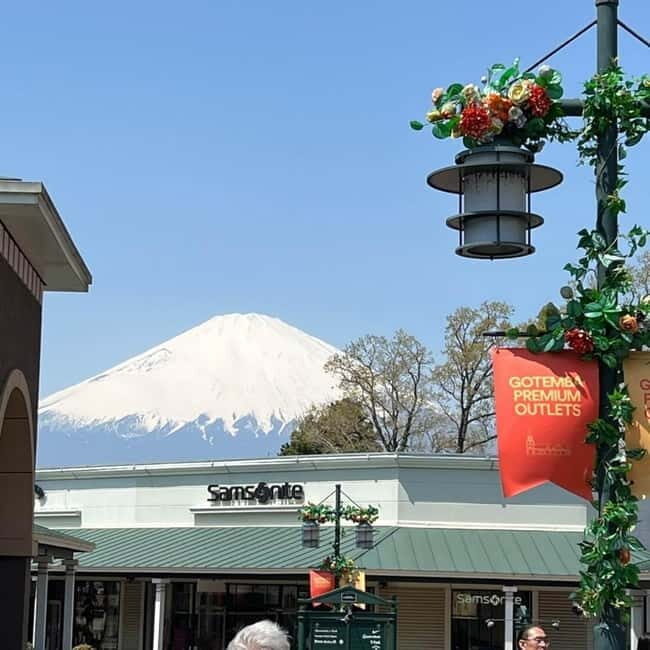
In the later part of the day, you’ll have a stop at Gotemba Premium Outlets. The time block is about an hour, with free time for shopping and walking plus some photo/break time.
This stop is great if you like the idea of finishing with something practical—socks, jackets, souvenirs, or gifts—before you head back to Tokyo. If you’re not into shopping, it’s still a useful break so everyone can stretch, use a restroom, and reset before the return drive.
Given the long day, one hour is a bit of a sprint for serious shoppers. If shopping is your priority, plan to make your list ahead of time.
What’s included vs what you’ll pay for
Included:
- Luxury private transportation with an English-fluent driver
- Pickup and drop-off at your accommodation in Tokyo’s 23 Wards
- Air conditioning, and a Wi‑Fi hotspot router when available
- Water bottle plus coffee/tea
- Highway taxes and fuel
- Flexibility to customize your pacing
Not included:
- Meals
- Paid tickets / admission fees
That last bullet is the big one for budgeting. Since the day includes places like the Ropeway and shrine grounds, assume you may pay for some components on-site. The safest move is to bring cash or a card you can use easily and budget a bit for admissions plus food.
Also, meals not being included affects how you plan your day. You’ll want to eat either before pickup or during any free moments (if timing allows). Since most stops are focused on sightseeing rather than restaurant time, don’t expect a full sit-down meal built in.
Languages, group size, and comfort details that matter
The driver is listed as fluent in English, Urdu, Japanese, and Hindi, which is helpful if your group wants easy communication. The tour is wheelchair accessible, but it’s also marked as not suitable for people with back problems—so if you or anyone in your group has mobility or spine issues, this is the first thing you should check.
Group size is capped at 6 for the listed price. If you have more than 6, it can be arranged for an additional cost.
This private format is also why families often like it: you don’t get stuck with strangers’ pace. And people have highlighted how their drivers handled a group of 6 with care and clear guidance.
Who should book this (and who should skip it)
This is a strong fit if you want:
- A private day with door-to-door pickup
- A “see a lot without stress” pace (multiple major sights, one day)
- Comfort on a long Tokyo-to-Hakone-and-back schedule
- The chance to customize photo stops with a driver guide
You might want to skip it if:
- Back problems or discomfort with vehicle time is a concern
- You only care about one location (like “just Fuji”), because the day is built around several stops
- You’re traveling very light on budget and don’t want any extra admission or meal costs
Should you book it? My take for your decision
If you’re traveling as a group of up to 6 and you value a smooth, private schedule, I think this day trip is a practical buy. The biggest reasons are the luxury door-to-door transport and the fact that the day includes enough different stops to feel complete, even when Fuji visibility isn’t perfect.
But don’t book it assuming all the nice extras are guaranteed or that admission costs are zero. Also, because the day runs about 10–11 hours with commuting and time-boxed stops, it works best for people who can handle a packed schedule without needing long breaks.
If you want a Fuji + Hakone day that feels managed—safe, comfortable, and built around the big photo moments—this is the kind of private tour that makes sense.
FAQ
How long is the Mount Fuji and Hakone day trip?
It’s listed as about 11 hours, including commuting time, with an approximate duration of around 10 hours depending on the flow of travel.
What’s the price for this private tour?
The price is $340 per group, up to 6 people.
Where can the tour pick you up in Tokyo?
Pickup is provided to accommodations in Tokyo’s 23 Wards (including areas like Chuo, Chiyoda, Minato, Shinjuku, and Shibuya). Pickup is not provided at airports or ports.
Are meals included?
No. Meals are not included.
Are entry tickets included for attractions?
No. Paid tickets/entry tickets are not included.
Does the tour offer Wi‑Fi and drinks in the vehicle?
Wi‑Fi hotspot router is included when available, and water plus tea/coffee are listed as complimentary. Availability may vary by situation.
Is the tour suitable for everyone?
It’s wheelchair accessible, but it’s not suitable for people with back problems.