Fuji off the usual track feels different. This is a private day in a modern car with an English-speaking driver, built for your pace across lakes, caves, and the Aokigahara forest. I also like the focus on offbeat, lesser-visited stops like Narusawa Ice Cave and Fugaku Wind Cave, where geology is the main character. One thing to plan for: major sites can be closed on some days, especially the ice cave, so keep your expectations flexible.
For a group of up to five at $577 per group, the value comes from not wasting time on transfers and from having one driver who can tailor breaks and photo stops. You get hotel pickup and drop-off from Central Tokyo, plus a climate-controlled ride. Bring comfortable shoes and warm layers, because caves and forests can feel a lot colder than you expect.
In This Review
- Key things that make this tour worth your time
- A 10-hour Mt. Fuji detour that stays off the crowd treadmill
- Price and value: what $577 per group actually covers
- Oishi Park on Lake Kawaguchi: the classic Fuji frame, done at a good pace
- Saiko Nenba-hama by Lake Saiko: a quieter lakeside rhythm
- Tatego-Hama Beach on Lake Motosuko: clear-water views when the day still has energy
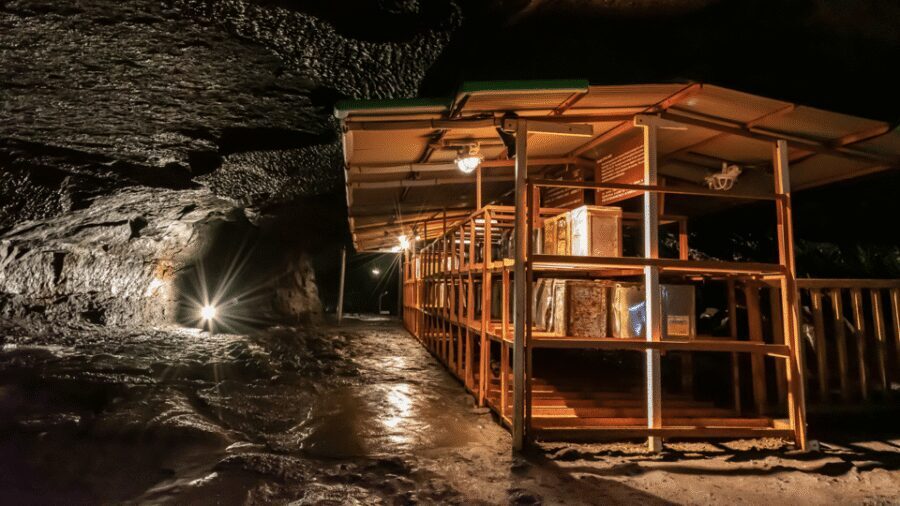
- Narusawa Ice Cave: volcanic ice you can’t always count on
- Fugaku Wind Cave: geology you can feel in the air (and a silkworm secret)
- Aokigahara Forest: respecting the reputation while focusing on the walk
- How the day really feels: timing, photo stops, and comfort moves
- Who should book this Mt. Fuji and Aokigahara day (and who shouldn’t)
- Should you book this tour?
- FAQ
- How long is the Mt. Fuji Hidden Gems and Aokigahara Forest tour?
- What’s included in the price?
- Are entrance fees included for the caves and parks?
- Is food included?
- Where does pickup work in Tokyo?
- Is the tour still happening in rain?
Key things that make this tour worth your time
- Private car pacing: You decide how long you linger at each view and trail.
- Volcanic cave pair: Narusawa Ice Cave plus Fugaku Wind Cave in one focused day.
- Lakes with calmer energy: Lake Kawaguchi, Lake Saiko, and Lake Motosuko stops built around scenery.
- Aokigahara Forest walk: Time in the famous woods, with a nature-first approach.
- Real-world cave limitations: Not suitable for claustrophobia, and some areas can feel tight or low.
- Tickets and food are extra: Entrance fees and snacks are on you, so budget a bit.
A 10-hour Mt. Fuji detour that stays off the crowd treadmill
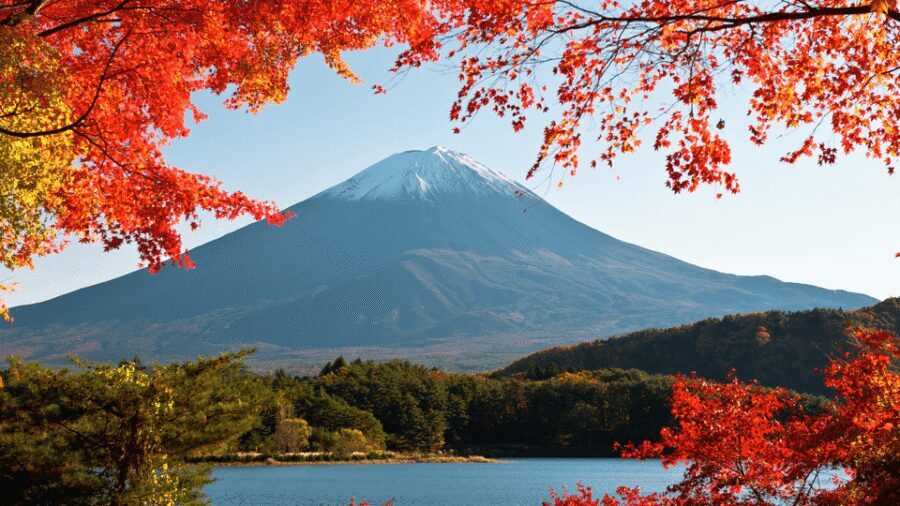
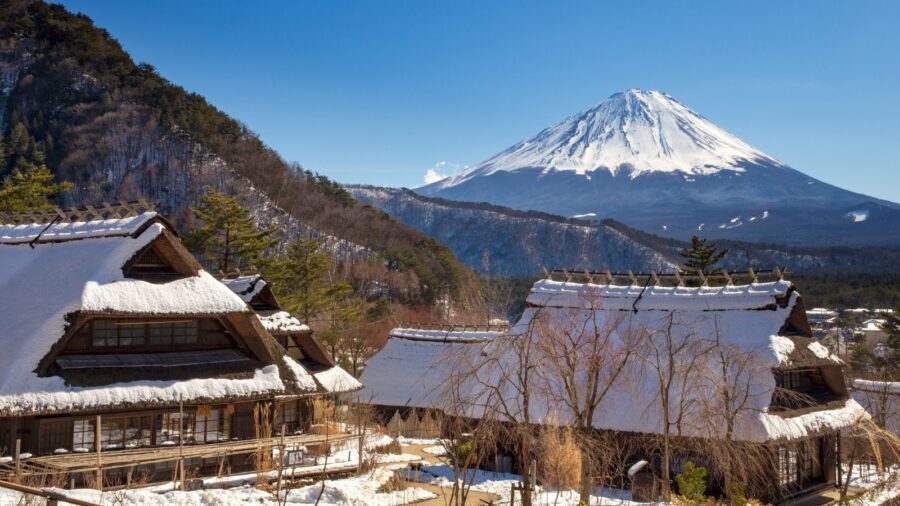
This tour is designed for people who want Mt. Fuji without spending the whole day inside a big bus schedule. You start with lake viewpoints and flower-season photo spots, then shift into caves that explain how Mount Fuji shaped the ground around you. The last stretch moves into Aokigahara Forest, a place most people only hear about through the reputation—yet you’re there to walk trails and experience the quiet atmosphere of the trees.
What I like most about the structure is the rhythm: scenic breaks come before you commit to enclosed or deeper sites. That matters because caves can be cold and require careful footing. With a private setup, you also have more control over timing, like choosing when you want the driver to stop for photos or for a quick break.
You can also read our reviews of more tours and experiences in Fujikawaguchiko.
Price and value: what $577 per group actually covers
At $577 per group (up to 5 people), the price is less about buying “a guide with a microphone” and more about purchasing convenience and access. You get an English-speaking driver, hotel pickup and drop-off from Central Tokyo, and a private, air-conditioned vehicle for the full day.
What is not included:
- Entrance fees (you buy attraction tickets on the spot)
- Food and drinks
What you should budget for beyond the base price:
- Snacks and water (you can bring them; it’s listed as bring-what-you-need)
- Cash for tickets and any small on-the-spot costs
- Possible overtime: it’s 2,500 JPY per 30 minutes, paid in cash to the driver
You’ll also want to know a couple in-car rules. Smoking is not allowed. Food and drinks are allowed in the vehicle, but there’s a cleaning fee if the car gets unusually dirty (listed at 7,000 JPY). Alcohol is not allowed in the car. If you plan to bring snacks for a long day, this is workable and normal for a private drive.
Oishi Park on Lake Kawaguchi: the classic Fuji frame, done at a good pace
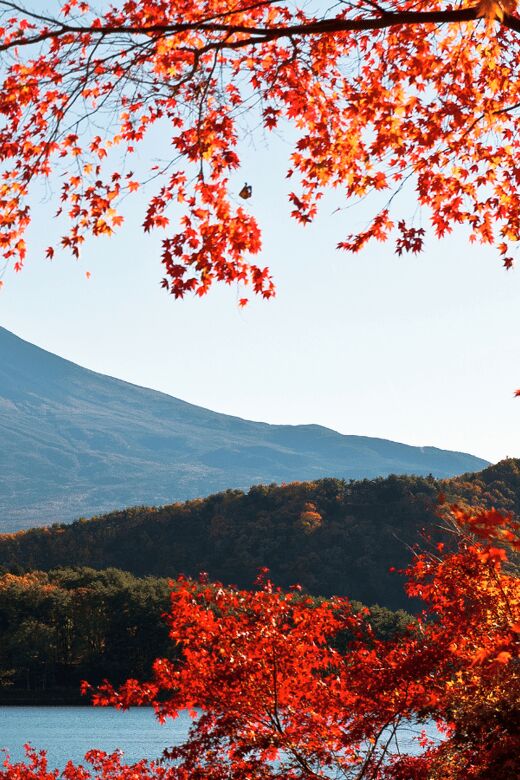
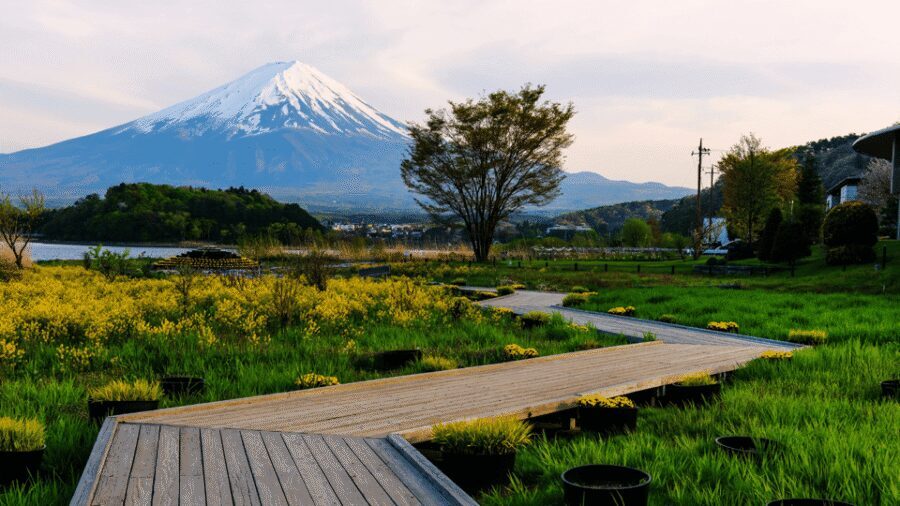
Oishi Park is a strong opening move because it sets the tone for the day: you’re at Lake Kawaguchi with a direct shot at Mt. Fuji views framed by seasonal flowers. The stop is scheduled for about one hour, which is long enough to walk a bit, take photos, and still keep the day moving before the colder cave stops.
In practice, a one-hour window can be a sweet spot. You don’t feel rushed the way group tours can make you feel, but you also don’t lose the whole morning to one viewpoint. If the weather is clear, this is where you’ll likely catch the cleanest Fuji angles. If visibility is poor, at least you still get the lake setting and a pleasant park walk.
Tip for your photos: wear layers you can peel on and off quickly. Even in cool seasons, the park can feel bright and warmer than the caves later.
Saiko Nenba-hama by Lake Saiko: a quieter lakeside rhythm
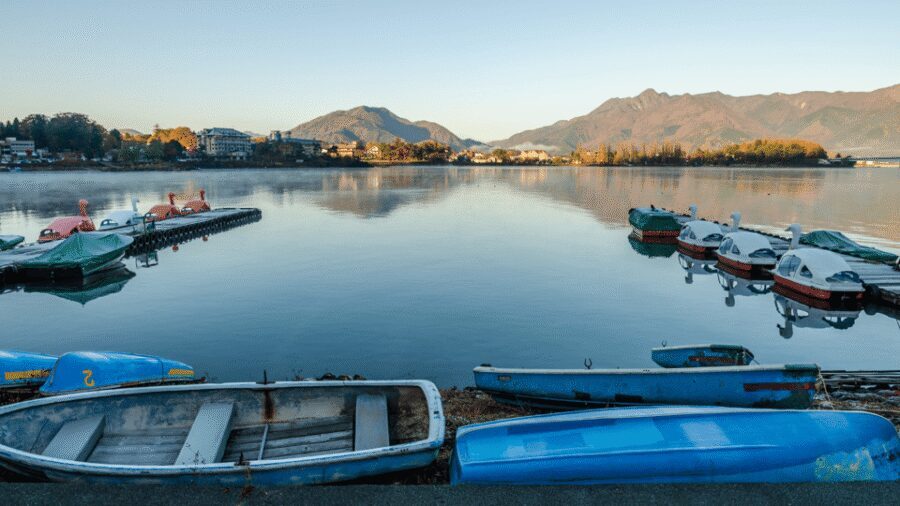
After Oishi Park, the day shifts to Saiko Nenba-hama, another lakeside stop on Lake Saiko with an easy, peaceful feel. You’re given about one hour, which works well for a relaxed walk and a casual lunch pause without turning the day into a long stop-and-go argument.
This is a good place to slow down mentally. Lakes like Saiko tend to feel calmer than the busier Fuji viewpoints, and that calm matters when you’re about to go from open air into enclosed caves. If you want to get your bearings fast and avoid decision fatigue, this mid-day reset helps.
Also, since food and drinks aren’t included, this is where I’d plan your snack/lunch strategy. Pack water. If you bring food, remember it’s allowed in the car with the listed cleaning and alcohol rules.
Tatego-Hama Beach on Lake Motosuko: clear-water views when the day still has energy
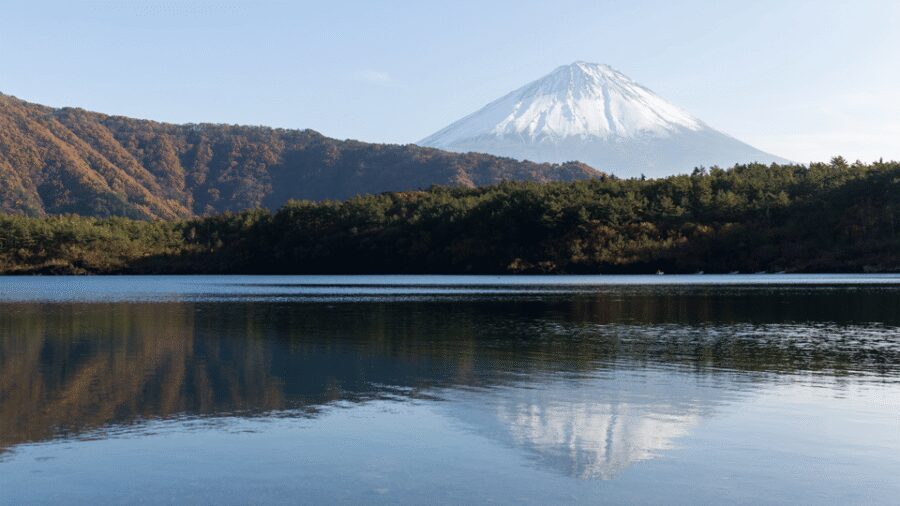
Next comes Tatego-Hama Beach at Lake Motosuko, scheduled for about one hour. The big draw here is that it’s a tranquility break with crystal-clear water and Mt. Fuji views in the background when conditions cooperate.
Be aware that beach time can swing from “perfect postcard” to “cool and breezy” depending on season and wind. This stop is worth it if you like quiet shoreline walks and you want a break from structured cave timing. It also sets up the transition: open-air scenery first, then you head into places where your hands and attention need to be more focused.
If you’re sensitive to cold, keep warm layers accessible. Caves and forests can make you feel cooler fast.



Narusawa Ice Cave: volcanic ice you can’t always count on
The Narusawa Ice Cave is the most dramatic change of setting on the day. It’s inside a system shaped by Mt. Fuji’s volcanic activity, and you step into a world of ice. The stop is about one hour, and there’s a walking component, so comfortable shoes still matter even if you’re excited for photos.
Two practical notes that I think you should take seriously:
- The ice cave can be closed on certain dates. Some days it simply doesn’t open, and that can throw off the schedule.
- If you’re visiting in the season where ice formations show well, you have a better chance of seeing what you came for. One provided account mentioned ice pillars are most visible from February to June.
Because tickets are not included and you’re buying on-site, you should expect the operator to offer the best available option if something is unavailable—but you shouldn’t assume every element will be visible every day.
Also, caves can feel tight. This is one reason the tour is not suitable for claustrophobia. If you’re even a bit uneasy in enclosed spaces, skip this and consider a different Fuji tour that stays outdoors.
Fugaku Wind Cave: geology you can feel in the air (and a silkworm secret)
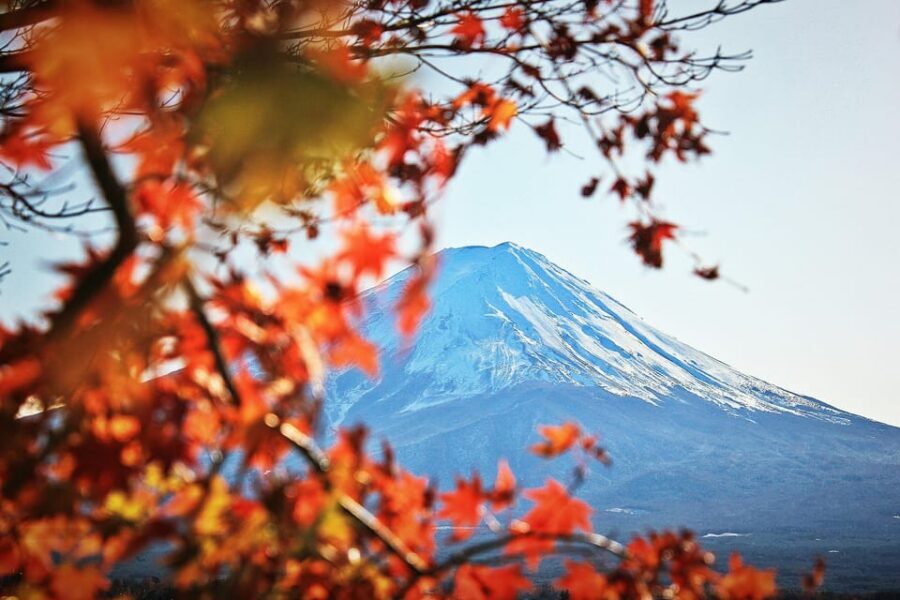
After the ice, you go to Fugaku Wind Cave, also about one hour. This stop is built around geology and airflow—plus a fascinating human use story: the cave was used to store silkworm eggs.
Even if you’re not a science person, a wind cave is a memorable kind of place. The air movement and the cave’s shape turn a walk into something more physical and sensory than a typical viewpoint. You’ll get a sense that the mountain is doing active work underground, not just sitting there looking dramatic from above.
This is also a cave stop in terms of physical comfort. Expect cool conditions, and keep an eye on footwear and lighting. Your driver can help you manage the flow of the day, but the cave itself is what it is: a cave.
Aokigahara Forest: respecting the reputation while focusing on the walk
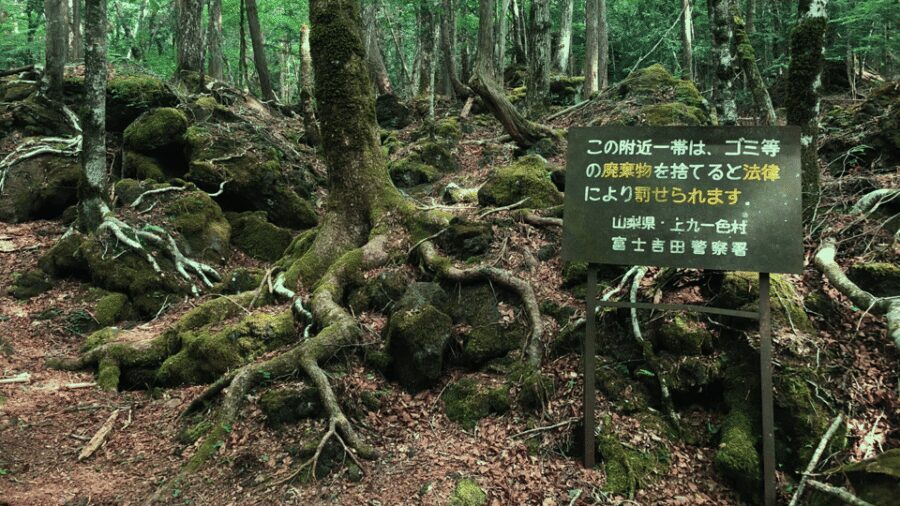
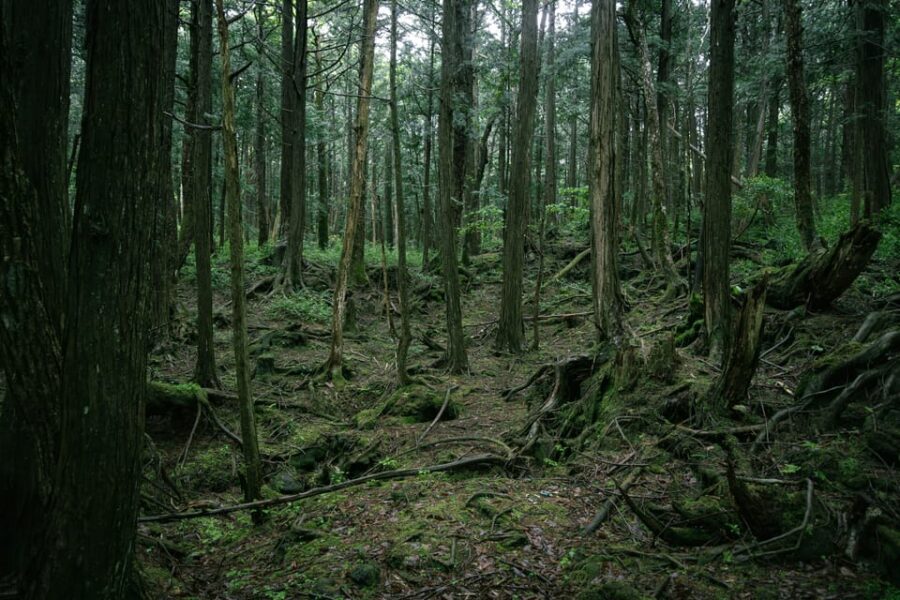
Aokigahara Forest is famous as the Suicide Forest, so it can bring heavy thoughts into your head before you even step onto the trail. This tour approaches it as a nature experience: you walk dense forest paths, slow down, and pay attention to the ecosystem instead of the rumor.
The time here is about 1.5 hours, which is enough for a meaningful stroll without turning it into a long hike. It’s also one of the reasons this tour works best as a private group. You can set a calmer pace and stop when you need to, rather than matching someone else’s rhythm.
That said, treat this as a mental check as much as a physical one. If you find the reputation stressful, you might prefer a different Fuji day that keeps your focus strictly on scenery and caves without the emotional weight of the name.
How the day really feels: timing, photo stops, and comfort moves
The whole tour runs 10 hours from Tokyo, with about an hour at each main lake/cave stop and a longer block for the forest. The schedule is structured enough to cover a lot, but it isn’t so rigid that you can’t take extra minutes when the view is right.
A few comfort moves make this day easier:
- Wear comfortable shoes with grip, especially for cave walks.
- Bring warm clothing, even if Tokyo feels mild.
- Pack water and snacks since food and drinks aren’t included.
- Keep a camera ready, but save your best settings for when Fuji is visible.
The driver experience can matter here. Some provided accounts mentioned drivers like Zeeshan, Soma, Saki, Amane, and Nisal who made stops smoother and shared stories tied to the places. English ability can vary a bit depending on the driver, so if you want detailed explanations, bring a few questions like: what formed this cave, what season brings the best ice, and where to stand for Fuji.
One more practical detail: contact happens by WhatsApp the afternoon before your trip, so you can confirm pickup timing and reduce day-of confusion.
Who should book this Mt. Fuji and Aokigahara day (and who shouldn’t)
This tour is a strong fit for:
- Small groups of friends or family (up to five) who want a private ride
- People who like geology, caves, and learning what formed the ground around Mt. Fuji
- Anyone who wants calmer lake moments without big-bus crowds
- Travelers who value flexibility with photo stops and walking time
It’s not suitable for:
- Wheelchair users (listed as not suitable)
- People with claustrophobia (listed as not suitable, and cave sections can be tight)
If you’re visiting with limited mobility or anxiety about enclosed spaces, consider a Fuji-focused alternative that keeps you outdoors and avoids cave interiors.
Should you book this tour?
I’d book it if you want one day that mixes Mt. Fuji views, volcanic caves, and Aokigahara Forest into a single private drive, with time that feels more human than a packed group schedule. The $577 price makes sense when you’re splitting between up to five people and you value the convenience of hotel pickup and an air-conditioned vehicle.
But I wouldn’t book it blindly if Narusawa Ice Cave is your top must-see. Because closures can happen, plan your trip with flexibility, and be ready to accept that ice formations may not look the way you pictured. If Fuji visibility is a dealbreaker too, understand that mountain weather can change fast.
FAQ
How long is the Mt. Fuji Hidden Gems and Aokigahara Forest tour?
The duration is 10 hours.
What’s included in the price?
Hotel pickup and drop-off from Central Tokyo, a modern air-conditioned vehicle, and an English-speaking driver are included.
Are entrance fees included for the caves and parks?
No. Attraction tickets are not included and must be purchased on the spot.
Is food included?
No. Food and drinks are not included, but you can bring them and eat in the car under the rules provided (no alcohol; a cleaning fee may apply if the vehicle gets unusually dirty).
Where does pickup work in Tokyo?
Pickup and drop-off are included for Tokyo’s 23 wards. Areas outside that zone have a surcharge.
Is the tour still happening in rain?
Yes. It operates rain or shine, and it’s only cancelled in unsafe weather based on the operator’s judgment.