REVIEW · HIROSHIMA
Day Tour Explore Port City Kure Cruise Battleships and Submarines
Book on Viator →Operated by Snow Monkey Resorts Tours (Machinovate Japan Ltd.) · Bookable on Viator
Kure’s naval history hits harder in person. This day tour from Hiroshima brings you to the port town that helped power Japan’s war-era shipbuilding, then shows the technology through guided museum visits and a Kure Bay mini-cruise. I love that you’re not just looking at photos—you’re getting hands-on access, including walking inside a real decommissioned submarine.
The second reason I like this tour is how smoothly it’s paced for a long day. Your English-speaking guide keeps the story clear, starting with the Yamato Museum and then moving into the JMSDF and commander’s residence sites. I like that the museums give you context so the naval hardware makes sense, not just the facts.
One consideration: it’s a full 9-hour outing, and lunch isn’t included. If you’re the type who wants lots of free time to wander at your own pace, you may feel a bit managed. Also, the submarine visit assumes moderate physical fitness, so plan accordingly.
In This Review
- Key things you should know before you go
- Kure Naval Port: Why this feels different from a typical Hiroshima day
- Getting there from Hiroshima Station (and why your start time matters)
- Yamato Museum: The best first stop for understanding why Kure mattered
- JMSDF Kure Museum: What it’s like to walk inside a decommissioned submarine
- Irifuneyama Memorial Hall: The commander’s residence and the human side of the port
- Kure Bay mini-cruise: Seeing the waterfront feel near ships and subs
- How the 9-hour schedule actually plays out (and what to do about lunch)
- Price and value: Is $148.92 a good deal for this day?
- Who should book this Kure tour (and who might not love it)
- Should you book this Kure day from Hiroshima?
- FAQ
- What is the duration of the Day Tour Explore Port City Kure Battleships and Submarines?
- Where is the meeting point and what time does the tour start?
- How much does this tour cost?
- What’s included in the tour price?
- Is lunch included?
- What should I know about tickets and confirmation?
- How large is the group?
- Is there any cancellation flexibility?
Key things you should know before you go
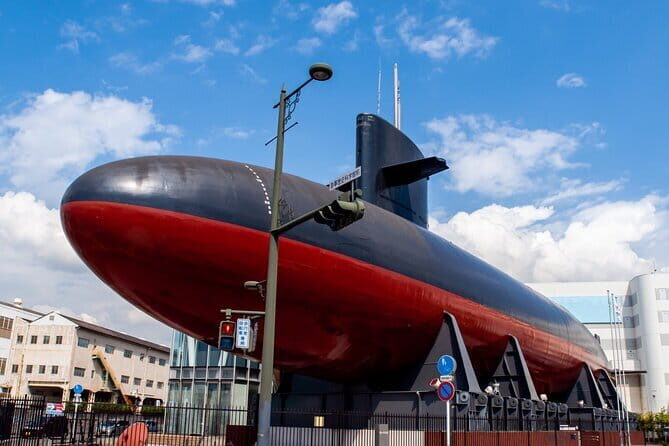
- Step inside a decommissioned submarine at the JMSDF Kure Museum, with guided context
- Yamato Museum is your foundation for understanding Kure’s shipbuilding role
- A mini-cruise on Kure Bay gets you close to the working waterfront feel
- Guided stops include admission fees and transport using public transit
- Group size is capped at 20, which keeps the day from feeling chaotic
Kure Naval Port: Why this feels different from a typical Hiroshima day
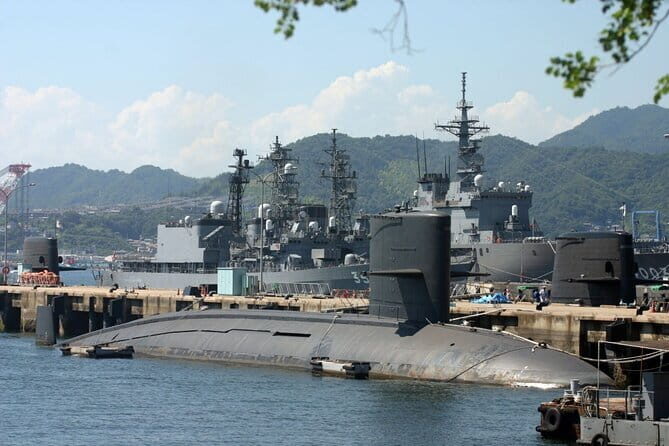
Most people base their Hiroshima trip on museums and memorials, which are absolutely worth your time. But if you want a different angle on the same region—how Japan built, launched, and supported its naval power—Kure is the place. This port town sits just outside Hiroshima city, and it became the largest military port in East Japan during World War II. It also has a reputation as one of the greatest shipbuilding cities in the world, with the battleship Yamato famously constructed here.
What I find compelling is that Kure doesn’t feel like a distant, abstract past. It feels like a working connection between history and today’s naval presence. The tour leans into that contrast: wartime shipbuilding and naval strategy, then how the Japanese Navy’s role continues after the war. If you’re a ship-and-technology person, you’ll likely get a real mental picture of how the pieces fit together.
You can also read our reviews of more boat tours in Hiroshima


Getting there from Hiroshima Station (and why your start time matters)
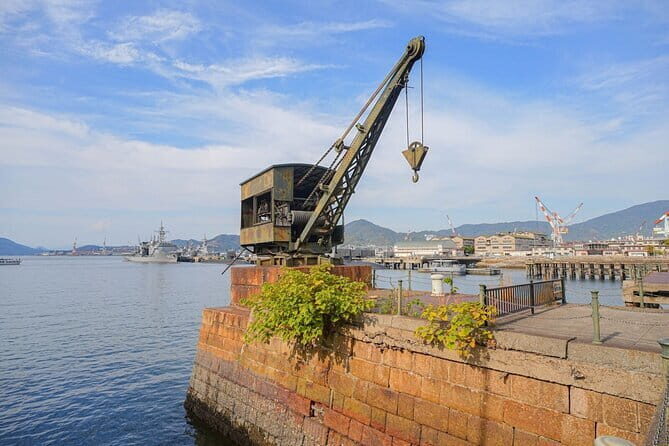
You start at Hiroshima Station around 9:30 am. The meeting point is listed at 1-2-37 Matsubarachō in Minami Ward, and the area is near public transportation, which is a big deal when you’re starting early and want a clean, stress-free morning.
This is not a self-guided day where you figure it out at every step. You’re with an English-speaking guide, and the tour includes transportation to and from activities using public transport. That matters because the Kure sites involve multiple locations across the naval port area. One review highlighted how the guide helped arrange meeting at Hiroshima station, then you’d take a commuter train to reach the naval area for the boat cruise. That kind of coordination is exactly what you want on a day that’s already long.
Practical tip: plan to arrive a few minutes early and keep your transit ticket or phone ready for the mobile ticket. A morning start is where small delays can snowball.
Yamato Museum: The best first stop for understanding why Kure mattered
Your first stop is the Yamato Museum, and it runs about one hour with admission included. This is the right warm-up. Instead of jumping straight into hardware, the guide walks you through exhibits and gives you context about Japan’s Navy and Kure’s naval base.
If Yamato is the name that drew you here, this museum is your anchor. It connects the shipbuilding reputation of Kure to the larger naval story. You’re not only learning that Yamato existed—you’re seeing why a place like Kure could produce something so famous, and what roles these ships played in the broader strategy of the time.
Why this stop works on a guided tour: without context, naval history can feel like a list of ship names and dates. With a guide, you start building a framework. By the time you reach the next sites, you’ll recognize details as part of a bigger system rather than isolated artifacts.
What to watch for: museum time can move at a steady pace. If you’re the type who likes to slow down and read everything, consider that the guide will keep momentum, and you may not get deep solo reading at every display.
JMSDF Kure Museum: What it’s like to walk inside a decommissioned submarine
The centerpiece for many people is the JMSDF Kure Museum stop, about 50 minutes. Here you get the unique chance to step inside a real decommissioned submarine. Admission is included, and your guide is there to explain what you’re seeing and connect it to the naval role of the base.
This is the moment that turns history into a physical experience. You don’t just learn how submarines worked in theory—you can get a feel for the scale and layout from the inside. For ship and military-history fans, that hands-on element is the main reason to choose Kure over a city-only museum day.
I also like how this stop supports different learning styles. If you enjoy visual learning, you’ll benefit from the physical structure. If you prefer story-based learning, the guide helps translate that structure into function and purpose. It’s a solid mix.
One practical consideration: this is where moderate physical fitness comes into play. You should be comfortable walking through a submarine environment as part of the experience. If you have mobility constraints or you dislike cramped, uneven spaces, this is the part you should think through before you book.
Irifuneyama Memorial Hall: The commander’s residence and the human side of the port
Next comes the Kure City Irifuneyama Memorial Hall, about 55 minutes. This stop is different from the ship-focused sites. You enter the former official residence of the Kure Naval Station Commander-in-Chief.
The value here is perspective. After you’ve spent time with naval technology, you shift to the people and command structures connected to that technology. The residence is described as a stunning example of beautiful and unique architecture, and the guided experience helps link it back to the naval station’s role.
If you only care about machines, you might wonder what a home has to do with submarines. But for me, the residence stop helps explain how a naval base wasn’t only equipment and steel. It was also leadership, administration, and daily life at a command level. That balance can make the entire day feel more complete.
What to expect: this portion is likely more guided discussion and building interior time than hands-on “walk around” freedom. If you like quiet reflection, it can be a nice change of pace after the submarine.
You can also read our reviews of more city tours in Hiroshima


Kure Bay mini-cruise: Seeing the waterfront feel near ships and subs
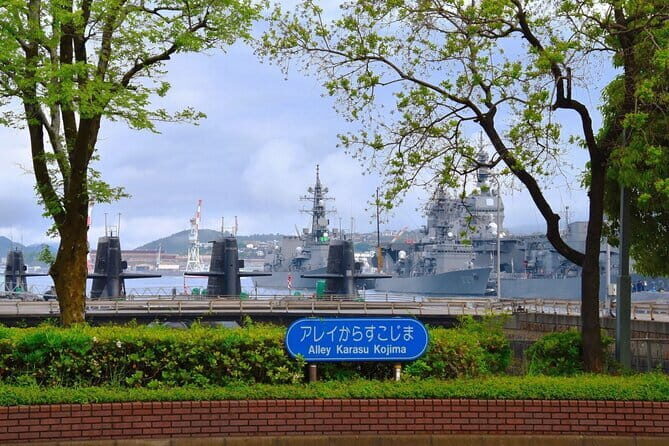
The tour also includes a mini-cruise ride on the Kure Bay area, giving you a closer look at the naval port environment. One review noted that after taking a commuter train to the naval base, the group went on a boat cruise getting close to ships and submarines. That’s the “wow” factor many people come for.
On the water, the whole naval story becomes more grounded. You can better understand why Kure’s location and port facilities mattered. Instead of everything being confined to museum halls, you get to experience the working waterfront setting—exactly what makes the town special today and in the past.
My advice: dress for the water and the wind, even in mild seasons. And be ready to keep your phone/gear secure and close to you if you’re bringing a camera. A short cruise still has motion, and you’ll want clear enjoyment without fiddling mid-ride.
How the 9-hour schedule actually plays out (and what to do about lunch)
This tour runs about 9 hours, ending back at the Hiroshima Station meeting point. With three museum stops (Yamato Museum, JMSDF Kure Museum, and Irifuneyama Memorial Hall), plus the bay cruise, it’s naturally a structured day.
Here’s the practical truth: you’ll want to start fueled. Lunch isn’t included, and you don’t have details here about where you’ll stop for food, so don’t count on finding something convenient at the exact moment you’re hungry. Bring a snack if that’s your style, or plan to eat after the tour ends.
Also consider that the submarine portion is part of the day’s physical demands. The tour notes moderate physical fitness, so if you’re older, recover from an injury, or simply dislike “hands-on walking,” you’ll want to evaluate if the submarine stop is manageable for you.
Good news for planning: the day includes entry fees and transportation to/from activities, so you’re not hunting for separate tickets and transit transfers on the fly.
Price and value: Is $148.92 a good deal for this day?
At $148.92 per person, this tour isn’t the cheapest way to spend a day around Hiroshima. But it also isn’t trying to be. You’re paying for a guided, multi-location naval-history day that includes:
- English-speaking guide
- Admission fees at all stops
- Transportation to and from activities using public transport
- A mini-cruise on the bay area
- A group experience limited to 20 travelers
When I think about value, I don’t just look at the museum tickets. The submarine walk is the big divider. That’s a rare experience, and it’s time-boxed and guided for a reason. The guide helps you get something more than a photo-op—you get interpretation that connects what you see to Kure’s role in modernization and naval operations.
So is it worth it? If naval history and real-world ship technology experiences are your thing, you’ll likely feel you got your money’s worth. If you’re mainly here for a light overview with lots of free time, you might prefer a cheaper, less structured alternative.
Who should book this Kure tour (and who might not love it)
This tour is a great fit for:
- Ship and submarine fans who want more than museum reading
- History lovers who like context and guided storytelling
- Travelers who want a day outside Hiroshima city but still within easy reach
It may feel less ideal if:
- You hate structured schedules and prefer wandering
- You need guaranteed lunch included
- You don’t do well with moderate physical activity (the submarine stop is the key factor)
A nice touch for many visitors is the small group size. With up to 20 people, you typically get a smoother guide-to-group interaction than you’d see on a large bus-style tour.
Should you book this Kure day from Hiroshima?
I’d book this if you want one day that combines three things that usually don’t get together: naval technology you can physically experience (the submarine), a strong framing museum (Yamato), and a port-environment look from the water (the bay mini-cruise). The guided format also helps you understand what you’re seeing instead of just collecting facts.
Skip it or at least think twice if your idea of a perfect day is open-ended time for shopping or long unstructured breaks. This is a full, guided immersion into Kure’s naval story, and it moves steadily.
If you’re traveling with a specific interest in submarines, battleships, or the way a major shipbuilding port shaped modern Japan, this is one of the most targeted day trips you can do from Hiroshima.
FAQ
What is the duration of the Day Tour Explore Port City Kure Battleships and Submarines?
It runs for about 9 hours.
Where is the meeting point and what time does the tour start?
The tour starts at Hiroshima Station at 9:30 am.
How much does this tour cost?
The price is $148.92 per person.
What’s included in the tour price?
Included are an English-speaking guide, entry fees at all tour locations, and transportation to and from activities using public transport.
Is lunch included?
No, lunch is not included.
What should I know about tickets and confirmation?
You receive confirmation at the time of booking, and the tour includes a mobile ticket.
How large is the group?
The maximum group size is 20 travelers.
Is there any cancellation flexibility?
Yes. You can cancel for a full refund if you cancel at least 24 hours before the experience’s start time.