REVIEW · HIROSHIMA
Hiroshima and Miyajima 1 Day Cruise Tour
Book on Viator →Operated by H.I.S.Co., Ltd. · Bookable on Viator
This day moves fast, in a good way. I love the built-in contrast of Miyajima’s tide-trick torii and Hiroshima’s Atomic Bomb Dome, all in one organized route. You get World Heritage sights plus time to slow down in places that feel very different from each other.
I also like that the tour keeps the travel simple with an English-speaking guide and ferry links that reduce transfer stress. One consideration: this isn’t a big cruise ship day—it’s ferries—and the most emotional museum time is mostly self-paced once you’re inside.
In This Review
- Key Things You’ll Notice on This Hiroshima and Miyajima Day
- Planning Your 8-Hour Route: Meeting Time and Ferry-First Flow
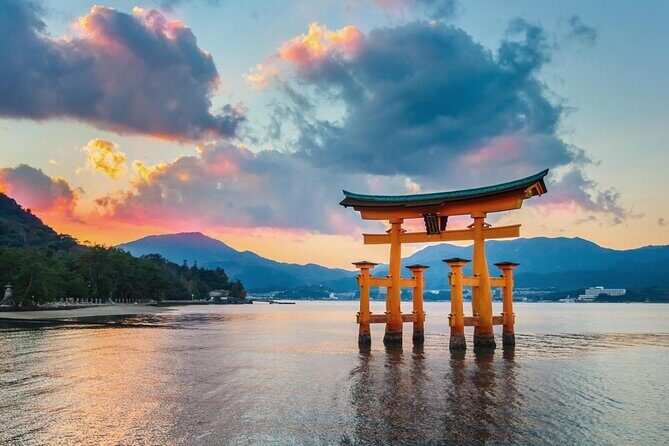
- Miyajima Island: Deer, Torii Views, and Itsukushima Shrine from the Water
- Hiroshima Peace Memorial Museum: What a Guided Day Really Makes Easier
- Peace Memorial Park and the Atomic Bomb Dome: From Exhibits to Outdoor Memory
- English-Speaking Guides and the Pace That Keeps You From Feeling Rushed
- Price and Value: Why $163.40 Often Makes Sense (Even Without Lunch)
- Who This Tour Fits Best (and Who Might Want Something Else)
- Should You Book This Hiroshima and Miyajima Day Trip?
- FAQ
- What time does the Hiroshima and Miyajima tour start?
- How long is the tour?
- Is lunch included?
- What’s included in the price?
- Do I need to buy tickets for the museum or shrine?
- Is this a cruise ship experience?
- What if the weather is poor?
- Is the tour private?
Key Things You’ll Notice on This Hiroshima and Miyajima Day
- Ferry-first flow: You ride ferries between Hiroshima and Miyajima and again toward Peace sites, keeping logistics calmer.
- World Heritage focus: Itsukushima Shrine on Miyajima and Hiroshima’s Peace Memorial areas get the spotlight.
- Tide timing matters: The famous torii-in-the-water look is tied to high tide, so views can vary.
- Deer roaming Miyajima: Wild deer are part of the island’s everyday feel.
- Museum + park + dome in one stretch: You move from curated exhibits to outdoor memorial space.
- Good pacing from a real guide: Many guides called out for thoughtful timing help you feel less rushed.
Planning Your 8-Hour Route: Meeting Time and Ferry-First Flow
The tour starts at 8:45 am and runs about 7 to 8 hours, with extra time for travel in between. That’s a full day, but it’s built around a practical idea: don’t waste your time fighting transit when you can use the sea instead.
You’ll begin in the Hiroshima area and use included local transport (the local train fee is included). Then the day switches to water travel. You get a free local ferry from Hiroshima to Miyajima, and later a ferry from Miyajima to Peace Memorial Park. That direct link is a big deal. It means you’re spending more of the day actually looking at sights instead of rerouting.
This is also a private tour/activity, so only your group participates. That can be great if you want quieter conversations with your guide or a pace that fits your group.
You can also read our reviews of more boat tours in Hiroshima

Miyajima Island: Deer, Torii Views, and Itsukushima Shrine from the Water
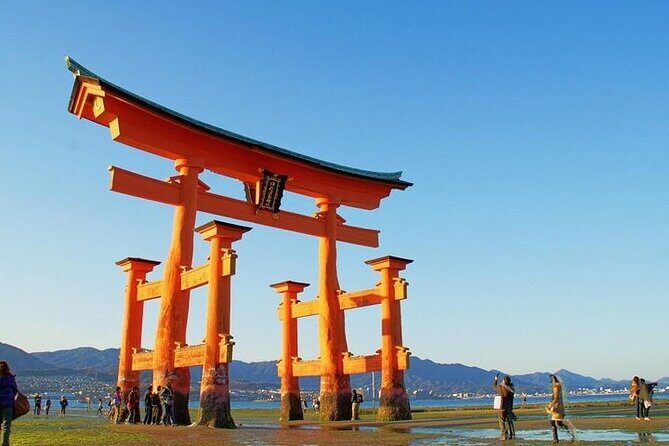
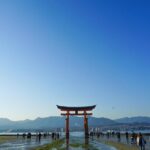
Miyajima is a small island just under an hour from Hiroshima. It’s famous for a dramatic giant torii gate where, at high tide, the torii appears to float on the water. Even if you don’t catch the exact tide you were hoping for, the setting is still special because you’re surrounded by the island’s coastal rhythm.
Another thing you’ll notice fast: the island’s wild deer. They aren’t a side-show. They’re part of how Miyajima feels on the ground—heads up, slow steps, and a bit of awareness as you walk near the shrine and paths.
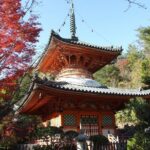
The big spiritual and visual highlight is Itsukushima Shrine. It’s centuries old and best known for how the complex presents itself toward the sea. You’ll also have the shrine experience with admission included, so you can focus on the view instead of ticket logistics. One practical tip: wear shoes you trust. Miyajima is walkable, but you’re on your feet for stretches while moving between viewpoints.
A quick reality check on timing: the tour includes shrine time, but it doesn’t promise a specific tide moment. If torii-floating photos are your top goal, your guide may be able to help you spot the best timing once you’re there—still, Mother Nature sets the schedule.
Hiroshima Peace Memorial Museum: What a Guided Day Really Makes Easier
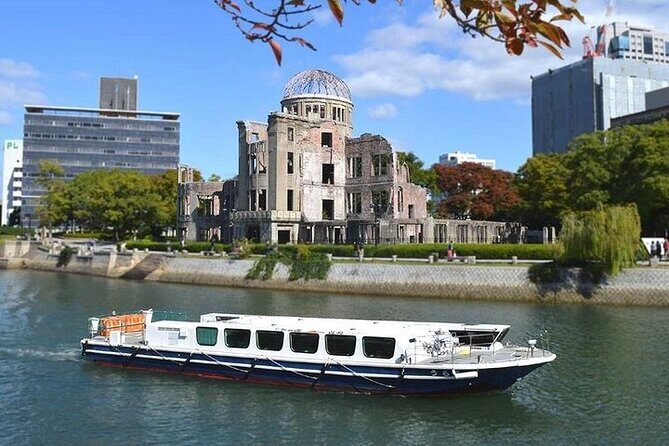
Hiroshima’s Peace Memorial Museum is the kind of place you don’t rush. It’s the largest of Hiroshima’s atomic-bomb-related sites, and it opened in 1955. The building was designed by architect Tange Kenzo, and that design supports the way the exhibits move from facts to impact.
You’ll spend about 1 hour here, and museum admission is included. This is an emotionally heavy stop. I recommend you treat it like reading, not sightseeing—slow down, and choose a few exhibit areas you want to fully absorb rather than trying to see everything.
One practical consideration: your guide can’t narrate every single detail inside the exhibits. The museum experience is mainly structured for you to read and reflect on your own. That’s not a flaw—it’s part of how the museum works. Just go in expecting self-paced time during the exhibit portion, even with an English-speaking guide outside your immediate reading moments.
If you’re sensitive to certain content, give yourself permission to step back when you need to. A good pace here matters more than collecting photos.
Peace Memorial Park and the Atomic Bomb Dome: From Exhibits to Outdoor Memory
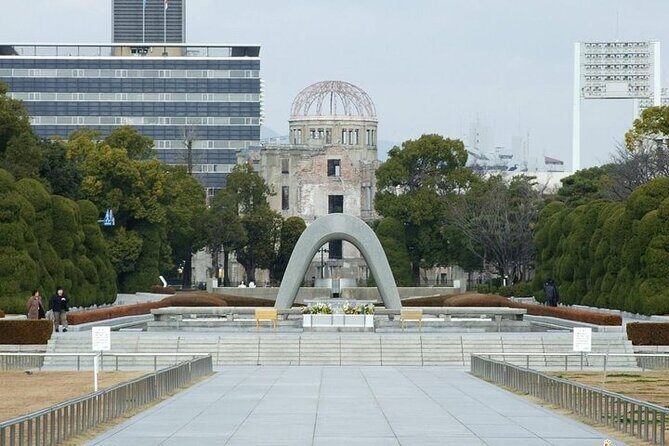
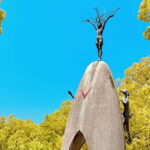
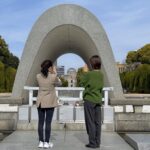
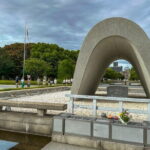
After the museum, the day shifts to outdoor memorial space in Peace Memorial Park. You’ll have about 1 hour, and entry is free. The park is one of Hiroshima’s defining features, covering a large area, and it naturally encourages a slower, more reflective rhythm.
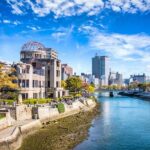
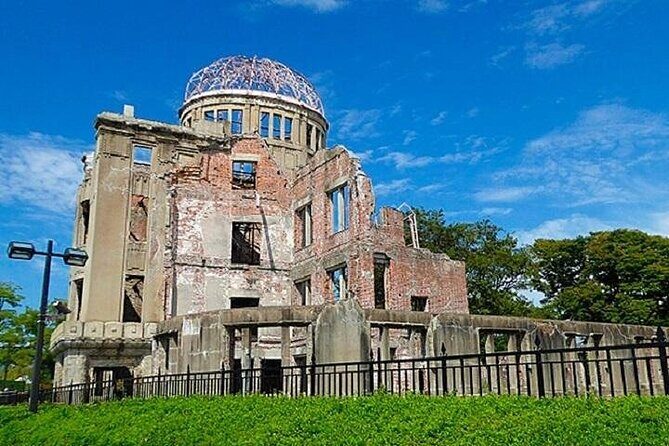
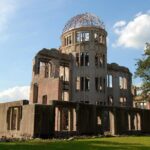
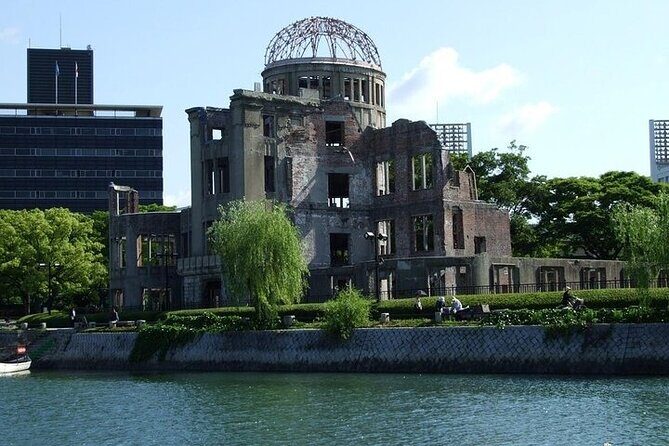
Then you’ll reach the Atomic Bomb Dome, a symbol of Hiroshima and a focus for prayers for world peace. You’ll have around 30 minutes here, with admission free. This stop is short by design because the dome works best when you let it settle: you look, you orient yourself, and you understand why this location matters globally.
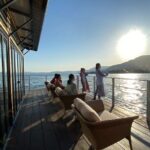
There’s also a strong sense of place created by how Hiroshima is approached. The tour includes water travel and aims to show city views from the river and the sea. That change in perspective helps the day feel coherent: you aren’t jumping randomly between attractions—you’re moving through Hiroshima in a way that matches the story the memorial areas tell.
Practical advice: bring water and take breaks. Not because the walk is impossible, but because memorial days add up. Your body needs resets, especially after museum time.
English-Speaking Guides and the Pace That Keeps You From Feeling Rushed
In a day like this, the guide is the difference between a checklist and a meaningful experience. The best guides do two things well: they help you understand what you’re seeing, and they keep the day moving at a humane speed.
You may meet guides such as Akie, Rimona, Tom, Tomo San, Yuki, Kumi, Chikako, Arki, or Momoko. Different guides will emphasize different angles, but the common thread in their reputations is clear English and good timing. For example, guides are noted for making sure you get to each stop without feeling crushed at the end of the day.
You also get a bit of flexibility. If there’s a spot you want to skip, you can. And if you want to change around your schedule even on the tour day, the guide can often help. If you request a new addition, you’d pay that ticket fee on the spot, and there may be extra transportation depending on what you choose.
One more practical note: lunch is not included, so your guide may be the person who helps you find something workable. In past experiences, guides have recommended delicious lunch options and adjusted the plan so the day stays smooth.
A few more Hiroshima tours and experiences worth a look
Price and Value: Why $163.40 Often Makes Sense (Even Without Lunch)
At $163.40 per person, this is not a bargain-basement day trip. But it can be good value if you add up what you’re actually getting.
Included items worth real money and time:
- English-speaking guide
- Free local ferry from Hiroshima to Miyajima
- Ferry from Miyajima to Peace Memorial Park
- Local train fee
- Itsukushima Shrine admission
- Hiroshima Peace Memorial Museum admission
Not included:
- Lunch
So the cost covers the main friction points: transport connections and key admissions. It also covers the human part—someone guiding you through heavy content without you needing to figure everything out alone.
Two things to watch for:
- Lunch adds extra cost, so plan a budget for food.
- This is private and can depend on group size. If you’re traveling solo, confirm how pricing works for your group size before you book.
Also, it’s commonly booked about 60 days in advance, which tells me demand is steady. If you want a specific day, don’t wait forever.
Who This Tour Fits Best (and Who Might Want Something Else)
This tour is ideal if:
- You want efficient coverage of Miyajima + central Hiroshima in one day.
- You prefer guided context rather than sorting museum facts on your own.
- You like ferry travel and want the sea-and-river viewpoint built in.
- You’re visiting for the first time and want the big World Heritage anchors handled for you.
It may be less ideal if:
- You want a long, slow museum experience with lots of spoken narration inside each exhibit. Expect mostly self-paced time once you’re in the museum.
- You’re expecting a cruise ship experience. The “cruise” part here is really ferry travel.
If your group is emotionally prepared for a serious day, this can be a powerful way to understand Hiroshima while also enjoying Miyajima’s island atmosphere and shrine beauty.
Should You Book This Hiroshima and Miyajima Day Trip?
I’d book this if you want one well-organized day that connects Miyajima’s iconic scenery to Hiroshima’s memorial sites, with transport handled and tickets covered where it matters. The ferry flow is the practical win, and the guide support is the human win.
I’d think twice if you’re chasing a true cruise-ship vibe, or if you need the museum portion to be highly conversational the entire time. Also, because the experience requires good weather, keep an eye on forecasts and be ready for timing to shift if conditions are bad.
If you’re ready for a day with beauty and heavy meaning, this is a strong choice.
FAQ
What time does the Hiroshima and Miyajima tour start?
The tour starts at 8:45 am.
How long is the tour?
Plan for about 7 to 8 hours total, including travel time.
Is lunch included?
No. Lunch is not included.
What’s included in the price?
Included are an English-speaking guide, local transport (local train fee), ferry rides between Hiroshima and Miyajima and toward Peace Memorial Park, plus admission for Itsukushima Shrine and the Hiroshima Peace Memorial Museum.
Do I need to buy tickets for the museum or shrine?
Museum and shrine admissions are included, and other memorial stops have free admission.
Is this a cruise ship experience?
No. It’s organized around ferries rather than a cruise ship.
What if the weather is poor?
The tour requires good weather. If it’s canceled due to poor weather, you’ll be offered a different date or a full refund.
Is the tour private?
Yes. It’s a private tour/activity, so only your group participates.