REVIEW · HIROSHIMA
Hiroshima Cruise Pickup : Miyajima & Peace Park Tour with car
Book on Viator →Operated by A guided tour of Kumano Town, Hiroshima/calligraphy and cosmetic brushes · Bookable on Viator
Crowds fade when you go private. This small-group Hiroshima + Miyajima day is built for an efficient, meaningful visit to two UNESCO sites—without the noise and waiting that come with big buses. You also get flexible timing to match your ship’s arrival and departure.
I especially like the personal guide setup: a licensed local English-speaking host who’s a US university graduate and has led 160+ tours, and in recent outings the guide has been Tomoyo Fujii. I also like that almost everything practical is handled for you—museum and shrine admissions, ferry fare, and even the Miyajima island entry tax—so you can spend your energy on the sites, not paperwork.
The one thing to consider is time: the day runs about 6 to 7 hours, so if you want long, slow wandering and lots of extra stops, you’ll likely need to plan additional free time on your own.
In This Review
- Key things to know before you go
- A private Hiroshima day that starts where your ship stops
- Hiroshima Peace Memorial Museum: more than monuments and photos
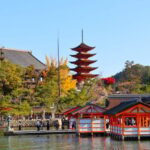
- Miyajima’s Itsukushima Shrine: sacred island context, not just a viewpoint
- How the route works: car pickup, ferry time, and a realistic pace
- What’s included (and what you’ll handle yourself)
- Guide quality you can feel in the details
- Value check: paying $456 per group for a full UNESCO pair
- Who this tour fits best
- Simple packing and day-of tips (so you don’t overthink it)
- Should you book this Hiroshima and Miyajima private cruise tour?
- FAQ
- Where do we meet for the tour?
- How long is the Hiroshima Peace Park and Miyajima tour?
- Is this tour private?
- What tickets and entrances are included?
- Do I need to bring money for transportation and admission?
- Are meals included?
- Does the tour run in any weather?
- What time window is the cruise terminal meeting point open?
Key things to know before you go
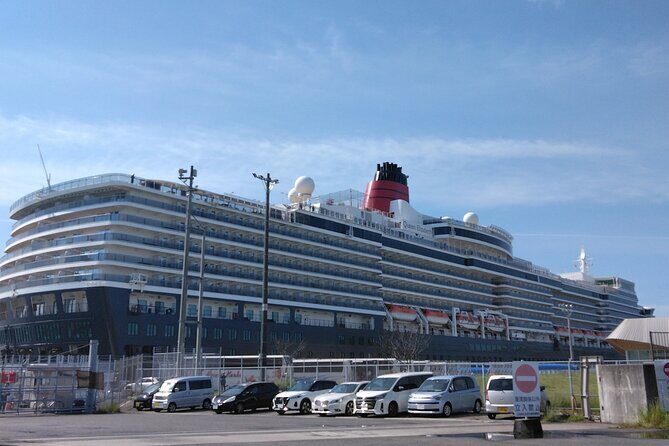
- Max 3 people means you can move at a comfortable pace and ask real questions.
- Ship-friendly timing: the order between Peace Park and Miyajima can switch depending on your schedule.
- Peace Memorial Museum time is protected (about 2 hours) so you don’t rush the most important parts.
- Miyajima’s Itsukushima Shrine gets real context (about 3 hours, not a quick photo stop).
- Ferry + island entry are included, so you avoid last-minute currency and ticket juggling.
- Car pickup from the cruise terminal helps you start fast and stay stress-free.
A private Hiroshima day that starts where your ship stops
This is the kind of tour that feels like someone coordinated the day around you. You meet at the Cruise Terminal in Hiroshima (Ujinakaigan area), and you’re picked up by car for a route that links Peace Park to Miyajima.
The big advantage is control. With a private group of up to 3, you’re less stuck behind other people’s photo schedules, and the guide can tailor the pace. That matters in Hiroshima, where the tone of the day is serious and you’ll likely want moments to absorb what you’re seeing.
Also, the tour’s format is designed to reduce friction. You get a mobile ticket, admissions are included, and transportation is handled—so you can do what you came for: understand Hiroshima and see Miyajima in the calm, guided way this day calls for.
You can also read our reviews of more boat tours in Hiroshima
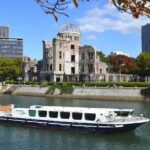
Hiroshima Peace Memorial Museum: more than monuments and photos
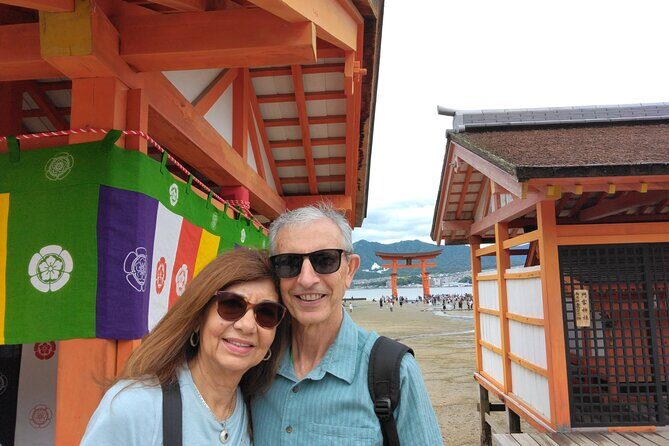
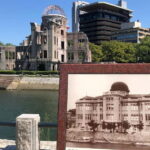
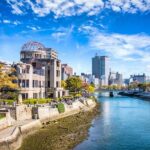
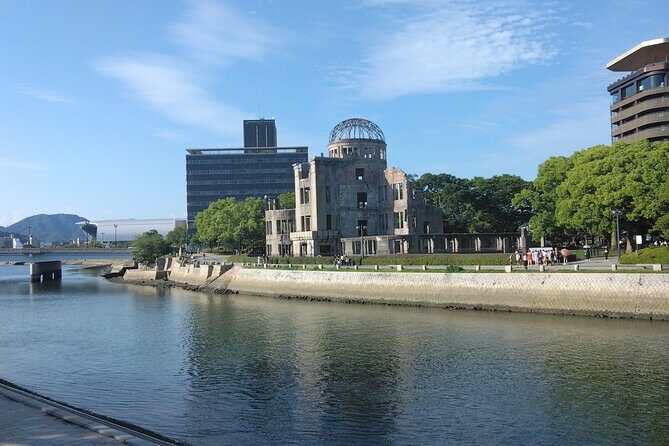
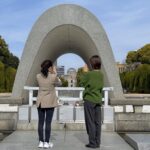
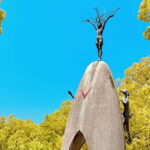
Your Peace Park segment starts with orientation outside, then moves into the museum. Your guide recounts the tragic history of Hiroshima and helps you connect what you see in the park to what the city lived through. You’ll also get help spotting key landmarks, including the Atomic Bomb Dome, plus a few of the monuments around the Peace Park area.
Then comes the museum itself, with a scheduled 2 hours and the admission fee included. This is the part that benefits most from having someone explain what you’re looking at. The museum isn’t just about dates—it’s about human stories, the meaning behind memorial choices, and how the memory of the bombing is presented for visitors.
A practical point: Peace Park can feel emotionally heavy, and the worst time to feel rushed is when you’re standing in front of something that needs time. With this tour, you’re not trying to squeeze everything into a short stop. You get a guided frame outside, then a structured visit inside the museum that keeps you from racing through the displays.
If you want to get the most out of your time, I’d suggest preparing mentally for a slower pace. This is not a “quick overview” tour. If your ship departure is tight, this kind of guided timing helps you keep the schedule without cutting the important parts.
Miyajima’s Itsukushima Shrine: sacred island context, not just a viewpoint
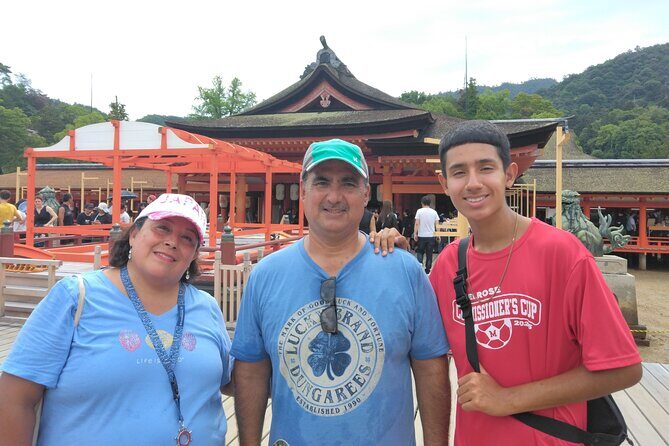
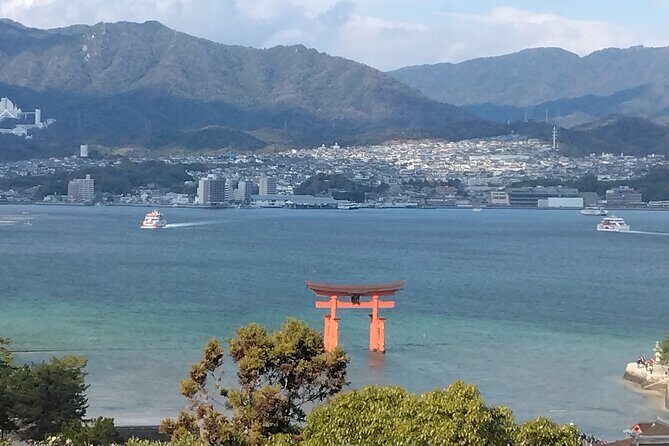
After Peace Park, you head to Miyajima, where the day’s second UNESCO stop is the Itsukushima Shrine. The tour includes about 3 hours here, plus admission and the Miyajima island entry tax.
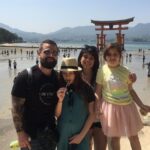
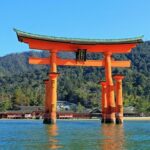
Your guide shares facts that go beyond what most people learn from guidebooks. You’ll hear about Miyajima’s connection to Hiroshima and Japan, including explanations tied to religion and samurai-era culture. You’ll also get help understanding the shrine’s famous look—the tradition and symbolism behind the structures people photograph, including the well-known floating appearance.
This stop shines because the guide builds meaning into what you’re seeing. Miyajima can look like a scenic detour, but with the right framing it becomes part of Hiroshima’s wider story: faith, place, and history all braided together. You don’t just walk around buildings—you understand why they matter.
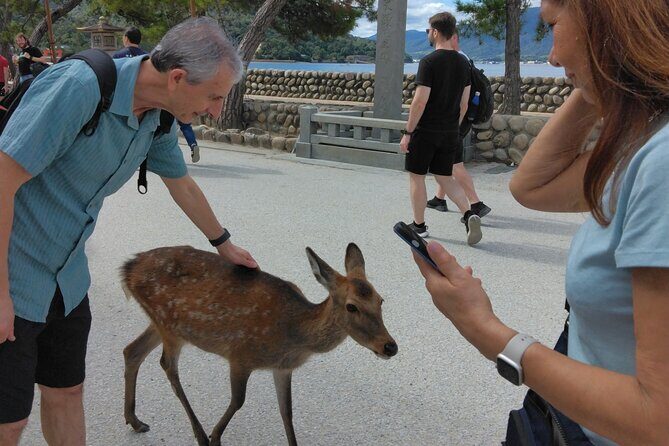
One drawback to watch for is weather and crowds. Miyajima is an island, so conditions and timing can change how pleasant the walk feels. The tour is designed for a full, guided visit, but if you’re sensitive to walking or you’re visiting in less-than-ideal conditions, be ready with comfortable shoes.
How the route works: car pickup, ferry time, and a realistic pace
The logistics are one of the reasons this is worth considering, especially if you’re on a cruise. The pickup is from the Cruise Terminal, and private transportation is included. That reduces stress in two big ways: you don’t need to figure out local transfers on a short timetable, and you don’t waste time coordinating meeting points.
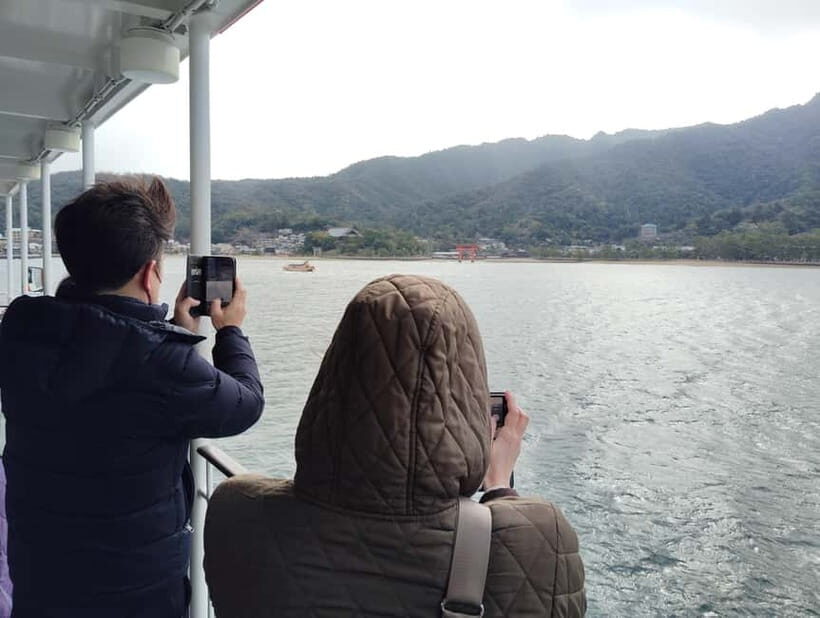
You’ll also take the ferry. Ferry fare is included, so you’re not stuck searching for the right ticket while the day is moving along. That inclusion sounds small, but it’s exactly the kind of detail that makes “a good plan” become “a smooth day.”
Timing works like this: the total day runs about 6 to 7 hours, with time split between Peace Memorial Museum and Miyajima. The tour also notes that the visit order may vary depending on each person’s schedule and ship timing. That flexibility is smart. In Hiroshima, the day can feel “tight” when you’re matching it to a departure clock, so being able to shift order is a real advantage.
If you want the most calm experience, plan for meals later rather than early. Since meals aren’t included, you’ll choose what fits your taste and schedule.
What’s included (and what you’ll handle yourself)
This tour is built around “almost all included.” Here’s what you get:
- Licensed local English-speaking guide
- Admission to the Hiroshima Peace Memorial Museum
- Admission fees for Itsukushima Shrine
- Miyajima island entry tax
- Ferry fare
- Private transportation by car
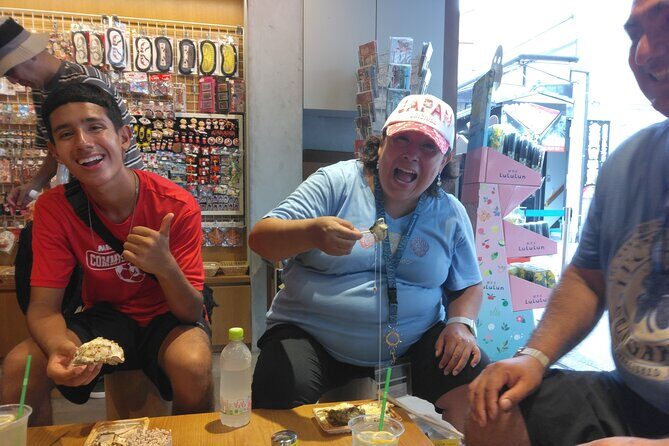
What’s not included is the stuff you’ll likely want to choose anyway: meals and drinks. That’s not a weakness—it’s a chance to steer your day toward what you actually want to eat. Hiroshima has distinct flavors, and Miyajima offers its own island specialties. With meal time unforced, you can decide what kind of lunch fits you.
Because the big ticket items and transport costs are covered, you should expect minimal cash juggling. That’s especially helpful if you don’t want to think about where to buy tickets and how much to bring for each segment.
A note on how the day feels: this is designed to feel like time with a local friend. With max 3 people and guide-led pacing, the day tends to be more conversational than clock-driven.

Guide quality you can feel in the details
The guide setup is one of the most praised elements of the experience, and it’s easy to see why. The tour is led by a licensed local English speaker who is a US university graduate and an experienced host mother with 160+ tours. That combination matters: you get clear English, but you also get cultural context that doesn’t feel like a script.
In the guide names that come up, Tomoyo Fujii is highlighted for speaking clear English and for explaining the sacred meaning behind Miyajima’s shrine structures—not just what to photograph. The same style applies to Peace Park, where the guide helps you connect the museum and park monuments to the story of Hiroshima.
There’s also a practical benefit: crowd management. Hiroshima’s major sites can get busy, and you’ll do better when someone helps you plan how to move through the area. With a small group and a guide who knows where people cluster, you’re less likely to get stuck in long waits.
If you care about understanding what you’re seeing, this is the sort of tour that rewards you. The guide isn’t just reciting facts. She helps you build a mental map of why each stop matters.
Value check: paying $456 per group for a full UNESCO pair
The price is $456.07 per group (up to 3 people). That number reads different depending on how many seats you use.
- If you use the full group of 3, you’re effectively around $152 per person.
- If you’re only 1 or 2 people, the per-person cost is higher, but you still get the private setup and cruise-friendly logistics.
You’re also getting real inclusions that often cost extra on your own: museum and shrine admissions, ferry fare, and Miyajima island entry tax. Private car transport from the cruise terminal is also included, which is typically one of the more expensive parts of a day trip.
Where this feels especially good is when you compare it to the hidden costs of DIY. If you’re matching a cruise schedule, you can easily lose time (and money) managing transport and tickets. This tour pays those friction costs for you upfront, so your day runs like a plan instead of a series of guesses.
Who this tour fits best
This is a great match if you want:
- Two UNESCO stops in one day without rushing
- A small-group, private pace
- Someone to explain meaning behind what you’re looking at, especially for Peace Park and Itsukushima Shrine
- Cruise-port convenience, with pickup from the terminal and guided timing
It’s also a nice fit for people who prefer to avoid big buses and want a more personal rhythm. Peace Park and Miyajima both benefit from context, and that’s what turns a checklist of sights into an actual day you’ll remember for the right reasons.
Simple packing and day-of tips (so you don’t overthink it)
Since meals aren’t included, plan to snack lightly before you start and decide what lunch you want once the tour pacing is clear. Comfortable shoes matter, especially around shrine areas where you’ll do walking.
Also, because the tour requires good weather, keep expectations flexible. If weather disrupts plans, the tour notes that you’ll be offered another date or a full refund.
Finally, bring curiosity. The best part of a guided day is asking small questions as they come up. With a group size of up to 3, you’re not competing for attention.
Should you book this Hiroshima and Miyajima private cruise tour?
I’d book it if you want a meaningful, organized UNESCO day that respects Hiroshima’s tone and still gives you time to appreciate Miyajima properly. The combination of private transport from the cruise terminal, included admissions (Peace Memorial Museum and Itsukushima Shrine), and the ferry makes it a smart value when your schedule is tight.
Skip it (or plan extra time elsewhere) if you’re the type who wants to freestyle for hours without any structure. This tour gives you a guided framework and set time blocks. That’s a strength for most people—but if you’re craving long detours and extra stops beyond the two UNESCO sites, you may want to add your own free hours.
If you’re traveling with up to two others and you want a day that feels calm, personal, and well-timed, this one is an easy yes.
FAQ
Where do we meet for the tour?
You meet at the Cruise Terminal in Hiroshima, located at Hiroshima, Minami Ward, Ujinakaigan, 3-chōme 1212 (宇品波止場公園).
How long is the Hiroshima Peace Park and Miyajima tour?
Plan on about 6 to 7 hours total.
Is this tour private?
Yes. It’s a private tour/activity, and only your group participates, with a maximum group size of up to 3 guests.
What tickets and entrances are included?
Included are the admission fees for the Hiroshima Peace Memorial Museum and Itsukushima Shrine, the Miyajima island entry tax, and ferry fare.
Do I need to bring money for transportation and admission?
You’ll still need money for meals and drinks, but major costs for admission and transport are included, which reduces what you need to handle during the day.
Are meals included?
No. Meals and drinks are not included, so you can choose what you want to eat.
Does the tour run in any weather?
The experience requires good weather. If it’s canceled due to poor weather, you’ll be offered a different date or a full refund.
What time window is the cruise terminal meeting point open?
The meeting point is listed as open 7:00 AM to 7:00 PM (with the provided date range).