REVIEW · HIROSHIMA
Home Experience: Tea Ceremony & Moss Garden Walk(Day trip)
Book on Viator →Operated by Naomy’s tour · Bookable on Viator
A day in rural Hiroshima can feel surprisingly close-up. This private tour takes you to a 200-year-old countryside home and pairs it with a moss garden walk and a real matcha tea moment in a tatami room.
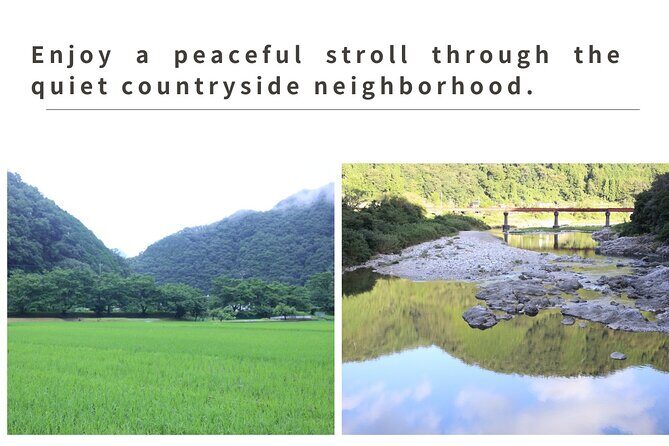
What I like most is how it mixes daily-life pacing with hands-on moments, not a checklist of sights. You also get to move through the area around the house at an easy speed, with options like a gentle neighborhood stroll.
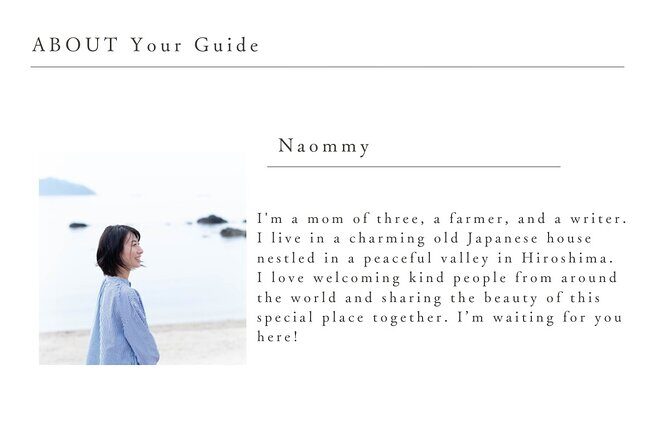
The second big win for me is the guide, Naomy. From the way she welcomed people at the house, to the care she put into the tea preparation, the day feels personal instead of rushed. You’ll also cook and share a homemade lunch with ingredients covered in the price, which makes the food part feel like the point, not a detour.
One possible drawback: the experience depends on good weather. If conditions are poor, the tour can be changed or refunded, so plan your Hiroshima schedule with some flexibility and don’t stack it back-to-back with other outdoor plans.
In This Review
- Key things to know before you go
- A 200-Year-Old Kominka, and Why It Feels Different in Hiroshima
- How the Morning Flows: JR Kabe Station to the Rural Valley
- Stop-by-Stop: Moss, River or Forest Walks, and Matcha in Tatami
- Stop 1: The 200-Year-Old House Experience
- Stop 2: Moss Garden Walk and the Culture Lesson
- Stop 3: Walk the Neighborhood River or Step Into the Forest
- Stop 4: Matcha Tea Made for You (Garden or Tatami)
- Lunch You Cook Together: Why This Meal Feels Like the Point
- Price and Value: Is $130.82 Fair for This Kind of Day?
- Who This Tour Suits Best (and Who Might Prefer Something Else)
- Should you book Naomy’s Tea Ceremony & Moss Garden Walk?
- FAQ
- What time does the experience start?
- How long is the tour?
- Is pickup offered?
- Is this a private tour?
- What’s included in the price?
- Are admission tickets included?
- Do I need private transportation for the day?
- Is the tour dependent on weather?
- Can I bring a service animal?
- What if I cancel?
Key things to know before you go
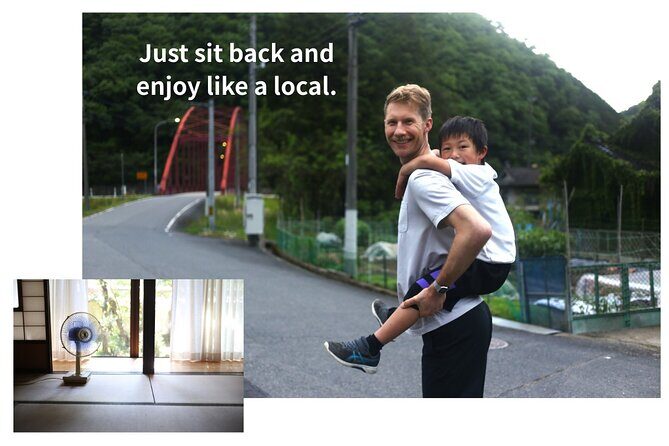
- 200-year-old farmhouse setting: You’ll spend time in a renovated home with tatami rooms, so the culture feels lived-in, not staged.
- Moss culture lesson: Japan has around 1,800 types of moss, and you’ll learn how moss is part of everyday Japanese aesthetics.
- Your walk, your pace: You can follow the nearby river path or head into the forest behind the house for quieter time with nature.
- Tea preparation by your host: You’ll get a bowl of matcha made for you, with options to enjoy it in the garden or on tatami indoors.
- Lunch you help make: A shared homemade meal, with ingredient costs included, keeps you connected to the rhythm of the household.
A 200-Year-Old Kominka, and Why It Feels Different in Hiroshima
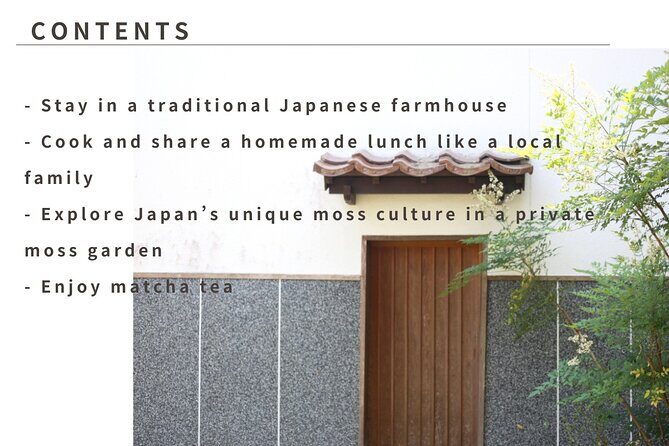
This is not the kind of tour where you hop from one photo spot to the next. The heart of the day is a 200-year-old countryside home, often described as a kominka, and the experience is built around what people did there day after day.
Even though the house has been renovated, the feel stays old-school—cool in tone, with tatami rooms where you can slow down and actually pay attention. That matters because tea and moss aren’t just activities here. They’re a way of noticing small details: how light falls through greenery, how a garden looks when you stop moving, and how a simple tea ritual lands differently when you’re seated in a traditional room.
And yes, this does mean you spend most of your time away from the usual tourist bustle. You’re headed into a quieter valley with a neighborhood-like pace, which is exactly why this style of trip works so well.
You can also read our reviews of more walking tours in Hiroshima

How the Morning Flows: JR Kabe Station to the Rural Valley
You start at JR Kabe Station at 9:30 am. Then you take a scenic bus ride into the countryside, and you’ll feel the change fast—less city rhythm, more open air.
The tour is described as private, so it’s only your group (not a shared crowd shuffled through). That’s a real quality-of-life detail. You can ask questions, take your time, and move as a unit without the constant “next group, please” energy.
There’s also pickup offered, but private transportation such as trains or buses is not included. So what you’ll want to do is make sure you can comfortably get to the starting point (and coordinate if pickup is available for your party). A mobile ticket is used for the experience, which is convenient if you’re trying to keep your day light and paper-free.
Stop-by-Stop: Moss, River or Forest Walks, and Matcha in Tatami
This day is built like a gentle sequence: nature first, movement second, then tea and stillness. Each part earns its place.
Stop 1: The 200-Year-Old House Experience
You step into the countryside home and get oriented in a traditional setting. The experience is designed to make you feel like you’re visiting a family space—tatami rooms, time to settle, and a calm pace that doesn’t rush you out for the next activity.
The value here is simple: a tea ritual makes more sense when you’re in the right environment. If you’ve only had matcha in a cafe, this will likely feel more like a practice and less like a drink.
What to watch for: because you’re spending time in a traditional home, you’ll want to be ready for a quieter, slower flow than a typical city tour.
Stop 2: Moss Garden Walk and the Culture Lesson
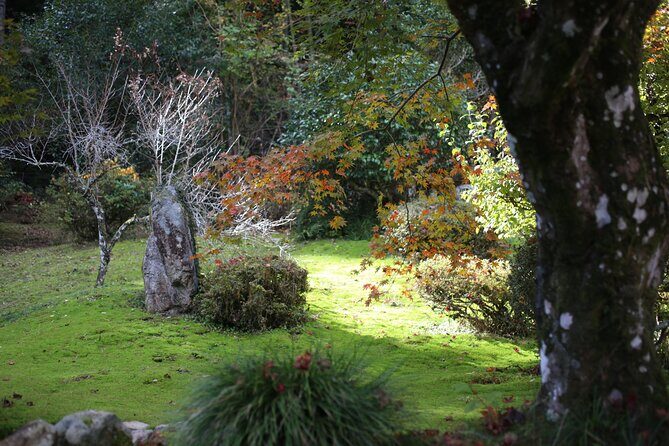
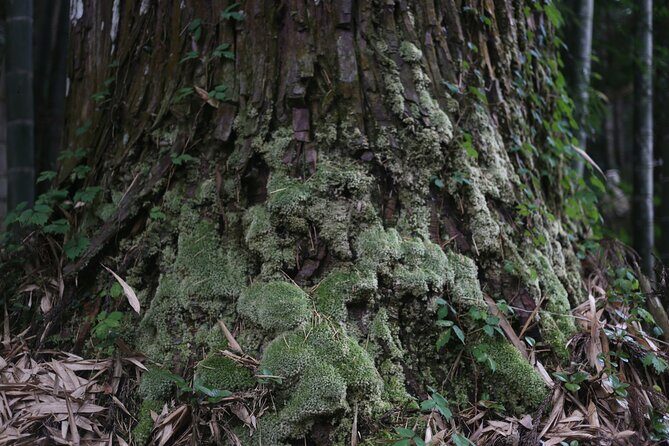
Next comes the moss garden walk, led by a local guide. Moss in Japan isn’t treated like a random plant cover. It’s tied to how people see nature—soft textures, patient growth, and the calm feeling of green that isn’t “loud” like flowers.
You’ll get a fact that sticks: Japan has around 1,800 types of moss, close to one-tenth of all moss species. It’s a useful lens for the rest of the walk. Instead of seeing moss as a background, you start noticing variation—color, density, how it changes with light.
A practical tip: bring your attention. Moss rewards slow looking. If you rush for photos, you’ll miss what makes the garden special.
A few more Hiroshima tours and experiences worth a look




Stop 3: Walk the Neighborhood River or Step Into the Forest
After the moss garden, the tour offers a choice for a short walk. You can follow the nearby river area, which tends to feel peaceful and easy, or you can take a quiet walk behind the house in the forest.
This is one of my favorite parts to recommend because it lets the day match your energy level. Want gentle scenery and a light stroll? River time fits. Want a quieter, more tree-focused mood? The forest behind the house gives you that.
What to plan for: wear comfortable shoes. You’ll be walking, and you’ll likely be on uneven outdoor ground even if the pace is relaxed. If you’re coming from Hiroshima city, this is also a good reason to dress in layers—countryside air can feel different once you’re out of the urban zone.
Stop 4: Matcha Tea Made for You (Garden or Tatami)
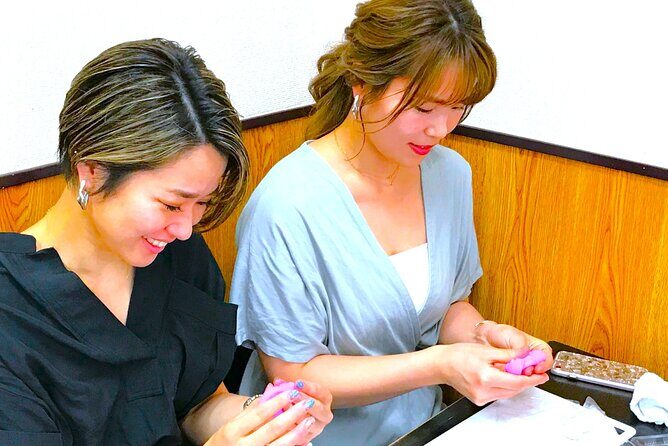
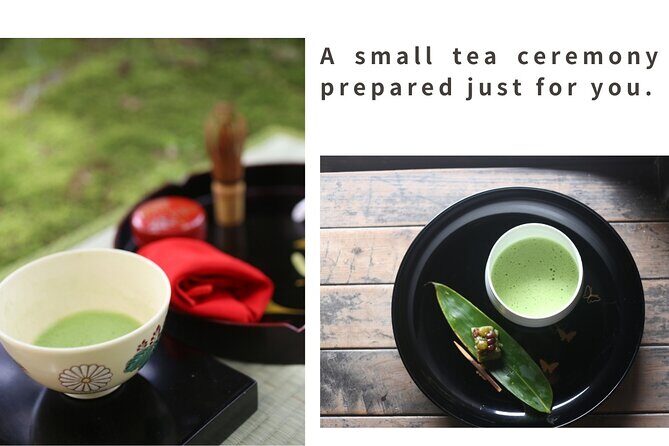
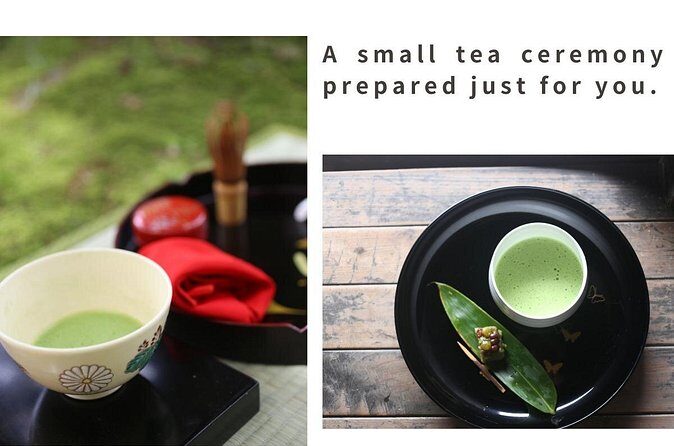
Then comes the tea moment: your host prepares a bowl of matcha just for you. If the weather is nice, you can enjoy it in the moss garden. If you prefer, you can stay inside on tatami.
This flexible choice matters more than it sounds. Tea is about calm timing. Being outside lets you feel the garden around you; being inside keeps the ritual cozy if the air is cool or a breeze pops up. Either way, you’re not stuck in one mode.
In the reviews and overall tone of the experience, Naomy is described as thoughtful and careful—exactly what you want for a tea ceremony where small gestures and patience make the difference.
What you’ll likely feel: matcha becomes less of a “try it once” item and more of a moment you understand. The setting and the host’s pace do a lot of the work.
Lunch You Cook Together: Why This Meal Feels Like the Point
Lunch is included, and the setup is hands-on: you cook together and share a homemade meal like a local family would. The cost of ingredients is included, so you’re not doing the awkward math mid-experience.
This part of the day is valuable because food is usually where people learn how daily life actually works. You’re not just eating in a beautiful room. You’re participating in how the household turns raw ingredients into a shared meal.
I also like that it fits the day’s philosophy. Moss and tea teach you to slow down and pay attention. Cooking does the same thing in a different way—watching, following steps, and sharing what comes out of the pot.
Price and Value: Is $130.82 Fair for This Kind of Day?
At $130.82 per person, this isn’t a cheap snack-size tour. But you’re also paying for a very specific combination:
- A guide fee
- A full day format (about 7 hours)
- A small, private-group experience
- A traditional setting in a 200-year-old farmhouse
- Lunch where you cook together
- Tea preparation made for you
- Morning and nature-focused time outdoors (with the moss garden walk)
Also, the tour lists admission tickets as free for the stops shown, which helps explain why the day doesn’t balloon with extra costs once you arrive.
The big question for you is not just whether the price is “low,” but whether you’re the type of person who values time with a real host and a real home. If you want the quickest hits—temples, castles, and big-ticket sights—this might feel slower than you expect. If you want to understand how people live and think in rural Japan, this price starts to look pretty reasonable.
One more detail: it’s often booked far ahead (an average of 249 days). That usually means the demand is real, so if this is your style, don’t wait until the last minute.
Who This Tour Suits Best (and Who Might Prefer Something Else)
This works especially well for:
- People who love small-group or private experiences with a local guide
- Nature lovers who enjoy walking at an easy pace
- Travelers who care about cultural practices like tea, not just tasting a drink
- Families and solo travelers who want a friendly day structure (the tour notes most travelers can participate)
It may be less ideal if:
- You need a packed, major-sight schedule every hour
- You don’t want any outdoor time, since good weather is required
- You’re looking for purely commercial shopping stops (this is a countryside home experience, not a marketplace tour)
Should you book Naomy’s Tea Ceremony & Moss Garden Walk?
If you want a Hiroshima day that feels human-scale and quietly memorable, I’d book it. The combo is what makes it: a traditional tatami house setting, guided time in a moss garden, gentle walking options (river or forest), and a matcha tea ritual prepared for you. Add lunch you cook together, and it becomes a complete story instead of separate activities.
Before you choose, check your comfort with weather. Since the experience requires good weather, it’s best when your Hiroshima schedule can tolerate a date change. If you do have flexibility, this is the kind of tour that helps Japan feel real, not just photographed.
If your goal is to slow down, learn a little, and spend a day in someone’s everyday world, this one fits.
FAQ
What time does the experience start?
It starts at 9:30 am.
How long is the tour?
The duration is about 7 hours.
Is pickup offered?
Yes, pickup is offered.
Is this a private tour?
Yes. It’s private, so only your group participates.
What’s included in the price?
Included items are the guide fee and lunch. Lunch involves cooking together, and ingredient costs are included.
Are admission tickets included?
Admission tickets are listed as free for the stops.
Do I need private transportation for the day?
Private transportation is not included, such as train tickets and bus tickets. Pickup is offered, but you’ll still want to handle how you reach the meeting point.
Is the tour dependent on weather?
Yes. It requires good weather. If it’s canceled due to poor weather, you’ll be offered a different date or a full refund.
Can I bring a service animal?
Yes. Service animals are allowed.
What if I cancel?
You can cancel up to 24 hours in advance for a full refund. If you cancel less than 24 hours before the start time, the amount paid is not refunded.