REVIEW · OSAKA
Osaka: Bike Adventure with Lunch
Book on GetYourGuide →Operated by InKansai Ltd · Bookable on GetYourGuide
Osaka moves better on wheels. This guided bike adventure strings together major sights and off-the-radar stops with a lunch that’s actually part of the story, not an afterthought.
I like the way you cover serious ground without feeling rushed, hitting anchors like Osaka Castle and the neon-soaked energy of Shin-Sekai. I also like that the tour builds in time for a local eatery lunch, so you taste the city from the inside instead of just ticking boxes.
One thing to consider: you’re biking throughout, so you need solid comfort on a bicycle and a willingness to ride even when the day feels long. If weather looks iffy (they’ll contact you if rain risk is high), you’ll want flexibility because plans may shift.
In This Review
- Key Highlights You’ll Actually Feel
- Why Osaka Works So Well on Two Wheels
- Meeting Near Tenmabashi and Getting Rolling Quickly
- Japan Mint: The Start That Grounds the Day
- Nakanoshima Island and Its European-Style Gardens
- Lunch at a Favorite Local Spot (and What Makes It Work)
- Japan’s Oldest Temple and Japan’s Tallest Building: A Powerful Reset
- Shin-Sekai and Tsutenkaku: Osaka’s Street-Level Personality
- The Ongoing Story: Feudal Roots, Osaka Dialect, and Food Culture
- Osaka Castle at the End: The Classic Payoff
- Price and Value: What $103 Buys You
- Who This Tour Suits Best (and Who Should Skip It)
- Practical Tips Before You Go (So the Day Feels Easy)
- Should You Book This Osaka Bike Adventure with Lunch?
Key Highlights You’ll Actually Feel
- Japan Mint start: a quick hit of Osaka’s practical, real-world side before the scenic stuff
- Nakanoshima Island: European-style buildings and gardens, plus calmer river views
- Lunch with a local guide: you get pointed to a favorite neighborhood spot, not a random convenience meal
- Oldest temple + Japan’s tallest building: two big landmarks that reset your perspective mid-ride
- Shin-Sekai and Tsutenkaku: Osaka’s famous attitude, with your guide framing what you’re seeing
- Osaka Castle finale: the classic payoff after hours of biking and city context
Why Osaka Works So Well on Two Wheels
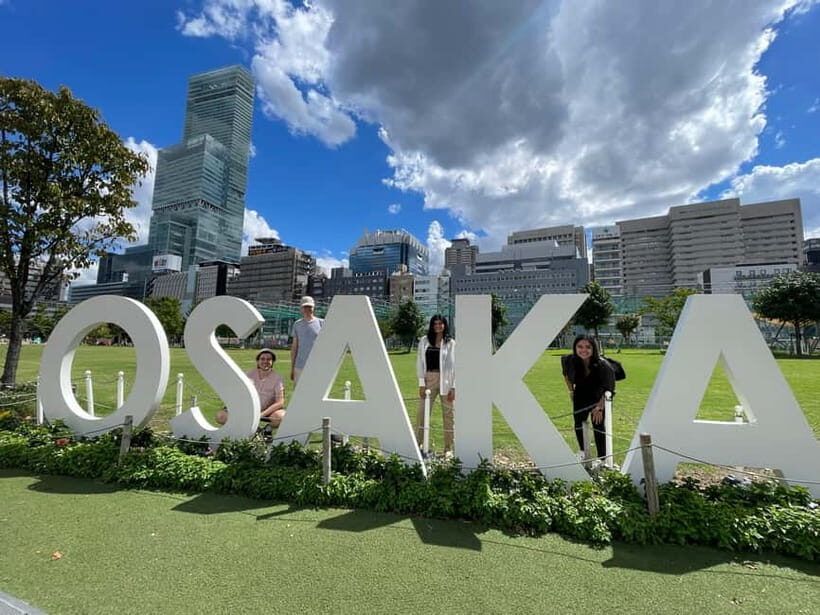
Osaka isn’t just famous for one photo. It’s a city of neighborhoods layered on top of each other, and biking is a smart way to keep that layering intact. You can hop between different moods—river calm to tower views to street-level bustle—without burning hours on transfers.
On this kind of ride, your guide’s job matters. You’re not left with a map and a guess. You’ll get context as you pass places: how Osaka ties into feudal Japan, what locals sound like in daily life, and how food fits into the city’s identity.
The pacing is also a big reason this works. With a set route and a small group, you can spend your energy enjoying the sights instead of negotiating traffic and timing on your own.
You can also read our reviews of more cycling tours in Osaka
Meeting Near Tenmabashi and Getting Rolling Quickly
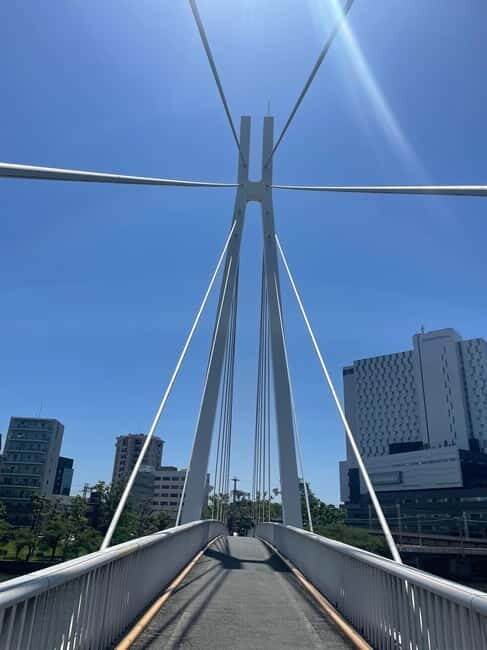
You meet about a 10-minute walk from Tenmabashi station (Osaka metro or Keihan train). There’s no hotel pickup, so plan on getting yourself there on time and stress-free.
Arrive 15 minutes early. That buffer matters because you’ll want time for bike fit, helmet setup, and any quick checks before you roll out. The tour runs 330 minutes (about 5.5 hours), and once you’re moving, the day flows station-to-station.
This is also a small group setup, limited to 8 participants. That tends to make the experience calmer and easier to manage—especially when you’re stopping for pictures, listening for directions, and getting explanations in English.
Japan Mint: The Start That Grounds the Day
The ride kicks off at the Japan Mint. Starting here is a clever choice because it pulls you into Osaka’s “made and made useful” side early on. You’re not just chasing scenery; you’re seeing how the city connects to history and real production.
Expect a straightforward, guided introduction, then you’ll be back on the bike to move toward Nakanoshima. It’s a nice rhythm: learn a bit, ride a bit, then learn more.
Also, because you start with an early anchor, your legs usually feel fresh enough to enjoy the first stretches. If you’re used to walking-heavy itineraries, this can feel like a relief.
Nakanoshima Island and Its European-Style Gardens
Next comes Nakanoshima Island, known in part for European-style buildings and gardens. This is one of those Osaka contrasts that’s easy to appreciate from the bike seat: the architecture looks different from what most people expect in Japan, and the river area gives your eyes a break.
You’ll cruise past those buildings and gardens before heading south. This stretch is especially valuable because it gives you a calmer visual pace before the tour turns more energetic.
If you like photography, bring your camera here. The light and the open sightlines tend to make it easier to get clean shots without stopping every two minutes.
Lunch at a Favorite Local Spot (and What Makes It Work)
After you ride toward the next section, you’ll stop for lunch at a local eatery chosen by your guide. The lunch is “quick,” but it’s still built into the tour on purpose.
What I like about this approach is the guidance around food. A guide can tell you what to order, how locals eat, and how to handle the meal if it’s something you don’t recognize. In at least one group, Japanese curry was the standout lunch dish, which is a great sign because curry is flavorful, filling, and widely loved.
The tour includes lunch plus water, so you don’t have to plan extra purchases mid-ride. Still, if you have dietary restrictions, you’ll need to share them ahead of time and provide your group’s heights as requested.
A few more Osaka tours and experiences worth a look
Japan’s Oldest Temple and Japan’s Tallest Building: A Powerful Reset
After lunch, the tour switches gears with a visit to Japan’s oldest temple, followed by Japan’s tallest building. Even without you needing to know every fact ahead of time, this combo works well because it creates a before-and-after feeling.
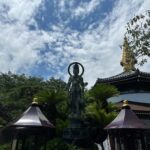
The temple stop gives you a grounded, spiritual pause. Then the tallest-building visit changes your frame from old traditions to modern scale. You’ll feel how Osaka can hold both comfortably in one day.
Your guide is also part of what makes this section valuable. You’re not just being moved between landmarks—you’re getting explanations on history and culture along the way, so each stop feels connected rather than random.
Shin-Sekai and Tsutenkaku: Osaka’s Street-Level Personality
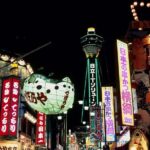
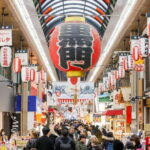
Then you enter Shin-Sekai, and the city really starts speaking in full sentences. This is where Osaka’s identity gets louder: street scenes, iconic tower views, and that unmistakable neighborhood personality.
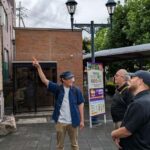
You’ll see the star of the show: Tsutenkaku Tower. It’s the kind of landmark that’s easy to recognize in photos, but it’s more fun when you approach it as part of a guided route. Your guide can help you read the area—what locals associate with it, why it matters, and what to pay attention to as you bike through.
One of the best things about doing Shin-Sekai with a small group is how much easier it is to move. You get street-level views without having to constantly stop and re-orient yourself.
The Ongoing Story: Feudal Roots, Osaka Dialect, and Food Culture
This tour isn’t only about landmarks. Your guide is also telling you how Osaka shaped itself through time, including its connection to feudal Japan. You’ll also get a feel for the Osaka dialect and culture, which is one of those details that becomes real the moment you hear it in context.
That matters, because language and food are how cities explain themselves. If you only watch sights, Osaka can feel like a set of backdrops. If someone points out the cultural logic behind what you’re seeing, it starts to feel like a place with a personality.
Even if you’re not hunting for deep academic facts, these explanations help you notice the small stuff: why certain streets feel the way they do, and why certain foods are comfort-level important.
Osaka Castle at the End: The Classic Payoff
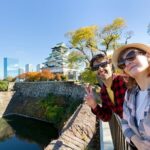
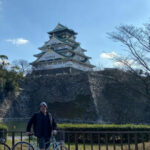
The ride finishes with Osaka Castle, the “make sure you don’t miss this” moment. Doing it at the end is a smart move because it works like a victory lap: after hours of biking, landmarks make more sense as part of a bigger narrative.
You’ll return to base after the castle stop, so you end the day with one last anchor instead of fading into fatigue and confusion.
If you want to make the day extra satisfying, plan a light pace after the tour so you can linger nearby if you’re feeling good. If you’re not, at least you’ll have a clear, central memory to carry with you.
Price and Value: What $103 Buys You
At $103 per person, you’re paying for more than bike rental. This price includes bicycle rental, helmet, a local English-speaking guide, lunch, and water. That’s a strong bundle for a half-day-plus experience that mixes multiple major areas in one route.
The real value is the guide’s time. Handling bike logistics, keeping a group together, and adding historical and food context takes effort. With a group limited to 8 participants, you’re not going to feel like you’re lost in a crowd.
Is it worth it if you’re already an experienced cyclist? If you’re confident navigating Osaka on your own and already know exactly where you’ll go, you could DIY some of the stops. But you’d still miss the benefit of someone translating what you’re seeing—especially around Shin-Sekai and the food stop that’s chosen for you.
Also, this isn’t a “sit and watch” tour. You’re actively moving. If you like active sightseeing, the cost-to-experience ratio tends to feel fair.
Who This Tour Suits Best (and Who Should Skip It)
This is best for people who can handle a steady bike day and want a structured way to see central Osaka. The minimum age is 13, and it’s not suitable for people who can’t ride a bike.
It also isn’t set up for pregnant women, and you’ll want to stick with this only if comfortable on a bicycle for the full duration. If you have mobility limitations that make riding difficult, look for a walking-based tour instead.
If you’re a solo traveler, you’ll still enjoy the small group. If you’re traveling with friends who ride well, it’s a good shared activity. And if you care about food but don’t want a “food tour only” day, the included lunch gives you that key taste without stealing the whole schedule.
Practical Tips Before You Go (So the Day Feels Easy)
You’ll need comfortable shoes, comfortable clothes, and a camera if you like photos. Because you’re on a bike, loose clothing that flaps can be annoying, and anything you can’t lock down may be a pain.
There’s no smoking, so keep that in mind for breaks and planning around any stops.
If rain risk is higher than 60%, the provider will contact you to offer a different date or a full refund. In other words, pick an itinerary day when you can adjust your plans if needed.
Also, you’ll be asked for everyone’s heights and any dietary restrictions. Take that seriously so the bikes fit and the lunch works for your needs.
Should You Book This Osaka Bike Adventure with Lunch?
If your goal is to see Osaka efficiently while still getting real context—history, local culture, and a guided lunch—this is an easy yes. The combination of Japan Mint, Nakanoshima Island, Shin-Sekai/Tsutenkaku, and the Osaka Castle finale gives you both variety and continuity in one day.
Book it if you:
- like active sightseeing and can ride a bike comfortably
- want an English guide and a structured route
- care about lunch being chosen by a local, not left to chance
- prefer a small group (up to 8) over big tours
Skip it if you:
- aren’t confident biking for the full duration
- need a tour with no riding component
- are looking for a purely relaxed, low-movement day
If you match the riding-friendly profile, you’re set up for a day that feels like Osaka, not just Osaka on paper.