REVIEW · TOKYO
Asakusa Classic Ramen & Crispy Gyoza Cooking Class
Book on Viator →Operated by 茶御飯東京 · Bookable on Viator
Ramen magic, hands-on in Asakusa. In a tight max-8 kitchen class, Masa and Junko teach you shoyu ramen broth and crispy gyoza from scratch, then you sit down and eat what you made.
I especially like the practical, step-by-step rhythm (not just watching), and the fact that you leave with recipes you can actually try later at home. The only thing to consider is that ramen broth work takes real patience and multiple steps, so it’s not a quick instant-soup situation.
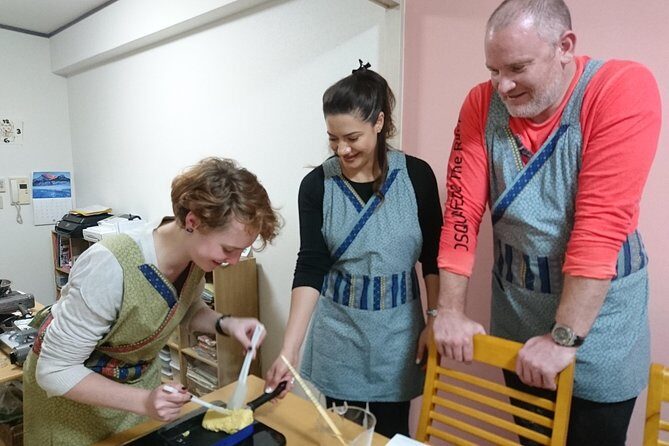
You also don’t have to show up prepared. Aprons and utensils are provided, and the ingredient setup is designed for you to cook right away. You’ll even get photos taken during the class, which is a nice touch when you’re busy folding dumplings.
If you’re planning to bring kids, note that there is some knife work during vegetable prep, so it’s best for older, steady hands.
In This Review
- Key Highlights You’ll Care About
- Why This Asakusa Ramen and Gyoza Class Is a Smart Use of Time
- Finding Chagohan Tokyo and Getting Set Up
- Making Shoyu Ramen Broth and Base From Scratch
- Building the Bowl: Toppings, Assembly, and Taste Checks
- Gyoza by Hand: Getting That Crunchy Outside
- The Meal Moment: Eating What You Made
- Recipes You Can Actually Use at Home (and What to Expect)
- Value: What You Pay for $167.81 and Why It Can Be Worth It
- Who This Class Suits Best
- Should You Book This Asakusa Ramen and Crispy Gyoza Class?
- FAQ
- Do I need to bring any cooking supplies?
- How long is the class?
- What are the class times?
- How many people are in the group?
- What do we make in the class?
- Are vegetarian or vegan options available?
- Do the ingredients include MSG or artificial additives?
- What do I take home after the class?
- What happens if weather is poor or the minimum group size isn’t met?
Key Highlights You’ll Care About
- Scratch-made ramen broth and base so you understand what makes shoyu taste like shoyu
- Hand-folded gyoza with guidance for a juicy inside and a crunchy outside
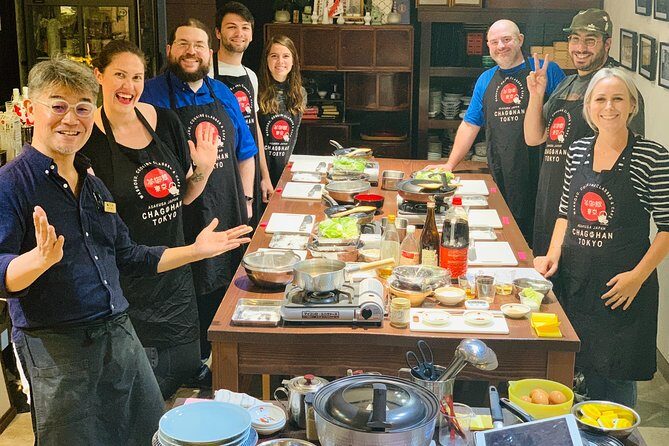
- Small group size (max 8) for more hands-on coaching at the counter
- No MSG or artificial additives using all-natural ingredients provided
- Vegetarian/vegan options with advance notice so you can join without compromise
- Recipes included so the class doesn’t end when you leave the kitchen
Why This Asakusa Ramen and Gyoza Class Is a Smart Use of Time
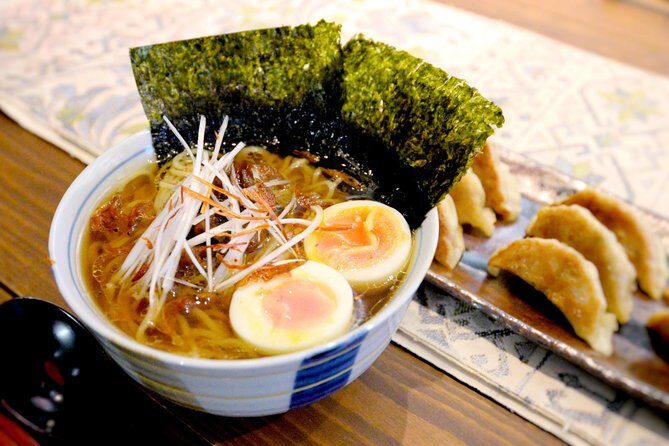
Three hours in Tokyo is short. This class respects that. You get two big Japanese comfort-food wins in one session: ramen and crispy gyoza. Instead of choosing between eating and learning, you get both.
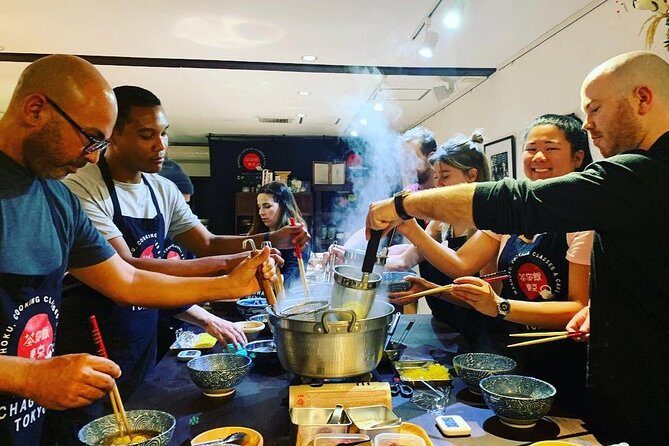
What makes this experience practical is the way it’s taught. You’re not just tasting sauces and nodding along. Masa and Junko guide you through the actual build: broth components, ramen toppings, gyoza filling, and the folding method. Then you assemble your bowl and eat it while it’s still at its best.
I also like that it’s small-group cooking, not a factory line. With a max of 8, you can ask questions and get correction. The class also runs like a real kitchen workflow, which keeps it fun and focused.
The one consideration: ramen broth from scratch is work. If you expect restaurant-style depth with no effort, you’ll be disappointed. If you’re here to learn the process, you’ll feel the payoff.
You can also read our reviews of more cooking classes in Tokyo
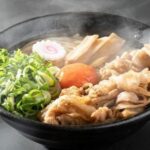
Finding Chagohan Tokyo and Getting Set Up
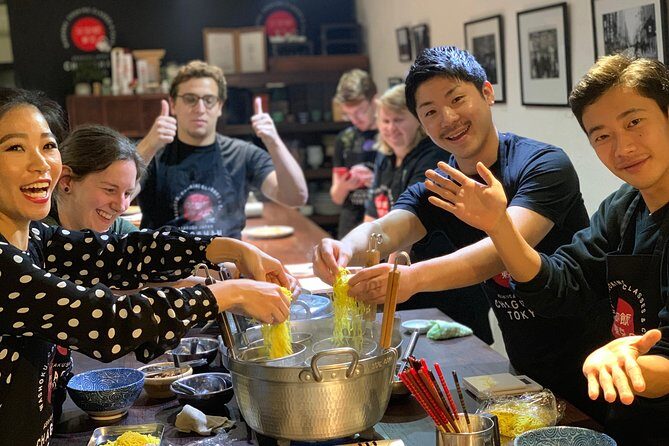
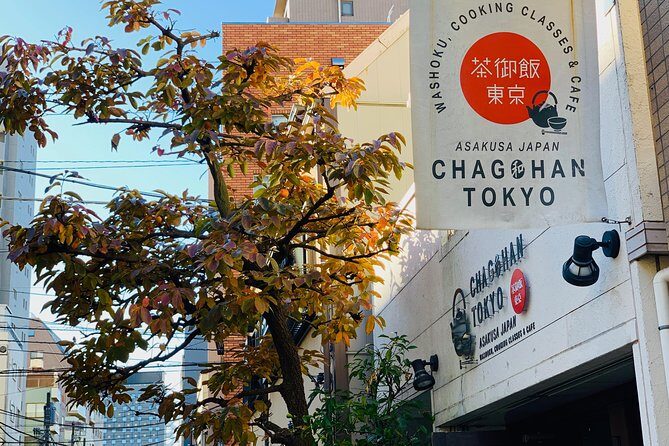
The meeting point is 茶御飯東京 (Chagohan Tokyo), Nishiasakusa, Taito City, 1F. It’s near public transportation, which matters in Tokyo where “easy” can still mean a lot of walking.
What’s good for you: you don’t need to arrive with tools or ingredients. The class provides aprons and utensils, and the ingredient prep is organized for a cooking lesson. That means you can show up in travel clothes and focus on doing the food, not hunting for a cutting board in your hotel.
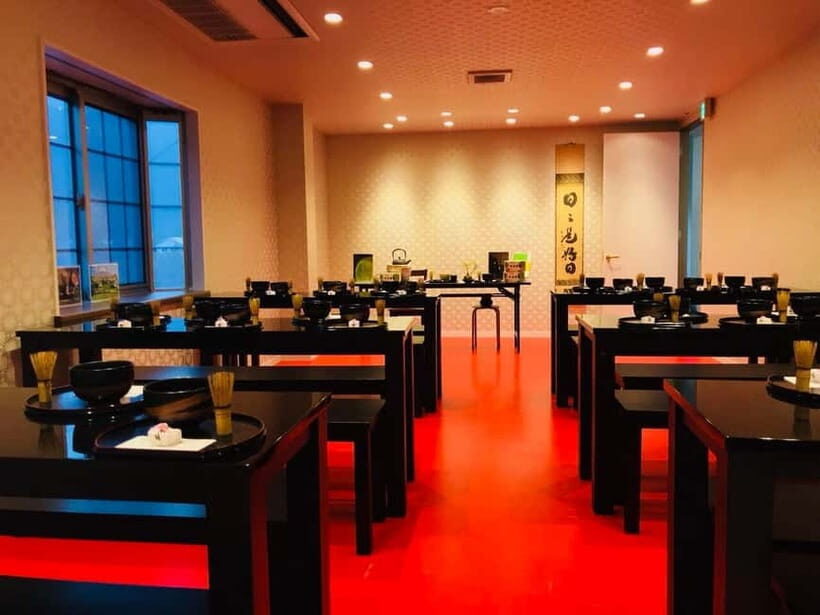
From the way the class is run, it also feels like a proper teaching kitchen. One review called out that it’s a real kitchen setup, not some awkward in-home setup where you’re squeezing past everyone. Either way, your goal is the same: cook confidently, taste immediately, and learn something repeatable.
Making Shoyu Ramen Broth and Base From Scratch
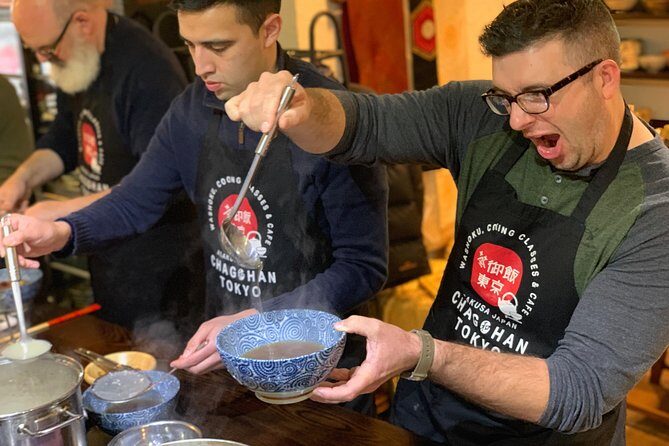
This is the heart of the class. You work through making ramen base and broth elements from scratch. The big idea isn’t just that it tastes good. It’s that you learn how shoyu flavor gets built—layer by layer—so you can respect the technique later when you cook at home.
You’ll also prepare ramen toppings as part of the flow. That matters because ramen isn’t just broth. It’s broth plus texture, temperature, and balance. When you handle the toppings yourself, you stop thinking of ramen as a “just add noodles” dish.
Here’s what I find valuable for your real life: you get a sequence. Many home cooks fail because they skip steps or swap ingredients without understanding why. This class gives you a clearer mental map of ramen-making, including how broth steps fit together.
A useful detail to keep in mind: some ramen work may be chef-led during the session to keep timing smooth. One review noted that the instructor did parts while guiding you through the steps. That’s common in hands-on classes, and honestly it’s a good tradeoff—you still learn the why, and you still build the components you’ll need.
Building the Bowl: Toppings, Assembly, and Taste Checks
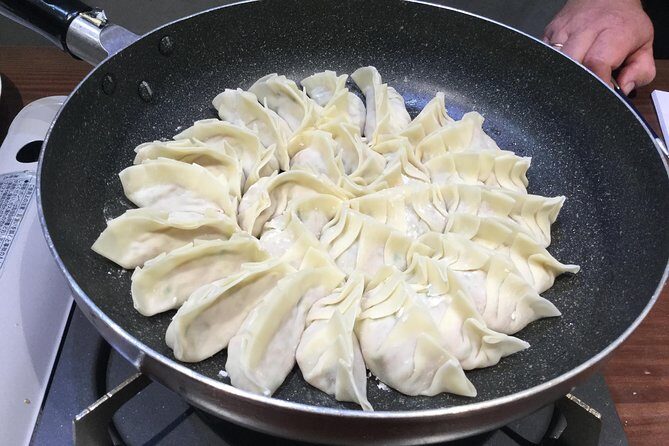
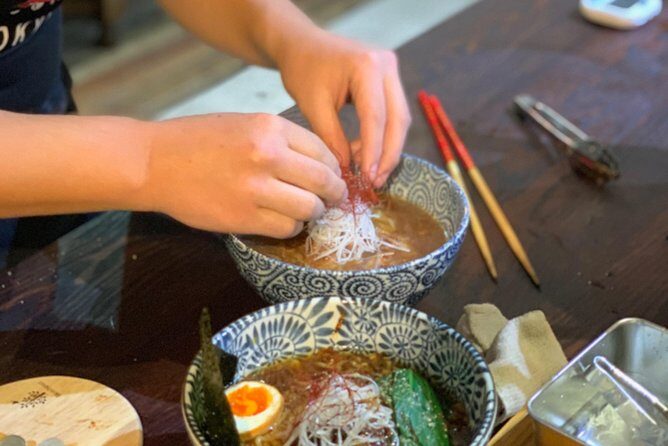
Once the broth and base work is handled, the class shifts into “make it into ramen.” You’ll assemble a bowl that’s photogenic because it’s properly built, not randomly piled.
You’ll also get insider tips as you go. These aren’t vague suggestions like use more soy sauce. Think more along the lines of how ramen ingredients behave once they’re in the bowl—what you should notice, when you should adjust your approach, and how to aim for that classic shoyu profile.
This is where small-group teaching pays off. When you’re standing at your station, it’s easier to correct issues early—like whether your topping prep is uniform or how your folding technique changes gyoza texture. You don’t just leave with a meal. You leave with a sense of what to watch for.
One more practical detail: at the end, you sit down and eat your ramen and gyoza. That’s not always true in cooking classes. Here, the meal is part of the learning experience, so you can connect what you did in the kitchen to what you’re tasting in your bowl.
Gyoza by Hand: Getting That Crunchy Outside
If ramen is the patient work, gyoza is the hands-on craft. You’ll make the filling and fold dumplings by hand. The class includes cutting techniques for vegetables too, so you’re not just assembling—you’re preparing components.
The teaching goal is clear: gyoza that are juicy on the inside and crisp on the outside. That balance is tricky at home. If the filling is too wet, you lose crispness. If it’s too dry, the texture suffers. If the fold is sloppy, you get uneven cooking.
The good news: Masa and Junko guide you through the process so you can nail the method, not just mimic the result. One review highlighted that instructions were clear and that they could follow step by step, even without being a strong cook.
Also, knife work comes into play during vegetable prep. One family review specifically warned that older kids are a better fit because there is a fair bit of knife work in the prep. So if you’re bringing children, plan for a class that includes real preparation—not just eating.
A few more Tokyo tours and experiences worth a look



The Meal Moment: Eating What You Made
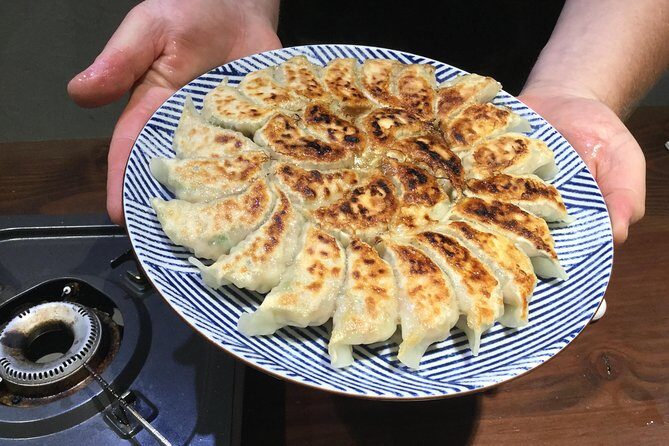
The payoff is immediate. After ramen assembly, you eat what you prepared. Several reviews mention portions like about 8 gyoza and a full bowl of ramen (one review referenced chicken ramen). Even if your exact bowl differs based on dietary preference, the structure is the same: you leave satisfied because you’re fed from your own work.
This part is surprisingly important for learning. When you taste the gyoza right after cooking, you understand what crispness means in real terms. When you taste the broth right after assembly, you notice how flavors blend once everything is together.
And yes, you’ll likely feel proud. But the better reason is that you’ll remember technique because you connected it to taste.
One nice touch: Junko takes lots of photos and videos during the class. That’s handy because your hands are busy and you don’t want to feel like a distracted tourist in cooking shoes.
Recipes You Can Actually Use at Home (and What to Expect)
You get recipes so you can recreate the dishes later. That alone makes the class better value. A lot of cooking classes teach you once, then you’re stuck with memory and a vague desire to recreate the magic.
The recipes here are described as detailed, with guides to follow at home. Reviews also mention digital copies with detailed instructions. So you can cook again without guessing what happened in minute 42 of broth prep.
What’s realistic? Ramen broth from scratch is not always a “weeknight” thing. One review even noted that ramen stock has many steps, and it’s not simple. That’s fair. But you’ll have a blueprint to work from.
For gyoza, you might find success quicker. Since the class teaches folding and the filling method directly, you can practice your technique with confidence. Even if your first attempt isn’t identical, you’ll know how to adjust because you’ll understand what you did and how that choice changes texture.
Value: What You Pay for $167.81 and Why It Can Be Worth It
At $167.81 per person, this isn’t a budget snack. So you should ask: what are you buying?
You’re paying for three things that are hard to DIY well on your own:
- Chef-guided process for both ramen and gyoza
- Ingredients and equipment provided, with a focus on all-natural ingredients
- Recipes so the learning continues after the class
Many people in Tokyo can get great ramen for far less money. But the cost difference is the experience itself: hands-on training, quality ingredients, and the ability to learn a method you can repeat. If you’re the type who wants more than one dinner story and you like cooking, the price starts to make sense.
Also, you’re not sacrificing time. Three hours is manageable even with a busy Tokyo schedule. And because it’s small-group, you get more attention per person than you might in bigger classes.
Who This Class Suits Best
This is a strong match for:
- Ramen and gyoza lovers who want technique, not just a meal
- Beginners who want step-by-step coaching and a clear flow
- Couples and friends looking for a shared activity that feels less touristy than just eating
- Families with older kids who can handle some knife work
It’s also good for people with dietary needs. Vegetarian and vegan options are available with advance notice, so you can join without missing the lesson.
If you’re traveling with limited cooking ability, don’t worry. One review emphasized that the class made it easy to follow even with basic skills. The instructors speak good English and explain clearly, which helps you avoid the classic cooking class problem: doing something wrong but not realizing it until the end.
Should You Book This Asakusa Ramen and Crispy Gyoza Class?
I’d book it if you want a class where you do real work and leave with real instructions. The combo of ramen broth and gyoza folding is efficient, and the small-group setup helps you get answers instead of just watching.
I’d think twice if you expect instant mastery of shoyu ramen broth. This class teaches the process, but ramen stock takes patience and multiple steps. It’s still worth it for the learning value, but go in knowing it’s not “press button, taste masterpiece.”
FAQ
Do I need to bring any cooking supplies?
No. Aprons and utensils are provided, so you can come as you are.
How long is the class?
The class runs about 3 hours (estimated).
What are the class times?
There’s a morning class from 10:00 a.m. to 1:00 p.m. and an afternoon class from 3:00 p.m. to 6:00 p.m.
How many people are in the group?
The class has a maximum of 8 travelers.
What do we make in the class?
You’ll make ramen broth and base from scratch, prepare ramen toppings, and make crispy gyoza by hand, including making the filling and folding the dumplings.
Are vegetarian or vegan options available?
Yes, vegetarian and vegan options are available with advance notice.
Do the ingredients include MSG or artificial additives?
The class uses all-natural ingredients provided, with no MSG or artificial additives.
What do I take home after the class?
You’ll receive recipes so you can recreate the dishes at home.
What happens if weather is poor or the minimum group size isn’t met?
The experience requires good weather. If canceled due to poor weather, you’ll be offered a different date or a full refund. If it’s canceled because a minimum number of travelers isn’t met, you’ll be offered another date/experience or a full refund.