REVIEW · TOKYO
Tokyo Keen Japanese Knife and Sashimi Workshop
Book on Viator →Operated by 割烹道 · Bookable on Viator
A whetstone session with lunch included. You get a small-group Japanese knife workshop that blends hands-on sharpening with real sashimi cutting practice. The payoff is not just skills, but the culture behind why Japanese knives are treated with such care.
I like that it’s practical. Chef Naoya and interpreter Hiromi explain what to do, show it once, then let you repeat it until it makes sense. One caution: two hours can fly, so don’t expect long, slow practice time for every step.
If you want a quick, focused Tokyo experience that mixes food, technique, and confidence, this is a strong pick.
In This Review
- Key things you’ll notice right away
- Tokyo knife culture, Kappodo-style, with a hands-on plan
- Where the class starts: knives, customs, and why precision matters
- Chef Naoya, interpreter Hiromi, and the demonstration you actually can copy
- Hands-on sashimi cutting: feel the sharpness, learn the angle
- The whetstone sharpening lesson while your fish marinates
- Cooking zuke-don: practice slicing, then eat what you made
- Certificates, shop discount, and what to do after class
- Value check: is this worth $130.78?
- Who this workshop is best for
- Quick heads-up so you can enjoy it more
- Should you book this knife and sashimi class in Nishiazabu?
- FAQ
- How long is the Tokyo Keen Japanese Knife and Sashimi Workshop?
- What is the price per person?
- How big is the group?
- Where do I meet for the workshop?
- What do I learn during the class?
- What is zuke-don?
- What’s included with lunch?
- Is sake included?
- Do instructors teach in English?
- Is there a cancellation option with a refund?
Key things you’ll notice right away
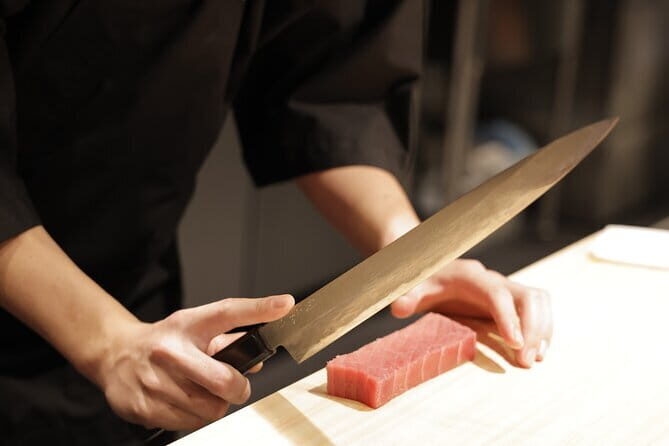
- You work with Japanese knives, not just watch: you cut sashimi and practice technique, so the learning sticks.
- Sharpening happens while your fish is marinating: you get both knife skills and cooking without feeling rushed between topics.
- Chef Naoya teaches, Hiromi translates: instruction is set up for foreigners to follow along comfortably in Japanese and English.
- Lunch is the result of what you just learned: you eat the tuna bowl you made, plus miso soup and sake tasting.
- Small group size (max 8): you’re close enough to get help when your grip or angle needs fixing.
- A certificate and a same-day shop discount: you leave with proof of participation and a reason to browse the 1F shop.
Tokyo knife culture, Kappodo-style, with a hands-on plan
This workshop runs out of Kappodo’s Tokyo D kitchen Studio in Nishiazabu, right by public transport. It’s designed to feel like a working kitchen lesson rather than a museum talk. The whole experience is about getting you comfortable with the knife first, then using that confidence to make lunch.
The pace is built for travelers who have limited time in Tokyo. The total duration is about two hours, which means you’ll cover a lot of ground without turning it into a half-day project. And because the group is capped at 8 travelers, you’ll spend more time doing and less time waiting.
Price-wise, at $130.78 per person, it’s not cheap. But it includes almost everything that usually adds up in Japan: tools and aprons, your lunch (the bowl you make), miso soup, drinks (including a sake tasting), a guide, and even a participation certificate. That makes it easier to justify compared with separate knife classes and cooking classes you’d book on your own.
A few more Tokyo tours and experiences worth a look

Where the class starts: knives, customs, and why precision matters
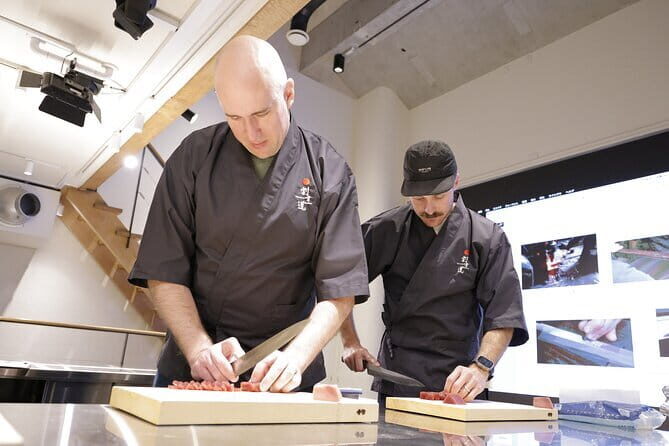
You begin with an explanation of how a Japanese knife is made, along with the culture and customs around using them. This part isn’t just trivia. It helps you understand why the technique feels different from what most people grow up doing with Western knives.
In plain terms, Japanese knife use is about control: correct grip, correct angle, and respect for the blade. When the instructor later talks about sharpening and slicing, you’re not just memorizing steps—you know why they matter.
This early segment also sets expectations. You learn that the goal isn’t to force speed. It’s to get clean cuts and stable handling. If you’ve ever wondered why someone can slice sashimi so evenly it looks almost unreal, this is where you start getting the answer.
Chef Naoya, interpreter Hiromi, and the demonstration you actually can copy
After the knife intro, Chef Naoya and Hiromi guide you through a knife-work demonstration. This is one of the most valuable parts of the session because you get to see the whole motion pattern before you try it yourself.
What I like about the teaching style is that it’s not just show-and-go. There’s support for foreigners, and the instruction is set up to be followed in Japanese and English. That matters because knife technique is physical. If you miss one key instruction, you’ll feel it immediately when your cut doesn’t look right.
When you watch, focus less on every tiny detail and more on the basics: your stance, how the knife travels, and how the food is steadied. Those basics translate into better results when you switch from watching to slicing.
Hands-on sashimi cutting: feel the sharpness, learn the angle
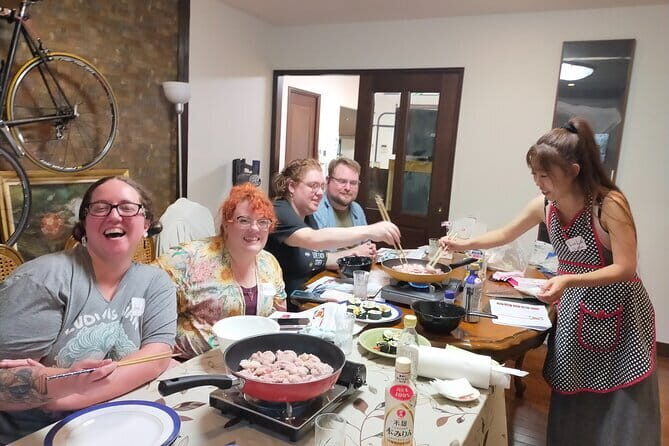
Then comes the part you’ll remember: you actually use a Japanese knife to cut sashimi. This is not a pretend exercise. You can feel the difference in sharpness right away, and that changes everything about how you guide the blade.
Cutting sashimi is more than food prep. It forces you to manage two things at once: stability and control. You’re learning how to slice with minimal pressure and a consistent motion, instead of forcing the blade through.
There’s also a mental shift. Western cooking often rewards chopping aggressively. This lesson rewards patience and precision. If you’ve been nervous around very sharp tools, you might still feel unsure at first—but the small group setup makes it easier to get corrections while you’re practicing.
The whetstone sharpening lesson while your fish marinates
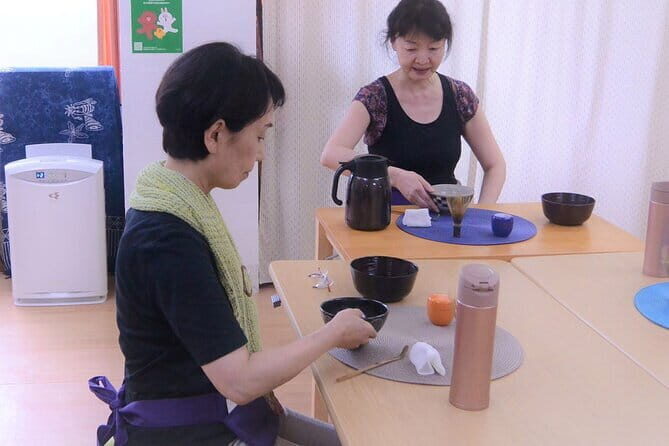
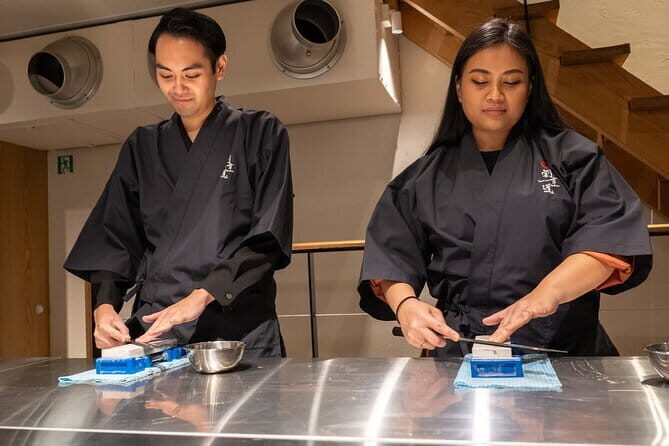
A smart timing choice in this class: while the tuna is marinating for zuke-don, you learn how to sharpen a Japanese knife using a whetstone.
Even if you’ve never done it before, the instructor helps you. This segment is huge for value because it teaches a skill you can keep using long after the class ends. A properly sharpened knife changes your results in the kitchen, even if you’re only cutting vegetables or slicing fruit at home.
Also, you’re learning with context. By the time you sharpen, you’ve already cut sashimi. So sharpening isn’t an abstract concept—it’s directly connected to the kind of clean cutting you just practiced.
If you want to recreate the experience later, this is the section that gives you the most practical “take-home power.” You’ll know the basics of how sharpening works and why technique matters.





Cooking zuke-don: practice slicing, then eat what you made
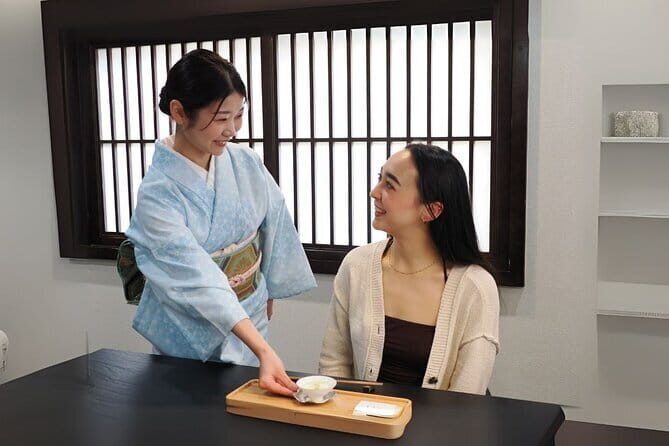
Next is the cooking class portion. You learn to make zuke-don, a bowl of rice topped with marinated sashimi. The fish is usually tuna, and it can vary depending on availability.
While you’re cooking, the class stays tied to knife skills. You’re not just cooking; you’re building a meal that depends on careful slicing. That’s one of the reasons this works so well as a two-in-one experience.
You’ll prepare your bowl, then enjoy the lunch you made. Included with your tuna bowl is miso soup. And yes, there’s also a tasting of Kappodo original sake, plus drinks are included.
So you get the full loop:
- Learn technique
- Apply it in cutting
- Use the result in cooking
- Taste the final meal
That’s how you turn a workshop into something memorable, instead of a one-time activity.
Certificates, shop discount, and what to do after class
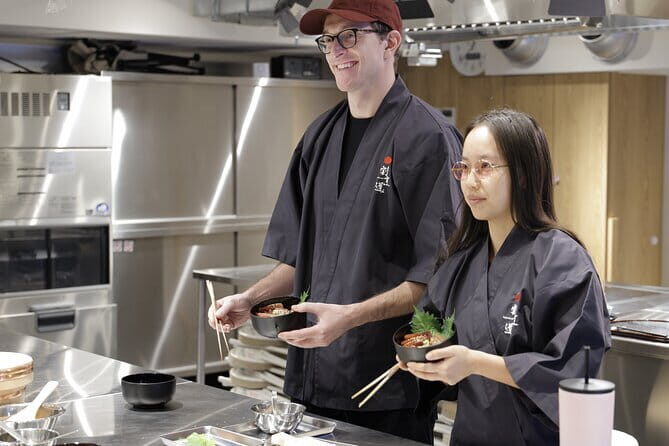
At the end, you receive a certificate of participation. It’s a small thing, but it’s a nice touch if you like keeping travel memories tied to something you learned.
You can also use a 10% discount on items at the shop on the first floor (the same day as your workshop visit). That’s practical because it gives you an incentive to browse what’s available right now—especially if you’re thinking about buying a knife or accessories.
If you’re serious about knives, don’t feel pressured to buy immediately. After you’ve handled and sharpened one in class, you’ll have clearer questions about size, steel feel, and what kinds of sharpening tools you’d actually use at home.
Value check: is this worth $130.78?
For this price, the big question is whether you’re paying mostly for instruction or mostly for food.
Here, instruction is the core, but food and drinks are included in a meaningful way. You get:
- All tools and aprons
- Lunch (the tuna bowl you make)
- Miso soup
- Alcoholic drinks (Kappodo original sake tasting)
- A tour guide
- A certificate
- Group discounts
- A same-day 10% shop discount
Compared with booking knife sharpening separately and then doing a cooking class later, the bundle makes it easier to justify. You’re also getting a small-group experience (max 8), which helps with hands-on coaching.
Is it a bargain? It depends on what you want. If you’re simply hungry, you’d probably choose a meal somewhere else. But if you want real technique—knife sharpening plus sashimi slicing plus zuke-don—this is one of the more direct ways to turn money into skills.
Who this workshop is best for
This class fits best if you:
- Want a hands-on Japanese food skill you can repeat at home
- Like learning by doing, not just watching
- Enjoy sushi culture and want the knife angle behind the beauty
- Prefer a short, focused Tokyo activity (about two hours)
It’s also a good fit for couples or small groups who like structured lessons with enough attention to fix technique. If you’re traveling solo, the small group format usually feels friendly because you’re not lost in a large crowd.
If you’re expecting a long, slow, deep research-style session on Japanese blades, you might wish for more time. But if you want a strong foundation quickly, this workshop is built for that.
Quick heads-up so you can enjoy it more
Bring a normal travel mindset: you’ll be learning a physical skill, and that takes a minute to click. Don’t worry if your first cuts don’t look perfect. The whole point is repetition and correction.
Also, remember that the food and fish type can vary based on availability, even though tuna is common. You’ll still learn the same core zuke-don idea: marinated sashimi over rice.
Should you book this knife and sashimi class in Nishiazabu?
Yes, if you want a compact Tokyo experience that mixes culture with real kitchen technique. I’d book it when you’re comfortable spending a bit more for instruction and when you value hands-on practice over sightseeing-by-photo.
Skip it or consider alternatives if you:
- Only want a casual meal, not knife learning
- Are uncomfortable around sharp tools and want a less technical activity
- Need a lot of practice time beyond one session
If your goal is confidence with Japanese knife skills and a lunch you helped create, this workshop is a strong match.
FAQ
How long is the Tokyo Keen Japanese Knife and Sashimi Workshop?
It runs for about 2 hours.
What is the price per person?
The price is $130.78 per person.
How big is the group?
The maximum group size is 8 travelers.
Where do I meet for the workshop?
You meet at Kappodo H.Q / Tokyo D kitchen Studio in Nishiazabu, Minato City (106-0031 Tokyo), at DKビル, 2-chōme 21-12.
What do I learn during the class?
You get an introduction to Japanese knives and customs, you sharpen on a whetstone, you cut sashimi with a Japanese knife, and you take part in a cooking class to make zuke-don.
What is zuke-don?
Zuke-don is a bowl of rice topped with marinated sashimi. Tuna is usually used, though the fish can vary depending on availability.
What’s included with lunch?
Lunch includes the tuna bowl you make, plus miso soup. Drinks are included as well.
Is sake included?
Yes. You can taste Kappodo original sake.
Do instructors teach in English?
The class is set up for foreigners, and instruction is provided in both Japanese and English.
Is there a cancellation option with a refund?
Yes. Free cancellation is available up to 24 hours in advance for a full refund. Canceling within 24 hours does not receive a refund.