REVIEW · TOKYO
Kamakura 8 hr Private Walking Tour with Licensed Guide from Tokyo
Book on Viator →Operated by Japan Guide Agency · Bookable on Viator
Bronze Buddha and sea air in one day. This private walking tour from Tokyo lets you tailor your Kamakura route while a licensed English guide handles the flow, timing, and transit. You pick the sites, and the day is built to fit them in without turning it into a sprint.
I love the Great Buddha at Kotoku-in and the ocean-and-temple atmosphere you get from Hasedera. I also like that you can squeeze in Komachi Street and sample dove-shaped biscuits called hatosabure when the timing works.
One possible drawback: it’s an all-day walking format, and the 8 hours include public-transport travel time, so there’s less room to linger than you might want at a single temple.
Key things to know before you go
- Choose your mix of sites so the day matches your interests, not a fixed checklist.
- Great Buddha at Kotoku-in gives you instant scale and a memorable photo moment.
- Hasedera’s viewpoint adds the ocean scenery that makes Kamakura feel different from Tokyo.
- Bamboo grove at Hokoku-ji is a quick, quiet reset during a busy day.
- Komachi Street snacks include hatosabure, the fun local bite to try.
- Ocean-side add-on to Enoshima can round out the day with sea views and a change of pace.
In This Review
- Private Kamakura Day Trip Worth Paying For
- How the 8 Hours Work (And Why Travel Time Matters)
- Tsurugaoka Hachimangu Shrine: Start Where Kamakura Shows Its Soul
- Kotoku-in Great Buddha: The Big Bronze Moment You Can’t Fake
- Hasedera Temple and the Ocean View: Where the Day Gets Breathy
- Hokoku-ji Bamboo Grove: A Quiet Reset in 30 Minutes
- Komachi Street and Hatosabure: The Snack That Tells You You’re There
- Choosing Zen Temples: How Your Guide Shapes the Atmosphere
- Kamakura Hiking Trails: Use It for Views, Not Fitness Tests
- Enoshima Island: Ocean Time After Temples
- Logistics That Can Make or Break the Day
- Price and Value: What You’re Actually Buying
- Who This Tour Fits Best
- Should You Book This Kamakura Private Walking Tour?
- FAQ
- How long is the Kamakura private walking tour?
- Is this tour private?
- How does pickup work in Tokyo?
- Will I have to pay entrance fees?
- Are transportation fares included?
- Is lunch included?
- Can I choose which places to visit?
- Is there a mobile ticket?
- Can I cancel for a full refund?
- Are service animals allowed?
Private Kamakura Day Trip Worth Paying For
If you’re visiting Tokyo and want a “different world” day, Kamakura does it fast. You’re dealing with temples, sea air, and old shopping streets, all in a walkable rhythm. The private part matters because your guide can shape the day around what you actually want to see.
This tour is priced at $201.51 per person. That sounds steep until you realize what’s inside: a licensed local English-speaking guide, a customizable set of major stops, and time spent traveling by public transportation included in the 8-hour window. You’re paying for someone to plan and shepherd the day so you don’t waste your limited time decoding transit, crowds, and opening times.
What’s not included is also important for value. Entrance fees (for several key sights), lunch, and transportation fares are extra. So, your true cost depends on which stops you select. Still, if you’re the kind of traveler who wants a smooth day without turning Kamakura into a map-guessing game, this is a fair trade.
How the 8 Hours Work (And Why Travel Time Matters)
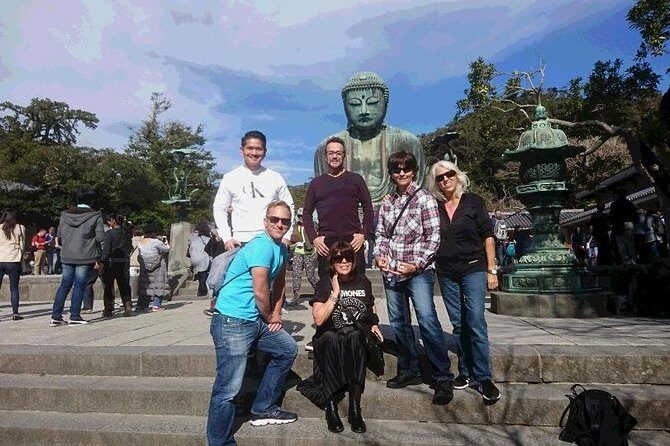
This is built as a full day, about 8 hours, and travel time is included. That means you should plan your expectations like this: part of your day is spent moving from Tokyo to Kamakura by public transportation, and the rest is for your selected sites.
You’ll also notice the format is not “car + chauffeur.” Pickup is offered, but the meeting style is on foot within a designated Tokyo area. In a real-world sense, some guides have met people promptly at their hotels, then guided them to the transit system. Expect a guided hand through the route and any train/bus transfers you need.
Here’s the practical takeaway: if you only want 2–3 major moments and lots of downtime, this might feel rushed. If you want multiple stops and a guide-managed schedule, it’s a strong fit.
You can also read our reviews of more walking tours in Tokyo
Tsurugaoka Hachimangu Shrine: Start Where Kamakura Shows Its Soul
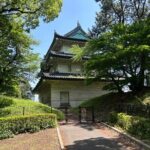
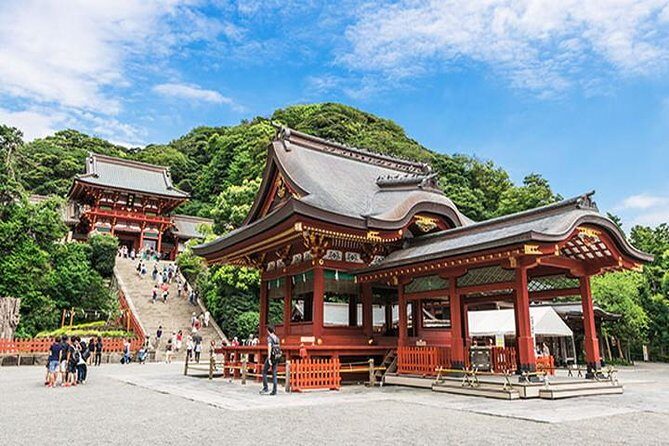
A lot of Kamakura days begin at Tsurugaoka Hachimangu Shrine. This shrine is dedicated to Hachiman, the patron god of the Minamoto family and samurai in general. It’s also tied to the deified spirits of Emperor Ojin and other associated spirits, which your guide can explain in a way that makes the place feel less like a label and more like a living tradition.
Why it’s a smart first stop: it sets the tone. You’ll get a sense of Kamakura’s identity before you jump into big landmark sights like the Great Buddha. Also, since admission here is listed as free, it’s the kind of early win that doesn’t eat into your budget.
Time on this stop is short—around 15 minutes in the standard routing—so treat it as a grounding moment. Look around, take photos, then let your guide move you on before the day gets too crowded.
Kotoku-in Great Buddha: The Big Bronze Moment You Can’t Fake
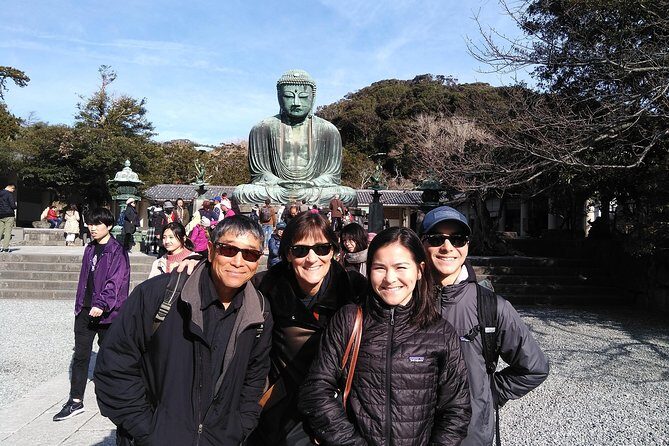
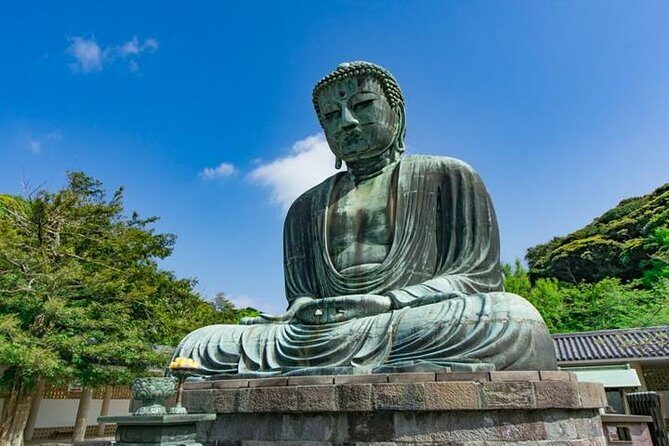
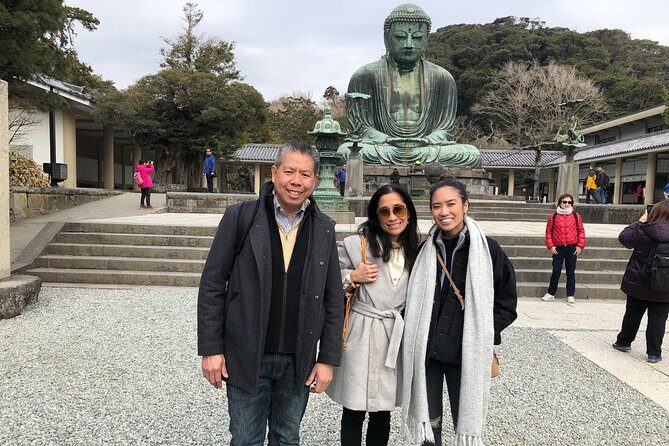
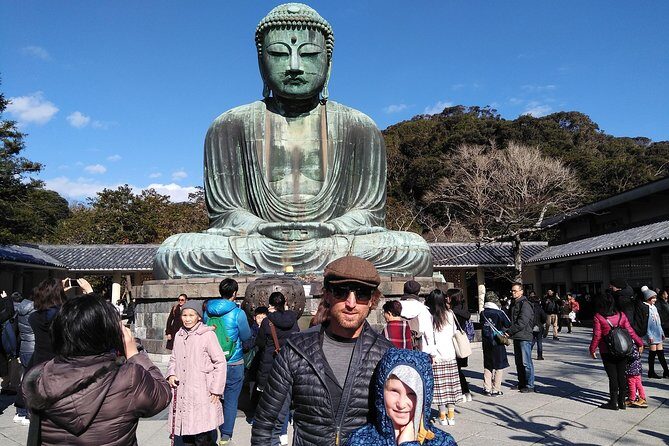
The headline stop is the Great Buddha of Kamakura at Kotoku-in. This bronze statue of Amida Buddha stands at 11.4 meters tall, and it’s one of those sights where the scale hits you instantly. Your guide can help you frame what you’re seeing, including what you’re looking for in the grounds of Kotoku-in Temple.
Admission for Kotoku-in is not included in the tour price, so you’ll pay that on the day if Kotoku-in is part of your chosen sites. That’s normal for tours like this, but it’s worth knowing up front so the day doesn’t surprise you at checkout time.
How long? Roughly 15 minutes in the typical plan. If you want a long, calm sit-down to absorb every detail, you may feel the time limit. Still, if you’re okay with a focused look, this stop delivers the strongest “wow per minute” on the itinerary.
Hasedera Temple and the Ocean View: Where the Day Gets Breathy
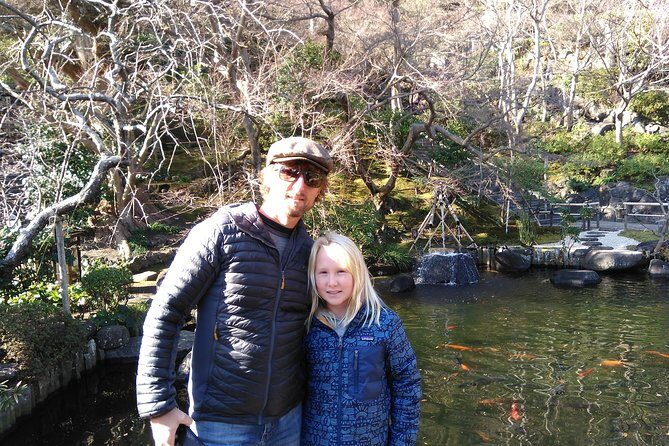
Next up is Hasedera Temple (Hasedera / 長谷寺), famous for its eleven-headed statue of Kannon, the goddess of mercy. The wooden statue is described as 9.18 meters tall and is considered one of the largest wooden sculptures in its category.
But the reason I like Hasedera for this particular tour is the setting. It’s not only about statues. It’s also about the feeling of looking outward—this stop is specifically highlighted for the ocean view you get from the highest point of the temple.
Entrance is not included, so again: plan on paying if you select Hasedera. Time is about 15 minutes in the standard routing, which is just enough for the signature view and key sights without turning your day into a single-site marathon.
If you want your Kamakura day to feel like more than temples in a row, Hasedera is the place that adds air, distance, and that coastal shift.
Hokoku-ji Bamboo Grove: A Quiet Reset in 30 Minutes
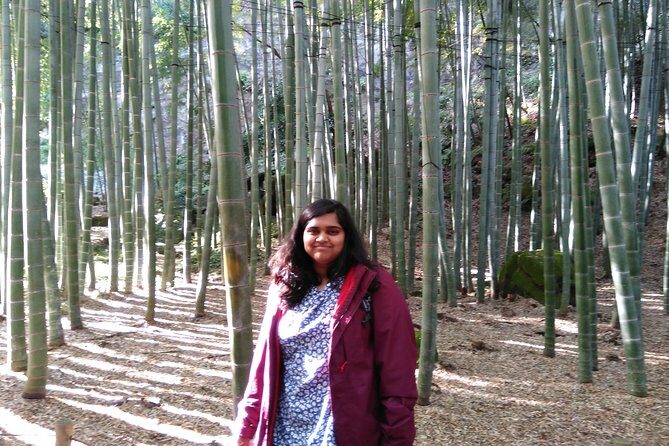
After big landmark moments, you’ll often want a calmer pocket of time. Hokoku-ji Temple delivers that with a bamboo grove behind the main hall. The grove is described as thick with over 2,000 dark green bamboo stalks, and narrow pathways let you walk through it.
This stop is listed around 30 minutes, which is a comfortable amount for photos plus a slow walk. Entrance is not included.
The practical value here: bamboo groves work as a mood changer. You’ll come from busy shrine or Buddha sights and get a break where the focus is on atmosphere, not checking off another box.
You can also read our reviews of more guided tours in Tokyo



Komachi Street and Hatosabure: The Snack That Tells You You’re There
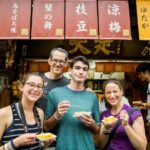
One of Kamakura’s small thrills is stepping into its old shopping street vibe. The tour can include Komachi shopping street, where you can try dove-shaped biscuits called hatosabure.
This is the kind of experience I like because it’s simple and local. The snack is tied to the place, it’s easy to pick up without planning, and it gives you something fun to do while you’re waiting for the next temple beat.
Your guide can also help you time this stop so it doesn’t swallow your temple time. Some guides have helped with ordering food at local spots, and you can expect similar practical help if your day includes lunch or a food break around Komachi Street.
Choosing Zen Temples: How Your Guide Shapes the Atmosphere
Kamakura isn’t just one style of religion or one kind of temple. It’s a cluster of major sites, and this tour lets you pick what fits your mood.
You’ll see options like:
- Engaku-ji, described as one of Kamakura’s leading Zen temples and the number two of its five great Zen temples.
- Kencho-ji, described as the number one of those five great Zen temples and the oldest Zen temple in Kamakura, founded in 1253.
- Zuisen-ji, set in the back of a narrow valley surrounded by wooded hills.
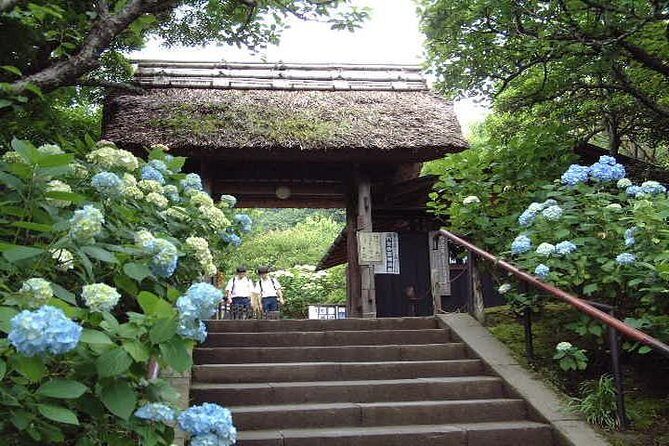
- Meigetsuin (Hydrangea Temple), known for hydrangea blooms (when in season) and a temple name tied to that.
- Zeniarai Benten Shrine, known for people washing money in the shrine’s spring (coin washing).
Admission is not included for most of these, so the exact add-on cost varies by which Zen sites you choose. But here’s the big advantage of a private tour: your guide can help you avoid “temple overload.” Instead of racing through every name you’ve heard, you can select the ones that match your interest—grand Zen temple grounds, quieter side spaces, or a specific shrine ritual like coin washing.
In the experience of guides who have led this day, the best results come when you tell them your priorities early. Guides such as Taka and Shinji have reached out in advance to ask what you want to see. That kind of question helps your final plan feel personal instead of generic.
Kamakura Hiking Trails: Use It for Views, Not Fitness Tests
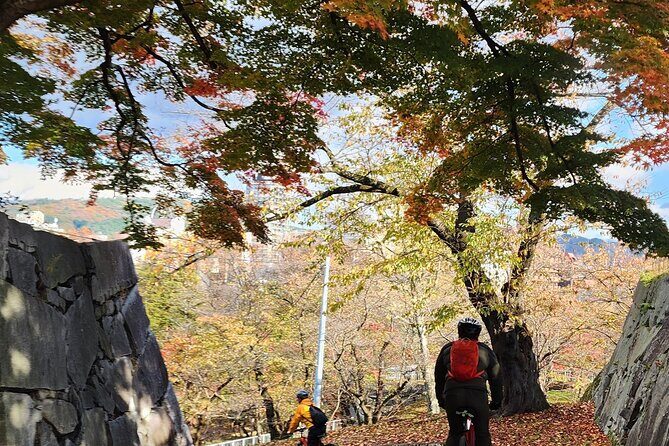
One optional segment in the broader route is Kamakura hiking trails. The description notes that Kamakura is surrounded by the ocean to the south and wooded hills in other directions, and that hiking trails connect atmospheric temples along these hills.
This stop is listed as about 1 hour and is free of admission fees. That makes it a smart choice if you want some movement and scenery without extra ticket costs.
Keep it realistic: this is not described as a strenuous climb. Treat it as a scenic stretch that links you to temple atmosphere while giving your legs a change from walking temple courtyards.
If you’re the type who enjoys walking but hates being sweaty and stressed on vacation, you’ll probably like using this portion as a middle-of-day reset.
Enoshima Island: Ocean Time After Temples
Another highlighted option is Enoshima Island, a short train ride west of Kamakura. It’s described as a touristy island off the coast connected by bridge with the mainland, with attractions that include a shrine.
This is listed around 30 minutes. Admission here is free in the description.
Why I think Enoshima works on an 8-hour day: it gives you a different rhythm. You’ve been focused on temple forms and routes, and now you get coast energy and a change of scenery. Even in a short visit, it can make the day feel rounded rather than repetitive.
Logistics That Can Make or Break the Day
This tour is private, so it’s only your group. That matters because crowded Kamakura spots are crowded at peak times. A guide can help you move through the right streets in the right order.
Also, because it’s a guided walking format using public transportation, you should take comfort in the fact that the guide is supposed to handle the transit navigation. Multiple guides in this program have been praised for guiding people smoothly through train/bus routes, including tricky transfer situations from Tokyo areas like Shinjuku.
A more personal pro tip: if you have food needs, tell your guide clearly. One guide (Taka) has helped find a gluten-free meal when asked. Another guide (Tachi) recommended what turned out to be one of the best meals during a Japan trip. The point is simple: you’ll get better results if you give your guide clear boundaries and preferences early.
Price and Value: What You’re Actually Buying
Let’s talk value in plain terms.
You’re paying for:
- a licensed local English-speaking guide
- a customizable selection of sites (the tour is described as choosing 4–6 sites from the available list, with the overall plan geared to key stops)
- travel by public transportation, with travel time included in the 8-hour window
- a mobile ticket
- private group experience (your group only)
You’re paying extra for:
- transportation fees (rail/bus tickets)
- most entrance fees (especially for several major temples)
- lunch and personal expenses
- any entrance fees for sights not included in your selected list
So is it worth $201.51 per person? If you want a guided, efficient day and you’re selecting multiple signature sights—Great Buddha, Hasedera, bamboo, Komachi—then yes, because the guide planning plus time management is the hard part to replicate on your own in limited hours.
If you already know Kamakura well and you’re traveling with another person who enjoys planning routes, you could build a DIY day. But for most first-timers who want the coastal-temple hits without the headache, this private structure is the value play.
Who This Tour Fits Best
This works best for:
- First-time visitors to Kamakura who want the major highlights plus a couple of “choose your mood” additions
- Travelers who prefer a guide-managed schedule over figuring out trains and transfers under time pressure
- Couples, families, and solo travelers who want private pacing rather than joining a fixed group plan
It may not be ideal if:
- You want to spend long hours at one site with zero hurry (the day is built to cover multiple stops)
- You dislike walking for long stretches in a full-day format
Should You Book This Kamakura Private Walking Tour?
Book it if you want a well-run Kamakura day where you can say yes to the big sights—Great Buddha, Hasedera’s ocean view, and Hokoku-ji bamboo—without spending your vacation decoding transit like it’s a second job.
I’d especially book if you’ll benefit from a guide who can adjust based on your interests. This tour’s best versions happen when you tell your guide what you care about most, and you’re open to their suggested flow. If you go in with a clear top-3 list (Buddha, ocean view, bamboo or shopping), you’ll come away feeling like you “got Kamakura” instead of just passing through it.
If you want a more relaxed pace, consider choosing fewer major stops (so you have time for Komachi Street snacks and a slower look around each site). Either way, plan on the fact that it’s a walking day from morning to evening, with transit in the clock.
FAQ
How long is the Kamakura private walking tour?
It runs about 8 hours.
Is this tour private?
Yes. It’s a private tour/activity, and only your group will participate.
How does pickup work in Tokyo?
Pickup is offered, and you meet the guide on foot within a designated area of Tokyo.
Will I have to pay entrance fees?
Entrance fees are not included, and some sights specifically note that admission is not included.
Are transportation fares included?
Transportation fees are not included. The tour uses public transportation, and travel time is included in the total tour hours.
Is lunch included?
Lunch is not included.
Can I choose which places to visit?
Yes. You can customize your tour by choosing sites from the listed options.
Is there a mobile ticket?
Yes, the tour includes a mobile ticket.
Can I cancel for a full refund?
Yes. You can cancel up to 24 hours in advance for a full refund. If you cancel less than 24 hours before the start time, the amount paid is not refunded.
Are service animals allowed?
Yes, service animals are allowed.