REVIEW · KYOTO
Kyoto Ramen & Gyoza Cooking Class with Professional Chefs
Book on GetYourGuide →Operated by MagicalTrip · Bookable on GetYourGuide
Ramen becomes a hands-on art here. In 150 minutes, you’ll knead dough, cut noodles, and build bowls with pro help, plus an English-speaking guide keeping everything clear. I like the way the class treats ramen from scratch as the main event, not a side activity.
You also get a true shared table meal at the end, with crisp gyoza and fried rice you made yourself, paired with beer, sake, or soft drinks. The main catch is that hands-on time varies: one traveler noted the class felt a bit more like guided prep than nonstop DIY knife work, so if you want constant participation, keep that in mind.
In This Review
- Key things you’ll notice
- Meeting in Kyoto: Latitude 35° and the orange MagicalTrip board
- The 150-minute plan: how the time gets used
- Ramen from scratch: knead, cut, and top your own noodles
- Gyoza wrapping: where technique becomes crunch
- Fried rice: the practical finishing dish
- Your guide in the kitchen: English translation that actually helps
- The meal + drinks: beer or sake included
- Recipes and photos: taking Kyoto flavor home
- Price and value: why $83 can make sense in Kyoto
- Who should book (and who should think twice)
- A quick word on participation: what to expect from the hands-on part
- Should you book the Kyoto Ramen & Gyoza Cooking Class?
- FAQ
- How long is the Kyoto ramen and gyoza cooking class?
- Where is the meeting point?
- Is the class taught in English?
- What dishes will I learn to make?
- Are drinks included?
- Is the group size small?
- Can vegetarians, vegans, or gluten-free guests be accommodated?
- Will I receive recipes after the class?
Key things you’ll notice
- Ramen dough + noodle work: you don’t just assemble toppings.
- English translation in the kitchen: instruction is meant to be understandable, not vague.
- Small group setting (up to 8): more attention at the stations.
- Gyoza wrapping focus: you’ll feel what makes them seal and crisp.
- A full meal that’s actually filling: ramen, gyoza, and fried rice are included.
- Take-home materials: downloadable recipes and tour photos sent by email.
Meeting in Kyoto: Latitude 35° and the orange MagicalTrip board
The class starts at a very specific spot: in front of the Latitude 35° Story Monument (北緯35°物語). Your guide will be holding an orange MagicalTrip sign, so you can get oriented fast and avoid the usual Kyoto meet-up chaos.
One practical note: the experience starts on time, and late arrivals can’t join. If you’re bouncing between temples and streets that look identical, give yourself buffer time.
You can also read our reviews of more cooking classes in Kyoto
The 150-minute plan: how the time gets used
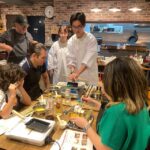
This is a tight, hands-on format: 150 minutes total, in a small group limited to 8. That matters because ramen and gyoza both take timing—dough needs the right handling, dumplings need shaping, and fried rice is a finishing move where you want heat and attention.
A typical flow looks like this:
- You’ll get an overview from the ramen master and your English local guide.
- You’ll work through core prep for ramen (including noodle dough).
- You’ll wrap and cook gyoza at your station.
- You’ll make and eat fried rice as part of the same meal.
- You’ll sit down to enjoy what you cooked, with two included drinks.
Because it’s all bundled together, you’re not waiting around for hours. It’s also why it’s a good choice if you want one evening activity that turns into dinner.
Ramen from scratch: knead, cut, and top your own noodles
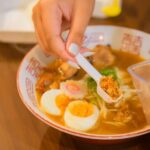
This is the headline for a reason. You’ll learn to make authentic Japanese ramen from scratch, not just dress up pre-made noodles. That usually means you’ll get your hands into the dough and learn how it behaves before it turns into noodles.
Expect three things:
- Kneading and dough handling: this is where texture starts.
- Cutting noodles: portion and consistency matter more than you think.
- Topping and finishing: ramen isn’t just carbs; it’s balance.
The class also frames ramen in a way that helps you taste better. You’ll hear ramen history, including the claim that it dates back to 1697 (Tokugawa Mitsukuni) and later hits the mainstream around 1910 with Asakusa’s Rairaiken. Even if you don’t memorize dates, the point is simple: ramen spread because it fits real life—quick comfort, deep flavor, and easy customization.
In class, that translates to how you build your bowl. When you make the noodles yourself, you notice differences you usually miss at a restaurant, like thickness, chew, and how toppings change the feel of the broth-and-noodle bite.
Gyoza wrapping: where technique becomes crunch
Then comes the satisfying part: wrap your own gyoza. Gyoza seems simple until you actually try sealing and shaping. That’s why learning hands-on works: you get feedback immediately from the chef’s guidance and the guide’s translation.
In this class, gyoza isn’t just made for show. You’ll wrap, then enjoy them as part of the meal, often with a pairing drink like beer or sake. That pairing is one of the small details that makes the whole evening feel complete.
If you’re picky about texture (and you should be), watch for these elements when shaping:
- how tightly the wrapper seals
- how much filling is used
- how the dumplings sit before they cook
The reward is that you’re not waiting for someone else’s cooking to impress you. You’re seeing your own work turn into crisp edges and juicy centers.
Fried rice: the practical finishing dish
Most cooking classes stop at the dramatic item. This one adds fried rice, which is smart for two reasons.
First, fried rice is forgiving. Even when you’re learning, it still comes together if you follow steps closely. Second, it’s a classic “use what you’ve got” dish—so it rounds out the meal without making the evening longer.
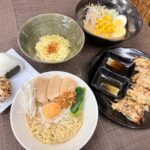
You’ll cook it as part of the full included meal of ramen, gyoza, and fried rice, meaning the class ends with enough food to count as a real dinner. Several people highlighted just how filling it is, which matches the menu design.
A few more Kyoto tours and experiences worth a look
Your guide in the kitchen: English translation that actually helps
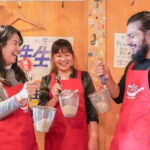
The class is English-instructed and run with a ramen master plus a local guide. Names that have shown up with this experience include Rika, Yuki, Yuka, Ayuri, Meri, Shiori, and Ken. The important part isn’t the name—it’s the role: translating the chef’s instructions so you can do the steps confidently.
When translation is good, you stop guessing. You understand what to do with your hands, what to watch while something cooks, and why the chef asks you to adjust.
This is also why the class is popular with solo travelers. In a group up to 8, you’re cooking alongside people, but you’re not stuck in silence.
The meal + drinks: beer or sake included
You’ll eat what you make: ramen, gyoza, and fried rice, plus two drinks included in the price. Drinks can be beer, sake, or soft drinks.
A practical tip: since the meal is substantial, plan your Kyoto day so you’re not already full from snacks. Think of this as the main event, not a “small taste and leave.”
Also, the class doesn’t ask you to cover extra food or drinks for the guide. Everything is included as part of the experience.
Recipes and photos: taking Kyoto flavor home
One of the most useful parts here is that you leave with a downloadable recipe guide. That’s what helps this class turn into something you can redo after you’re back home.
If you’ve ever taken a cooking class and then found the steps hard to repeat, you’ll appreciate the format. You’re more likely to recreate the ramen feel because you’re not relying on memory alone.
You’ll also get tour photos emailed after the class. Guides in this experience have been praised for taking lots of pictures and even shooting videos to capture the group at work, not just the final plate.
Price and value: why $83 can make sense in Kyoto
At $83 per person for 150 minutes, this isn’t a cheap bite-size activity. But it is priced like a real cooking workshop: a ramen master and chef instruction, small group size (up to 8), the full meal you cook, and two included drinks.
Here’s the value breakdown in plain terms:
- You’re paying for instruction, not just ingredients.
- You get three dishes that are usually separate restaurant meals: ramen, gyoza, and fried rice.
- You receive a recipe guide and photos, which help you continue the experience after your trip.
Is it worth it if you only want to eat ramen? Probably not. If you want a hands-on Kyoto food moment where your dinner is part of the lesson, the pricing feels fair for what you actually do and eat.
Who should book (and who should think twice)
This class is a great fit if:
- you love ramen and want to understand how noodle dough changes the final bowl
- you enjoy learning by doing, especially with folding dumplings and cooking with heat
- you want a Kyoto activity that doubles as dinner
- you’re traveling solo and like meeting people through shared work
It’s also popular with families. Multiple reviews mention that kids were handled well, and the experience welcomes ages 6+ with supervision during knife use or risky steps.
Think twice if:
- you follow a vegetarian or vegan diet (the class cannot accommodate those requests)
- you need gluten-free (not accommodated)
- you have mobility issues or use a wheelchair (not recommended)
- you want allergy-free guarantees (dishes are prepared outside the MagicalTrip kitchens, so allergy-free meals aren’t guaranteed, though small adjustments may be possible)
One more consideration: if you prefer no meat, you should tell the chef at booking so they can prepare in advance.
A quick word on participation: what to expect from the hands-on part
A key detail from real feedback: the class is hands-on, but not every stage is equal. Some tasks may feel like you’re doing the key steps (like noodle work or wrapping), while others may be more guided by the chefs. That’s normal in any cooking class with safety and timing.
If your goal is maximum knife time, you might find your rhythm depends on the day and the flow of the kitchen. If your goal is better understanding and a great final meal, you’ll likely leave happy.
Should you book the Kyoto Ramen & Gyoza Cooking Class?
I think you should book if you’re the type who gets excited by process, not just plate photos. This is one of those rare food activities where you go home with the skills to recreate something real, because you’ll learn ramen noodles, gyoza wrapping, and fried rice as a connected set.
Skip it if you need vegetarian/vegan, gluten-free, or strict allergy handling. Also skip it if mobility is an issue, since it’s not recommended for wheelchair users.
If you’re looking for a fun evening that ends with a satisfying, homemade meal and a takeaway recipe guide, this Kyoto cooking class hits a sweet spot: hands-on work, a small group vibe, and comfort-food results you’ll actually want to repeat.
FAQ
How long is the Kyoto ramen and gyoza cooking class?
The class runs for 150 minutes.
Where is the meeting point?
You meet in front of the Latitude 35° Story Monument (北緯35°物語). Your guide will be holding an orange board named MagicalTrip.
Is the class taught in English?
Yes. Instruction is in English.
What dishes will I learn to make?
You’ll learn to make ramen, gyoza, and fried rice from scratch.
Are drinks included?
Yes. Two drinks are included, and you can choose from beer, sake, or soft drinks.
Is the group size small?
Yes. It’s limited to 8 participants.
Can vegetarians, vegans, or gluten-free guests be accommodated?
No. Vegetarian, vegan, and gluten-free requests can’t be accommodated.
Will I receive recipes after the class?
Yes. You get downloadable recipes, and you’ll also receive tour photos by email after the experience.